Gottfried Lindauer
b.1839, d.1926
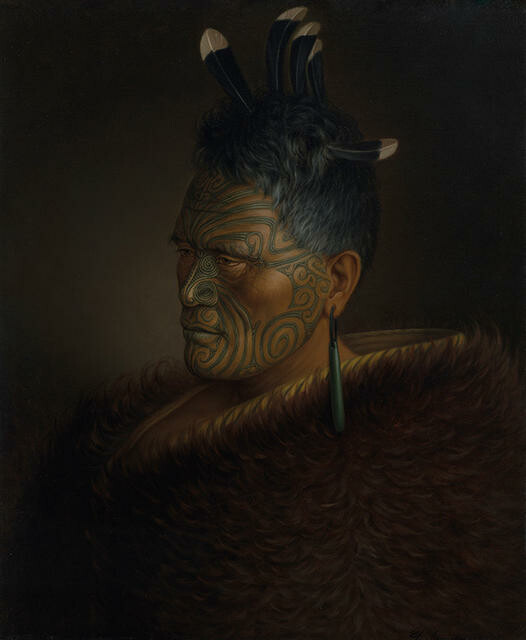
King Tāwhiao Tūkāroto Matutaera Pōtatau Te Wherowhero (Ngāti Mahuta, Tainui)
- c. 1885
- Oil on canvas
- Gift of Harriett and Archibald Anthony, 1964
- 740 x 640 x 45mm
- 69/541
Location: Dame Louise Henderson Gallery
Tags: academicism, cloaks, earrings (jewelry), jades (objects), jewelry, koru (pattern), Māori (culture or style), men (male humans), moko, people (agents), portraits, pounamu, spirals (geometric figures), tattoos, warriors
Tūkāroto Matutaera Pōtatau Te Wherowhero Tāwhiao became the second Māori king in 1860 after the death of his father, Pōtatau Te Wherowhero. Te Kīngitanga, or the Māori King movement, grew from a need to protect Māori land and bring unity to iwi Māori at a time when Māori–British relationships were at their most unstable. After many years renouncing warfare between Māori and Pākehā and calling for the government to uphold the promises of Te Tiriti o Waitangi, in 1884 King Tāwhiao travelled to London to petition Queen Victoria. Although unsuccessful in meeting the Queen, the petition, which proposed a separate Māori parliament and an inquiry into confiscations of Māori land, was a symbol of the continued fight for tino rakatirataka by Māori in Aotearoa New Zealand. In this portrait by Gottfried Lindauer, Tāwhiao is portrayed with a mataora, pounamu pendant, kahu kiwi and huia feathers, all symbols of his chiefly status.
iwi Māori ~ Māori tribes
Pākehā ~ New Zealander of European descent
Te Tiriti o Waitangi ~ the Treaty of Waitangi
tino rakatirataka ~ self-determination, sovereignty, autonomy, self-government
mataora ~ male facial tattoo
pounamu ~ greenstone
kahu kiwi ~ kiwi-feather cloak
huia ~ an extinct songbird whose white-tipped tail feathers were a revered taoka (treasure) for Māori
He Kapuka Oneone – A Handful of Soil (from August 2024)
Exhibition History
Te Wheke: Pathways Across Oceania, 30 May 2020 – 3 July 2022
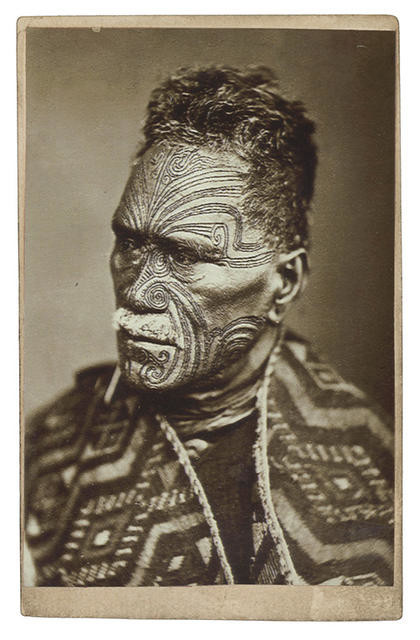
“Ki te kotahi te kākaho ka whati, ki te kāpuia, e kore e whati.” —King Tāwhiao [If there is but one toetoe stem it will break, but if they are together in a bundle they will never break.] While in Sydney in 1884, en route to England, King Tāwhiao had his photograph taken by Henry King. Vienna-trained, Bohemia-born painter Gottfried Lindauer obtained a copy in Aotearoa New Zealand and that became the source for this portrait.Tāwhiao’s kaupapa (intention) was to meet Queen Victoria, gain recognition of the Treaty of Waitangi, and redress the injustice of vast confiscations of Māori land – he was blocked, however, from seeing her.
He Waka Eke Noa, 18 February 2017 – 18 February 2018
The Vienna-trained, Bohemian-born artist Gottfried Lindauer arrived in New Zealand in 1874, and became famous for his portraits of eminent Māori. Lindauer painted several portraits of Tūkaroto Matutaera Pōtatau Te Wherowhero Tāwhiao (c. 1825–1894), the second Māori king, based on photographs by others. This painting is based on a studio portrait taken in 1884 by Australian photographer Henry King, during King Tāwhiao’s visit to Sydney while en route to England. Tāwhiao’s goal was to meet with and gain recognition from Queen Victoria of the Treaty of Waitangi and to redress the injustice of vast confiscations of Māori land, but did not meet with success.
Treasury: A Generous Legacy, 18 December 2015 – 27 November 2016
The Vienna-trained, Bohemian-born artist Gottfried Lindauer arrived in New Zealand in 1874. He based this portrait of Tūkaroto Matutaera Pōtatau Te Wherowhero Tawhiao (c. 1825–1894), the second Māori king, on an 1884 portrait by Sydney photographer Henry King. Tawhiao visited King ’s studio while en route to England in pursuit of recognition from Queen Victoria of the Treaty of Waitangi and reparation of confiscated Māori land.
Tawhiao’s portrait was given to the Gallery in 1964 by Lindauer’s nephew, Archibald H. Anthony (1881–1970), in honour of his wife Harriet Grace (d. 1961). Anthony was a retired Christchurch lawyer who also gave his large property on the Cashmere hills to become a Hohepa Home for children with disabilities.
During the time that Czechoslovakian born artist Gottfried Lindauer lived in New Zealand, after 1876, he worked mainly as a portrait painter. Some subjects were painted directly from life while others were painted from photographs. Lindauer used photography as an aide-memoire. Often his subjects exhibit, as in this portrait, a noble bearing, and were chiefs recognised for their achievements by both Maori and non-Maori alike.
The subject of this work, King Tawhaio Potatau Wherowhero, was the first Maori King, declared King on the death of his father Chief Te Wherowhero.
Tawhaio was a chief of considerable mana who fought in the Waikato land wars after which he retired to the King Country, where, with a number of other chiefs, he lived in relative isolation until 1881. In 1884, he visited England with other chiefs, hoping to form a marriage alliance with Queen Victoria. He died in 1894.
Lindauer was an accomplished draughtsman and took great care in depicting Maori garments, ornaments, and weapons accurately, striving for a faithful, unromanticised record of his subject as in this work. (Label date unknown)
King Tawhiao was a Mâori chief of considerable importance who, in 1884, had led a deputation to England to appeal to Queen Victoria about honouring the Treaty of Waitangi. The kiwi feather cloak, the white huia feathers in his hair and the greenstone earring show him to be a warrior of great mana (standing). Gottfried Lindauer has created a grand portrait of power and command in the academic style, painted in a highly realist manner. Lindauer’s precise style of painting was greatly valued by his contemporaries as ethnological and historical records of the Mâori people. Born in Bohemia, in 1855 Lindauer travelled to Vienna to study painting and in 1864 returned to his hometown of Pilsen, establishing his own studio. Lindauer arrived in New Zealand in 1874. The following year he moved to Auckland. In the 1880s Lindauer associated with photographer Samuel Carnell who specialised in Mâori subjects. ‘The Colonial and Indian Exhibition’ in London, in 1886, included twelve of Lindauer’s works. (Label date unknown)
Related reading: Treasury: a generous legacy
Notes
Kanohi Ki Te Kanohi / Face To Face
In te ao Māori, portraiture can encompass rangatiratanga (stewardship), whanaungatanga (kinship or connectedness), manaakitanga (kindness towards others) and whakapapa (ancestral genealogy). A sense of wairua (the spirit of a person) also resonates within these treasured portraits.
Notes
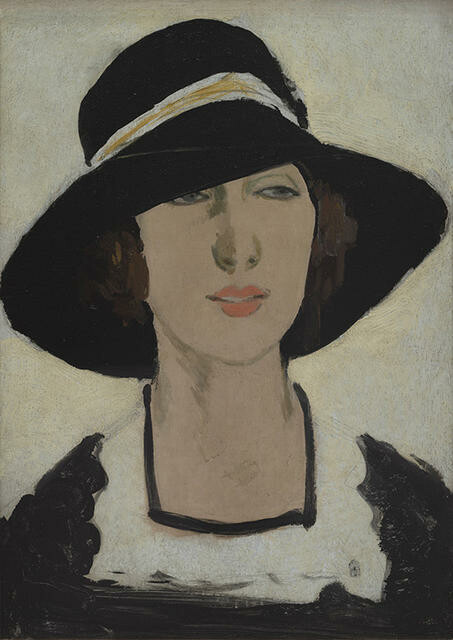
Study (Woman in a wide black hat) by Raymond McIntyre
This article first appeared as 'The Muse' in The Press on 25 August 2015.
Notes
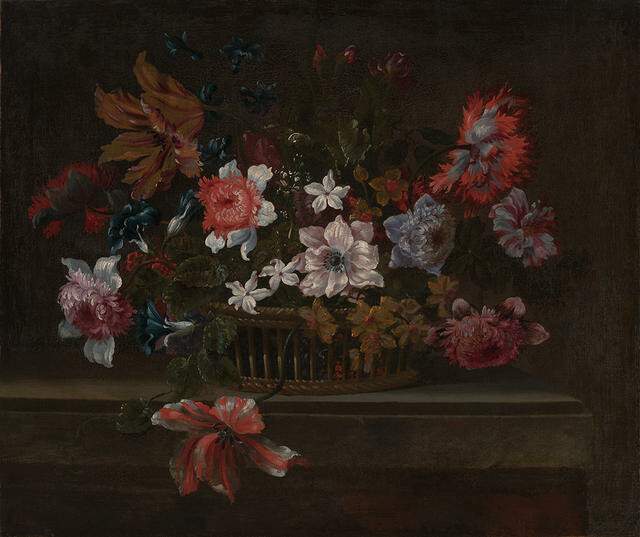
Still life with flowers in a basket by Pieter Hardimé
This article first appeared as 'Allegory of life's beauty, brevity and fragility' in The Press on 15 August 2014.
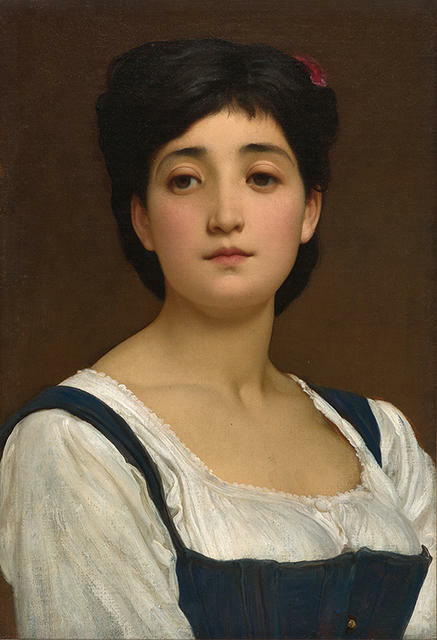
Notes
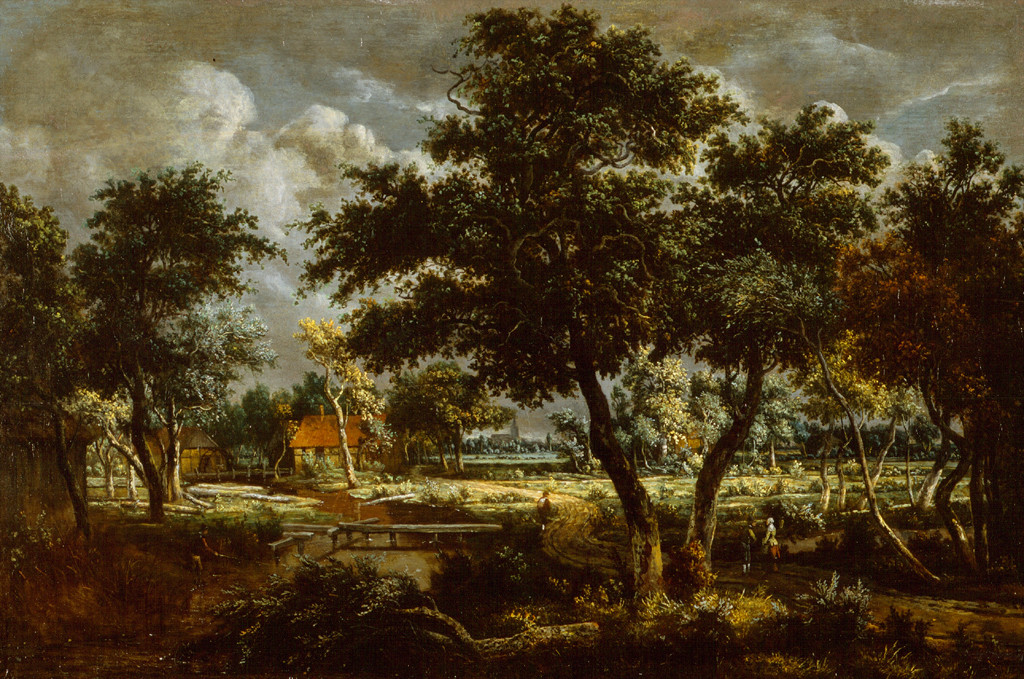
Untitled by Meindert Hobbema
This article first appeared as 'Dutch treat' in The Press on 12 April 2013.
Notes
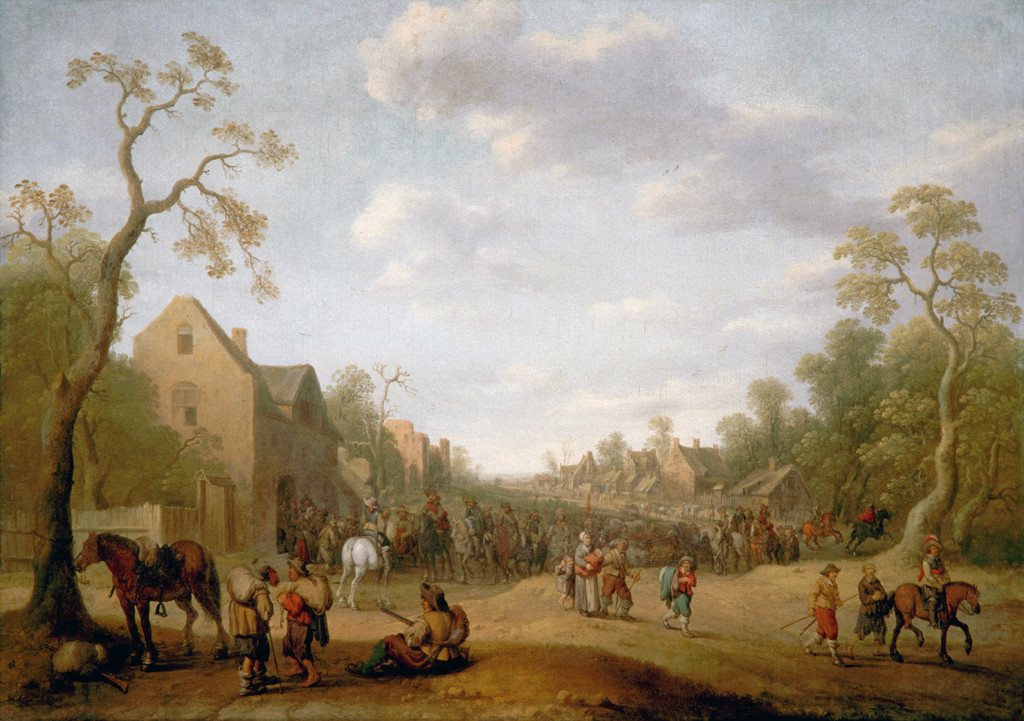
Angels and Aristocrats
Blair Jackson and I attended the opening of Angels & Aristocrats at Dunedin Public Art Gallery on Friday 27 April. It's spectacular.
Notes
Taking Stock
It's hard to believe, but only eighteen collection works were damaged as a result of all earthquakes, with fourteen damaged on the 22 February 2011.
Notes
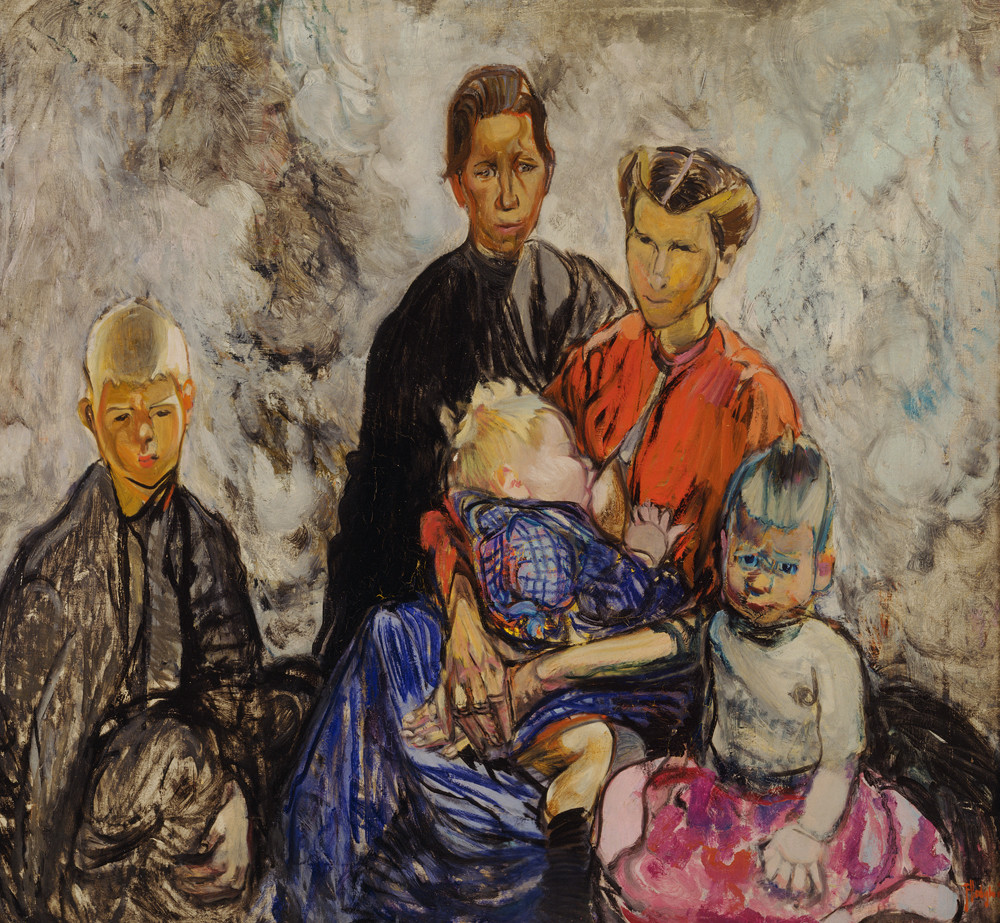
Belgian Refugees by Frances Hodgkins
This article first appeared in The Press on 28 February 2007
Belgian Refugees is one of the first oil paintings that Frances Hodgkins ever exhibited, although at the time she was already well accustomed to showing her watercolours. Working in oils and tempera on canvas, she used an experimental technique in this work that gained much from her experience with watercolour. Believed to have been first shown as Unshatterable, in October 1916 at the International Society's Autumn Exhibition in London, the choice of title would suggest a greater sense of resilience than is actually conveyed by this family group. Here only the baby is oblivious to trouble, while his nursing mother seems devoid of expression, and the older children tense with anxiety or fear. Behind the group, a gap in the swirling grey suggests the fact of a missing father, and this steam and smoke speaks of displacement, the atmospheric backdrop of a train station or the symbolic clouds of war. Within the wall of monochrome, intense colour is reserved for mother and child, who also remind of one of Hodgkins' favourite early choices of subject matter in watercolour.
Article
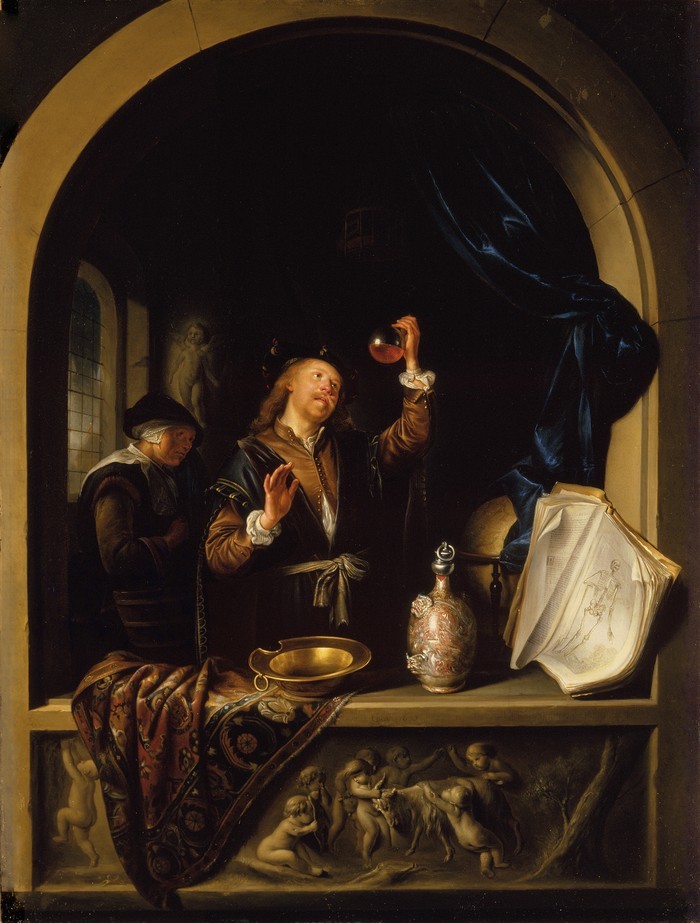
Trove
Recounting the untold stories behind some of the works in the exhibition Treasury: A Generous Legacy, curator Ken Hall also underlines the value of art philanthropy.
Commentary
The wisdom of crowds
In recent years, crowdfunding and crowdsourcing have become big news in the arts. By providing a funding model that enables would-be-investors to become involved in the production of new works, they have altered traditional models of patronage. Musicians, designers, dancers and visual artists are inviting the public to finance their projects via the internet. The public are also being asked to provide wealth in the form of cultural capital through crowdsourcing projects. The Gallery has been involved in two online crowdfunding ventures – a project with a public art focus around our 10th birthday celebrations, and the purchase of a major sculpture for the city. But, although these projects have been made possible by the internet, the concept behind the funding model is certainly not new. The rise of online crowdfunding platforms also raises important questions about the role of the state in the funding and generation of artwork, and the democratisation of tastemaking. How are models of supply and demand affected? Does the freedom from more traditional funding models allow greater innovation? Do 'serious' artists even ask for money? It's a big topic, and one that is undoubtedly shaping up in PhD theses around the world already. Bulletin asked a few commentators for their thoughts on the matter.
Article
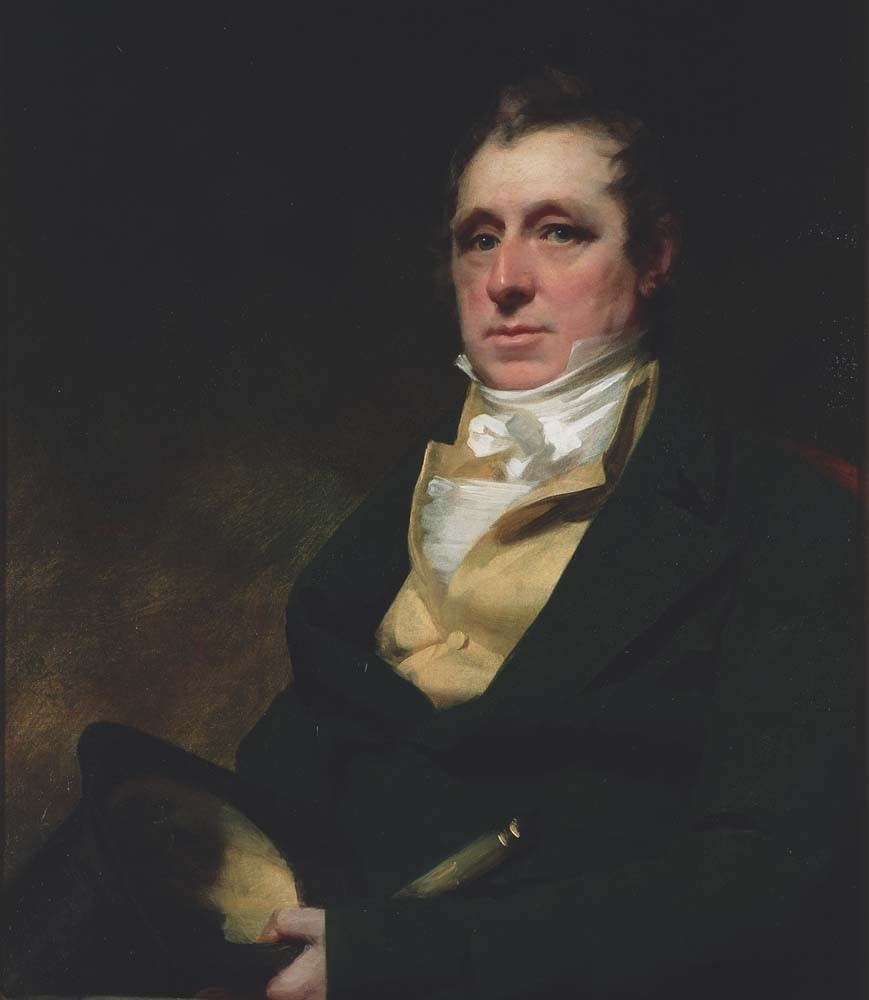
The East India Company man: Brigadier-General Alexander Walker
Getting to know people can take time. While preparing for a future exhibition of early portraits from the collection, I'm becoming acquainted with Alexander Walker, and finding him a rewarding subject. Painted in 1819 by the leading Scottish portraitist of his day, Sir Henry Raeburn, Walker's portrait is wrought with Raeburn's characteristic blend of painterly vigour and attentive care and conveys the impression of a well-captured likeness.