Kā Kaupapa o te Wā
What’s On
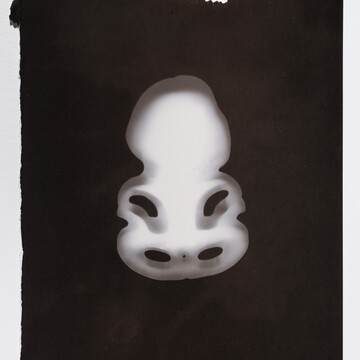
Mark Adams: A Survey | He Kohinga Whakaahua
A comprehensive survey spanning the artist's career.
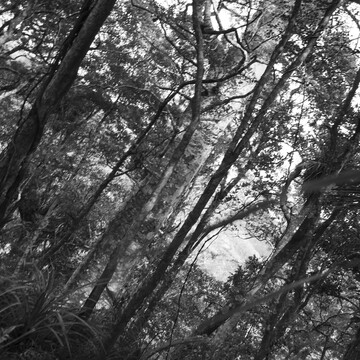
Ana Iti: Ngahere Behind a Pile of Metal
An immersive installation considering the legacies of deforestation and significance of kauri trees.
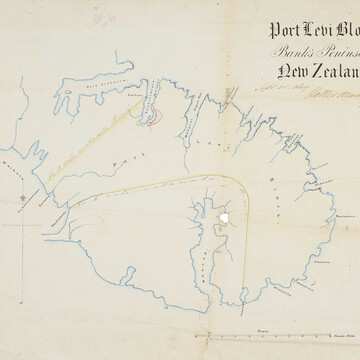
Kā Whakatauraki: The Promises
A landmark exhibition bringing together the ten Ngāi Tahu land sale purchase deeds.
E tuwhera ana te wharetoi i kā rā e 7 o te wiki, 10am - 5pm
Ka tuwhera ki te 9pm i kā pō Wenerei
Open 7 days, 10am - 5pm
Late night Wednesday until 9pm
Uruka utukore, ahokore utukore
Free entry, free wifi
A Lifelong Affair
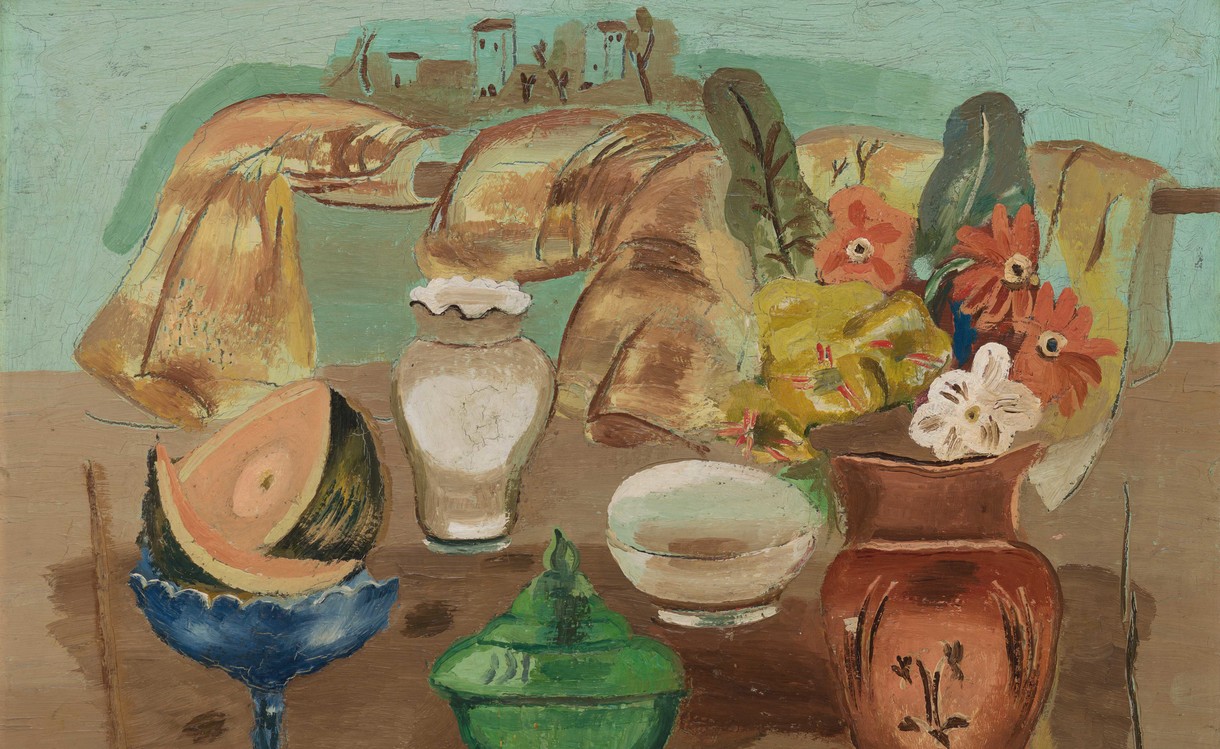
It may have been Rachel Hodgkins’ assertion during her daughters’ childhood in Dunedin that Isabel would be the painter in the family that drew out the stubborn streak in her younger daughter Frances. And indeed, as the fates were to prove, Isabel, once married, had to put aside her brushes for the most part to care for her family, while Frances, rather than making her way as a piano teacher as her mother had intended, chose a different course. Spurred on by her Italian tutor Girolamo Nerli’s descriptions of the bohemian life in Europe and the artistic revolution taking place in certain quarters, she set out for Europe, determined to prove her family’s assumptions wrong.
In Memory of Quentin MacFarlane
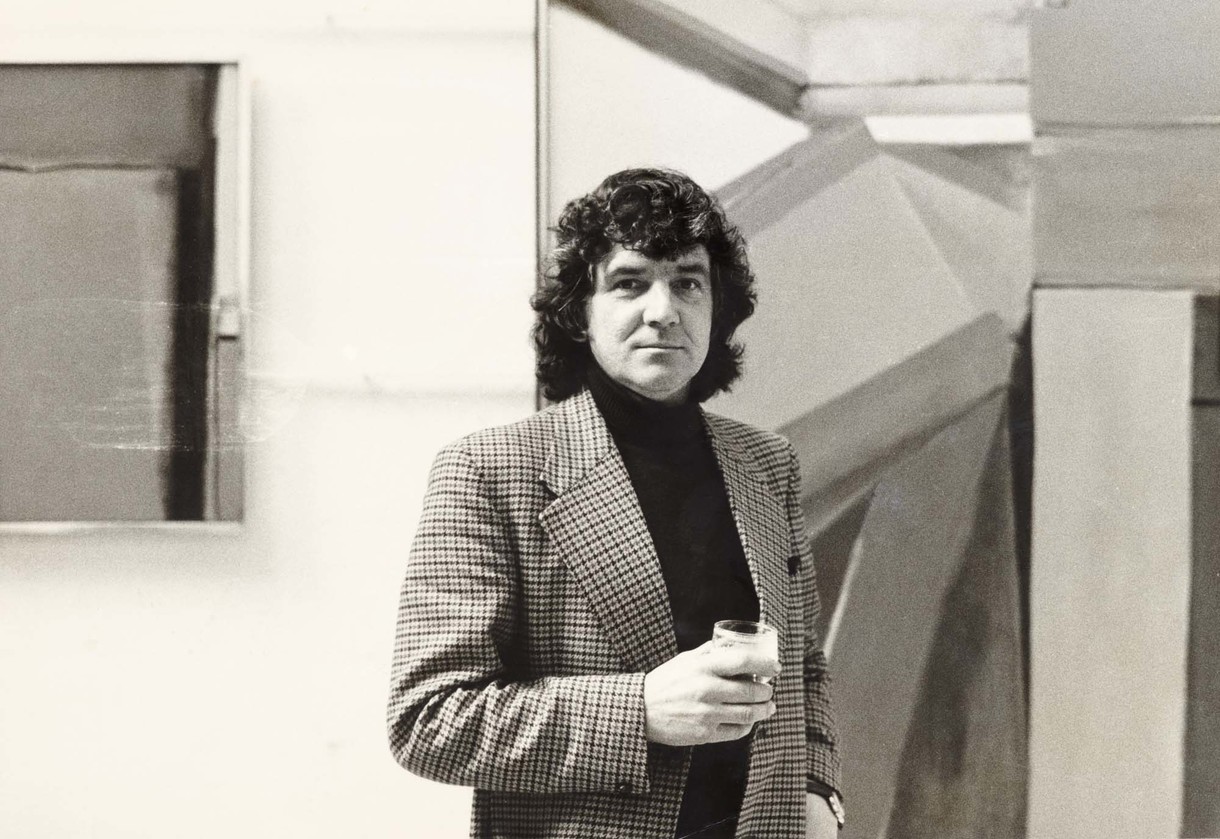
Staff at Christchurch Art Gallery Te Puna o Waiwhetū were saddened to hear of the death of Quentin MacFarlane in July.
Studio Visit
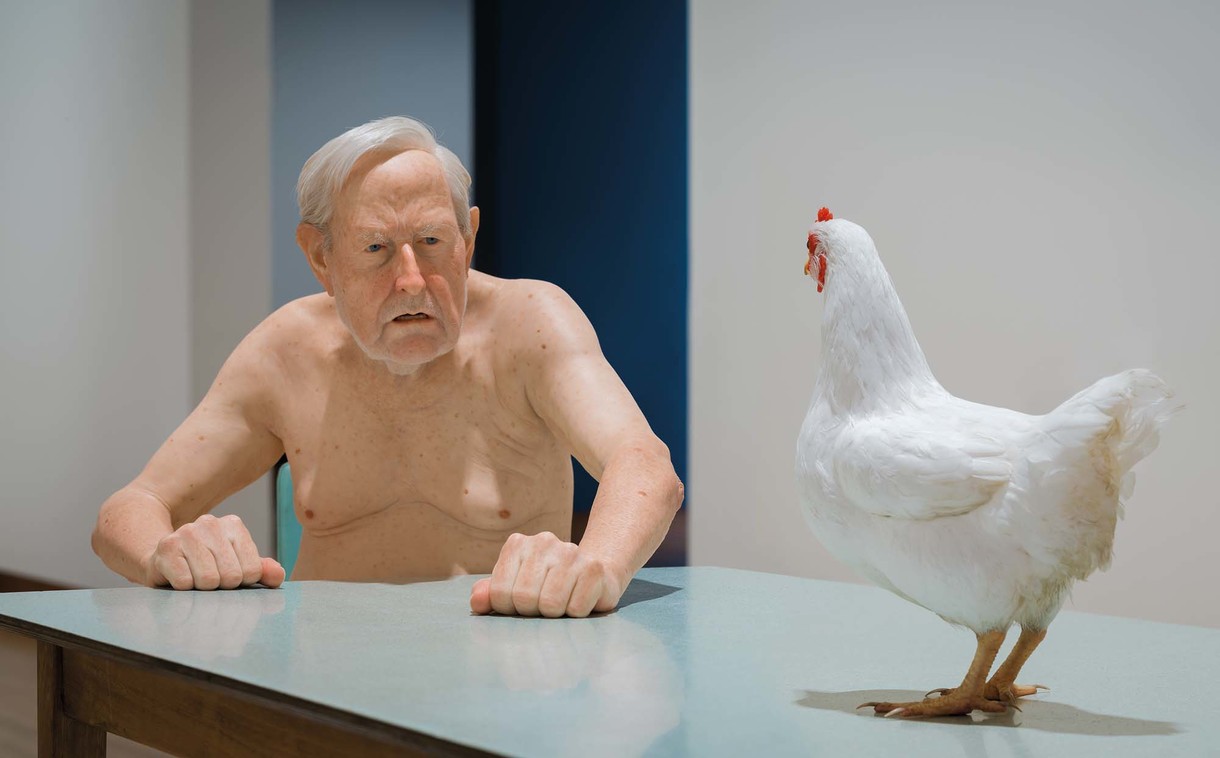
I was in London last October and keen to visit Ron Mueck, but he wasn’t there: he’d gone down to Ventnor, on the Isle of Wight, where he has a studio. I spent my childhood in England, but I’d never been to the Isle of Wight. It’s in the English Channel; a Victorian retreat beloved by Tennyson, who wrote ‘The Charge of the Light Brigade’ here. It was also the home of the photographer Julia Margaret Cameron, who made portraits of many of Tennyson’s guests. (When Tennyson took the American poet Longfellow to Cameron’s house for a portrait, he reportedly warned: “You’ll have to do whatever she tells you. I’ll come back soon and see what’s left of you.”)
White Camellias Revisited
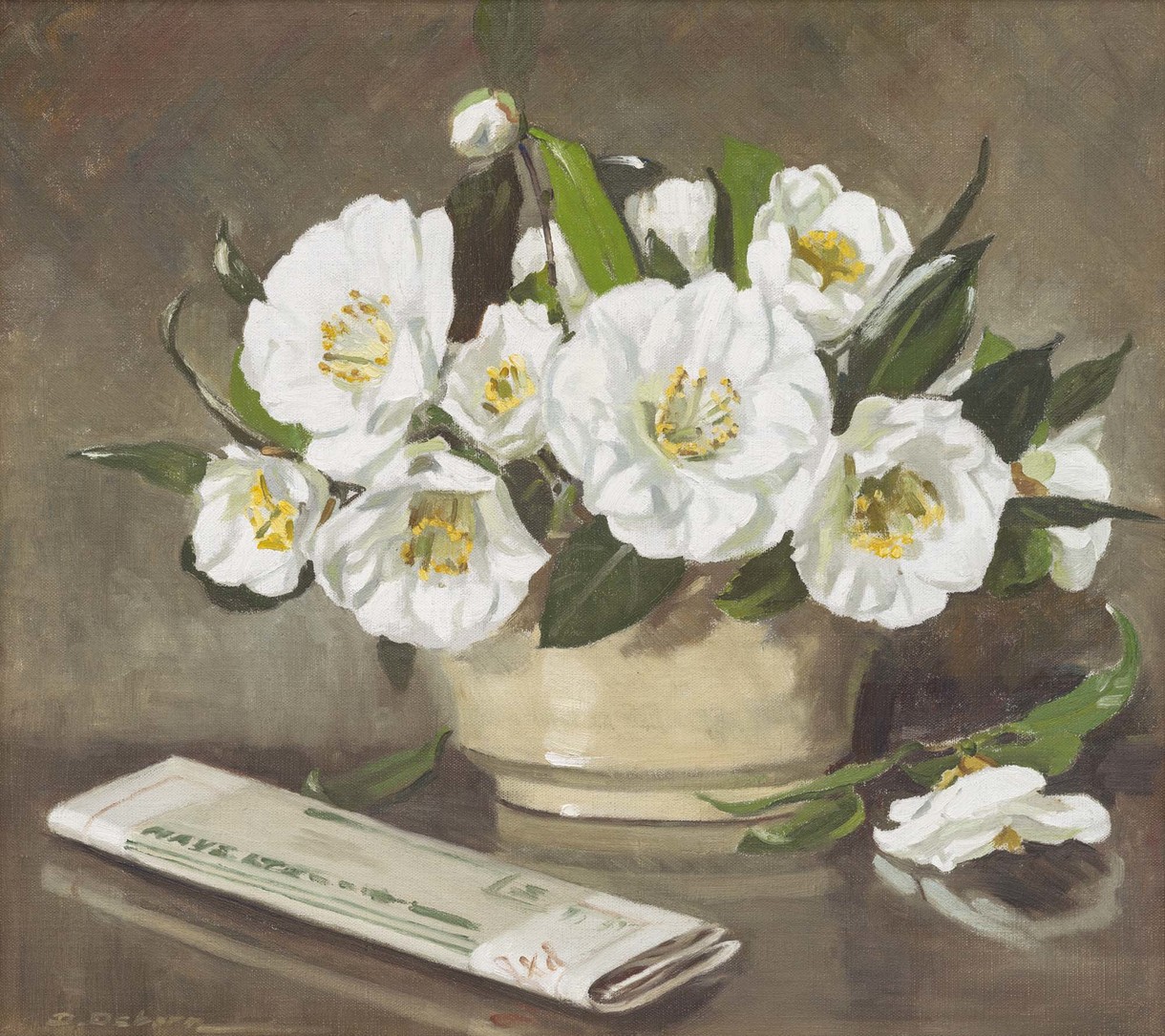
Just over a quarter of a century ago the Robert McDougall Art Gallery hosted an exhibition to celebrate a century of women’s art making in Canterbury. It was the Gallery’s contribution to the country-wide centenary celebrations of women’s suffrage. Co-curated by Lara Strongman and myself, White Camellias: A Century of Artmaking by Women in Canterbury, as its title suggests, was a springboard for both korero and further study of women’s art history.
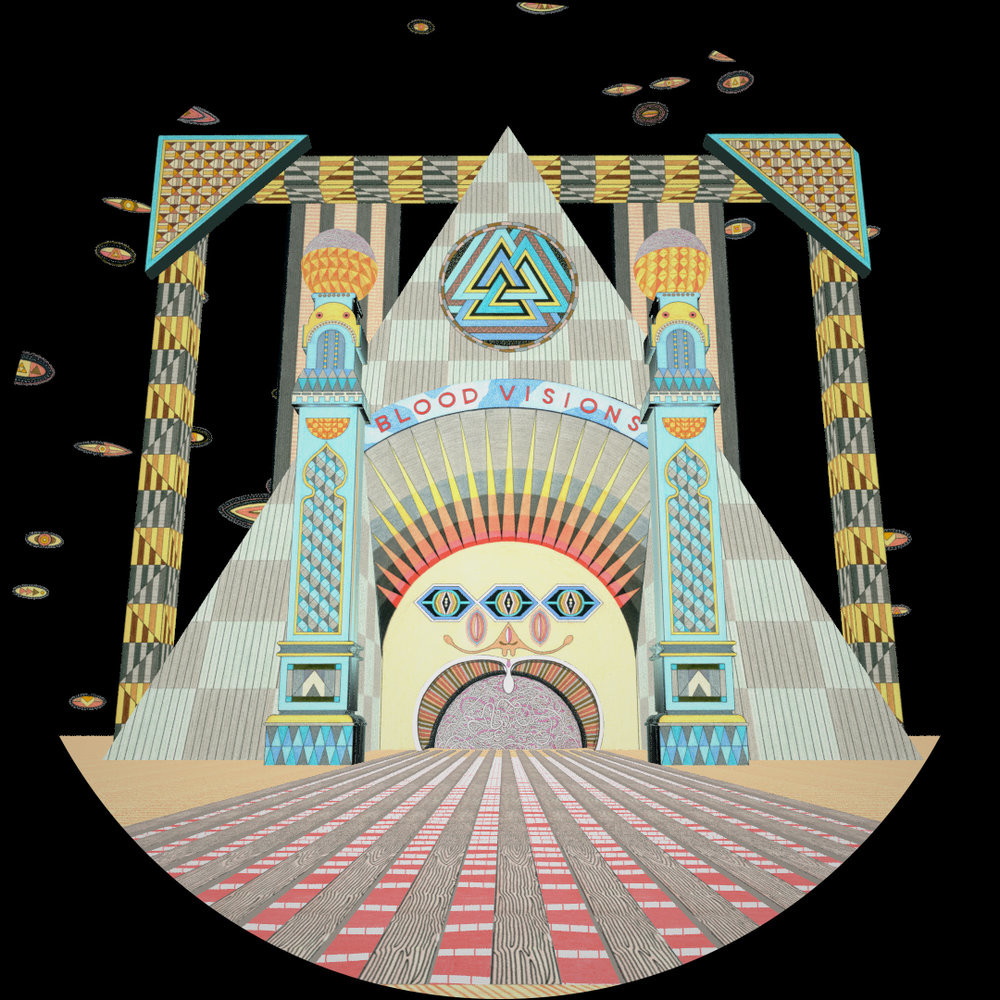
Wurms Rule
As I write this I’m listening to Grimes. Jess Johnson likes Grimes. It’s the kind of music you might hear playing in her studio as she sits creating her complex drawings of alternate realities, line by meticulous line. A quiet achiever with numerous accomplishments under her belt, Johnson’s work ends up in all sorts of places – from the walls of Australia and New Zealand’s major institutions to the backs of some of pop culture’s coolest figures. Back in 2016 she collaborated with Australian fashion designers Romance Was Born on a range of clothes, some of which ended up being worn by Grimes herself. Not that you’d necessarily hear about this from Johnson, who is remarkably modest.
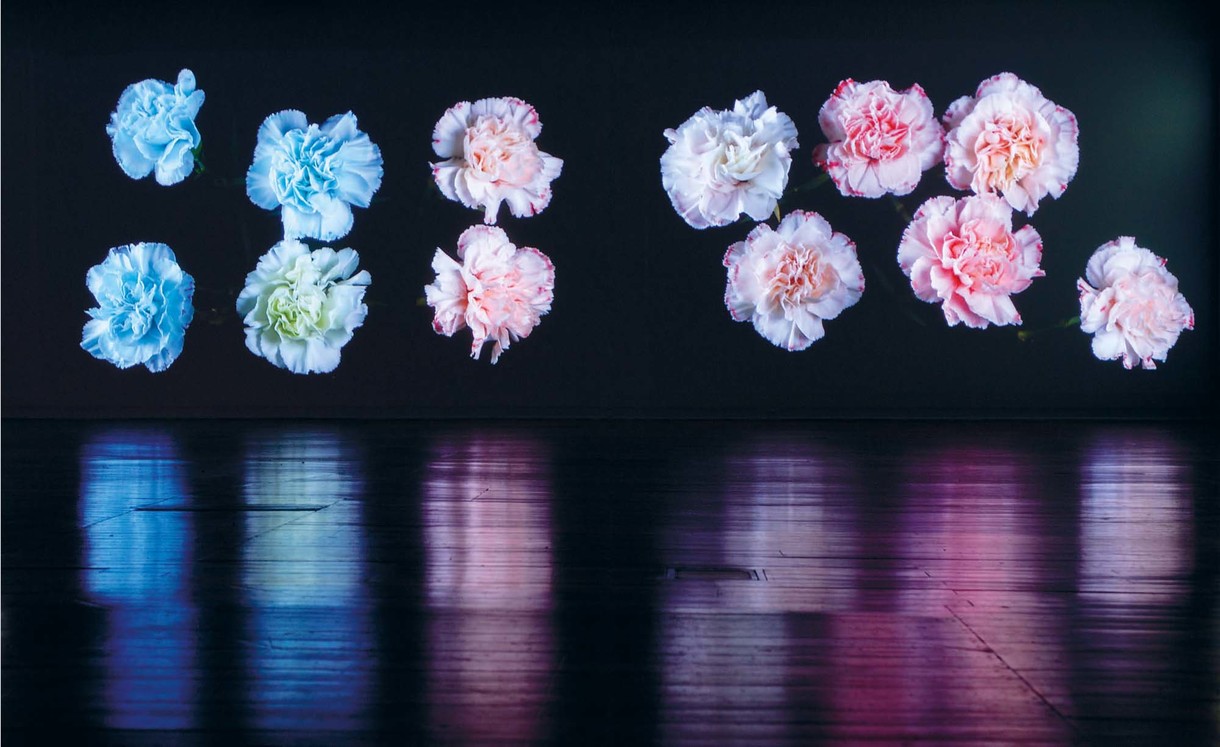
Steve Carr: Transpiration
In Steve Carr's Transpiration (2014), huge carnations hover in half-dozen clusters on the wall. They start their lives looking like balls of cotton rags – white, bunchy, frayed. Colour then gathers at their fringes and grows into a slow leach that turns them yellow, or pink, or blue. The flowers’ inner folds wobble slightly. There’s a more general sway at their outer limits – a kind of peripheral rocking. Single petals peel away, minuscule movements that turn into sublime shocks when you manage to catch one at the edges of your vision.
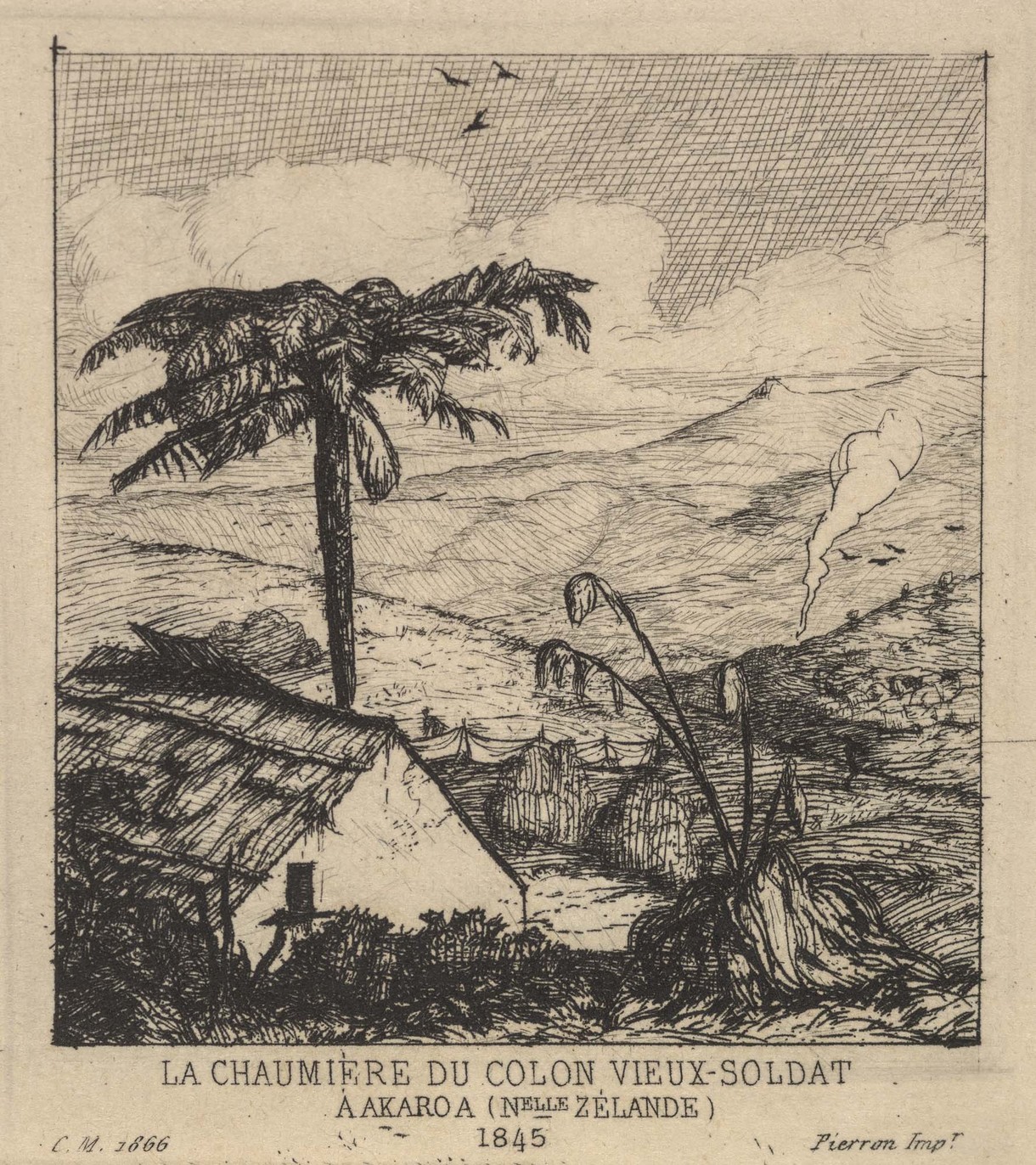
Charles Meryon: Etcher of Banks Peninsula
French explorers, natural historians, whalers and Catholic missionaries were increasingly present in the south-west Pacific from the mid-eighteenth century, but there was also a political thread in this activity. During the 1820s some in France saw New Zealand as a potential penal colony, and the project that saw a handful of French colonists settle on Banks Peninsula in 1840 made an official French presence in the region even more appropriate. This took the form of a French naval base, the ‘New Zealand station’, established at Akaroa in 1840.
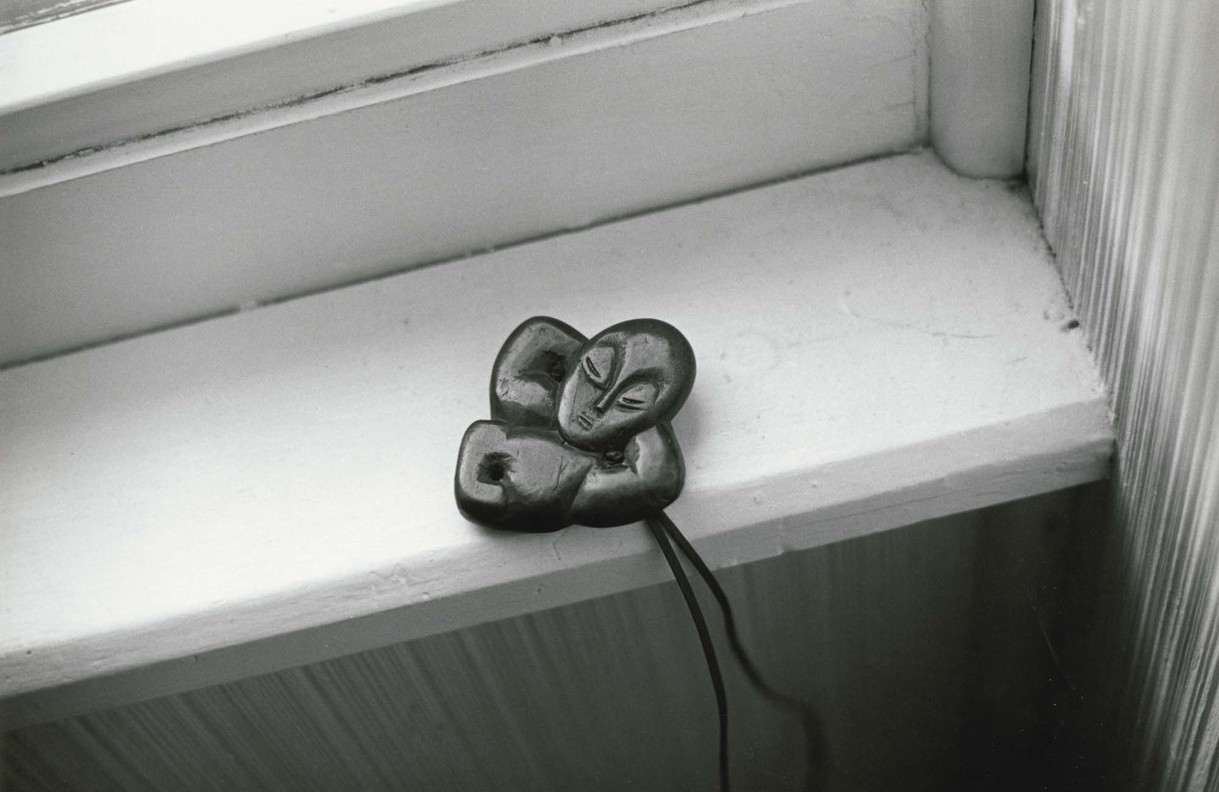
Len Lye's Learning Curve
One of the most dramatic aspects of the career of Len Lye (who was born in Christchurch in 1901 and died in Warwick, New York, in 1980) was his youthful search for information about the modernist revolution in art. This occurred throughout the early 1920s, when New Zealand was still (in Peter Tomory’s words) ‘a cultural wasteland’ and (in Eric McCormick’s) a ‘backwater of nineteenth-century civilisation.’
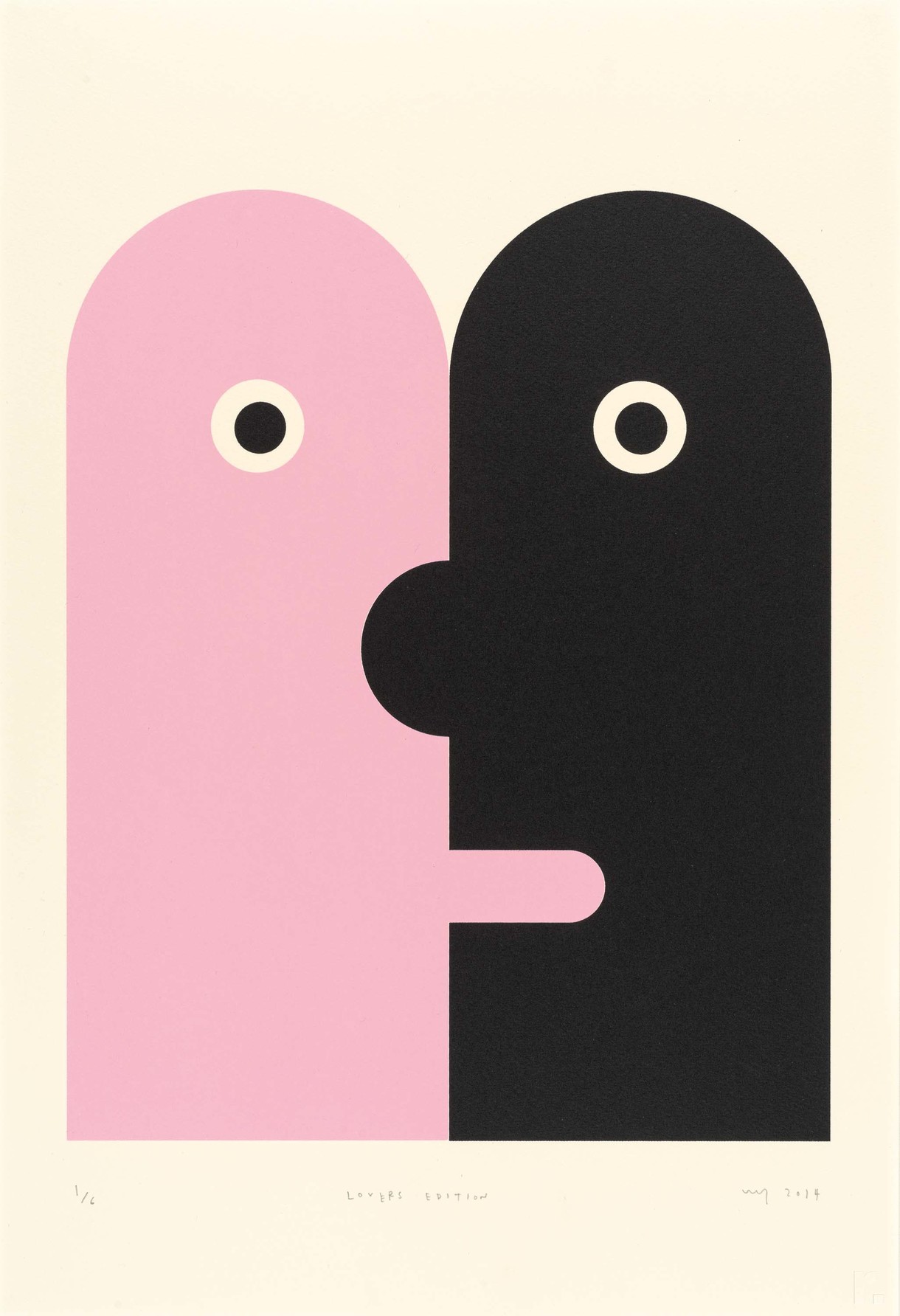
Wayne Youle: Look Mum No Hands
He’s been called a cultural prankster, an agent provocateur and a bullshit artist (that last description came from his dad, but it was bestowed – he’s pretty sure – with love). While we’re at it, add ‘serial pun merchant’ to that list; in art, as in conversation, Wayne Youle can spot a good one-liner a mile off and has never knowingly left an entendre undoubled.
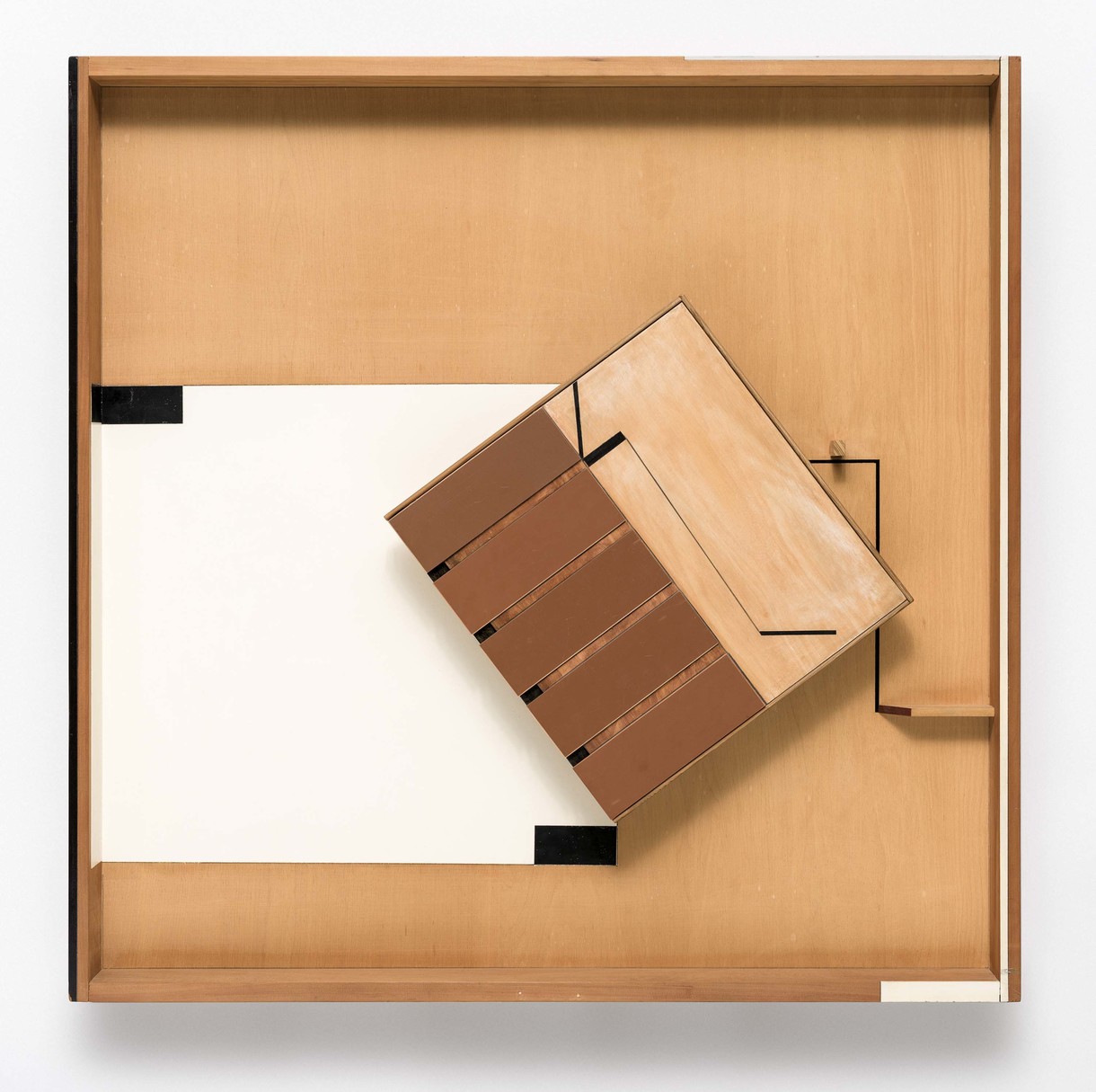
Don Peebles: A Free Sense of Order
There’s a wonderful film on Don Peebles in the Gallery’s archive that provides a fascinating insight into the artist’s practice. Produced around 1980, it shows Peebles working in his studio and walking through his garden, past the fruit trees to his shed down the back, with an audio interview overdubbed. My favourite scene shows the artist in the shed with a box full of various wooden shapes that he has collected over the years, which he takes out and loosely assembles on a small sheet of plywood – a free sense of order created out of these seemingly random pieces.