Kā Kaupapa o te Wā
What’s On
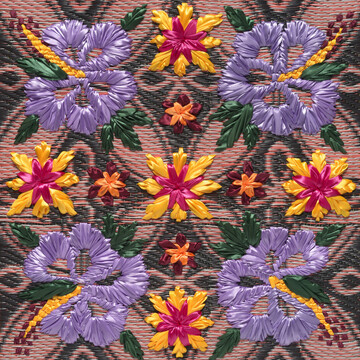
Made in the Pacific: A Collection of Tāoga
A selection of Pacific tāoga from the Canterbury Museum in conversation with contemporary artworks that highlight the continued strength in culture and traditional art forms.
Mark Adams: A Survey | He Kohinga Whakaahua
A comprehensive survey spanning the artist's career.
Ana Iti: Ngahere Behind a Pile of Metal
An immersive installation considering the legacies of deforestation and significance of kauri trees.
E tuwhera ana te wharetoi i kā rā e 7 o te wiki, 10am - 5pm
Ka tuwhera ki te 9pm i kā pō Wenerei
Open 7 days, 10am - 5pm
Late night Wednesday until 9pm
Uruka utukore, ahokore utukore
Free entry, free wifi
Commentary
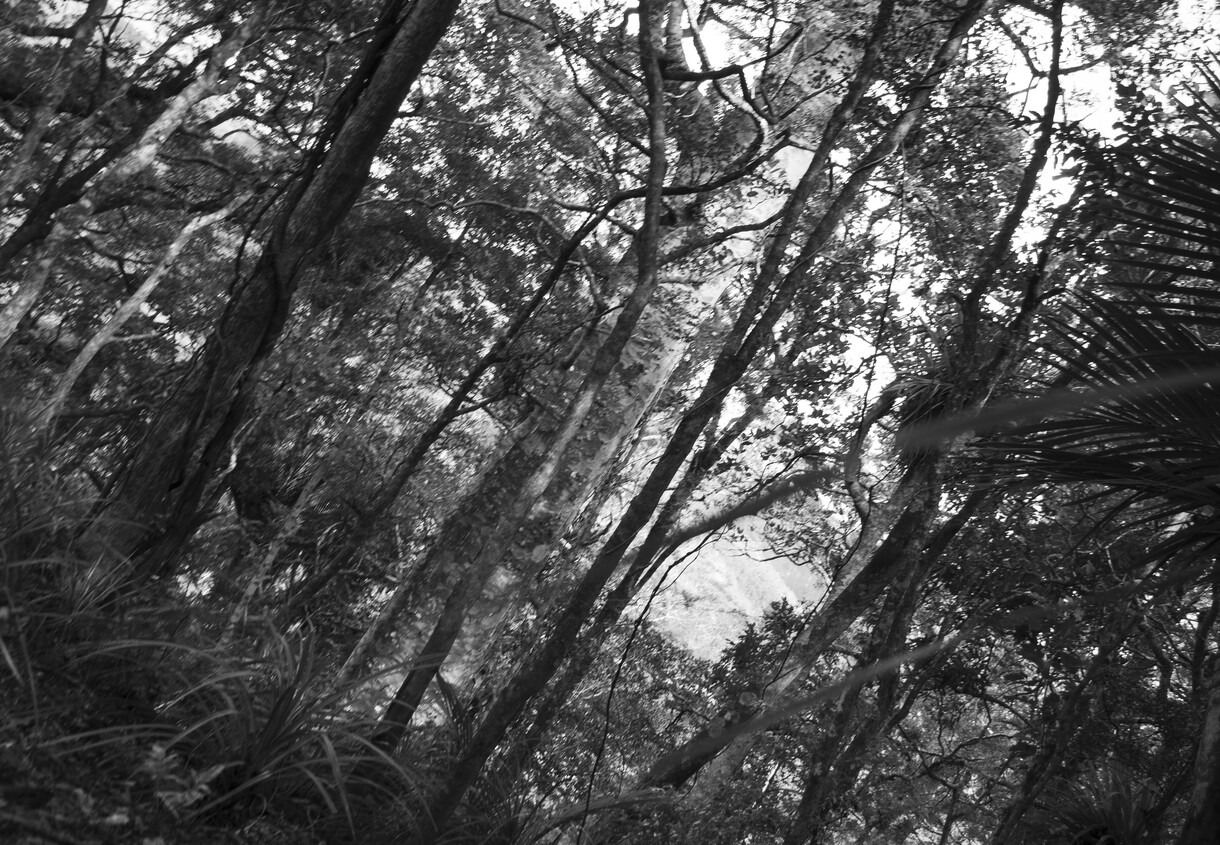
Ōmutu
10 December
5.45am. Two starlings in Stacey’s unblooming pōhutukawa. A tūī guns past the window in the direction of the sea. Wednesday’s freight train rumbles north leaving a tail of sound. Dear Ana. The building inspector came on Monday. We should know by tomorrow or Friday at the latest. If my house goes unconditional I’ll finally be able to breathe again and eat. I’m sorry I haven’t been able to focus on the kauri yet.
My Favourite
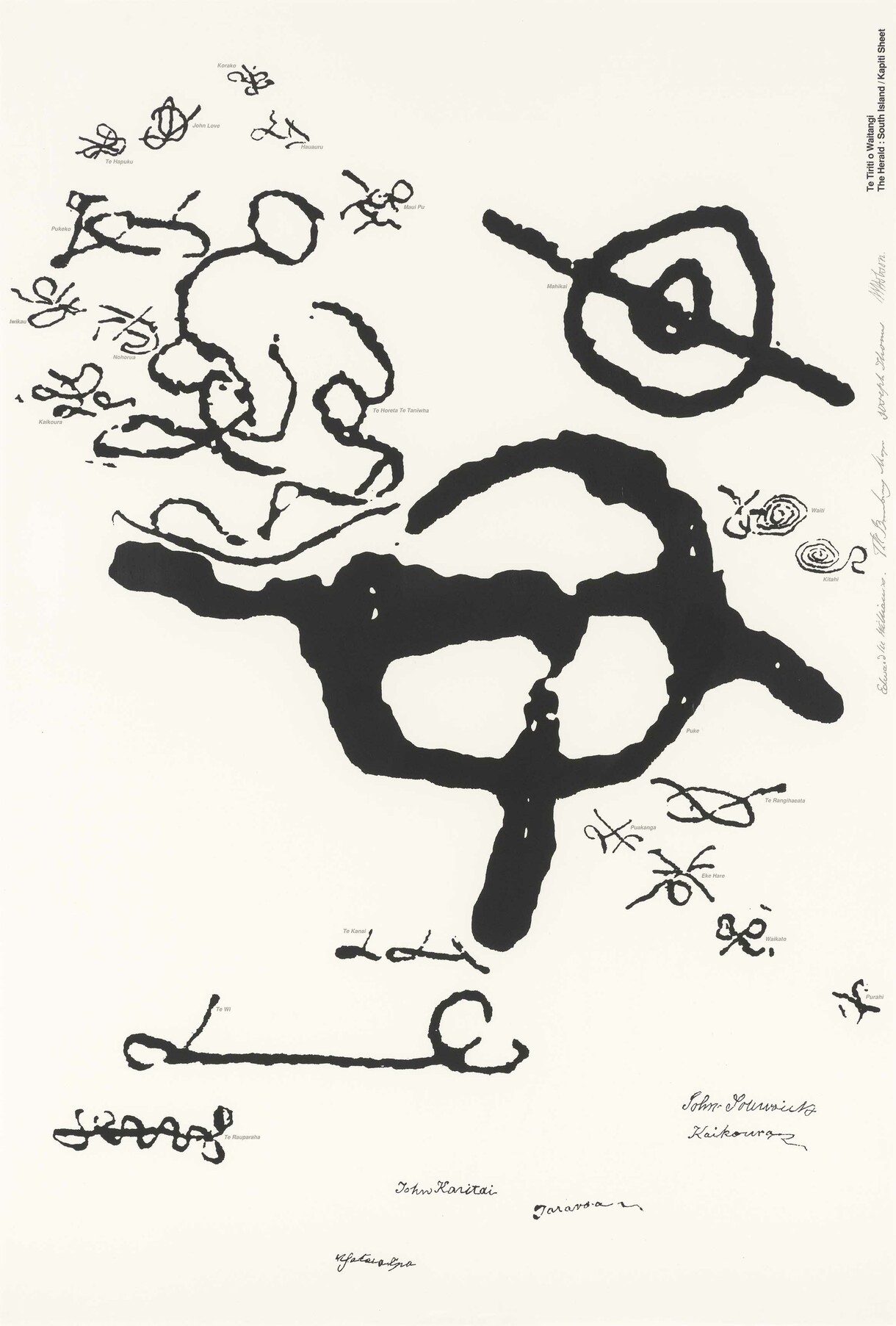
Max Hailstone: Te Tiriti o Waitangi: The Herald, South Island/Kapiti Sheet
I have a complicated love/hate relationship with Max Hailstone’s ‘Treaty Posters’. I was a student of Max’s very shortly after he completed this suite of screenprints in 1990 for the 150th anniversary of the signing of te Tiriti o Waitangi. I remember seeing the prints lurking around the design studios but also knew that our art history lecturer Jonathan Mane-Wheoki (Ngāpuhi ki Hokianga, Te Aupouri, Ngāti Kuri) had stepped in at the last minute and organised a tapu-lifting ceremony at the Ilam School of Fine Arts to alleviate some of the controversy around the project.
Interview
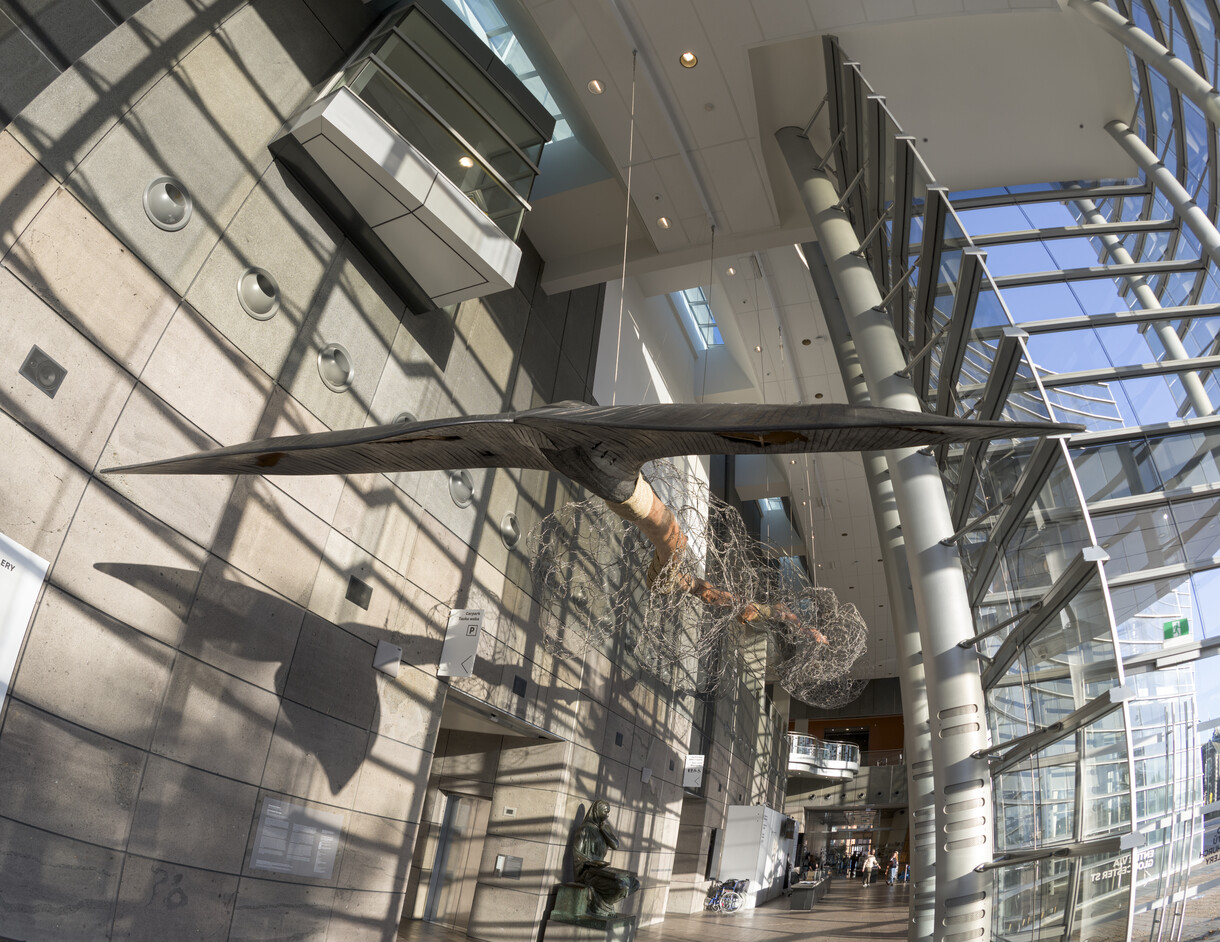
Ko Te Kihikihi Taku Ingoa
Chloe Cull: Tēnā koe Whāea, thank you for making time when I know how busy you are. We’re here to talk about your work – Ko te Kihikihi Taku Ingoa – currently installed in our foyer at Te Puna o Waiwhetū Christchurch Art Gallery. Ko te Kihikihi Taku Ingoa has come here to Ōtautahi from Ngāmotu New Plymouth in Taranaki, where it was first commissioned by the Govett-Brewster Art Gallery. It also brings with it kōrero from Aotea Great Barrier Island, where you’re from. Let’s start with Taranaki – can you talk about the specific history from there that this work responds to?
Commentary
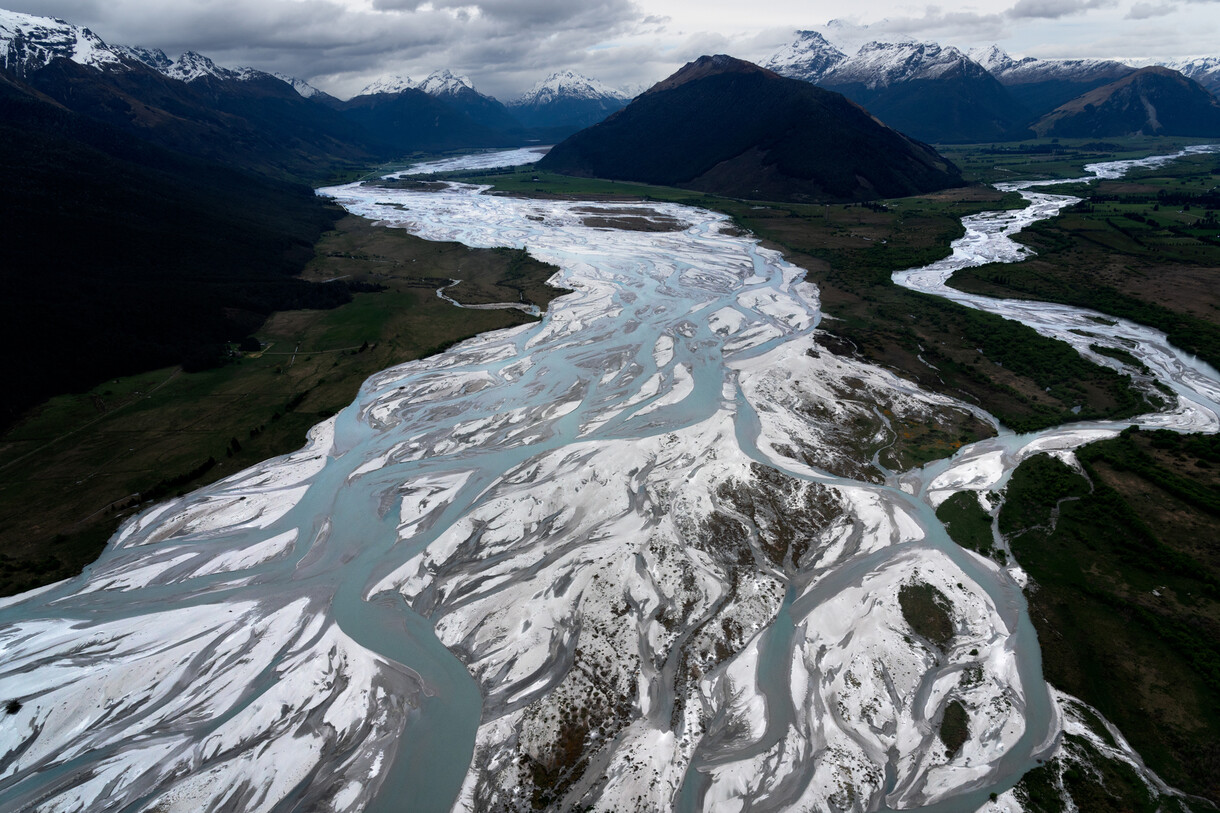
Unutai e! Unutai e!
Unutai e! Unutai e!
Ko te wai anake, te au e riporipo ana ki mea roto, ki mea awa, ki te nuku o te whenua?
Aue taukuri e!
Pupū ake a Muriwai Ōwhata i a roimata He manawa piako te Papa ā-Kura o Takaroa
Waimate haere ana te waiora Kai hea rā taku ika e?
Kai hea rā te oraka mō taku iwi e!
What has transpired?
Only the rippling waters of this lake and of that river can be heard flowing across the land
Muriwai Ōwhata is over-flowing with tears
The great hīnaki of Māui, Te Papa ā-Kura o Takaroa, is like a hollow and empty heart
The life-giving waters are turning brackish and undrinkable
Where have our fresh water fish species gone?
Where are our people able to thrive?
My Favourite
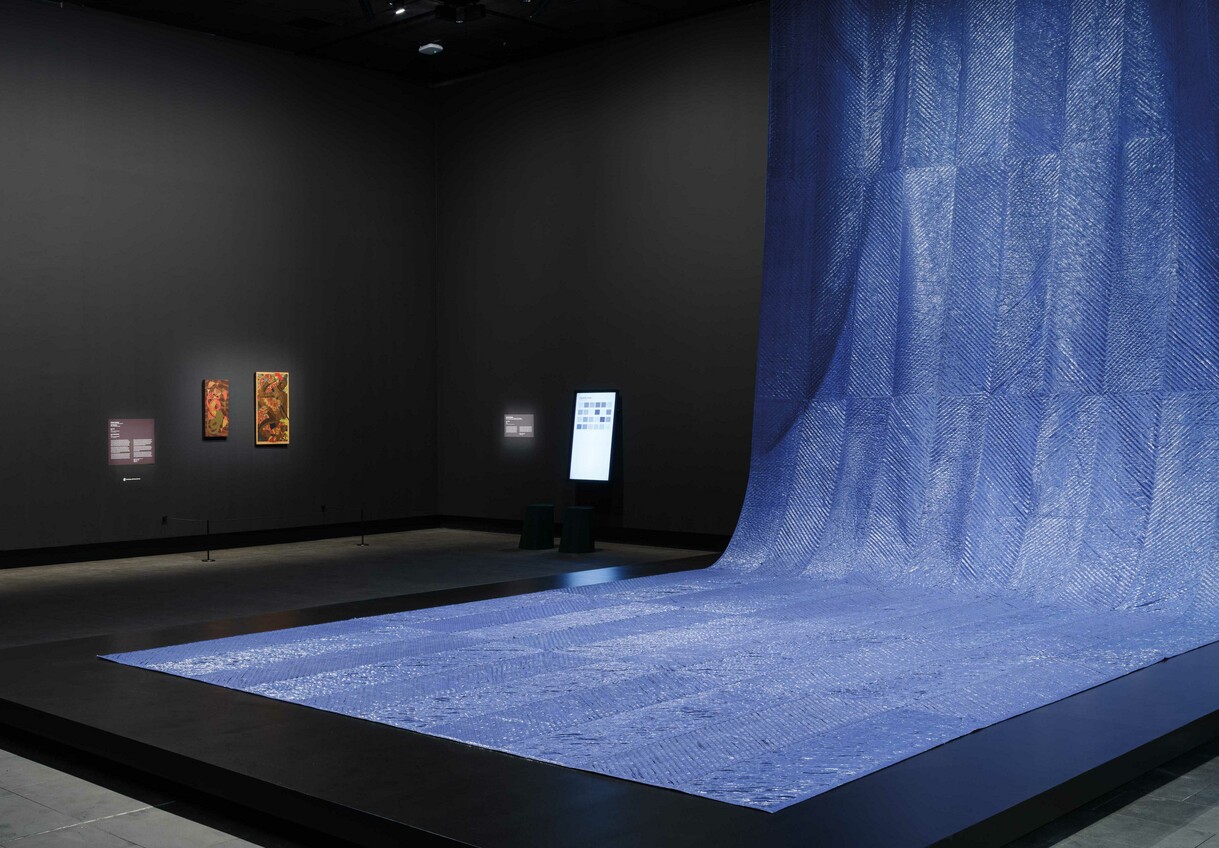
Mataaho Collective: Kiko Moana
As we enter the Whāia te Taniwha exhibition, I gasp audibly, struck by a wave of nostalgia as I take in Mataaho Collective’s work, Kiko Moana. Like our rivers that flow from the mountains to the sea, the deep blue work cascades from its elevated position and rushes toward me in full glory. Ki uta ki tai. From the mountains, to the rivers, to the sea. It demands attention and respect.
Artist Profile
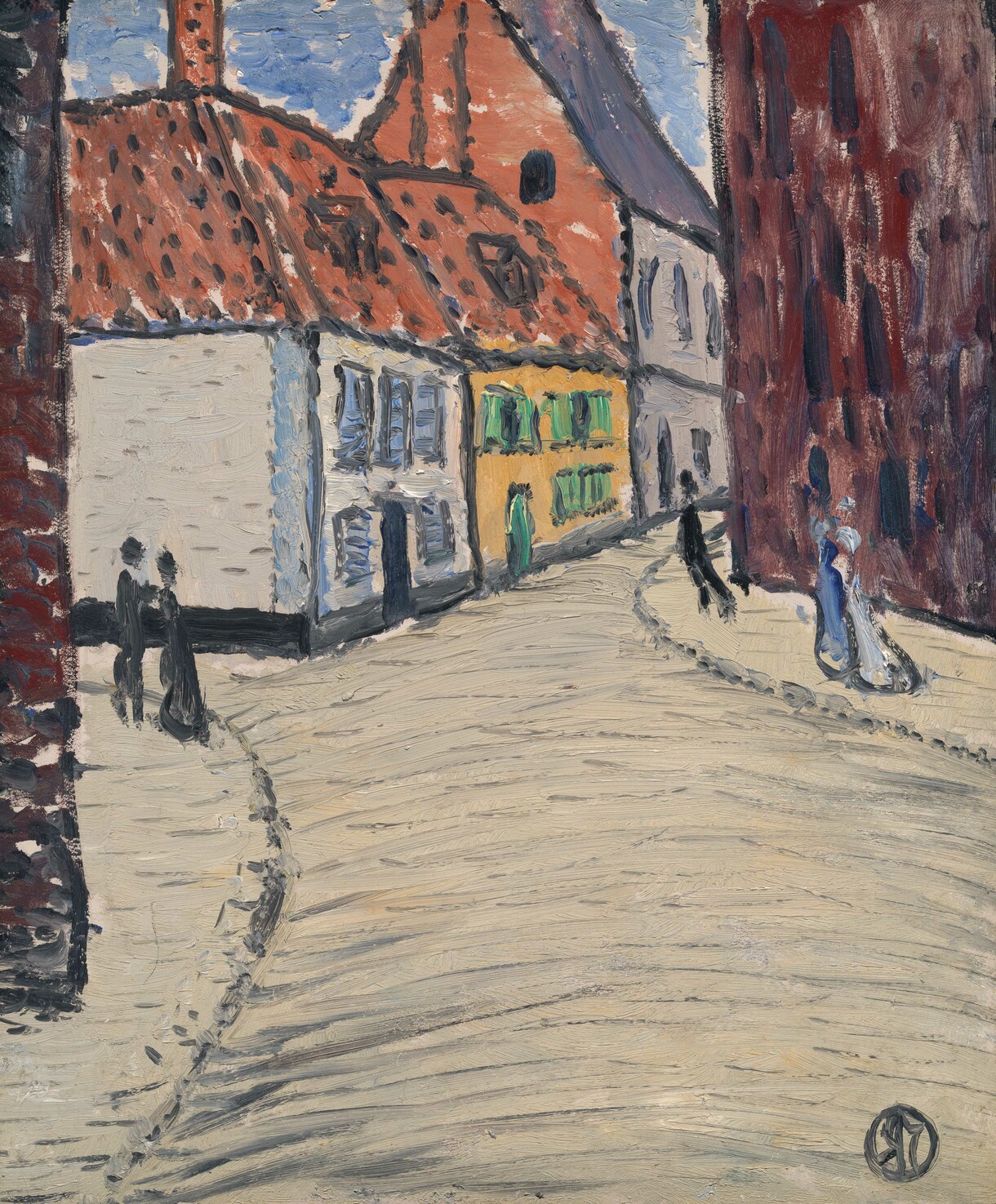
Raymond McIntyre
It’s been too long a time between exhibitions for expatriate Waitaha Canterbury artist Raymond McIntyre (1879–1933) here at the Gallery. Although his work is regularly included in group exhibitions, the last focused survey was forty years ago when Raymond McIntyre toured to the Robert McDougall Art Gallery. Maybe a few of our readers remember this exhibition, but it feels like time he was introduced to a new audience.
Interview
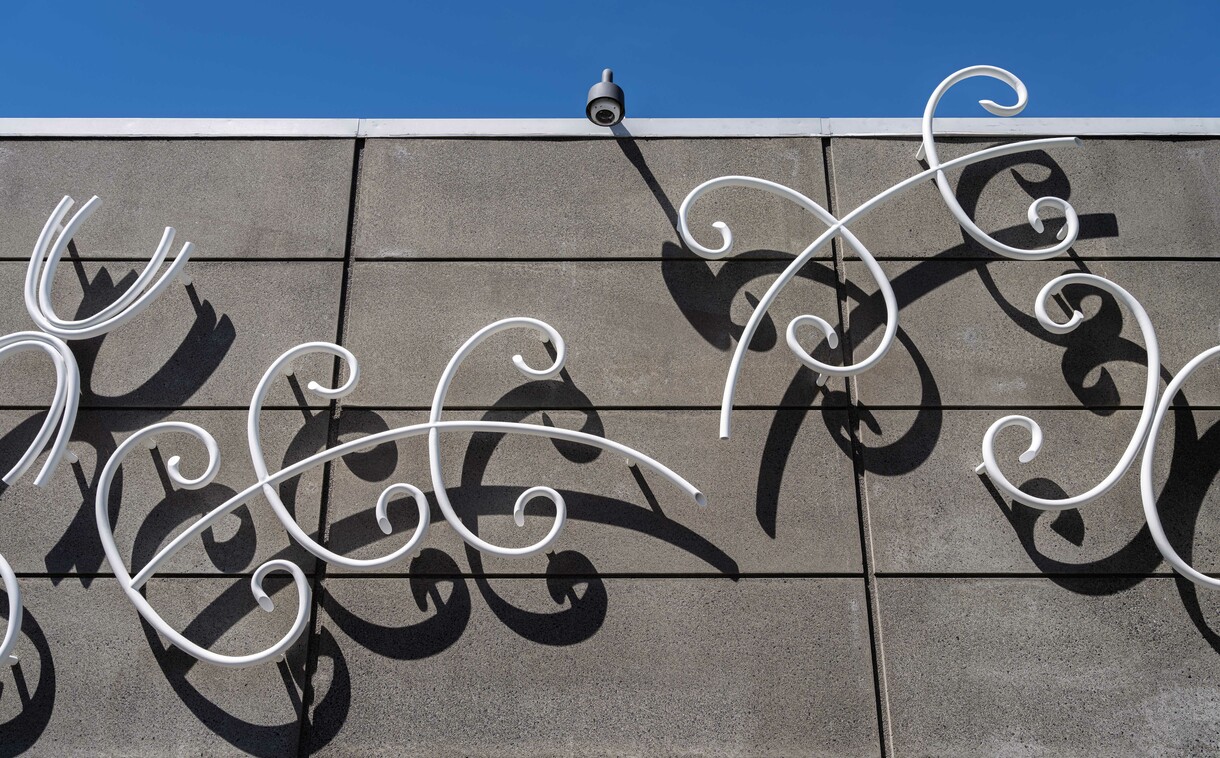
Te Mauri o te Puna Springs Into Life
For more than fifteen years, the Gallery has been commissioning artists to respond to the unique challenges posed by ‘the bunker’ – the brutalist underground carpark entrance on our forecourt. For our current project, we invited Kāi Tahu artist Areta Wilkinson to create a work that could be displayed for five years. Lead curator Felicity Milburn recently spoke with Areta about Te Mauri o te Puna.
Interview
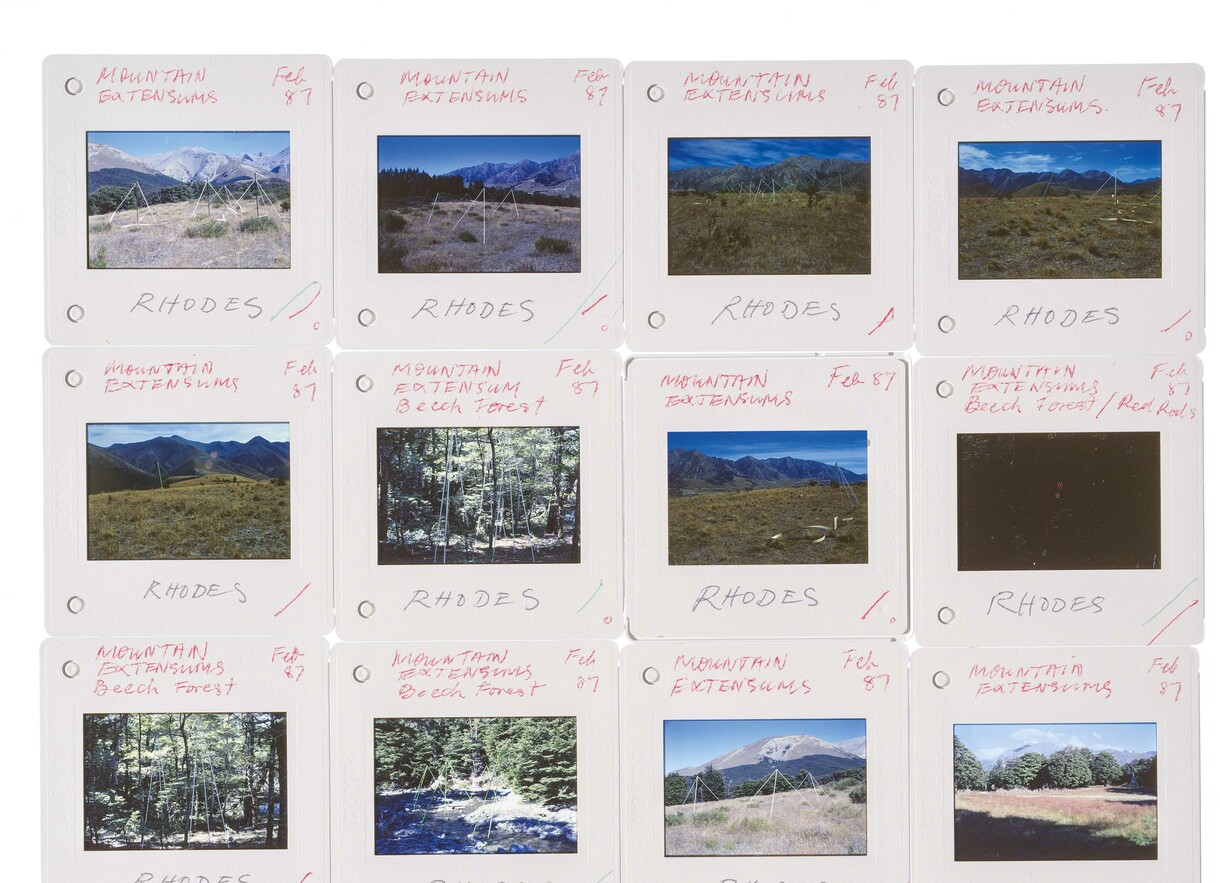
Living Archives
Archives are collections of knowledge used to tell stories about artists and history. By drawing on the legacy of art historians Jonathan Mane-Wheoki, Julie King and Karen Stevenson, Living Archives focuses on intergenerational relationships, artistic lineage and creative networks. Gallery librarian and archivist Tim Jones and curator Melanie Oliver sat down to talk about archives and art history as they prepared for this exhibition.
Interview
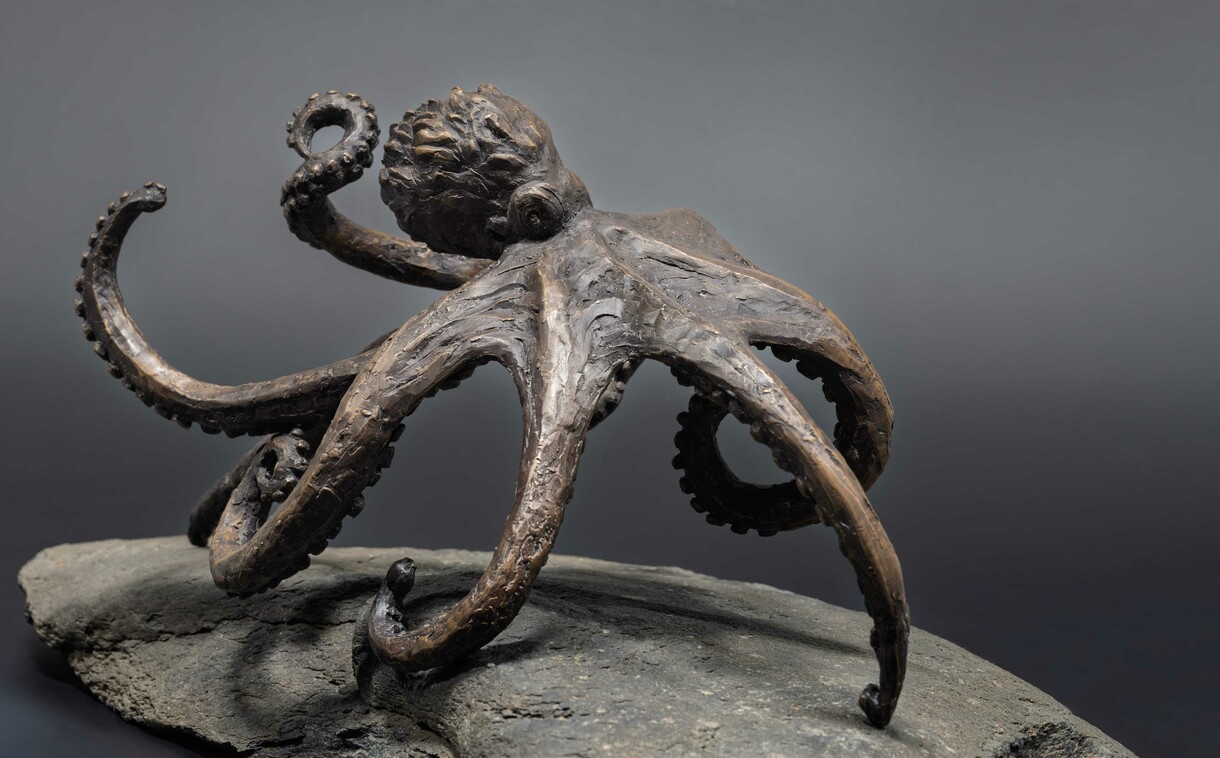
What Taniwha Might Be Telling Us
Carl Mika (Tuhourangi, Ngāti Whanaunga) is a professor and head of school at Aotahi: Māori and Indigenous Studies, Te Whare Wānanga o Waitaha University of Canterbury. His colleague Garrick Cooper (Ngāti Whanaunga, Ngāti Ranginui) is an associate professor at Aotahi.
What follows is Kirsty Dunn’s attempt to kōrero with her esteemed colleagues about references to taniwha in their mahi. This is a truncated version of an hour-long conversation in which they delve into Te Pō and talk about (or perhaps around?) taniwha a while…
Article
New Acquisition
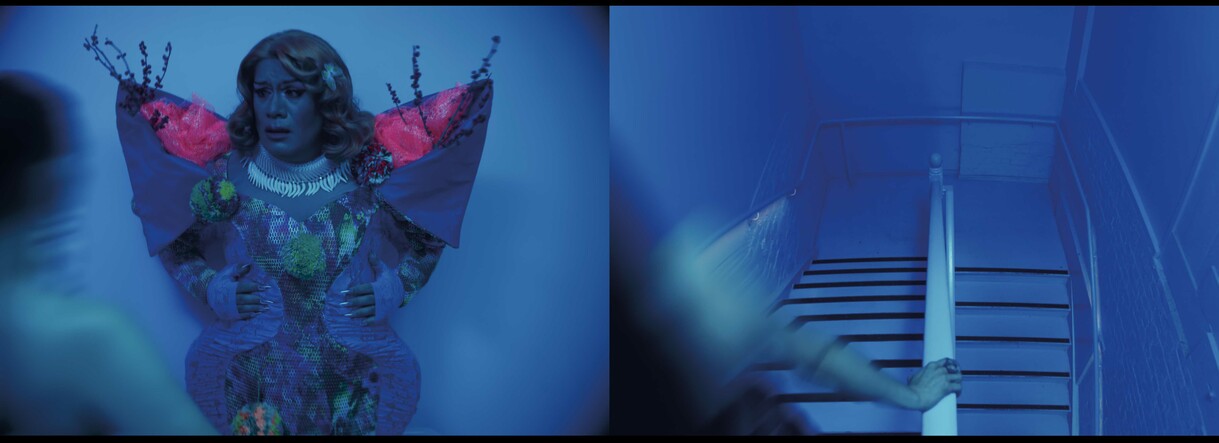
Aratohu is an extraordinary new film by artist Lisa Reihana (Ngāpuhi, Ngāti Hine, Ngāi Tūteauru, Ngāi Tūpoto). A surrealist fable told over the course of a single evening, Aratohu explores destructive influences and the potential for healing. For lead character Wairangi, a fun night out turns into a journey of self-discovery, as reality and hallucination blur and overlap. Following an encounter with Stealer, a sinister figure representing risk and temptation, Wairangi meets Aratohu, an ancestral being offering an alternative pathway, underpinned by renewed strength in her Māori identity.