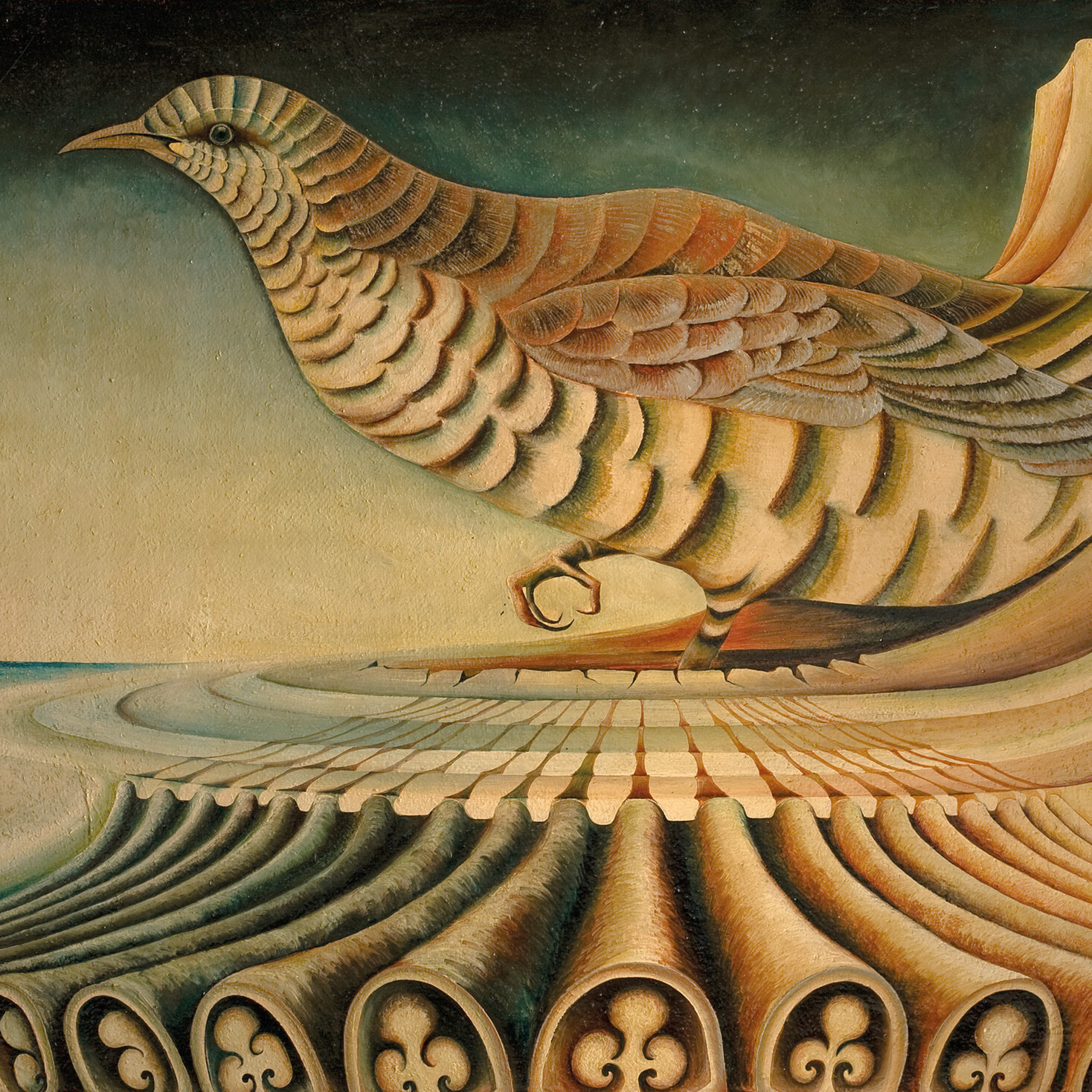
Bird Land: Te Kāhui Manu
The islands of Aotearoa New Zealand were once inhabited by birds. Shrieking, warbling, tinkling, booming. Forest, river, marsh, mountain, ocean, shore—everything charged with their mauri, life force.
Made in the Pacific: A Collection of Tāoga
A selection of Pacific tāoga from the Canterbury Museum in conversation with contemporary artworks that highlight the continued strength in culture and traditional art forms.
He Kapuka Oneone – A Handful of Soil
Exploring the relationship between tākata and whenua – people and land – through Aotearoa New Zealand’s art history.
E tuwhera ana te wharetoi i kā rā e 7 o te wiki, 10am - 5pm
Ka tuwhera ki te 9pm i kā pō Wenerei
Open 7 days, 10am - 5pm
Late night Wednesday until 9pm
Uruka utukore, ahokore utukore
Free entry, free wifi
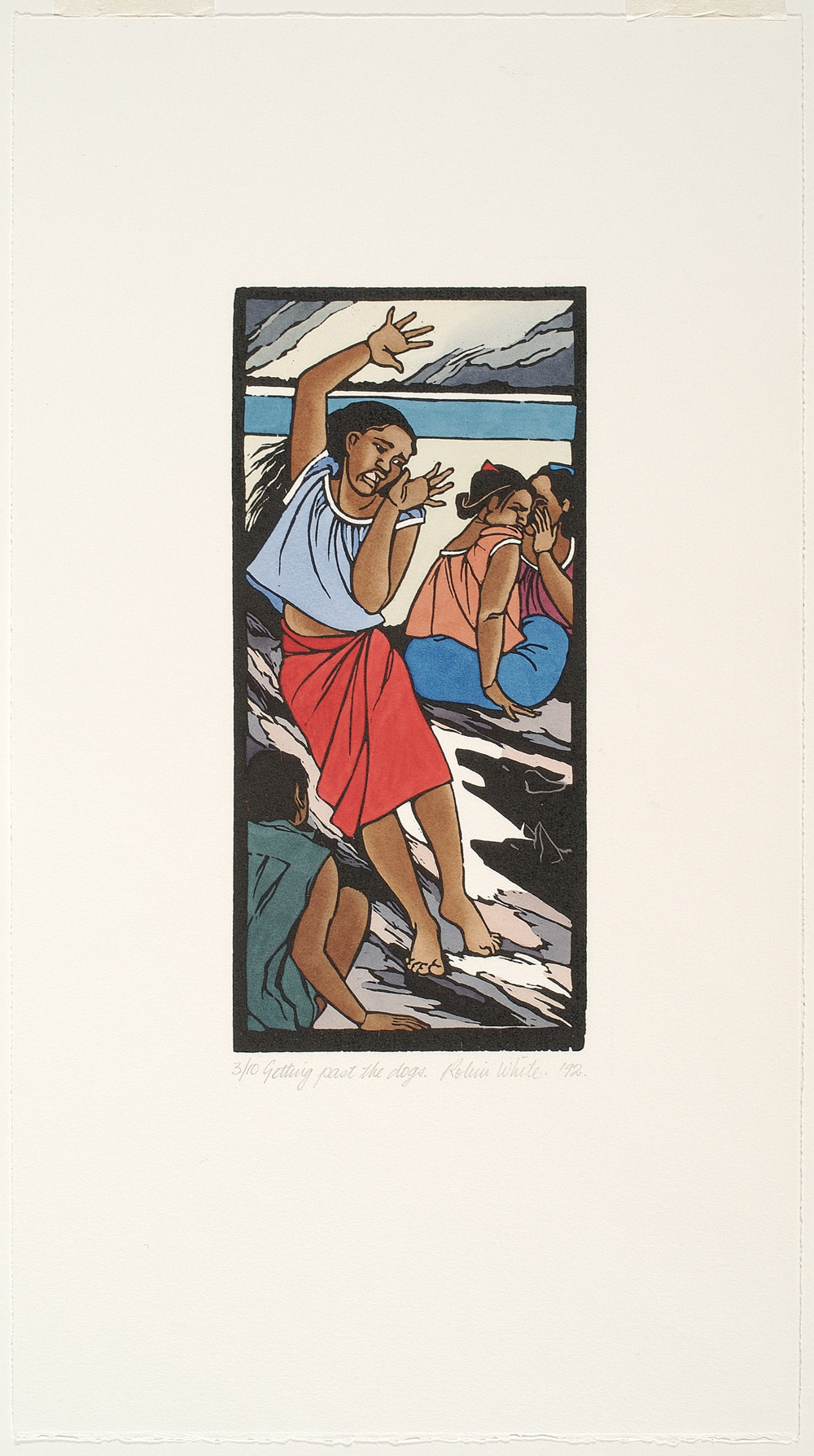
The Print Collection
If the question "what is the largest individual collection area numerically held by the Gallery?" was to be asked, the answer would have to be the Works on Paper collection, within which are 2145 original contemporary and historical prints, the earliest dating from the second half of the fifteenth century.
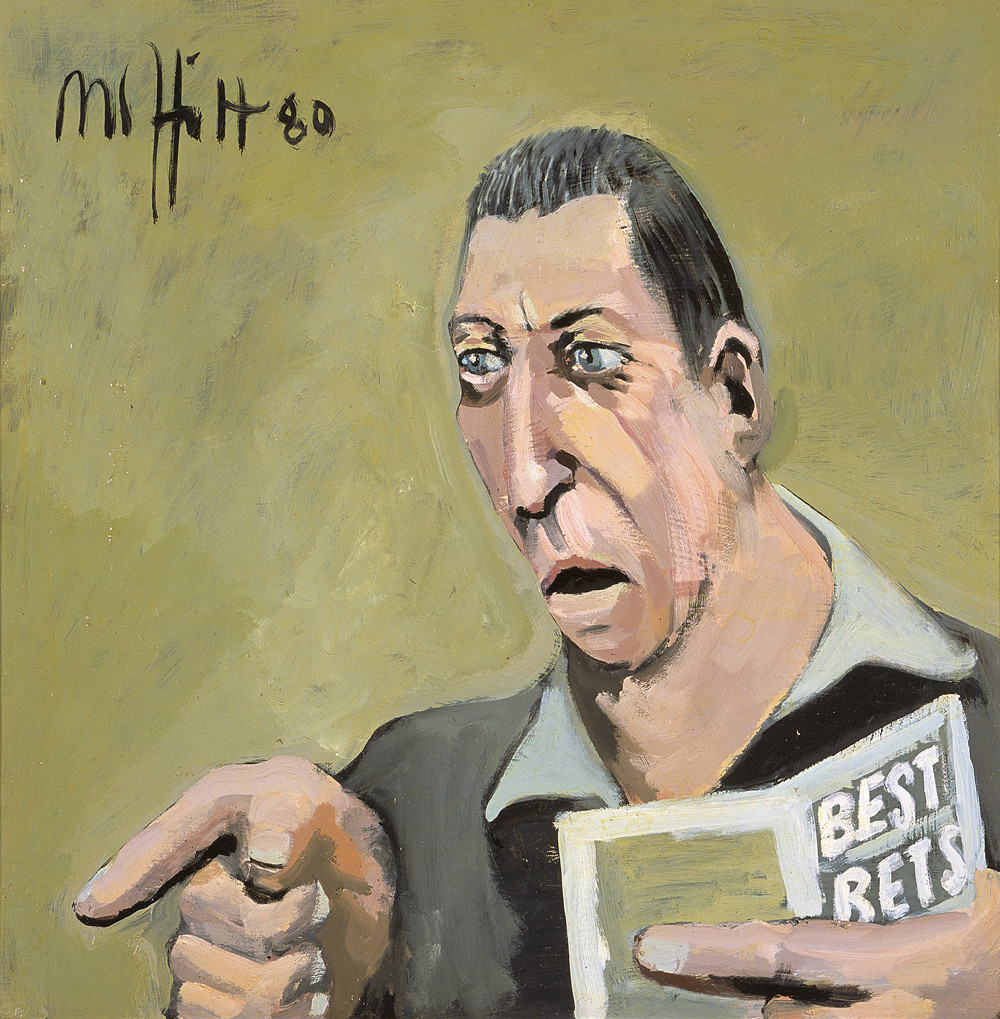
The Painting collection: Focusing on New Zealand
The initial focus of the Canterbury Society of Arts collection had been painting by both British and New Zealand living artists acquired for educational purposes. The Society did not set out to form a museum-type painting collection, although it was conscious of the need to improve the standard of the work represented.
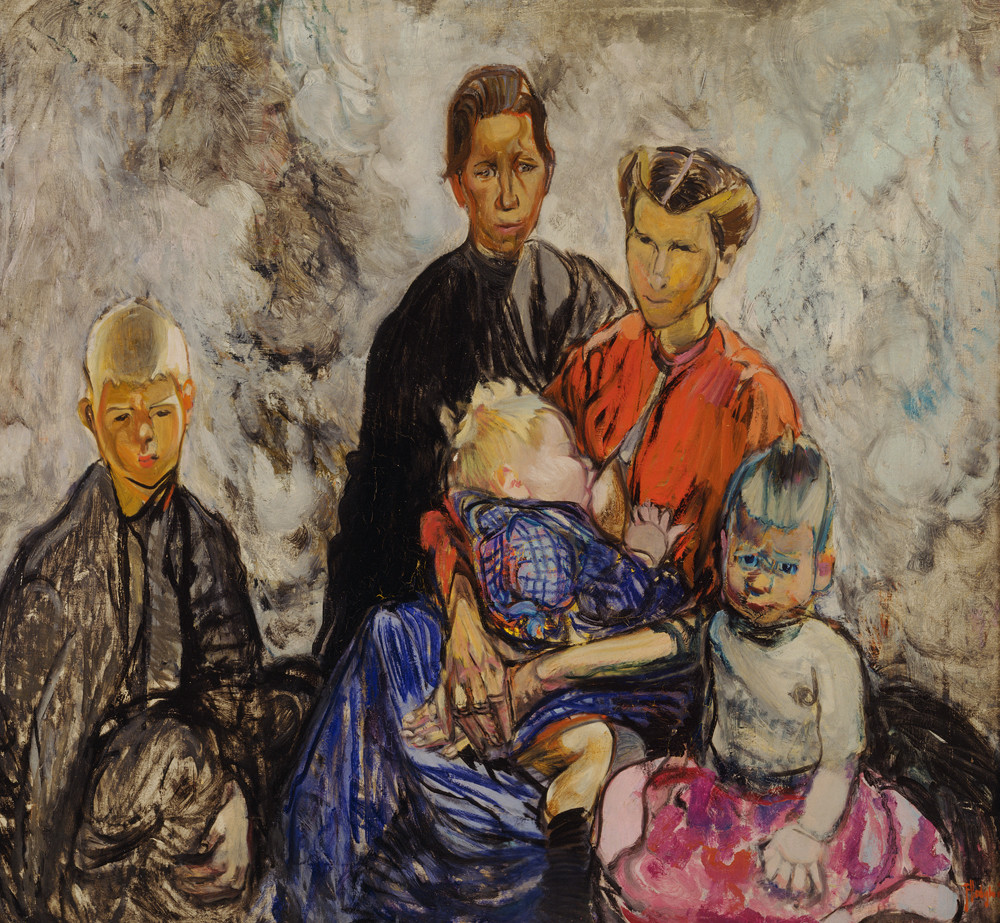
Belgian Refugees by Frances Hodgkins
This article first appeared in The Press on 28 February 2007
Belgian Refugees is one of the first oil paintings that Frances Hodgkins ever exhibited, although at the time she was already well accustomed to showing her watercolours. Working in oils and tempera on canvas, she used an experimental technique in this work that gained much from her experience with watercolour. Believed to have been first shown as Unshatterable, in October 1916 at the International Society's Autumn Exhibition in London, the choice of title would suggest a greater sense of resilience than is actually conveyed by this family group. Here only the baby is oblivious to trouble, while his nursing mother seems devoid of expression, and the older children tense with anxiety or fear. Behind the group, a gap in the swirling grey suggests the fact of a missing father, and this steam and smoke speaks of displacement, the atmospheric backdrop of a train station or the symbolic clouds of war. Within the wall of monochrome, intense colour is reserved for mother and child, who also remind of one of Hodgkins' favourite early choices of subject matter in watercolour.
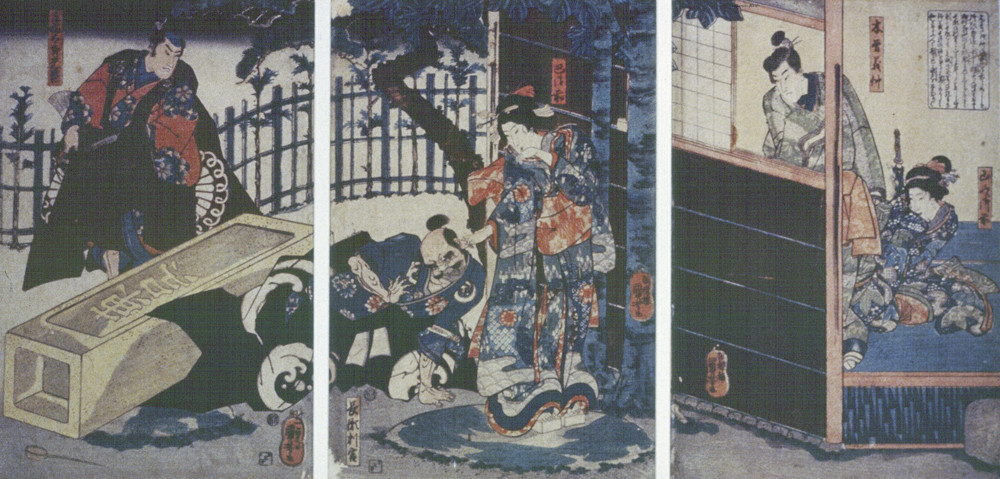
Tomoe Gozen pulling the ear of Nagase Hangan in the presence of Tezuka Tarô Mitsumori, Kiso Yoshina
This article first appeared in The Press on 1 November 2006
Standing beneath a leafy bough, and immaculately attired in swathes of red and blue, a petite Japanese woman looks down, bends - and does a surprising thing. Beneath her, and apparently at her mercy, is a traditional samurai warrior, a large and muscular man. The woman, however, pinches the lobe of his ear and inflicts excruciating pain. It is a curious scene. As an ‘ukiyo-e' woodblock print, it is the central panel of a triptych by Utagawa Kuniyoshi (1798-1861).
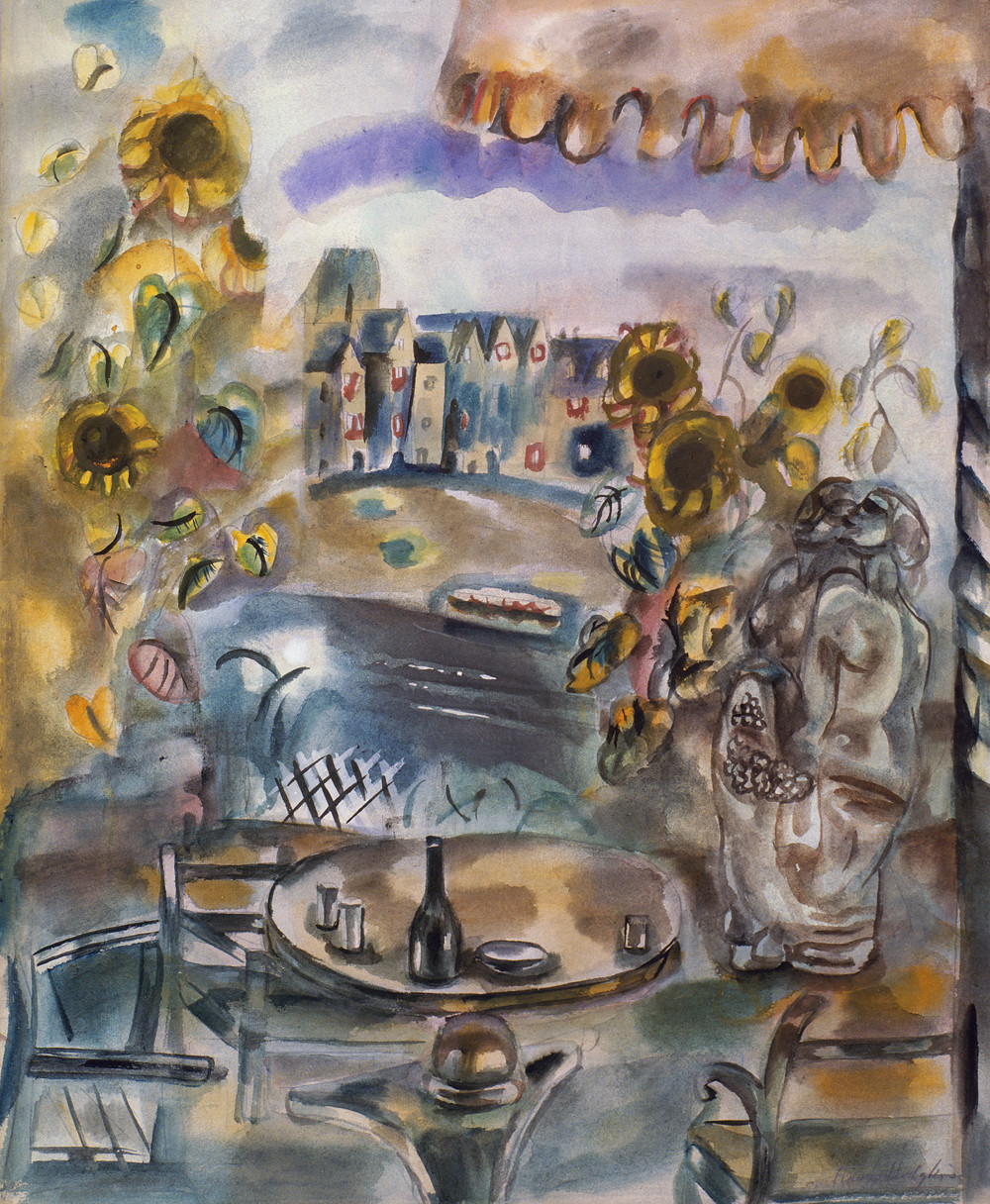
The Watercolour Collection
The Gallery's Watercolour Collection had modest beginnings, but over the past 70 years it has grown steadily by gift and purchase and, of all the Collections, still maintains a largely traditional emphasis. When the Gallery opened in June 1932, just 28 of the 128 paintings on display were watercolours and, of these, 11 were by British artists and 17 by New Zealanders. Among the mostly nineteenth century British watercolours were those by Helen Allingham, Edgar Bundy, Matthew Hale, Laura Knight, William Lee Hankey and Ernest Waterlow. In contrast, the New Zealand watercolours were by mostly contemporary or early twentieth century artists and included works by James Cook, Olivia Spencer Bower, Margaret Stoddart, Maude Sherwood, Eleanor Hughes and Alfred Walsh. The foundation Watercolour Collection included two paintings of larger than usual dimensions. William Lee Hankey's We've been in the Meadows all day (1184 x 878mm) and Charles N. Worsley's Mount Sefton (996 x 1105mm) are still greater in scale than any other work in the Watercolour Collection.
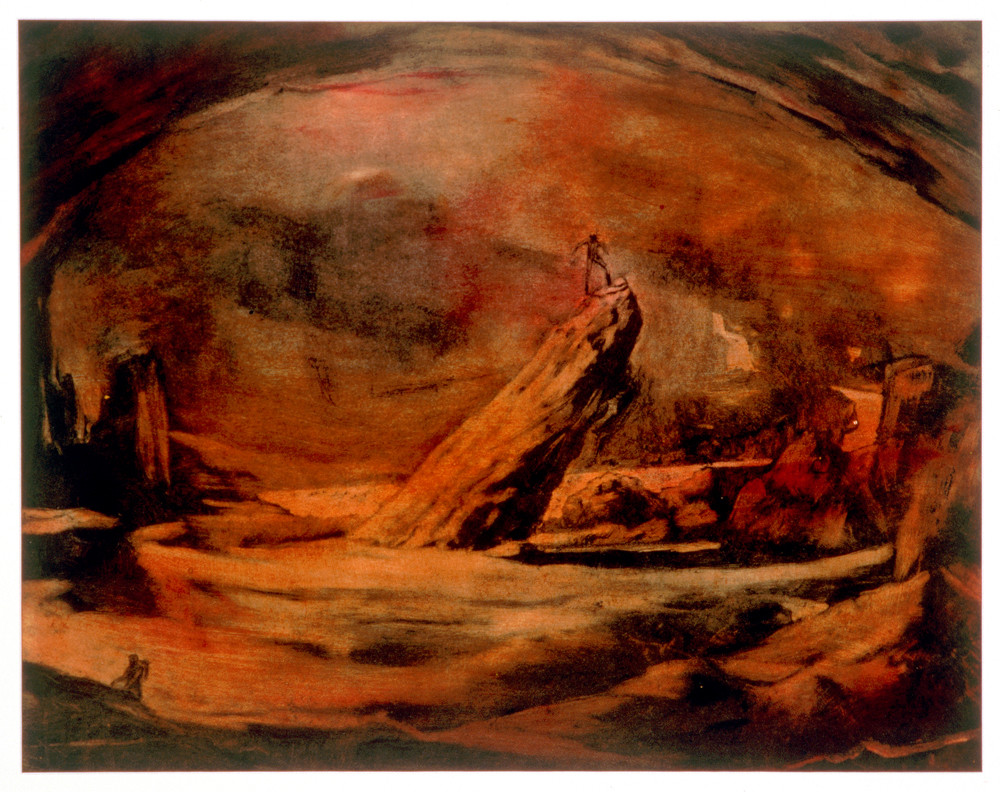
Vulcan Paradise by Jason Greig
This article first appeared in The Press on 5 April 2006
One of New Zealand's most significant contemporary printmakers, Jason Greig studied under Barry Cleavin and Denise Copland at the University of Canterbury School of Fine Arts during the early 1980s and graduated with Honours in Engraving. Throughout the 1980s and early 1990s Greig favoured more technically challenging printmaking processes such as etching and lithography as opposed to the less complicated medium of the monoprint. It is the monoprint however that he has worked with almost exclusively over the past thirteen years.
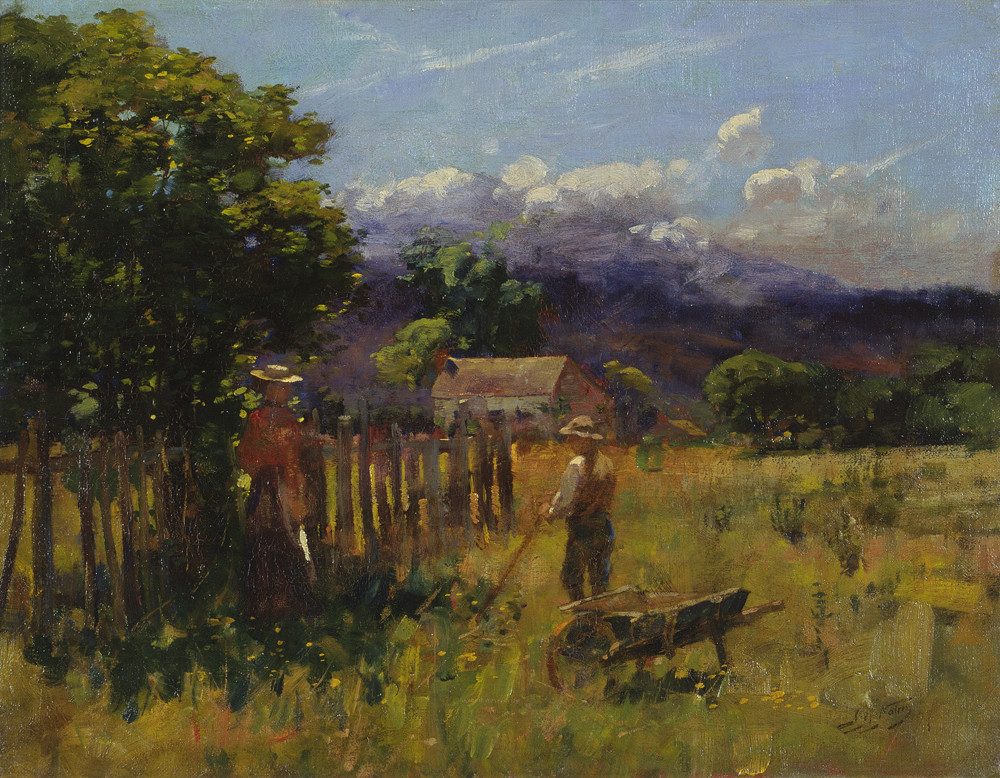
A Summer Idyll by James Nairn
This article first appeared in The Press on 1 March 2006
The arrival of the Scottish artist James Nairn in New Zealand in 1890 is viewed by many as an important event in the history of New Zealand's art history. Nairn brought with him methods and approaches to art which provided fresh and vibrant perspectives to the established, conservative academic styles which had come to dominate New Zealand art throughout the mid to late 19th century.
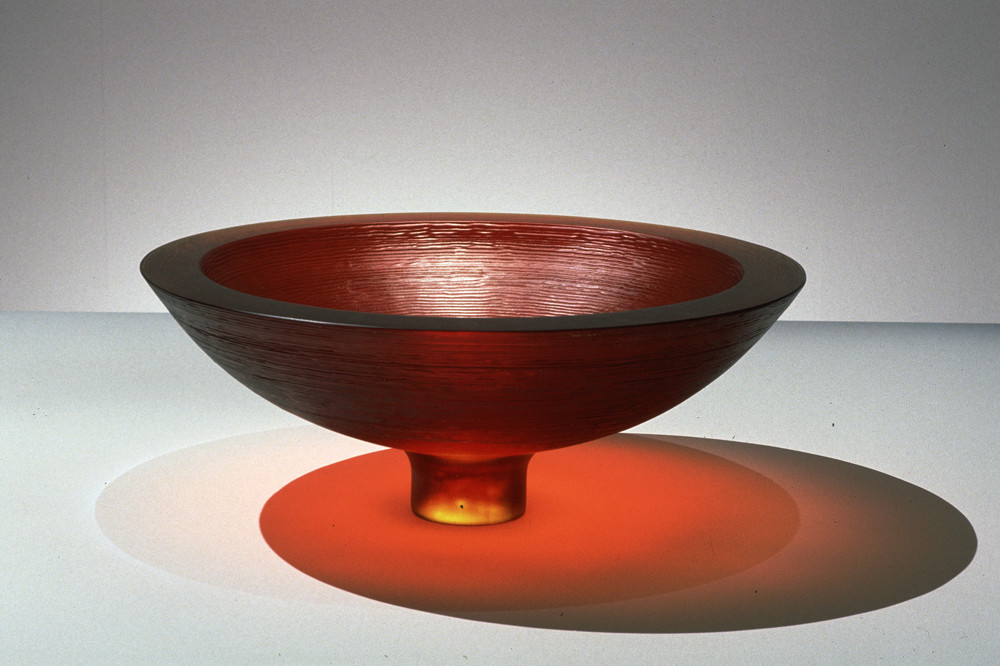
Captured Light The Glass Collection
From the intense luminosity and poignant evocation of traditional stained glass windows to the vivid colours, spectacular forms and mesmerizing surface textures achieved by many contemporary artists, glass is a rewarding medium for both creator and viewer. Currently numbering only twenty one items, the Gallery's glass holdings make up the smallest of the Collections, but range from historically important commemorative windows to contemporary pieces by some of New Zealand's most significant practitioners, who have consistently renegotiated the rules and boundaries of their chosen genre.
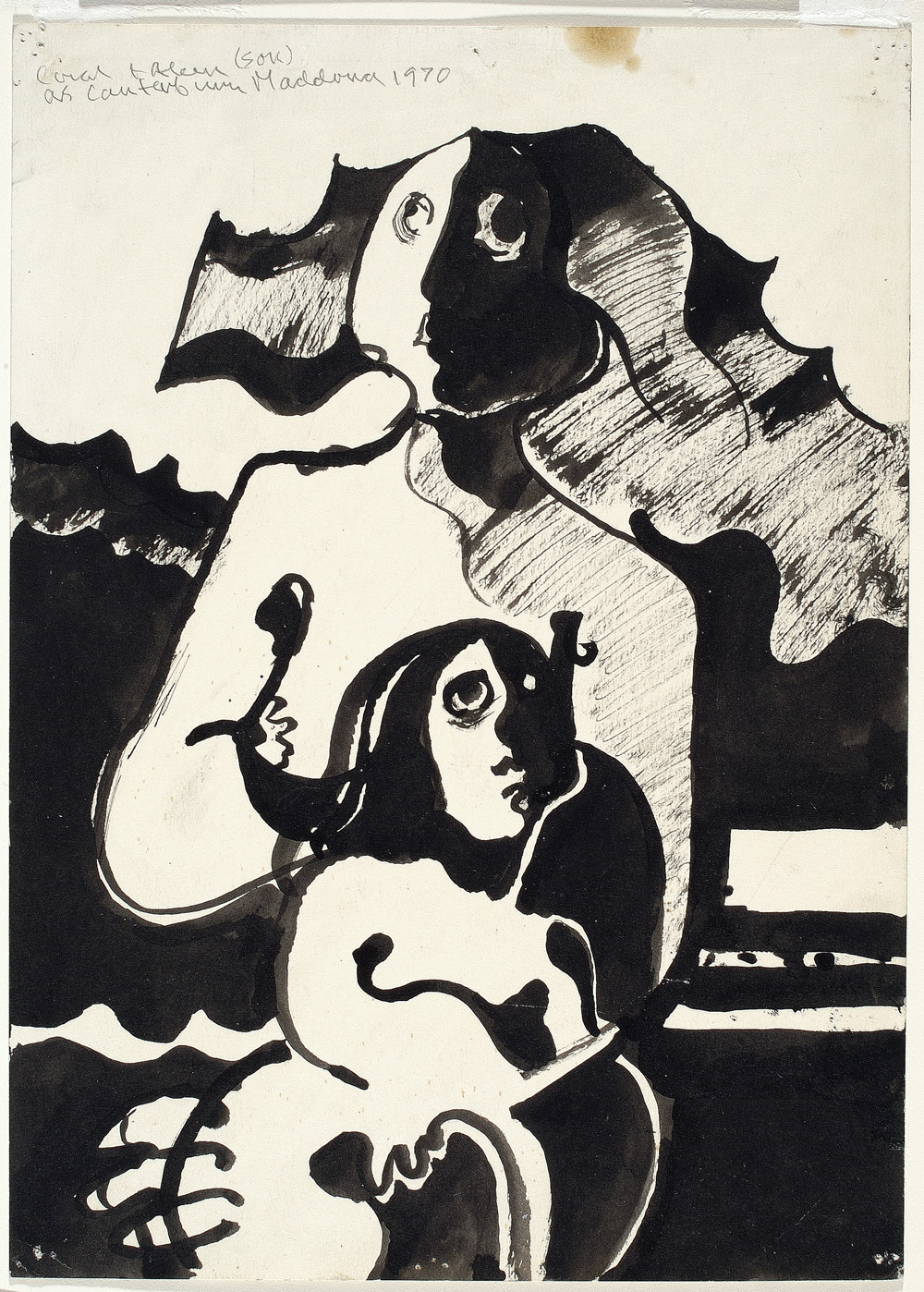
The Drawing Collection
Christchurch Art Gallery Te Puna o Waiwhetū's Drawing Collection significantly expanded in the late 1970s, when a conscious effort was made to purchase works on paper from the varied disciplines of drawing. Prior to this, drawings came into the Gallery Collection via gifts or bequests, such as three illustrations by British/French artist George Du Maurier, gifted in 1934 by the Trustees of the artist.