Collection
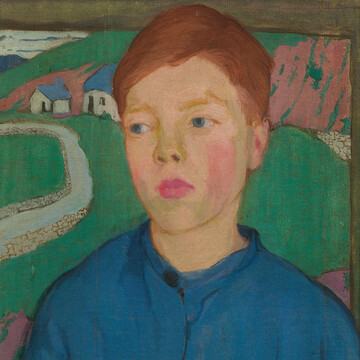
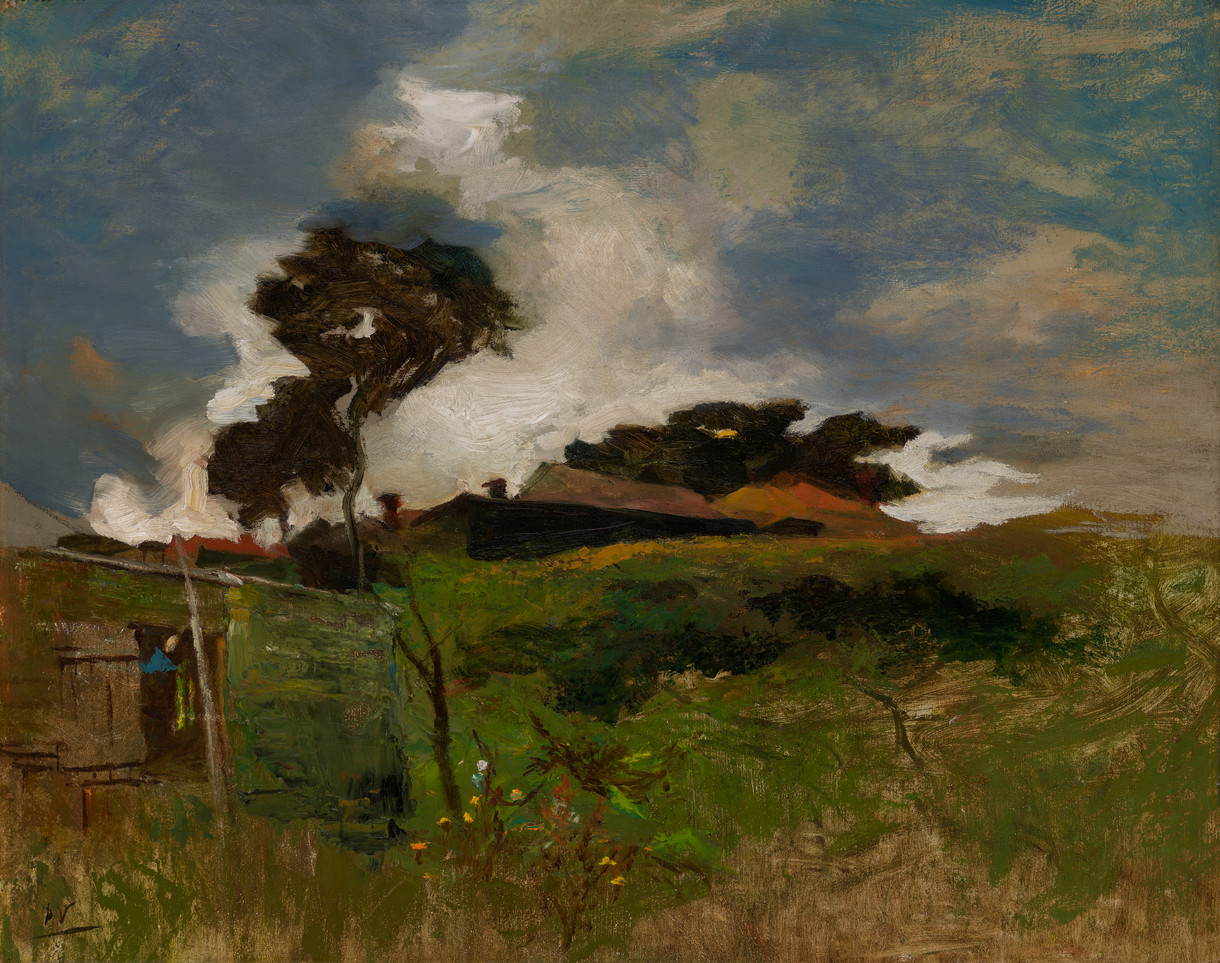
Clouded Bay

Vivian Lynn Clouded Bay

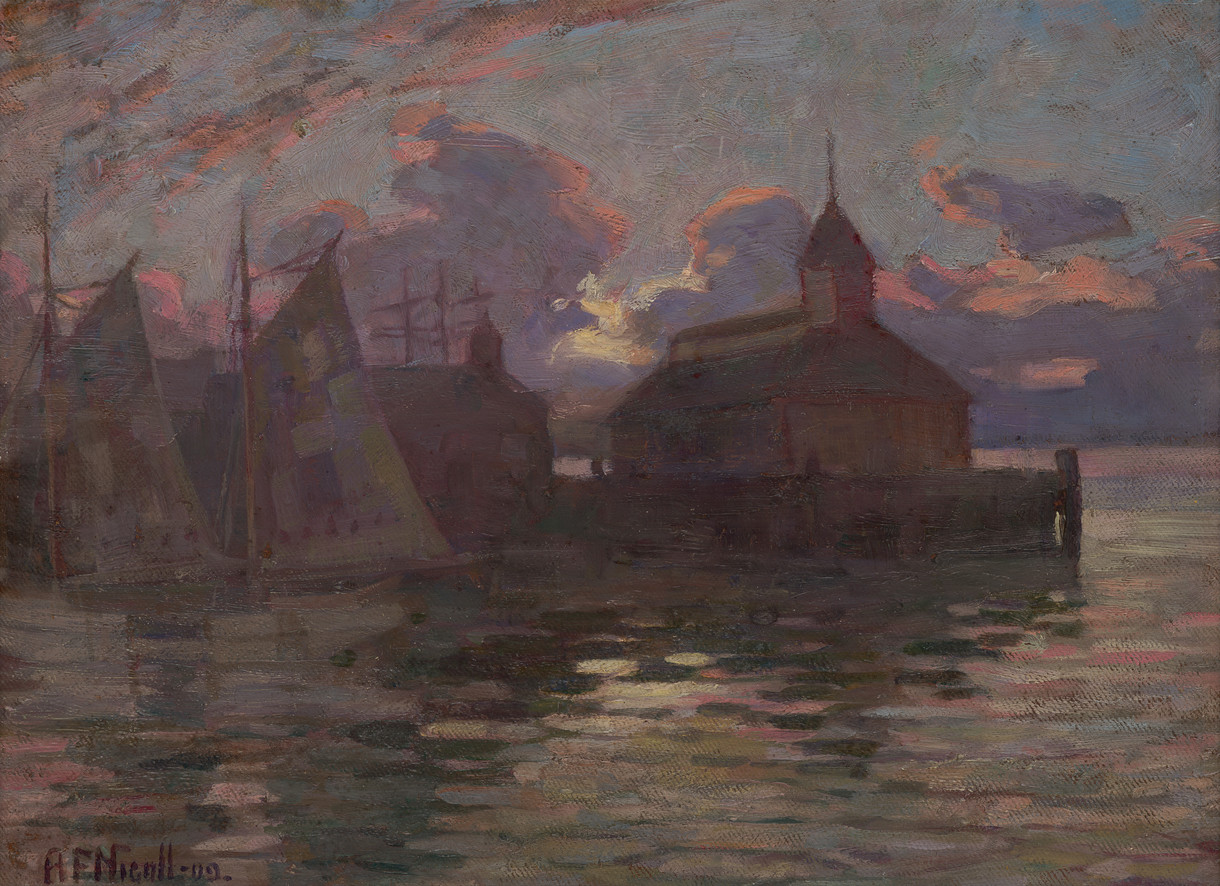
By the early 1960s, Wellington-born Vivian Lynn was gaining attention for her abstracted landscapes, painted in a distinctive, modern style. Her compositions were often based on coastlands, clouds or her immediate environment in south Canterbury, sometimes aerial views generated from flights in her husband’s glider. By the late 1960s, Lynn was moving towards a more conceptual, mixed media practice. She is now remembered as a pioneer of feminist art practice in Aotearoa New Zealand.

(Te Wheke, 2020)

Director's Foreword
Director's Foreword

Director's Foreword

However cold or wet it is as I write this (and certainly it’s raining at present), our September Bulletin heralds the coming of spring, and with it, the promise of growth, renewal and hope.

Commentary
Laurence Aberhart

Laurence Aberhart

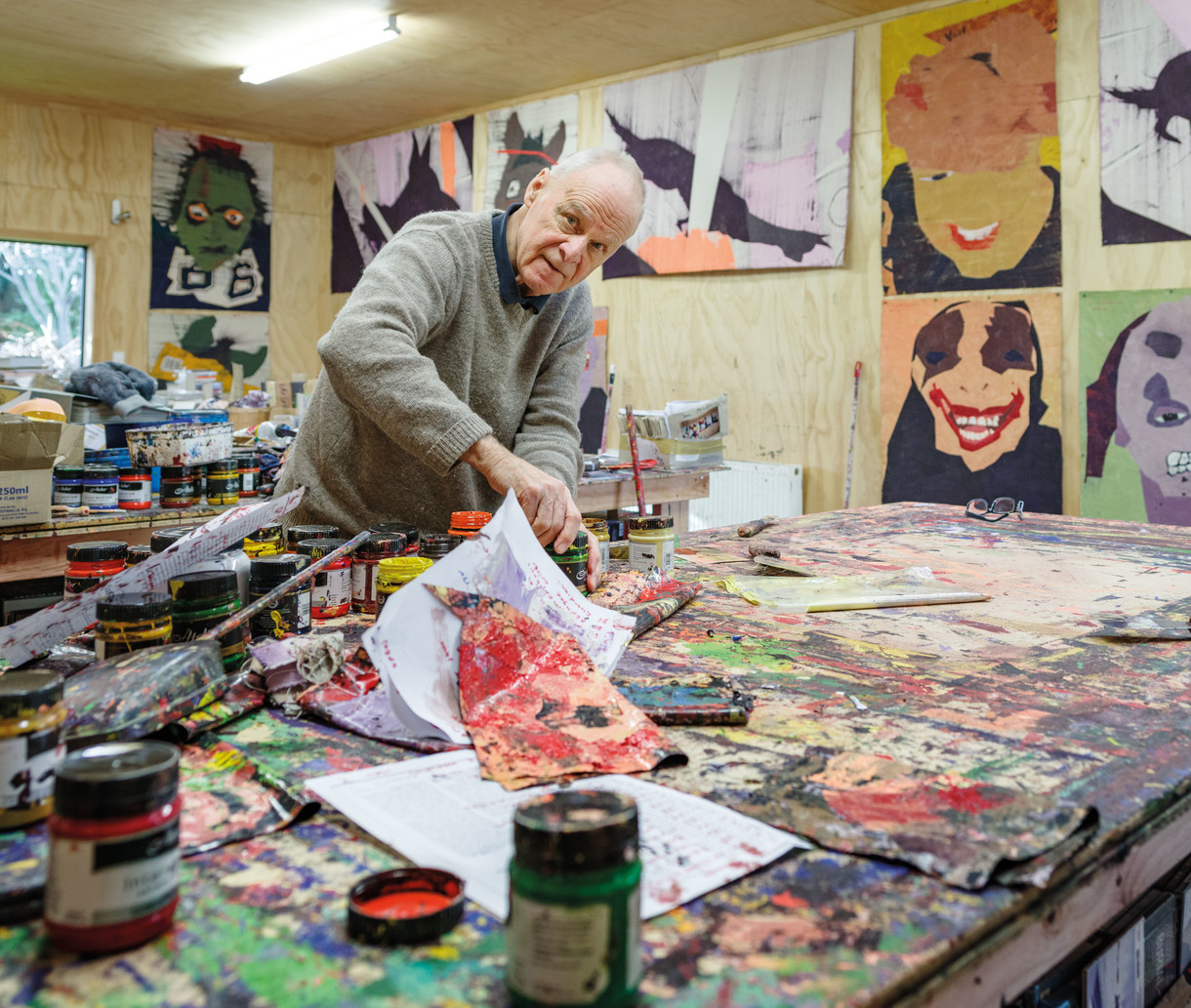
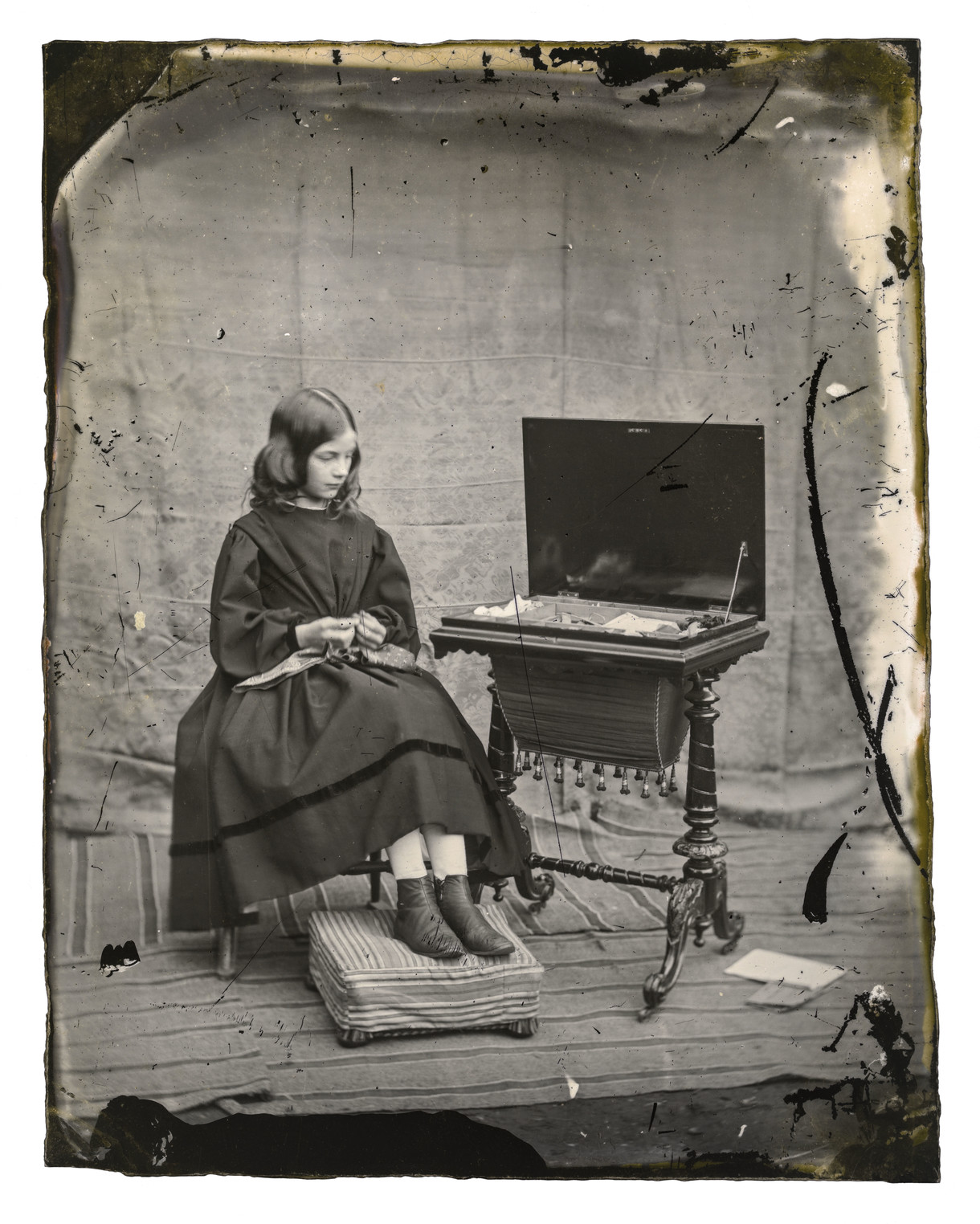
New Zealand artist Laurence Aberhart is internationally regarded for his photographs of unpeopled landscapes and interiors. He photographs places redolent with the weight of time, which he captures with his century-old large-format camera and careful framing. But he’s always taken more spontaneous photographs of people too, particularly in the years he lived in Christchurch and Lyttelton (1975–83) when he photographed his young family, his friends and occasionally groups of strangers. ‘If I lived in a city again,’ he says, ‘I would photograph people. One of the issues is that I even find it difficult to ask people whether I can photograph a building, so to ask to photograph them – I’m very reticent. I also know that after a number of minutes of waiting for me to set cameras up and take exposure readings and so on, people can get rather annoyed. So it’s not a conscious thing, it’s more just an accident of the way I photograph.’

Commentary
See Italy and Die

See Italy and Die

‘A man who has not been to Italy is always conscious of an inferiority, from his not having seen what it is expected a man should see.’
Samuel Johnson, 1776

As every traveller knows, there is something obsessive about setting out on a journey: the preparatory work of consulting guides, the organisation of itineraries, the accommodation pre-booked, bags packed with essentials, provisions for the journey assembled. This essay explores the metaphor of a journey, with the particular Italian twist that informs the work of the artists gathered together in the exhibition The Weight of Sunlight.

Artist Profile
Len Lye's Learning Curve

Len Lye's Learning Curve

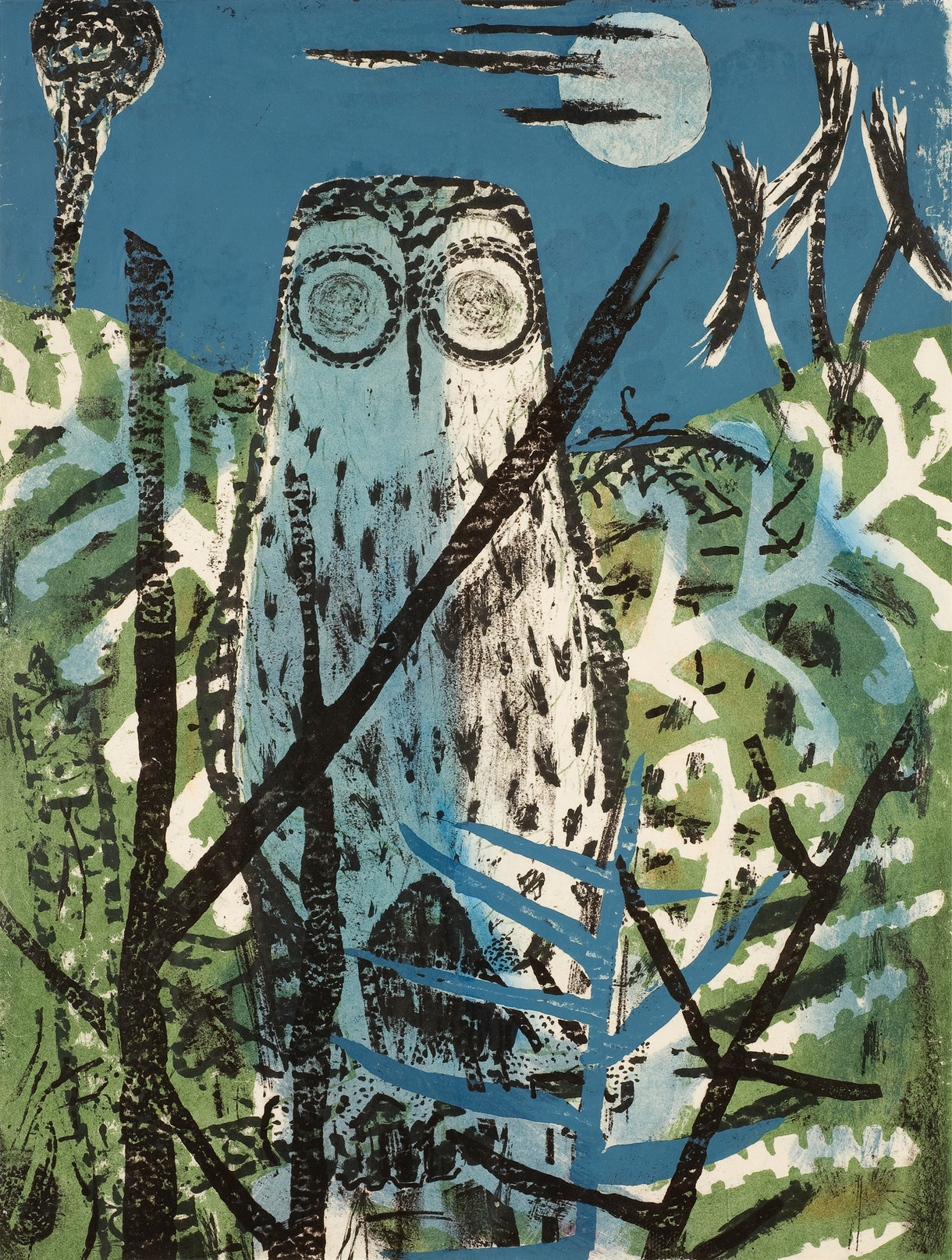
One of the most dramatic aspects of the career of Len Lye (who was born in Christchurch in 1901 and died in Warwick, New York, in 1980) was his youthful search for information about the modernist revolution in art. This occurred throughout the early 1920s, when New Zealand was still (in Peter Tomory’s words) ‘a cultural wasteland’ and (in Eric McCormick’s) a ‘backwater of nineteenth-century civilisation.’

Commentary
Our Instinct Enhanced

Our Instinct Enhanced

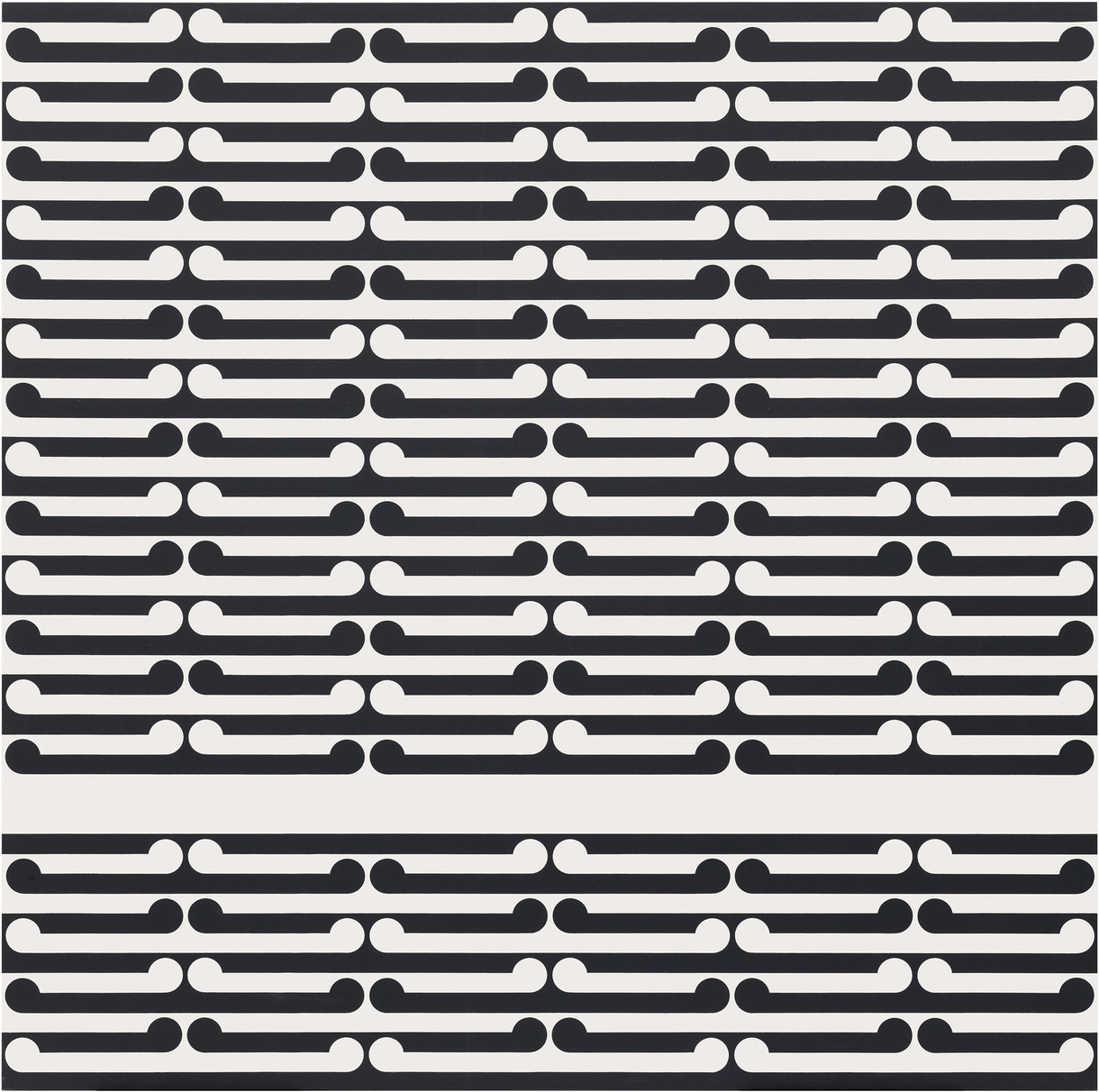
What does Bridget Riley’s art mean? We might imagine that a wall painting titled Cosmos (2016–17) referred to life within a cosmos, an order than encompasses us, whether natural or divine. The designation connotes a degree of philosophical speculation, unlike the direct descriptions that Riley occasionally employs as titles, such as Composition with Circles. But whatever meaning we derive from viewing Cosmos will be no more intrinsic to it than its name. Attribution of meaning comes after the fact and requires our participation in a social discourse. Every object or event to which a culture attends acquires meaning; and Riley’s art will have the meanings we give it, which may change as our projection of history changes. Meaning, in this social and cultural sense, is hardly her concern.

Load more