This exhibition is now closed
Whāia te Taniwha
20 September 2025 –
15 February 2026
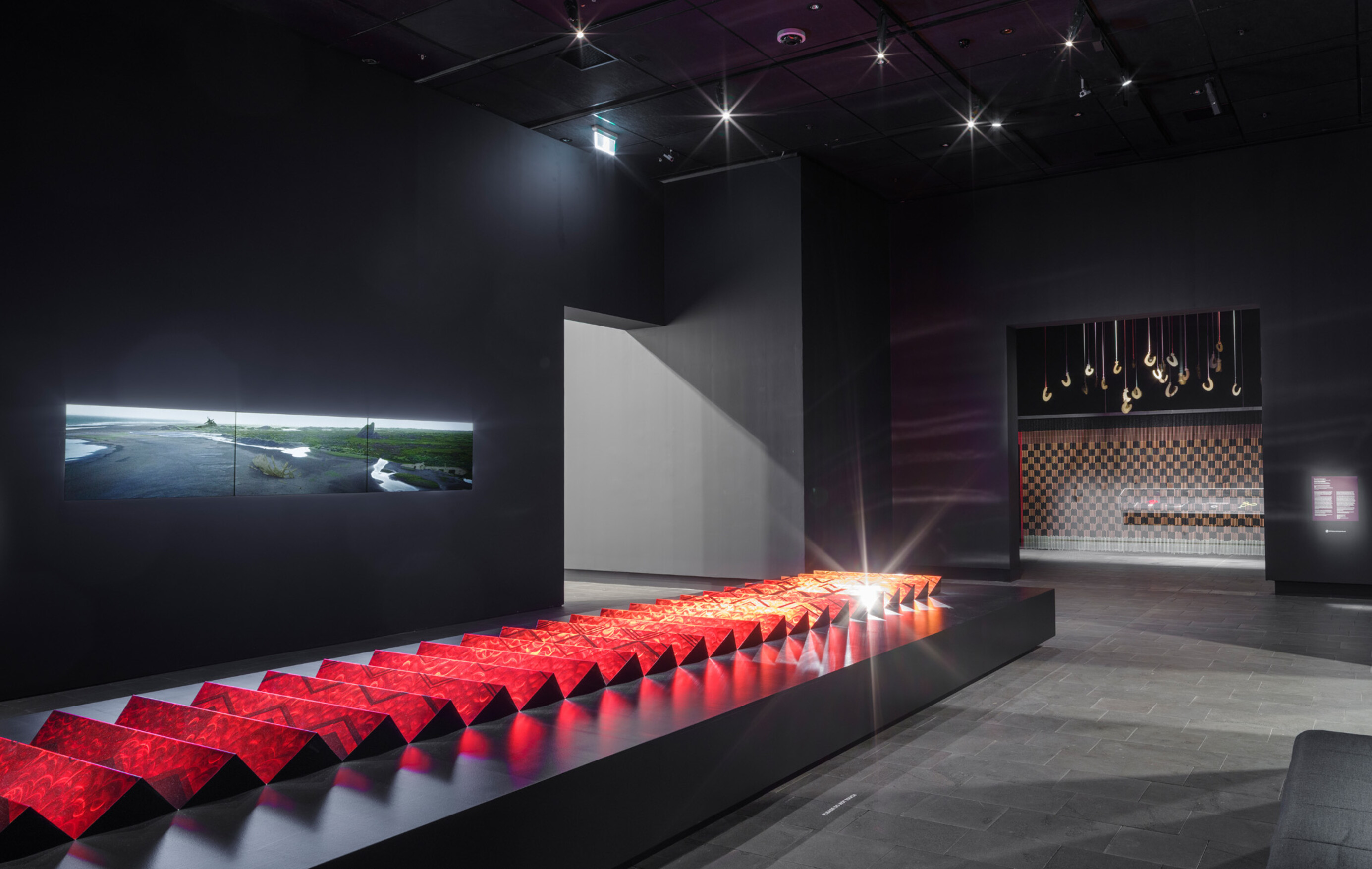
Māori artists consider the enduring relevance of taniwha in Aotearoa.
Ever-present within the rich kōrero that have sustained Māori for generations, taniwha are often described as oceanic guides and shape-shifting ancestors as well as adversaries, guardians and tricksters who have left their marks upon the landscape of Aotearoa. This major exhibition of work by Māori artists shows that these formidable relations defy easy definition or categorisation. It is this mystery, defiance and ability to slip between forms, that gives taniwha their power and potential. Alongside ancestral narratives, these works honour the ways in which taniwha continue to guide and inspire us in an ever-changing world.
Pukapuka
Explore more in our new book for rakatahi. Weaving together te reo Māori and English, twelve writers and artists explore how we can learn from taniwha – and what they can teach us about ourselves and our ever-changing world. Check it out here.
-
My Gallery
+ Save Exhibition -
Collection works in this exhibition
View -
Installation Images
View Gallery
 My Gallery
 Collection works in this exhibition
 Installation Images
Curator:
Chloe Cull
Exhibition number: 1169
Collection works in this exhibition (9)
Moko speaks the cave
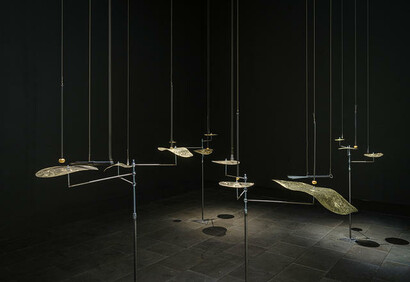
Madison Kelly
A Time Capsule of Aroha
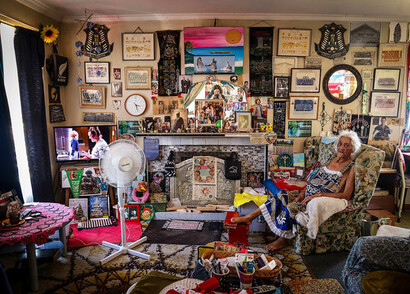
Tia Barrett
Tirohanga Manu
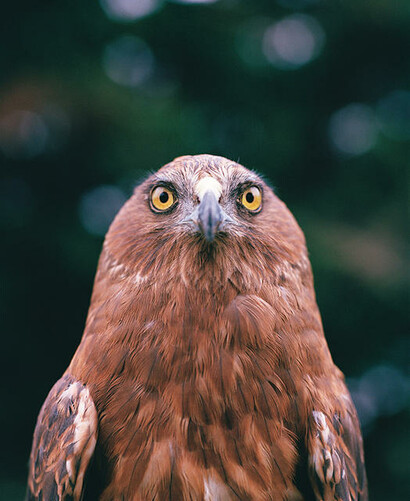
Conor Clarke
Ponaturi – Collecting seaweed to share
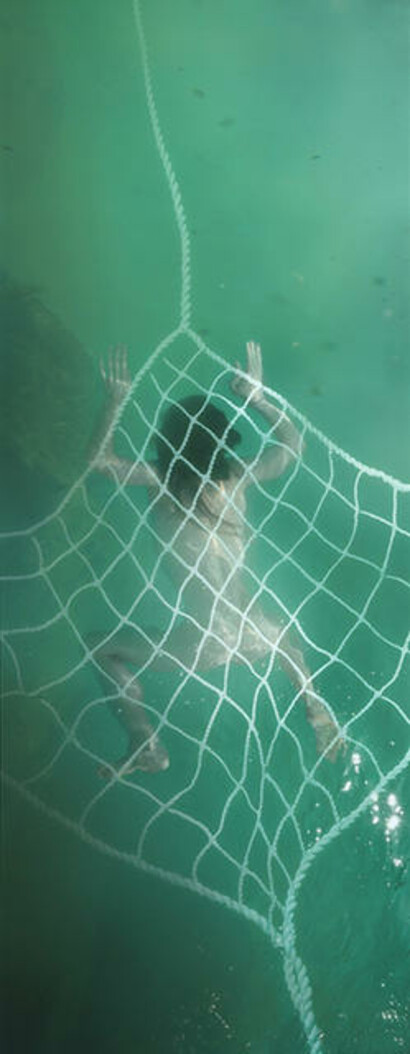
Louie Zalk-Neale
Maikukuroaroa – I sharpen my femininity
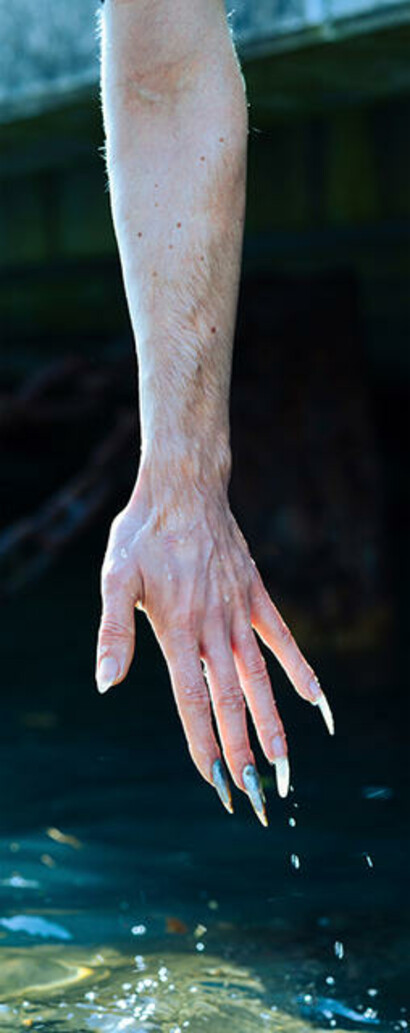
Louie Zalk-Neale
Takarure – Hidden transgender limbs
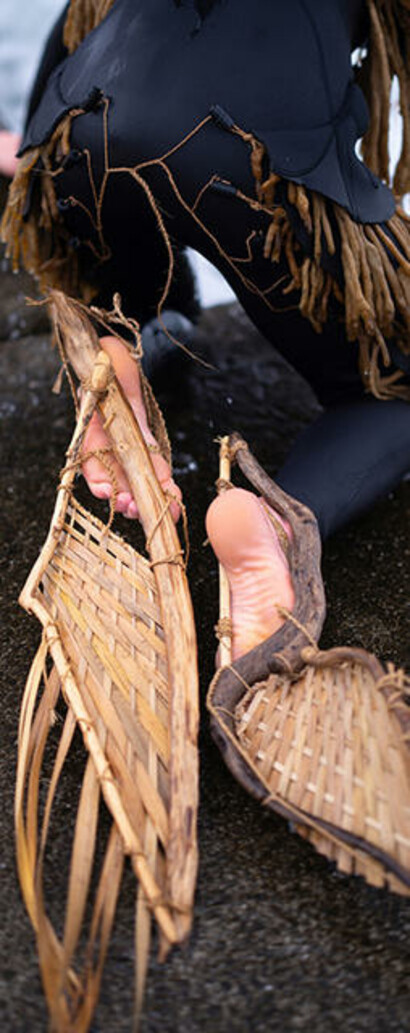
Louie Zalk-Neale
Tī-kore-ngoi-oro – The fizzing potential
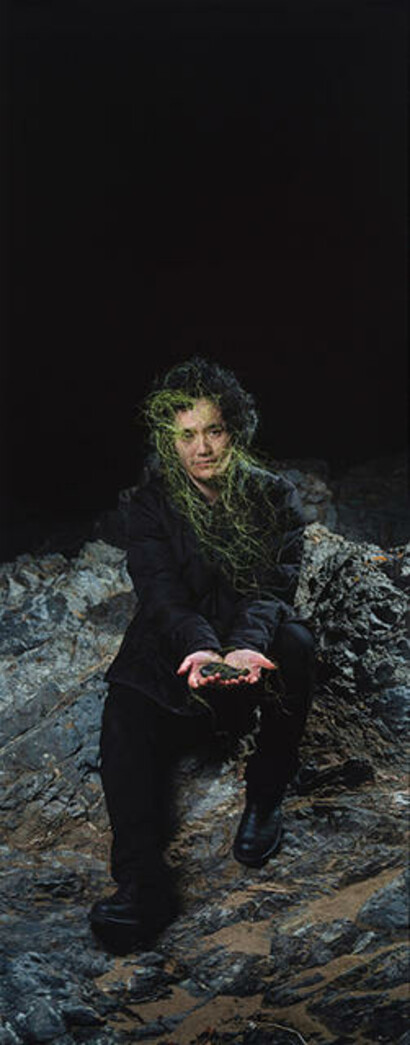
Louie Zalk-Neale
He Whai Tea – Skeleton
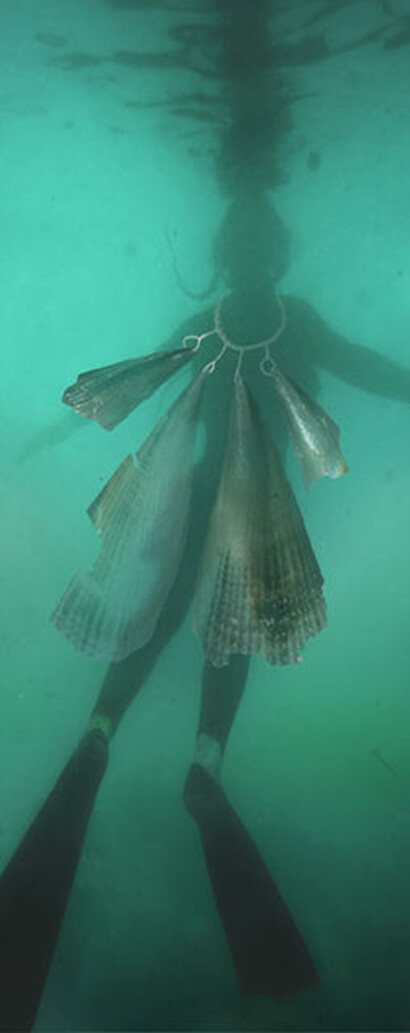
Louie Zalk-Neale
A Māori Dragon Story
Lisa Reihana
Related
film
Lisa Reihana - A Māori Dragon Story
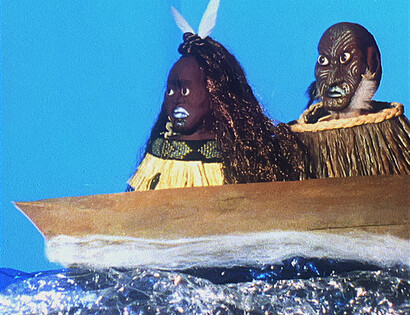
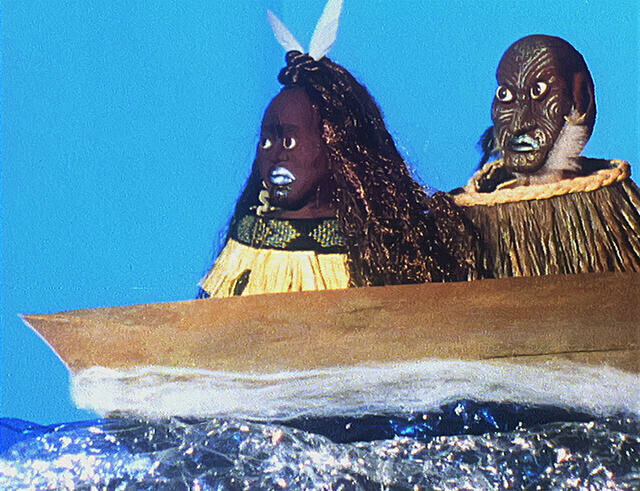
A Māori Dragon Story is a 1995 audiovisual work by Lisa Reihana that was acquired by Te Puna o Waiwhetū Christchurch Art Gallery in 2021. The artwork is a stop-motion animation with wooden figures, and just over sixteen minutes long. It explores an ancestral narrative of a Te Waipounamu taniwha.
Title cards show character names and descriptions in white text on a pounamu-like background while taoka pūoro (māori musical instruments) play.
Te Ake, the chief is introduced first: bald and frowning, he has a mataora (full facial tattoo) and beard, big, painted eyes, a pounamu necklace and wears a kākahu (cloak) with a woven band.
Hine Ao, his daughter, has a moko kauae - chin tattoo - long dark hair adorned by two feathers in a V, eyes like her father’s and a kākahu made from plant fibres.
Tūrakipō is another chief. He is angular, with a pounamu tiki necklace, pāua triangles for eyes, and no mouth but metallic moko instead. His kākahu has feathers.
Irirangi is a tohuka – a spiritual expert. He has pāua semicircles for eyes with moko down the centre of his face. His kākahu is high on his shoulders.
Tautini is another tohuka. He has painted eyes with lighter green irises, a single pounamu earring, a kina on his head, and a black, shiny mataora across his face. His kākahu is red with wool tassels.
A title card reads ‘A Māori Dragon Story’.
Another reads ‘Waitaha Lore, From the South Island, Adapted from Taniwha Tradition, Retold by Teone Tikao’. The story begins with a map of Aotearoa.
The view shifts from Te Pātaka o Rākaihautū, Banks Peninsula, out to a crinkly blue cellophane moana. A waka -boat - with Hine Ao in front and Te Ake behind her paddles through the water.
Hine Ao tests the current and directs the waka, pointing her kotiate, a wooden weapon. Red-brick-coloured cliffs rise above a pale shoreline with figures and a fish rack. We hear a karaka, a ceremonial call performed by a women. The waka beaches.
Turakipo greets his visitors and they press noses in a hoki, traditional greeting . He is enchanted by Hine Ao. His pāua eyes become spinning shells as sparkles sound. He moves to touch her. Recoiling, she raises her kotiate. Turakipo withdraws, spiral eyes gone. She disapproves. She and her father leave.
Turakipo raises his taiaha – a long wooden weapon. From his taiaha electricity ripples out across the sea where Hine Ao and Te Ake travel. The sea becomes stormy. The electricity strikes Hine Ao dead.
At the marae of Te Ake, three mourning figures witness him bringing his daughter home. Her father’s moans join the chorus of grief. He watches as her body is burned in a pyre. Kawakawa branches shake and night falls. Hine Ao’s ashes are placed in a carved red box (waka koiwi). Te Ake waves his daughter’s kotiate in pain and vengeance.
In the blue-black night Te Ake visits with the tohuka, Tautini and Irirangi. Kawakawa shakes as drums sound. The men converse. Irirangi points to an ancestor on a wall panel of the house. Images of fire, kawakawa, and the figure on the wall flash intermittently. Te Ake waits. Leaves fall. Te Ake acknowledges the tohuka and exits. The music stops.
In a cave Te Ake pulls Hine Ao’s box of ashes out and speaks over it, waving her kotiate. The box shakes open and its contents spill out, writhing. He remembers his daughter dying, and Turakipo. Crab claws, eyes, a bird skull, and an image of a woman move in the sand. The picture becomes half woman, half fish. Hine Ao’s face looks at her father in the cave.
By the red cliffs of Turakipo’s home, he walks to the shore as a fishing canoe sets out. From the cave, Te Ake guides the taniwha with Hine Ao’s head and a long tuna-like tail slithers through the water. The fishhook of the waka sinks. The taniwha catches it.
Real human hands cut into the taniwha’s tail and eat greedily. Turakipo’s sandaled feet walk to his beach. His people lie dead, poisoned by the flesh of the taniwha.
Drums kick in as he runs to them. He cries out in pain. Māori instruments play and Hine Ao’s face is shown before a cave.
A title card reads; ‘Hine Ao’s name as a taniwha; Te Wahine-maru-kore. Her spirit remains at Ohikuparuparu, Sumner, Te Waipounamu.’
Music continues to play as the credits run.
film
Lisa Reihana - Aratohu
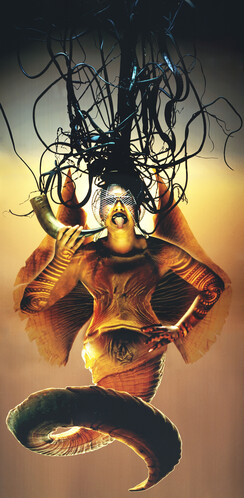
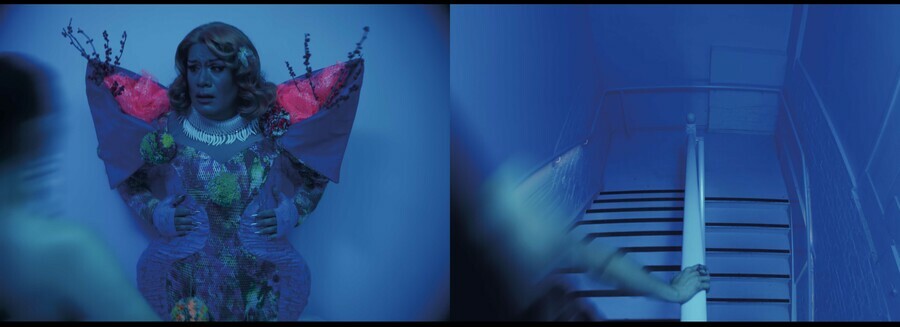
Aratohu is a two-channel audiovisual work by Lisa Reihana, commissioned and acquired by Christchurch Art Gallery Te Puna o Waiwhetū Foundation in 2025. Two-channel works enable different scenes to play side-by-side, or for the shots to merge into one. The film is 11 minutes and five seconds long. It features drug use, drink spiking and self harm, and audience discretion is advised.
The film begins in a night club, where people are theatrically dressed. The protagonist is Wairangi, a tall woman wearing baggy black pants, a black and white sparkly one-shoulder top and a metallic earring dangling from below her high ponytail. She smiles and dances, having a good time.
A man orders drinks at a bar. The bartender hands him two blue drinks and taps one, implying that that drink is spiked. The man finds Wairangi, giving her the spiked drink. They dance together and he brings her two more rounds, getting physically closer to her each time. A figure with a human face and tuatara-like body – the taniwha, Aratohu, appears in the club.
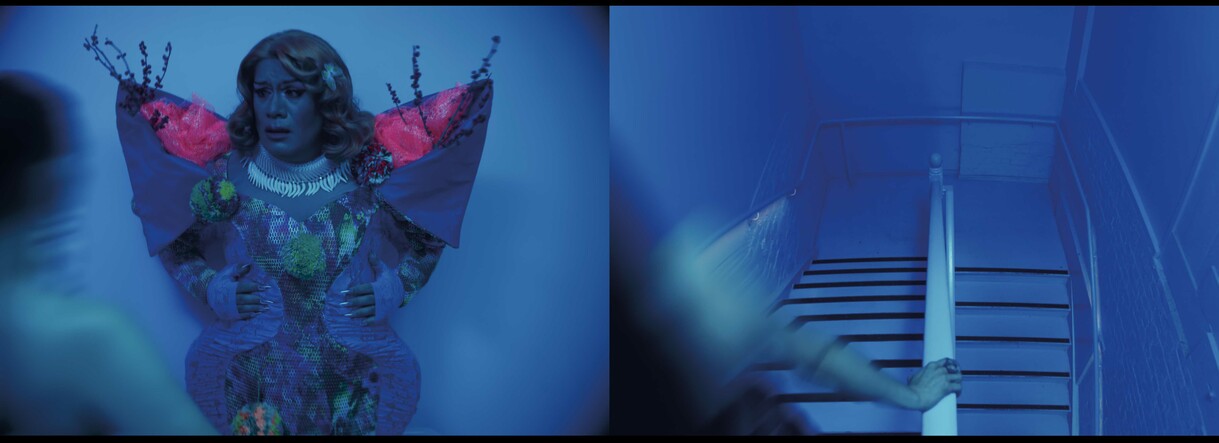
The scene blurs and spins, turning blue like the drinks. Wairangi stops smiling. The man dancing with her is insistent. She sways unsteadily, pushing him away and leaves the club through a stairwell. A woman dressed in an elaborate butterfly-esque outfit asks, “you okay, honey bunny?” Wairangi cannot answer, gives a shaky thumbs up and stumbles downstairs. The woman sighs, “be careful baby”.
Outside, a man in his white, two-door classic car watches as Wairangi rummages through empty pockets. Smiling maliciously, he says, “Get in”. The man, in a studded jacket, with a keyhole tattoo on his cheek slides something to Wairangi in the passenger seat. Holding it to her nose, it becomes a pulsing light, and she breathes it in. The substance takes effect, and she starts to lose consciousness. The club flashes in her mind. The car starts. The number plate reads ‘STEALR’.
The taniwha, Aratohu, follows Wairangi downstairs, and out of the club. Wairangi feels the wind outside the car. Her hand falls behind her and her eyes close. The driver touches her forehead. Her eyes open briefly, but she is unconscious. He speeds up.
The driver checks his mirror, and Aratohu appears.
Flashes of Wairangi’s night play, overlaid with a bird’s-eye view of the car travelling into woods. The bright light in her hand flashes over a cold tree-lined hillside. Wairangi is unconscious, alone in the car in the dark. She wakes, slams on the car horn twice before her arm droops beside her. She looks up and sees a version of herself walking backwards with a shopping trolley that has a purple light glowing in it; a foreboding hallucination.
Walking through the dark bush Wairangi is surrounded by overhanging trees. Simultaneously, a blurry Aratohu climbs over mossy rocks with strong arms.
The kāhere (forest) glows silver. Wairangi's eyes widen when Aratohu appears in a black and white diamond patterned cloak that could be a net or scales. In a gravelly voice, Aratohu says, “Tēnā koe, Wairangi”. She walks forward and Aratohu materialises in front of her to hoki, pressing noses and sharing a breath in greeting. Wairangi moves into a pūkana – her eyes wide, one fist above her head. Aratohu says, “Kia tūpato. Be careful Wairangi”.
Her pūkana fades quickly. Aratohu’s face becomes each person who put Wairangi in danger, before settling on her own reflection. Facing each other, Aratohu pulls out a white feather. Placing it on the ground, he asks “do you know where you are?”
Wairangi is wary and keeps her eyes on Aratohu while reaching for the feather. She looks down to pick it up. When she lifts it to her face her hood is up and the feather is a used cigarette. There is no taniwha. The light changes as she tries and fails to light the cigarette.
An inebriated Wairangi is now in a city alleyway. People sleep under plastic sheets. She rifles through someone’s pockets, finds a lighter and throws it away when it doesn’t work.
The screens blur and through the eyes of the taniwha in the alley, people clutch their heads, rock a toy baby back and forth, lean over a bong, and warm their hands over a fire. Wairangi blinks and recalls being driven, as if coming to consciousness. She coughs. The taniwha’s presence finds her. Aratohu says “kia tūpato” again, while on the left channel Wairangi faces a warm, bright light, and, removing her hood, moves towards it. On the right she is suddenly awake to what has occurred.
The night club flashes over both versions of Wairangi. Back in the club the strobing lights, dance music and theatrical attendees are in full swing, just like the start of the evening. The audience is left to question if this is a second chance for Wairangi, or a cycle.
My Favourite
Mataaho Collective: Kiko Moana
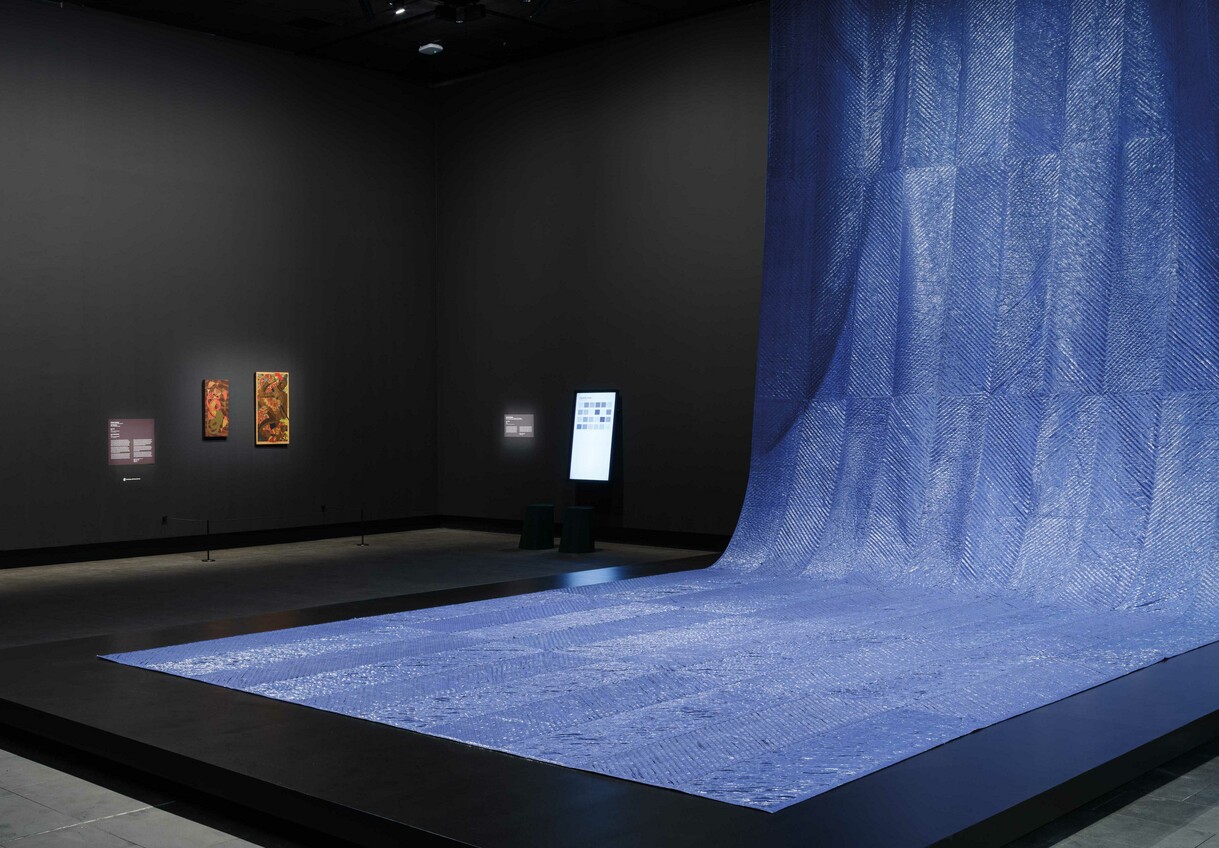
As we enter the Whāia te Taniwha exhibition, I gasp audibly, struck by a wave of nostalgia as I take in Mataaho Collective’s work, Kiko Moana. Like our rivers that flow from the mountains to the sea, the deep blue work cascades from its elevated position and rushes toward me in full glory. Ki uta ki tai. From the mountains, to the rivers, to the sea. It demands attention and respect.
Commentary
Taniwha
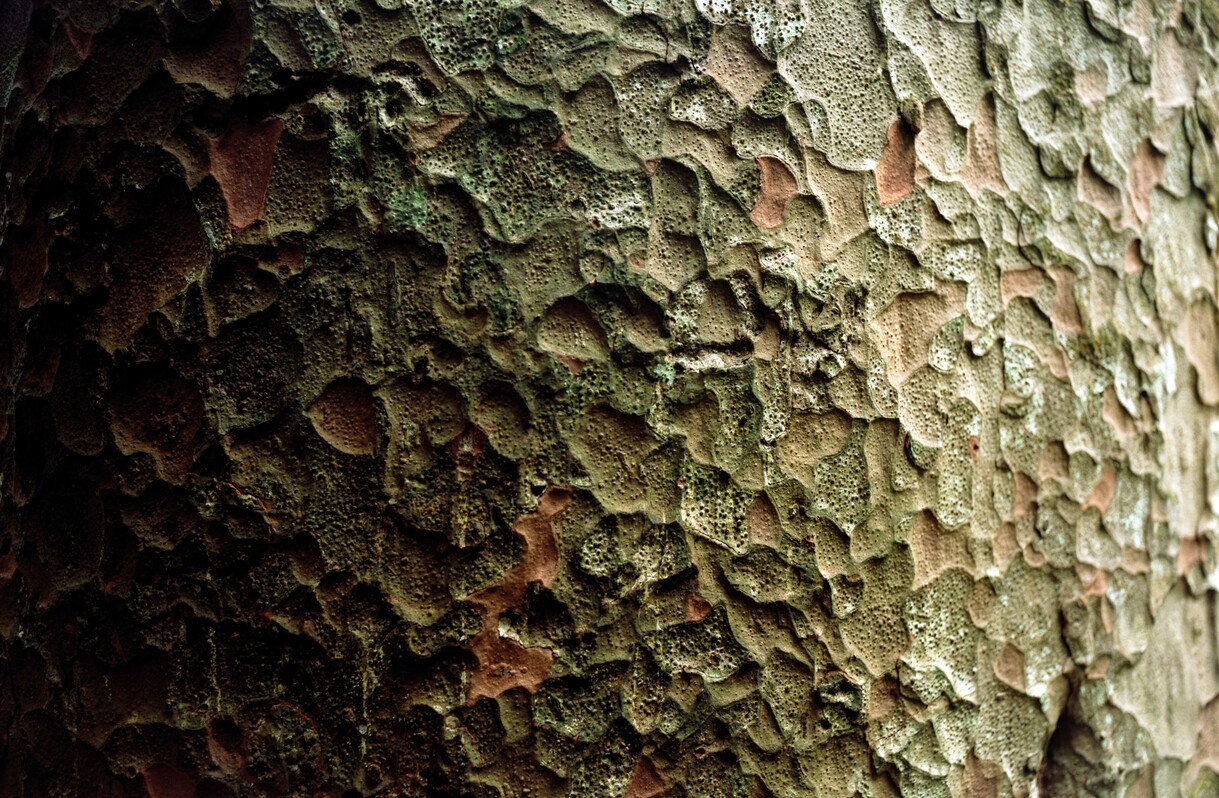
Taniwha narratives invoked in small rooms on warm nights of a Hokianga summer, or in big rooms with dirt floors by a Te Reinga river. Hine Kōrako, Poutini, Ngārara Huarau, Whatipū, Ngake and Whātaitai, names repeated and tethered to history from the mouths of generations of sovereign peoples. We wanted more, my tiny cousins and I, we believed in daydreaming and night-flying, viscous trails and portals underground.
Article
The problem with your neck
First he sent me a photo of a rainbow dolphin, which made me laugh because it’s the exact opposite of my personality and he knew that. Then I found a GIF of Dick Van Dyke in double denim riding a dolphin, bouncing on it in automated joy and when I sent it back, it made him laugh. I love that dolphin he said. But maybe both of us are sharks.
Artist Profile
Whakahikohiko
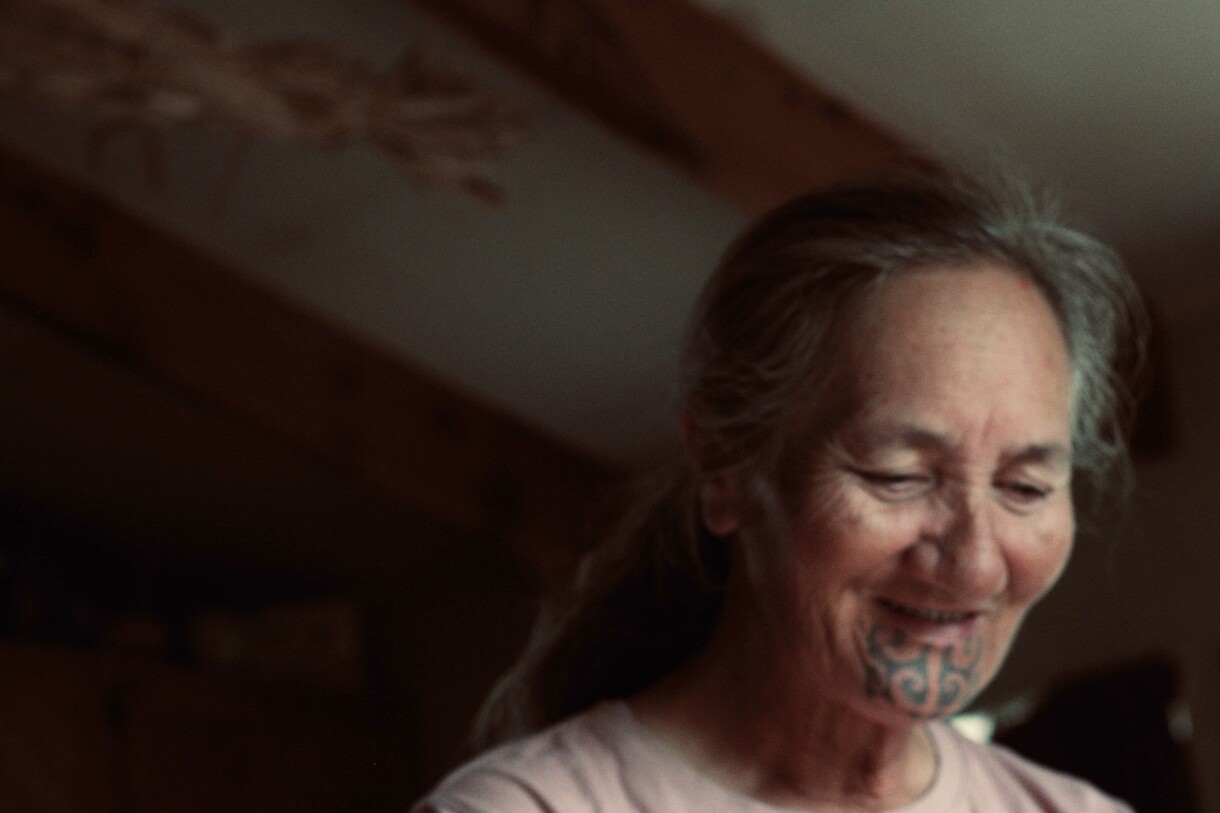
On stepping into Francine Spencer’s home, what I notice first are the small, glittering points of light, scattered around the room like tiny, flickering whetū. But these aren’t gifts from Rakinui – these starlike specks are made of copper, Fran’s choice of material for her work in the upcoming exhibition Whāia te Taniwha.
Artist Profile
He Kuru Pounamu
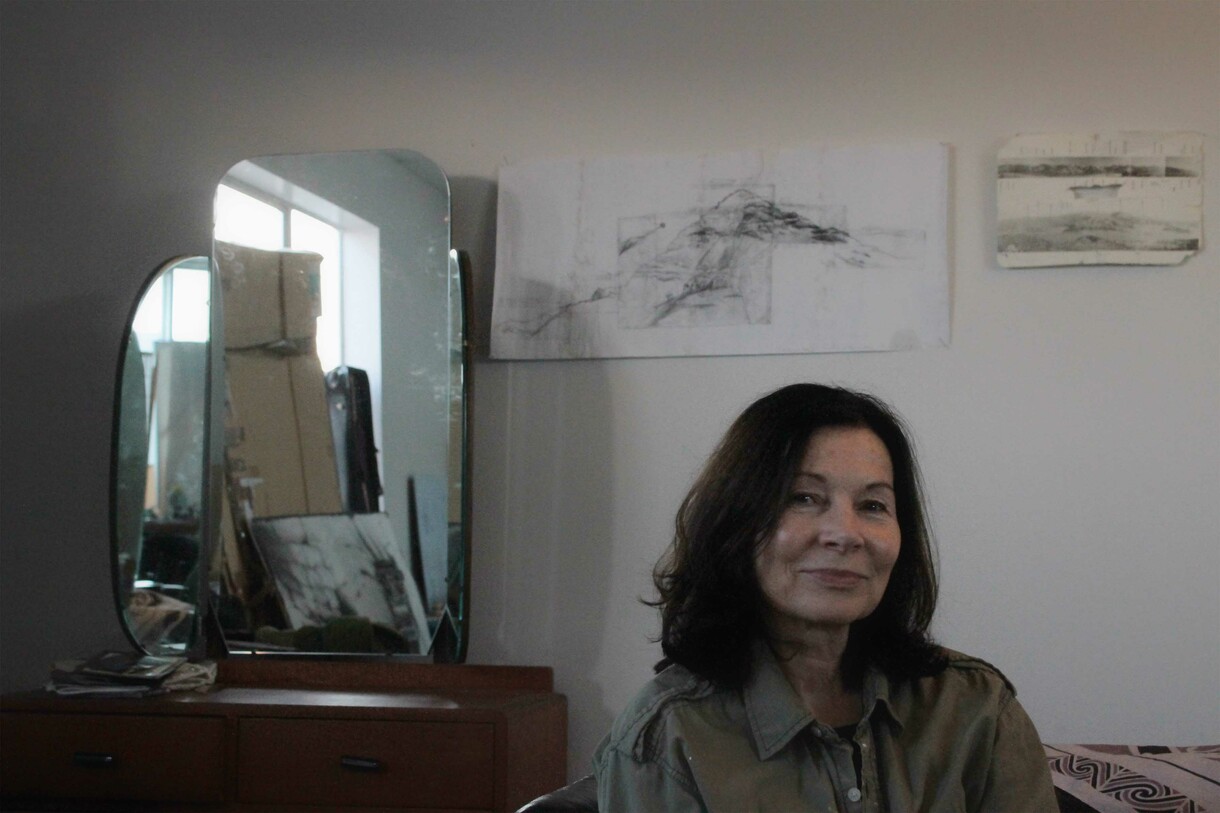
Jen Rendall (Ngāi Tahu, Ngāti Māmoe) has explored ancestral narratives and the entwinements of plant life, waterways and landscapes in her works for some time. As a member of Paemanu Ngāi Tahu Contemporary Visual Arts, she has participated in significant exhibitions which honour Kāi Tahu relationships to whenua, including Tauraka Toi: A Landing Place at the Dunedin Public Art Gallery in 2021. More recently, her work was included in Kia Ora Whaea – an exploration of Māori motherhood and Indigenous perspectives and experiences of maternity shown at the Corban Estate Arts Centre in Tāmaki Makarau, which also included work by fellow Kāi Tahu contemporaries Turumeke Harrington and Alix Ashworth.
Article
New Acquisition
Aratohu is an extraordinary new film by artist Lisa Reihana (Ngāpuhi, Ngāti Hine, Ngāi Tūteauru, Ngāi Tūpoto). A surrealist fable told over the course of a single evening, Aratohu explores destructive influences and the potential for healing. For lead character Wairangi, a fun night out turns into a journey of self-discovery, as reality and hallucination blur and overlap. Following an encounter with Stealer, a sinister figure representing risk and temptation, Wairangi meets Aratohu, an ancestral being offering an alternative pathway, underpinned by renewed strength in her Māori identity.
Interview
What Taniwha Might Be Telling Us
Carl Mika (Tuhourangi, Ngāti Whanaunga) is a professor and head of school at Aotahi: Māori and Indigenous Studies, Te Whare Wānanga o Waitaha University of Canterbury. His colleague Garrick Cooper (Ngāti Whanaunga, Ngāti Ranginui) is an associate professor at Aotahi.
What follows is Kirsty Dunn’s attempt to kōrero with her esteemed colleagues about references to taniwha in their mahi. This is a truncated version of an hour-long conversation in which they delve into Te Pō and talk about (or perhaps around?) taniwha a while…
Foreword
Kupu Whakataki
Tēnei te mihi ki te māreikura kua whetūrangihia i tēnei tau. Nā tōna mahi, nā tōna āwhina, nā tōna kaha, ka puāwai te kākano o tēnei kaupapa. Moe mai rā, Whaea Robyn.
Haere, haere, haere atu rā, he taniwha hikuroa.