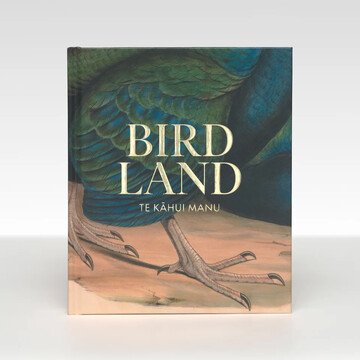
Bird Land: Te Kāhui Manu
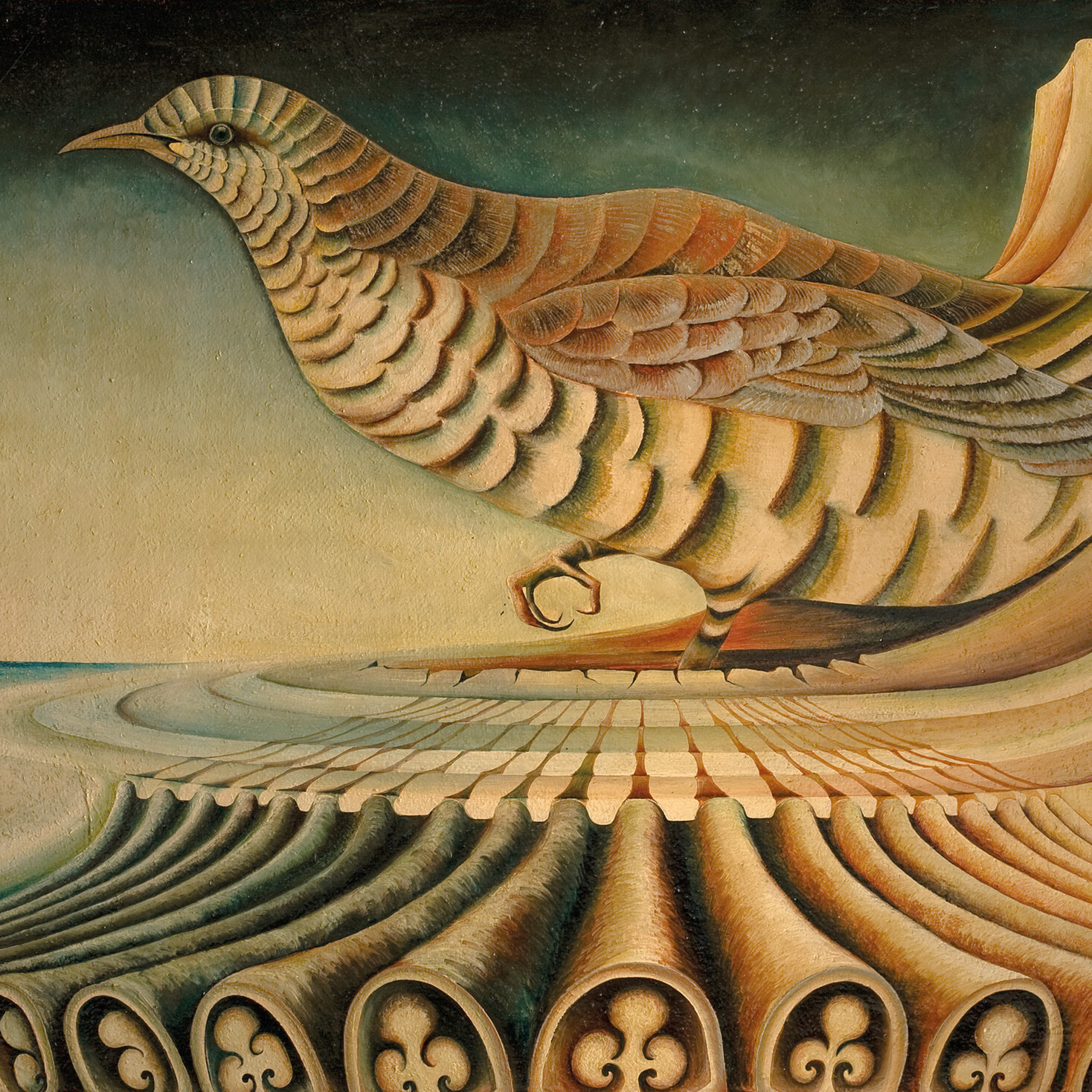
The islands of Aotearoa New Zealand were once inhabited by birds. Shrieking, warbling, tinkling, booming. Forest, river, marsh, mountain, ocean, shore—everything charged with their mauri, life force.
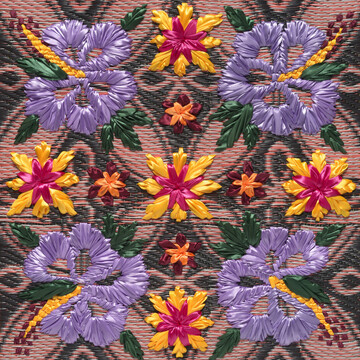
Made in the Pacific: A Collection of Tāoga
A selection of Pacific tāoga from the Canterbury Museum in conversation with contemporary artworks that highlight the continued strength in culture and traditional art forms.
He Kapuka Oneone – A Handful of Soil
Exploring the relationship between tākata and whenua – people and land – through Aotearoa New Zealand’s art history.
E tuwhera ana te wharetoi i kā rā e 7 o te wiki, 10am - 5pm
Ka tuwhera ki te 9pm i kā pō Wenerei
Open 7 days, 10am - 5pm
Late night Wednesday until 9pm
Uruka utukore, ahokore utukore
Free entry, free wifi
Commentary
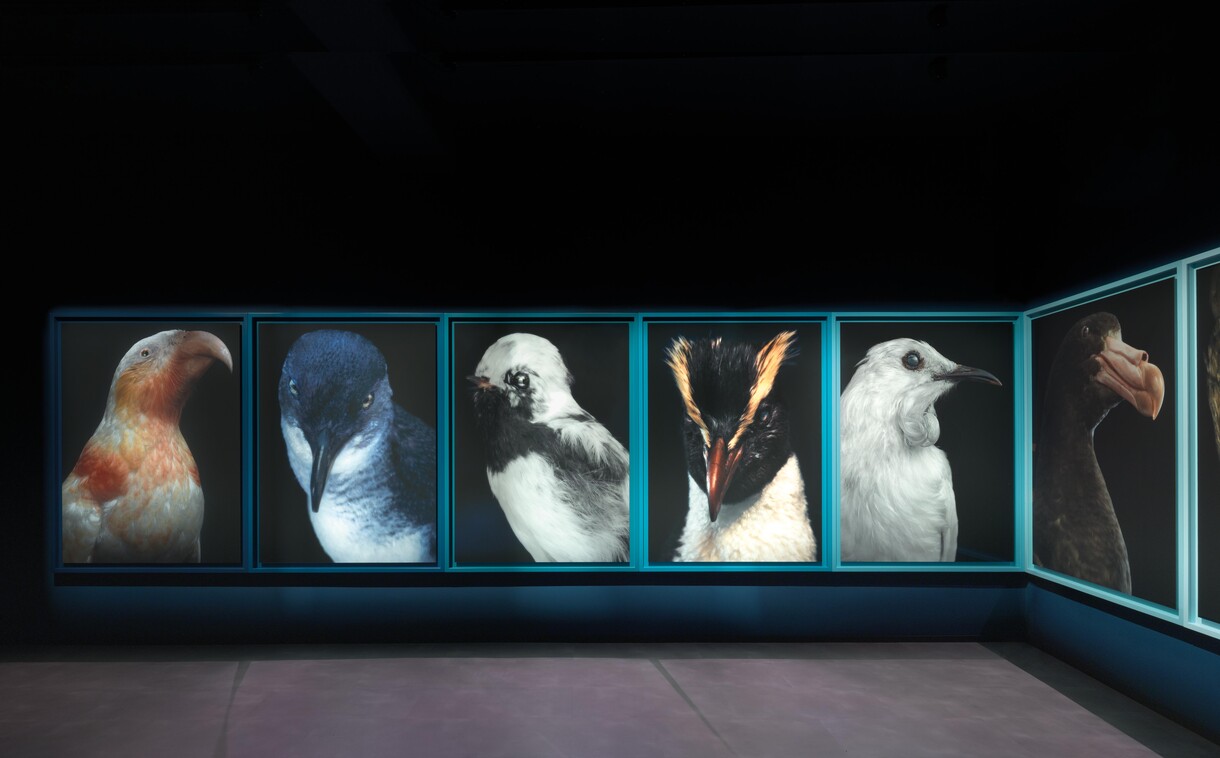
Taharaki Skyside in Venice
Christchurch Art Gallery Te Puna o Waiwhetū is immensely proud of the role it has played as delivery partner for Aotearoa New Zealand’s participation in the 61st International Art Exhibition La Biennale di Venezia. Since Creative New Zealand confirmed us as their delivery partner and endorsed our choice of Fiona Pardington as the artist in late 2024, Taharaki Skyside has drawn on the expertise, commitment and collaboration of staff across the Gallery. Seeing that collective effort realised in Venice when the exhibition opened in early May this year was a significant moment for everyone involved in the project. The Gallery team has worked closely with Fiona Pardington and her team (including Neil Pardington, creative director) and Creative New Zealand, with the support of many others, to deliver an exhibition of the highest possible standard on one of the world’s most prominent cultural stages.
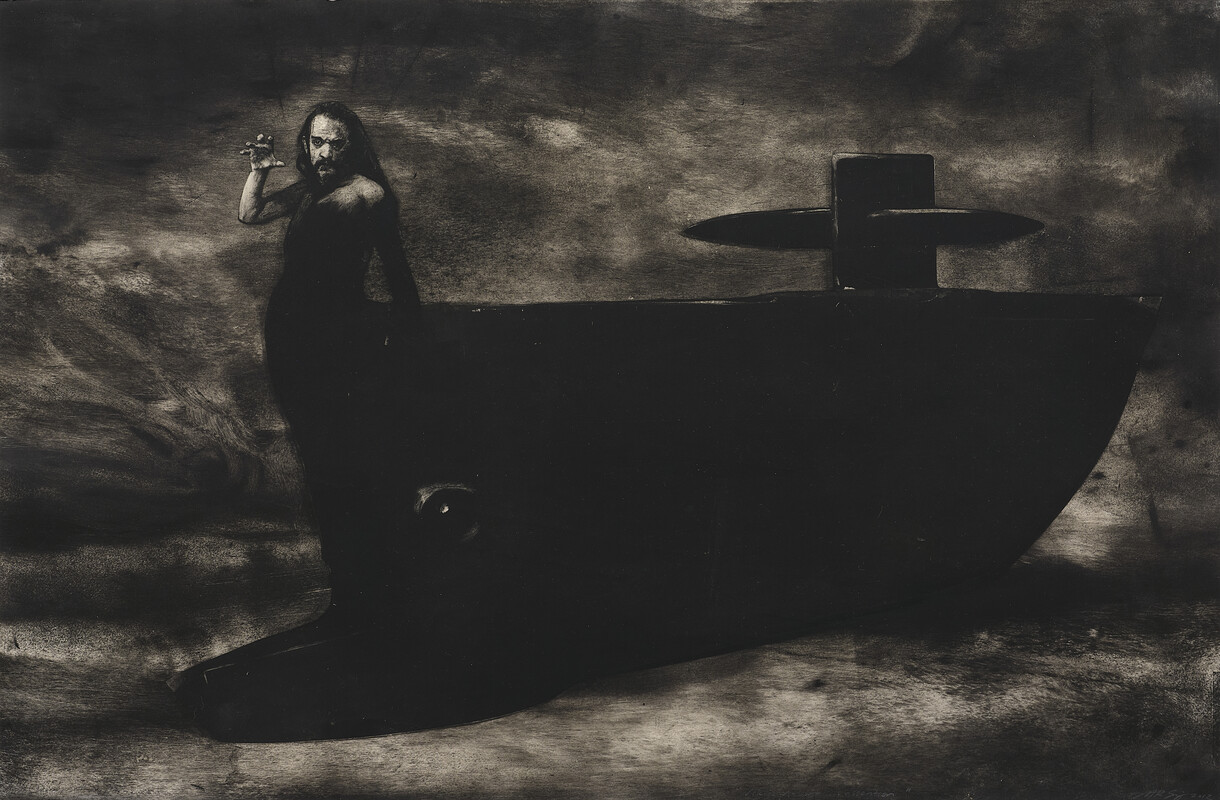
What is this that stands before me...
A conversation between myself and Jason Greig over coffee at Ohinehou Coffee Company sometime late April this year:
“Hey mate, I’ve been asked to interview you for Bulletin before the exhibition. Coming at it from a more metal vibe! Would you be keen?” (Knowing that Jason would, in fact, not be keen.)
“Fuck off!”
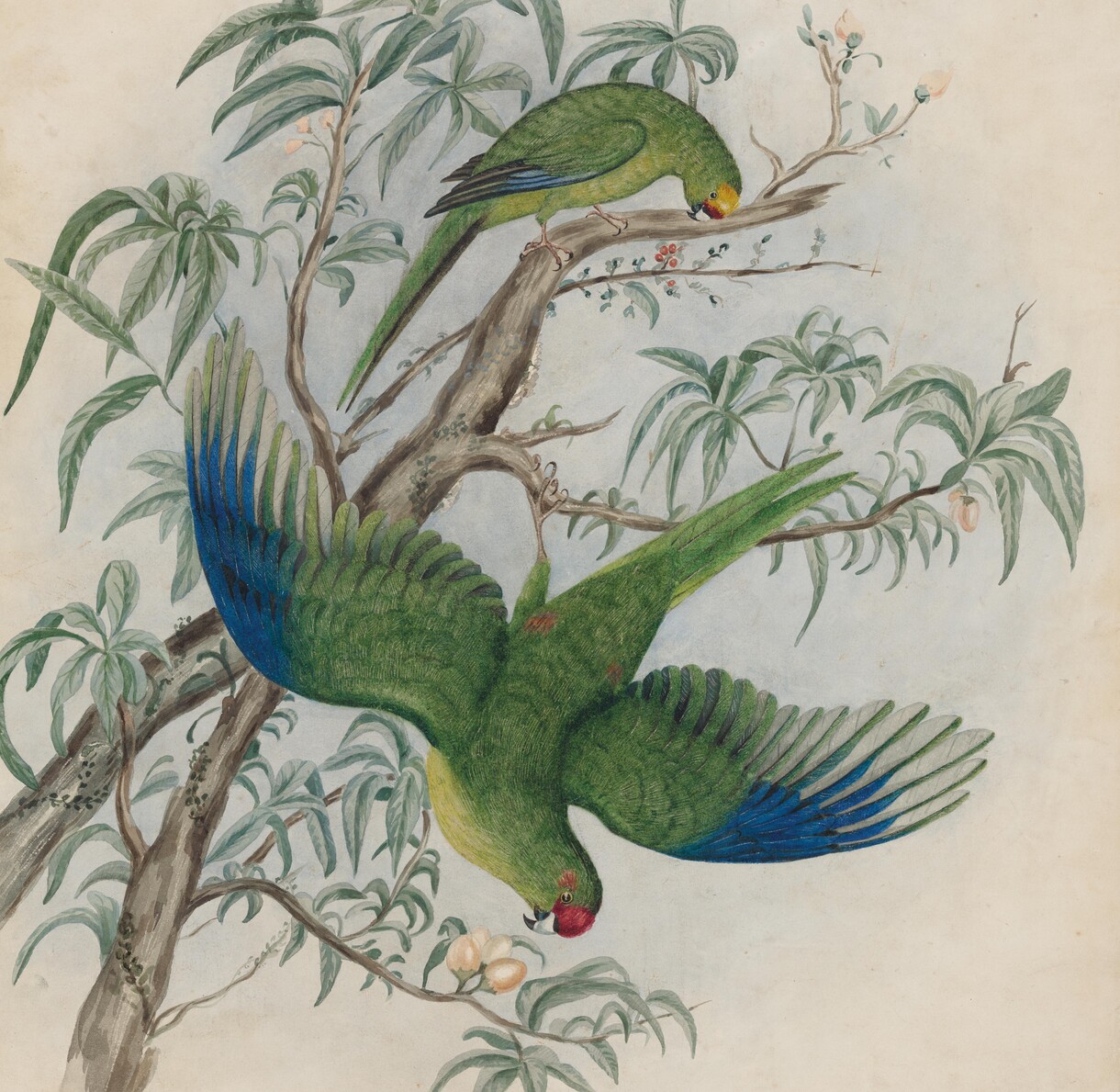
If You Build It, They Will Come
Greater Christchurch has had more bird species recorded than any other part of Aotearoa New Zealand. Here, we’re blessed with three large coastal wetlands of international significance for both resident and migratory birds. Within the Ōtautahi Christchurch district we have around 320 kilometres of rocky shoreline and coastal cliffs, almost twenty kilometres of sandy shoreline and dunes, dryland environments, tussock grasslands, podocarp forests and shrublands. There are whole other worlds beneath the tides that – as terrestrial species – most of us seldom think about. And did you know we also have around fifty islands, islets and rock stacks across the Te Pātaka o Rākaihautū Banks Peninsula coastline?
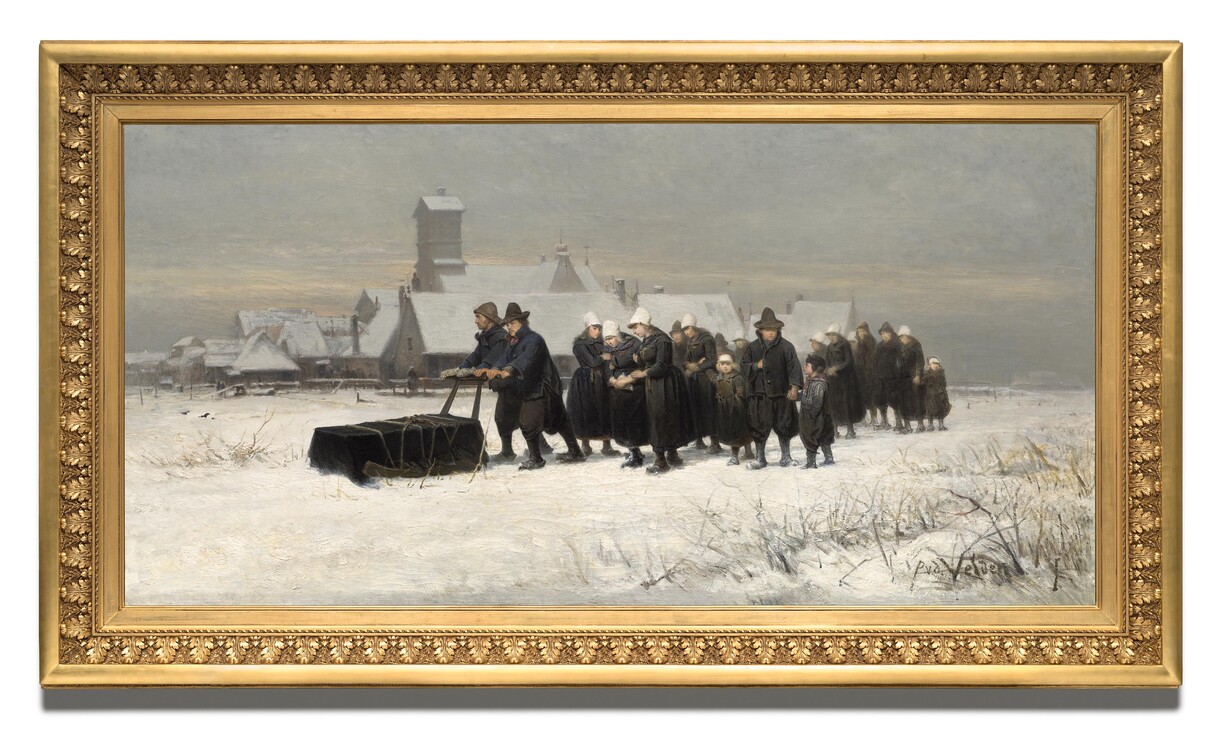
The Funeral on Marken
Despite its sombre character, Petrus van der Velden’s Burial in the Winter on the Island of Marken is a work that has long captivated Ōtautahi Christchurch audiences. Colloquially known as The Dutch Funeral, it shows mourners crossing a snowbound landscape, reflecting the hardships of life, both unforeseen and seasonal, in a nineteenth-century fishing community in the Netherlands. It remains an expressive testament to sorrow and loss. Recent discoveries aided by historian Jan Schild, a Marken resident and meticulous researcher, deepen that emotional register.
Land of Memories
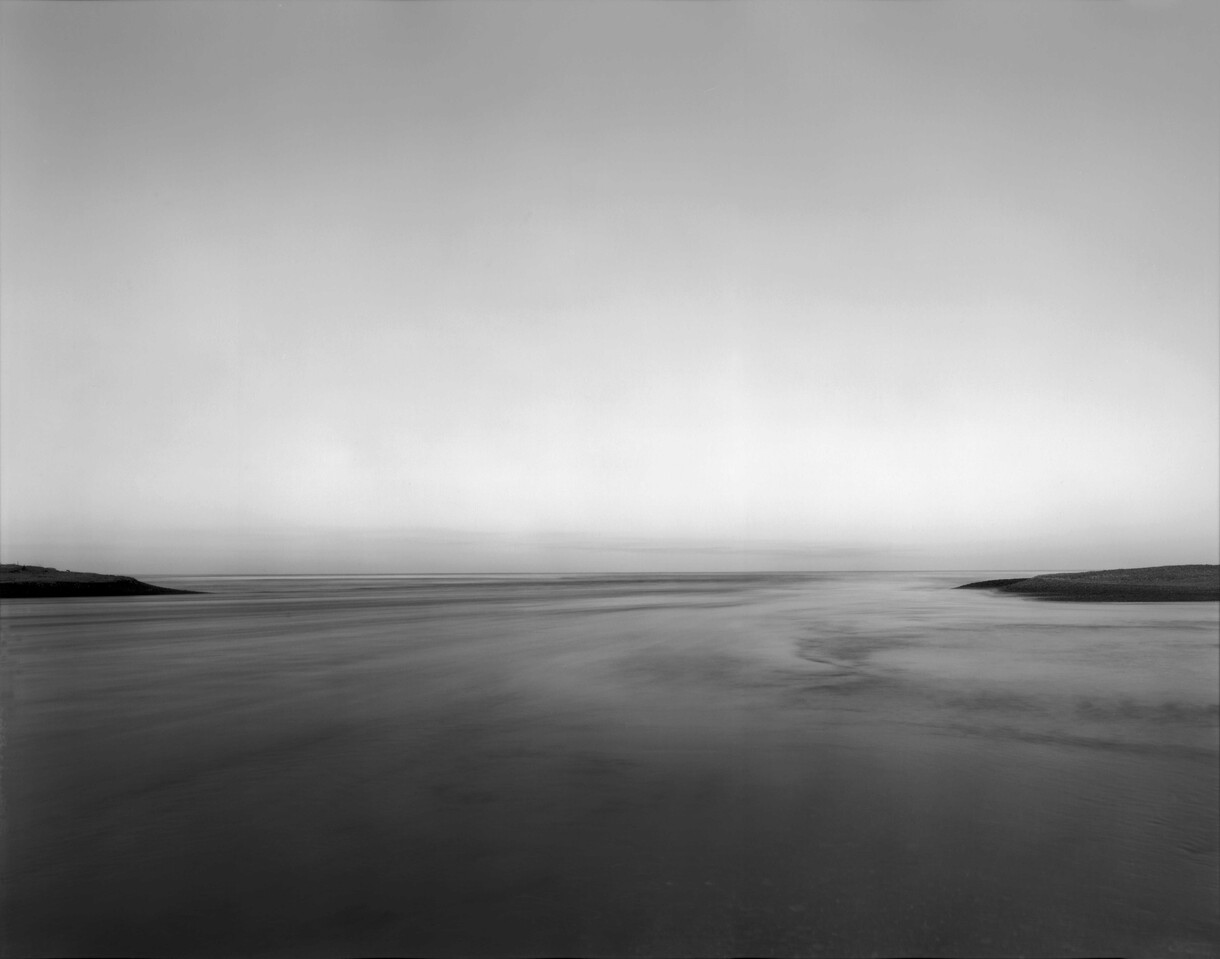
As an archaeologist specialising in Māori rock art heritage I have been taken by the intertwining of three modern recognitions in international rock art and archaeological research. Firstly, landscapes are not objectively viewed and fixed physical environments – rather they are mental constructs that exist in our minds and are shaped by our cultural understandings, personal experiences, beliefs and changing social contexts. Secondly, fixed in place where the ancestors made it, the location of a piece of rock art in a landscape is a critical part of its meaning over and above its motif subject. And, thirdly, still fixed in place, rock art is intergenerational; it can last tens of thousands of years.
On the World Stage
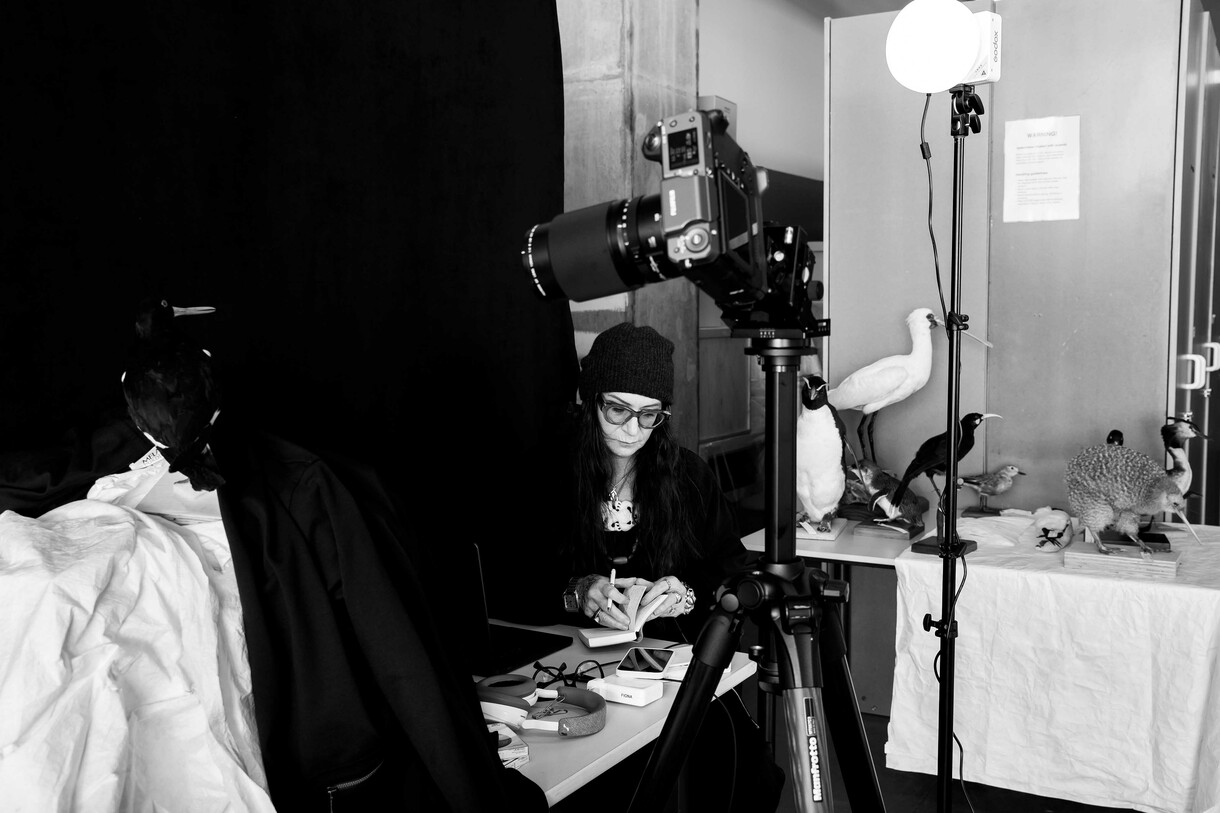
When Fiona Pardington’s remarkable presentation Taharaki Skyside opens this May at the 2026 Venice Biennale, it will be the result of months of work by the artist and many others, including the team here at the Gallery. In January 2025 the Gallery was announced by Creative New Zealand as the exhibition delivery partner for the project, with curators Felicity Milburn and Chloe Cull at the centre of a team that would work with Pardington to develop the exhibition and accompanying publication. Bulletin asked Chloe and Felicity about the project.
‘For us and our children after us’
“… the relative poverty in which many Canterbury Kāi Tahu were then living was directly attributable to their loss of land in the nineteenth century.”
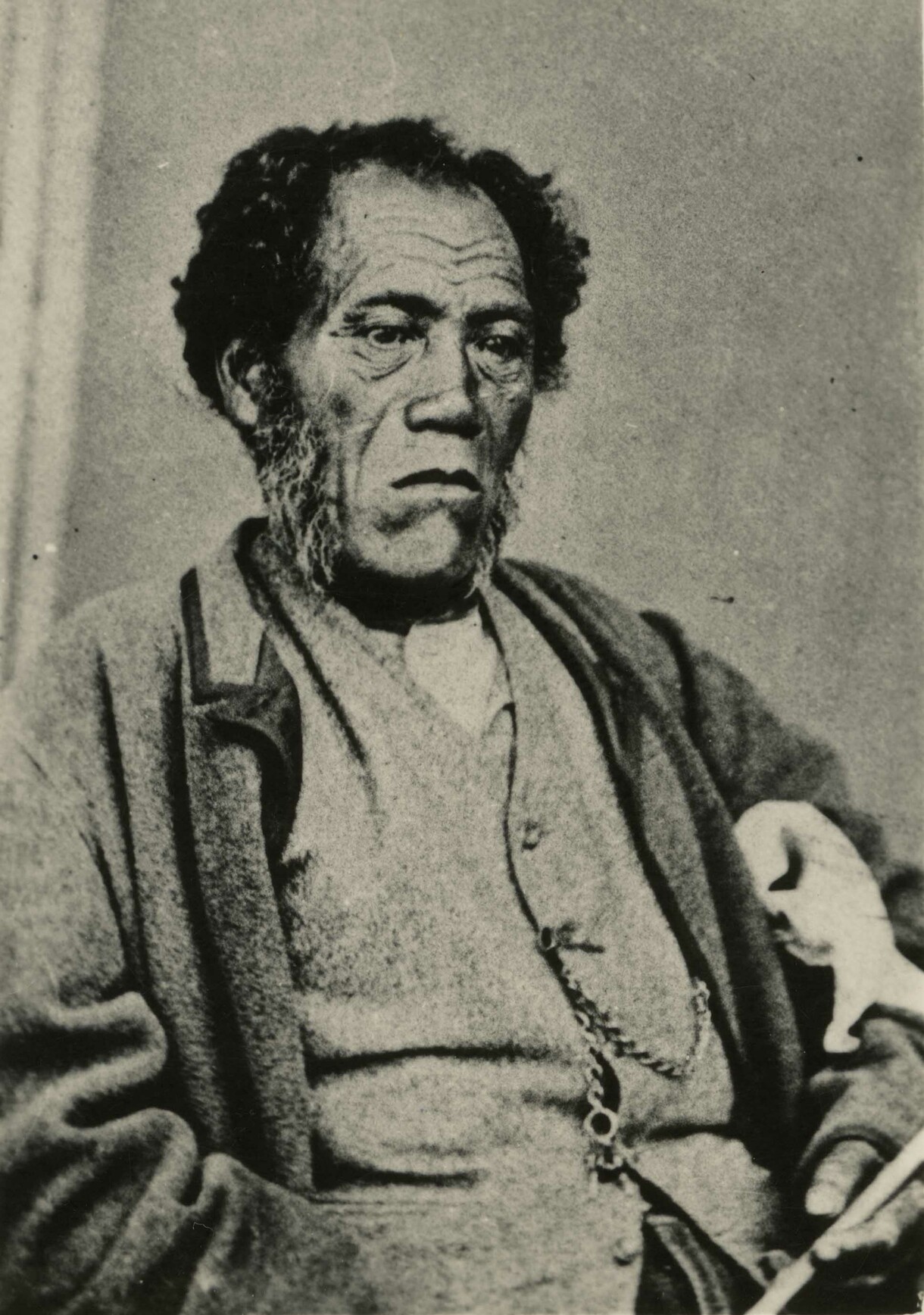
In 1952, the historian and friend of Kāi Tahu Harry Evison (1924–2014) completed his Master’s thesis, ‘A history of the Canterbury Maoris (Ngaitahu) with special reference to the land question’. He concluded that the relative poverty in which many Canterbury Kāi Tahu were then living was directly attributable to their loss of land in the nineteenth century. His argument reflected the intergenerational, lived experience of Kāi Tahu communities but was dismissed in the academic circles of the 1950s where the inherently racist Pitt-Rivers theory of ‘culture clash’ prevailed – according to this theory the negative impact of the colonial encounter on Māori was attributed to ‘psychological collapse’ rather than the economic hardship enforced by the loss of land and resources.
Awhitu Wānanga
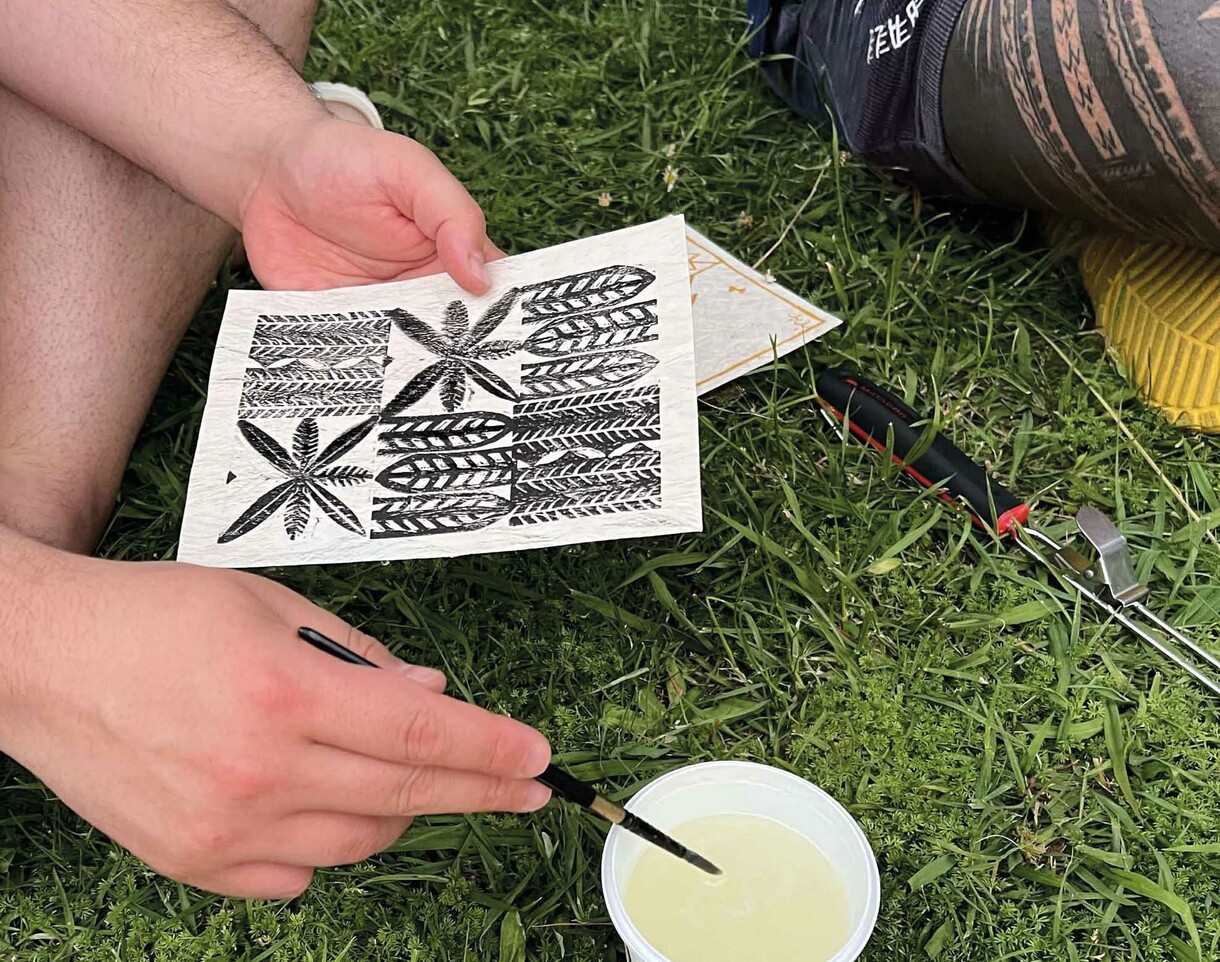
Made in the Pacific: A Collection of Tāoga celebrates Pacific tāoga, bringing together examples made by moana ancestors with new work by their distant mokopuna.
The museum treasures in this exhibition are by makers who gained their knowledge from elders and specialists in their communities. Their work contains precious cultural histories within both the materials and visual language.
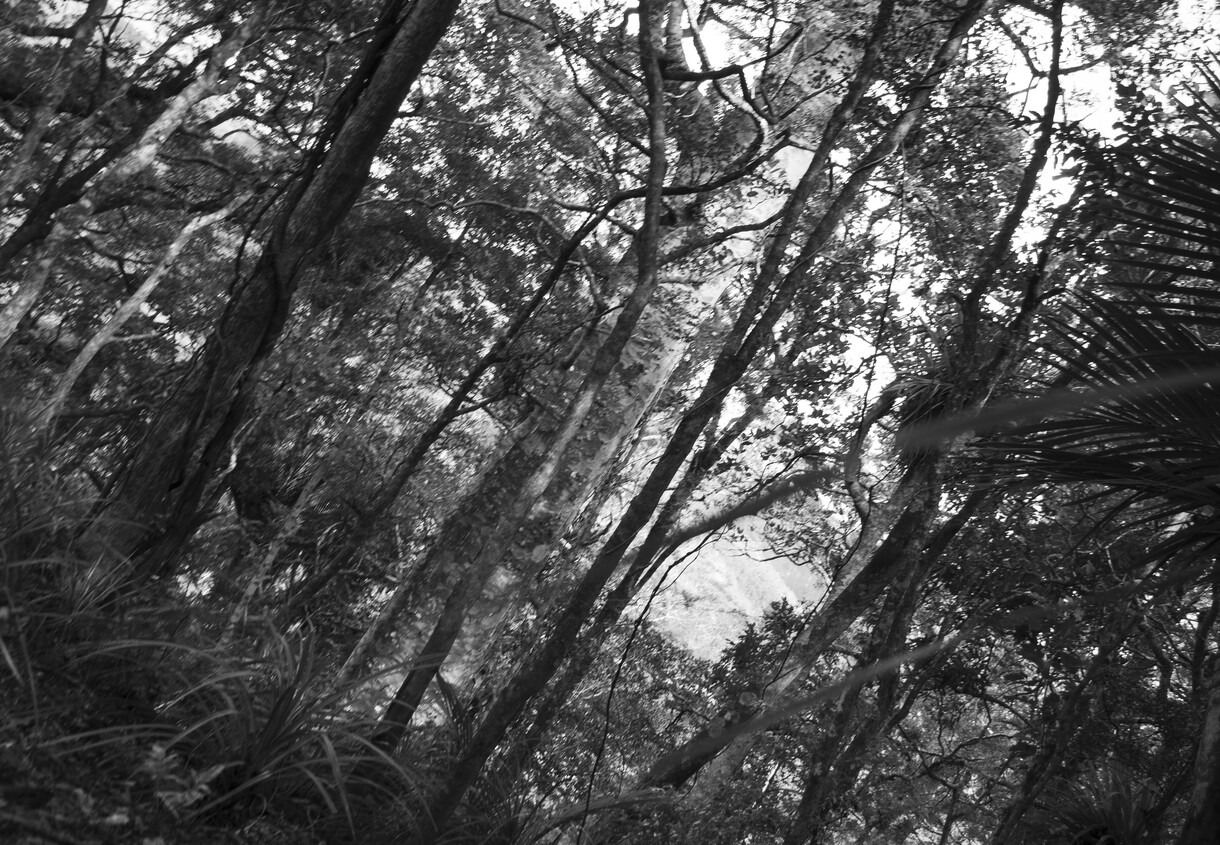
Ōmutu
10 December
5.45am. Two starlings in Stacey’s unblooming pōhutukawa. A tūī guns past the window in the direction of the sea. Wednesday’s freight train rumbles north leaving a tail of sound. Dear Ana. The building inspector came on Monday. We should know by tomorrow or Friday at the latest. If my house goes unconditional I’ll finally be able to breathe again and eat. I’m sorry I haven’t been able to focus on the kauri yet.
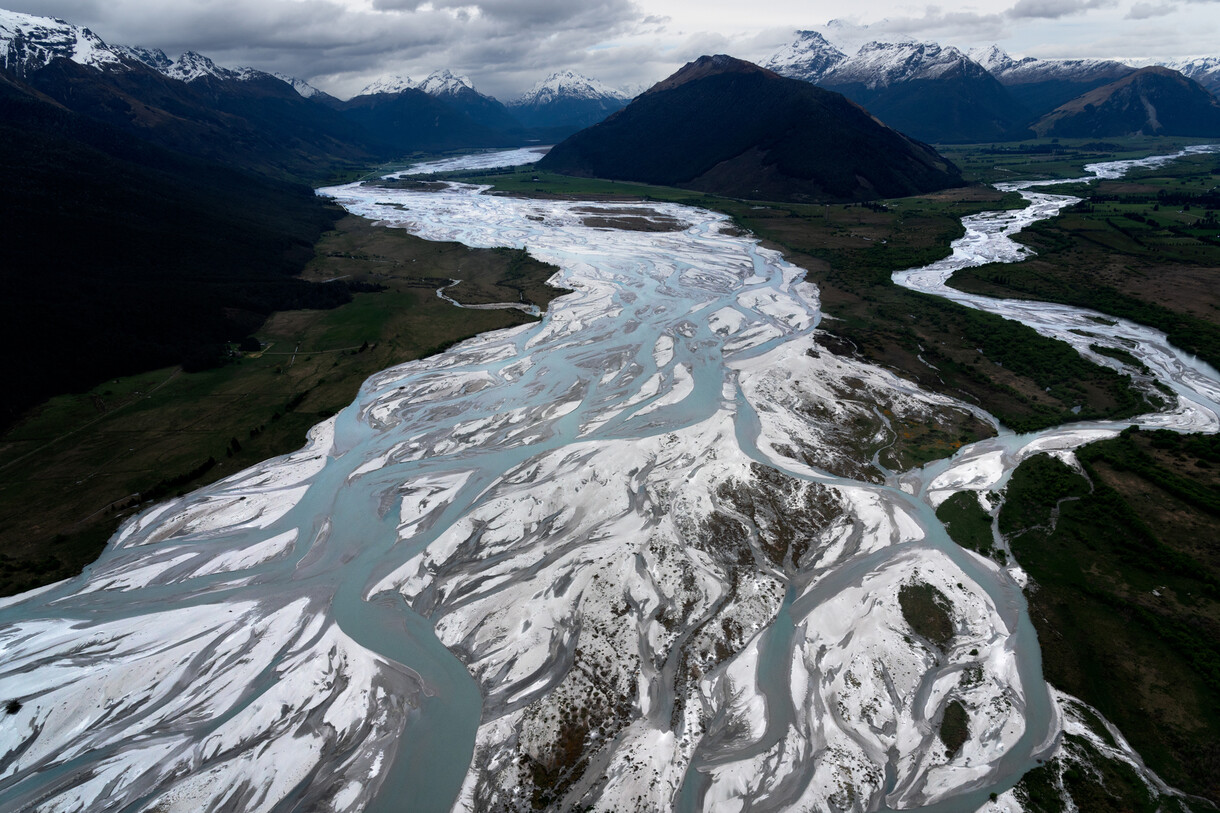
Unutai e! Unutai e!
Unutai e! Unutai e!
Ko te wai anake, te au e riporipo ana ki mea roto, ki mea awa, ki te nuku o te whenua?
Aue taukuri e!
Pupū ake a Muriwai Ōwhata i a roimata He manawa piako te Papa ā-Kura o Takaroa
Waimate haere ana te waiora Kai hea rā taku ika e?
Kai hea rā te oraka mō taku iwi e!
What has transpired?
Only the rippling waters of this lake and of that river can be heard flowing across the land
Muriwai Ōwhata is over-flowing with tears
The great hīnaki of Māui, Te Papa ā-Kura o Takaroa, is like a hollow and empty heart
The life-giving waters are turning brackish and undrinkable
Where have our fresh water fish species gone?
Where are our people able to thrive?