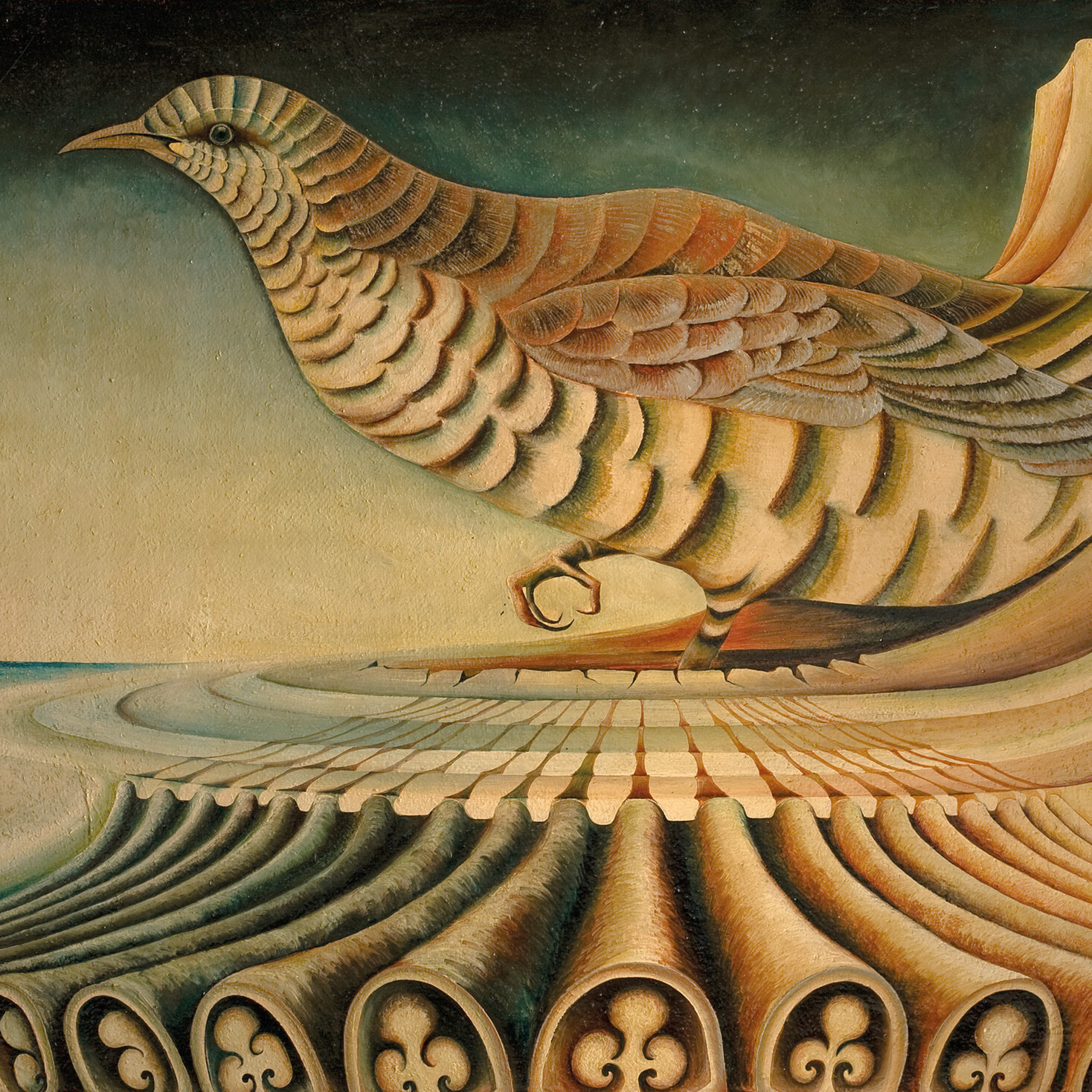
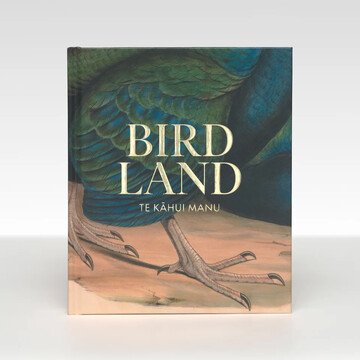
Bird Land: Te Kāhui Manu
The islands of Aotearoa New Zealand were once inhabited by birds. Shrieking, warbling, tinkling, booming. Forest, river, marsh, mountain, ocean, shore—everything charged with their mauri, life force.
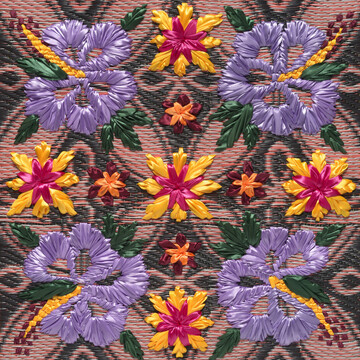
Made in the Pacific: A Collection of Tāoga
A selection of Pacific tāoga from the Canterbury Museum in conversation with contemporary artworks that highlight the continued strength in culture and traditional art forms.
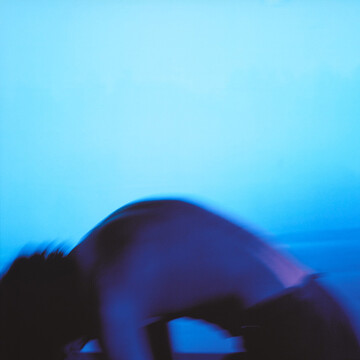
He Kapuka Oneone – A Handful of Soil
Exploring the relationship between tākata and whenua – people and land – through Aotearoa New Zealand’s art history.
E tuwhera ana te wharetoi i kā rā e 7 o te wiki, 10am - 5pm
Ka tuwhera ki te 9pm i kā pō Wenerei
Open 7 days, 10am - 5pm
Late night Wednesday until 9pm
Uruka utukore, ahokore utukore
Free entry, free wifi
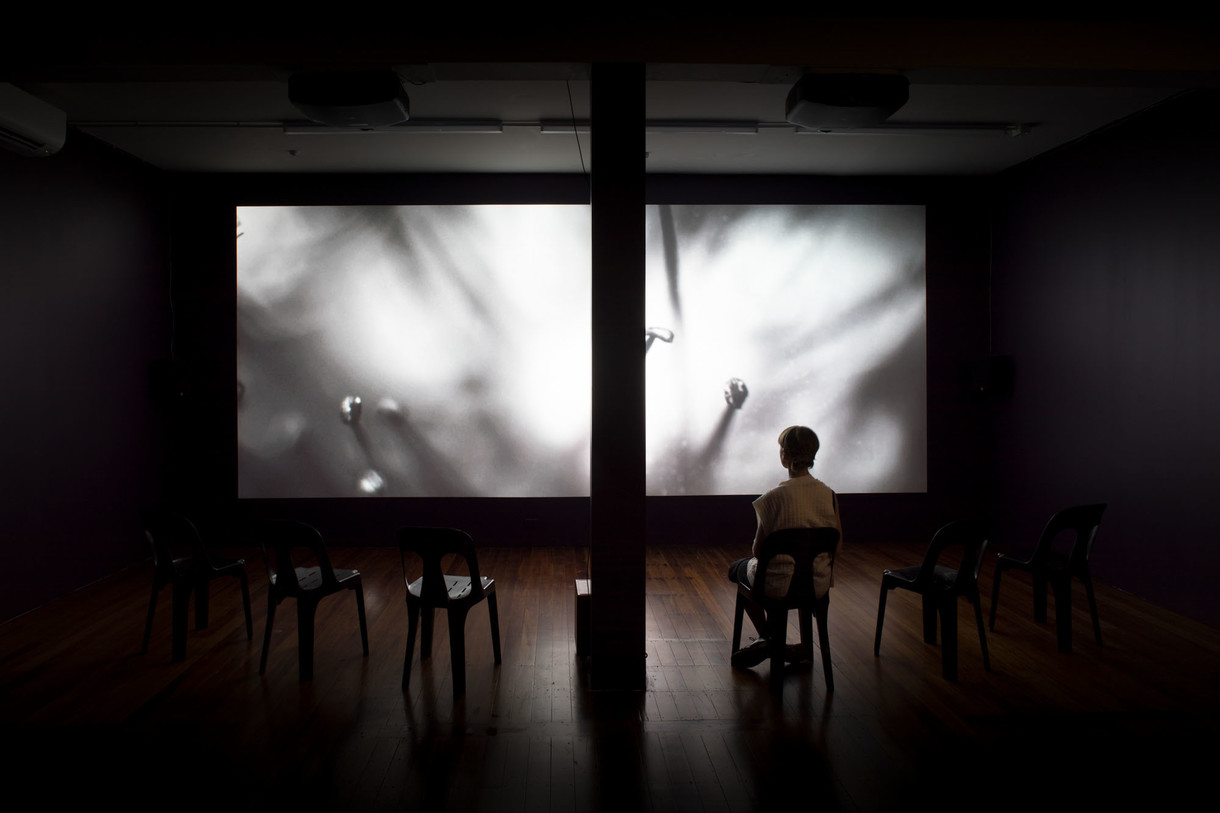
Te Whakawhitinga
Te Whakawhitinga is a haerenga, a journey. It is not a long film, approximately eleven minutes total, but the geography it covers stretches from Te Tai Tōkerau in the North to Ōtautahi in Te Waipounamu; from early adulthood to old age; and from the time of Te Pākanga Tuarua o te Ao, World War II, to the present. Te Whakawhitinga follows this narrative like a stone skimming across water: touching down at points, at others flying across space-time with the momentum of recall.
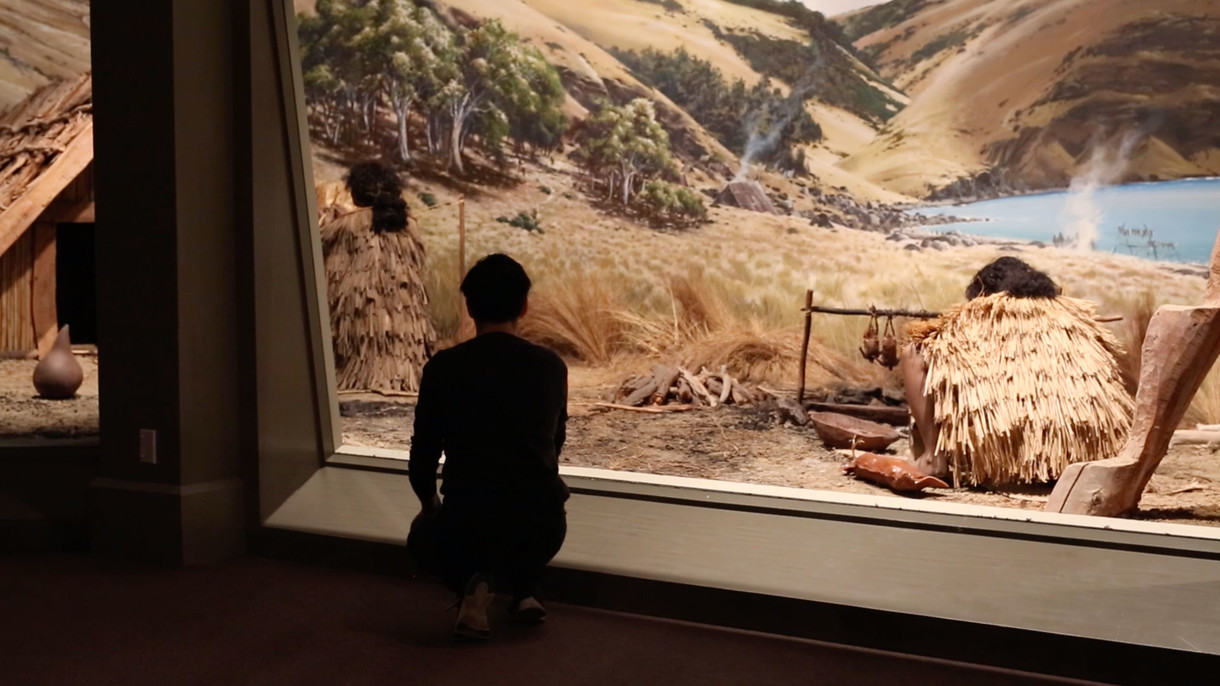
Ka Mua Ka Muri
Our histories are always with us, but who is telling the story? The Gallery’s new collection hang, Perilous: Unheard Stories from the Collection offers up a range of different perspectives on how the past and future might intersect, and invites us to rethink how we commonly see our heritage. Here, the exhibition’s curators have each selected a work from the exhibition for a closer look.
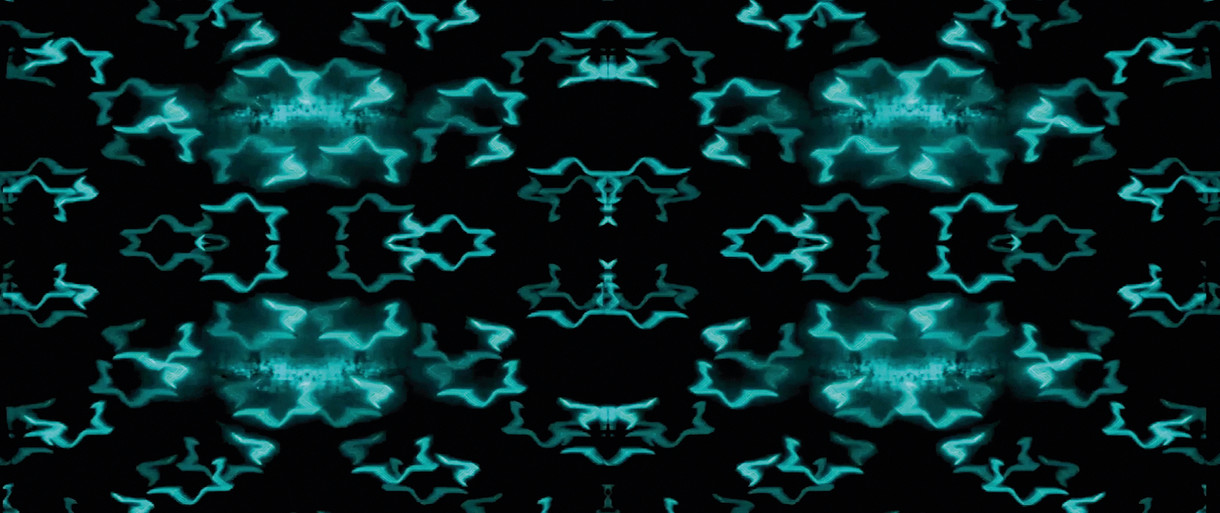
Memory Pictures
… it suits me to take pictures on celluloid that were formerly pictures of the mind, memory pictures, pictures of the imagination …
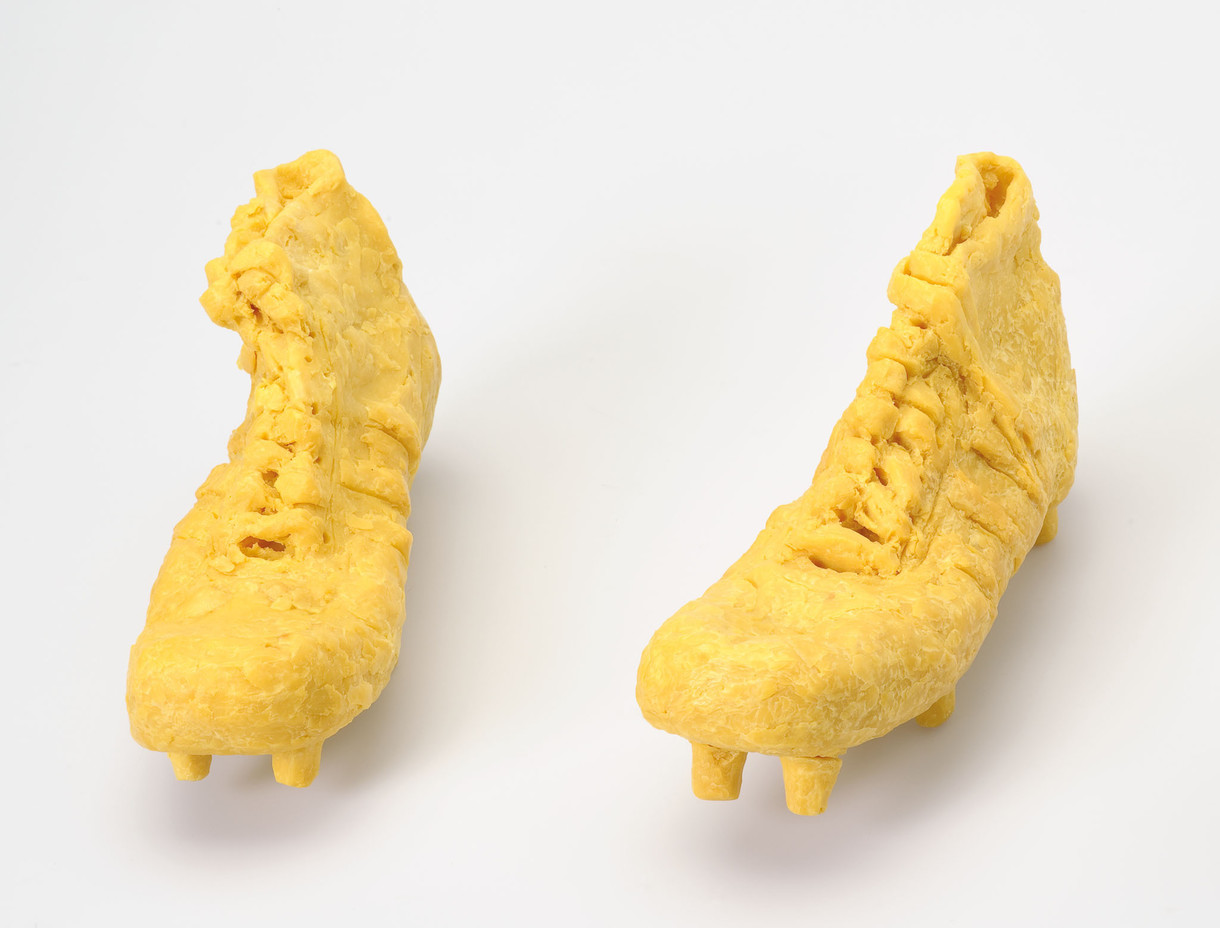
A Gathering Gravity
My encounters with Grant Lingard’s works have been few and fleeting. My information derives largely from the archive. The show has yet to open and I know only the title. But I am deep in speculation about what it will bring.
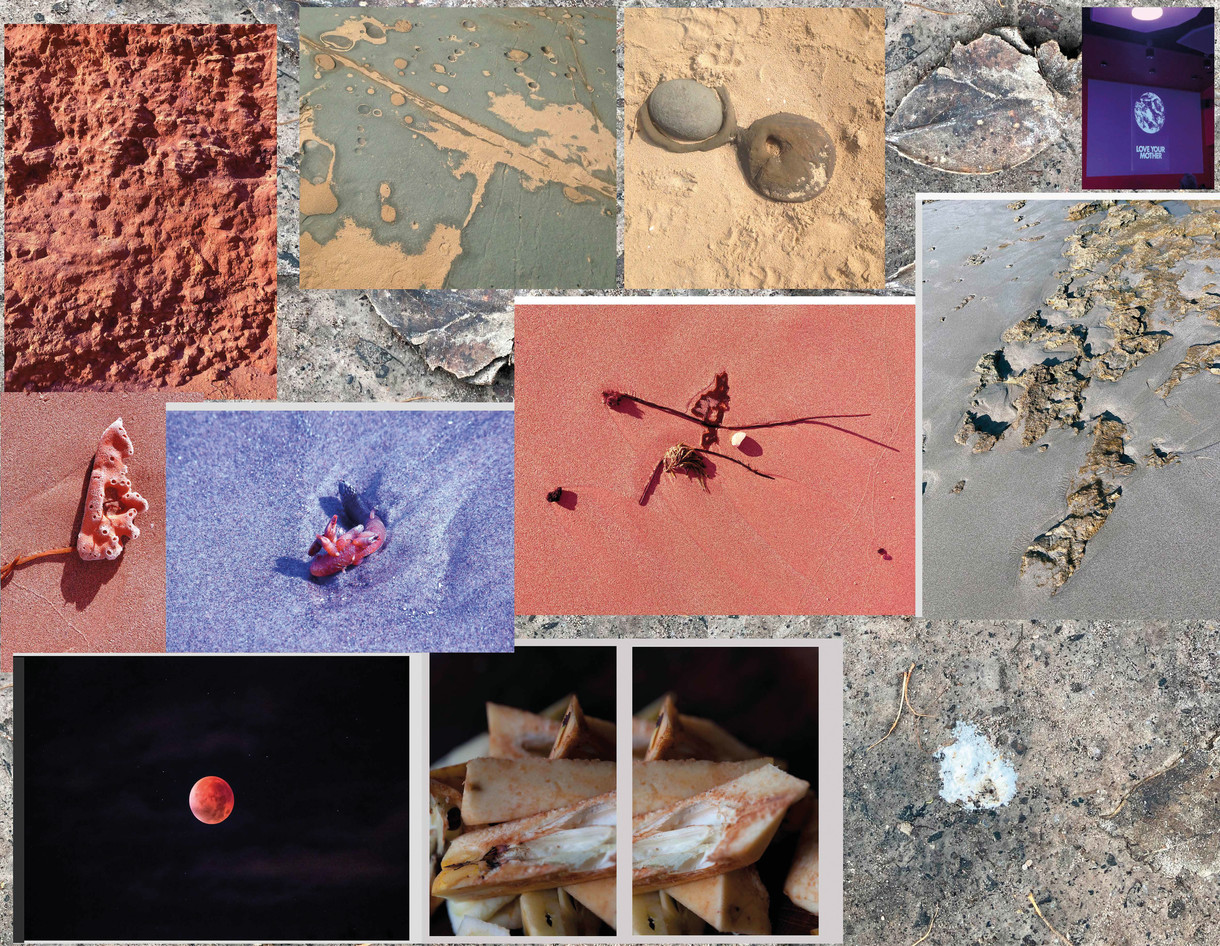
Alicia Frankovich’s Atlas of Anti-Taxonomies
Orange peel, ant’s eye, hibiscus flower, rhubarb, bacteria, a space blob, a virus, an x-ray of a human skull – human, non-human, inhuman, entangled and disordered. In the Atlas of Anti-Taxonomies, artist Alicia Frankovich groups these things by difference rather than sameness, showing them to have dynamic relationships and visual rhythms. Consisting of over 100 images that the artist has gathered, constructed and found, Frankovich’s carefully selected and arranged collections of phenomena, beings and objects glow from lightboxes hung throughout the gallery space. Their collated, overlapping and montaged images are wild and vibrant. Their placement on the large screens feels momentary, as though this is just one iteration of many possible permutations, disrupting any typical or static taxonomical order. In making this work, Frankovich has drawn on the extensive body of research around posthuman ecologies, decolonising nature and queer theory, underscoring this beautiful exhibition with complex ideas of domination and control.
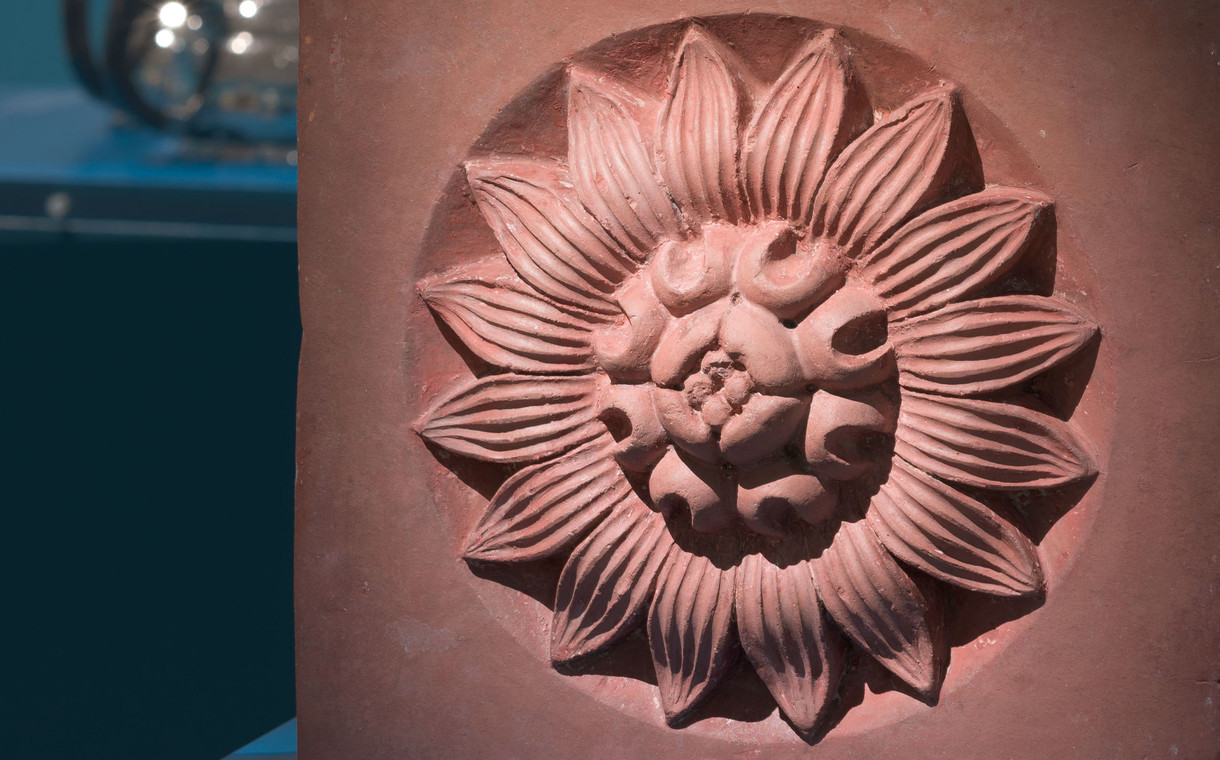
The Arts and Crafts Movement at the End of the World
It is interesting to ponder how makers involved in the Arts and Crafts Movement might respond if they were able to see their works on display in galleries today. While exhibitions on a range of scales were central to the Arts and Crafts, and played a key role in how its ideas and objects reached new audiences and took root across the world, today’s retrospective explorations of the Movement are to some extent testament to the fact that it never revolutionised art and life to the extent that its protagonists had initially hoped.
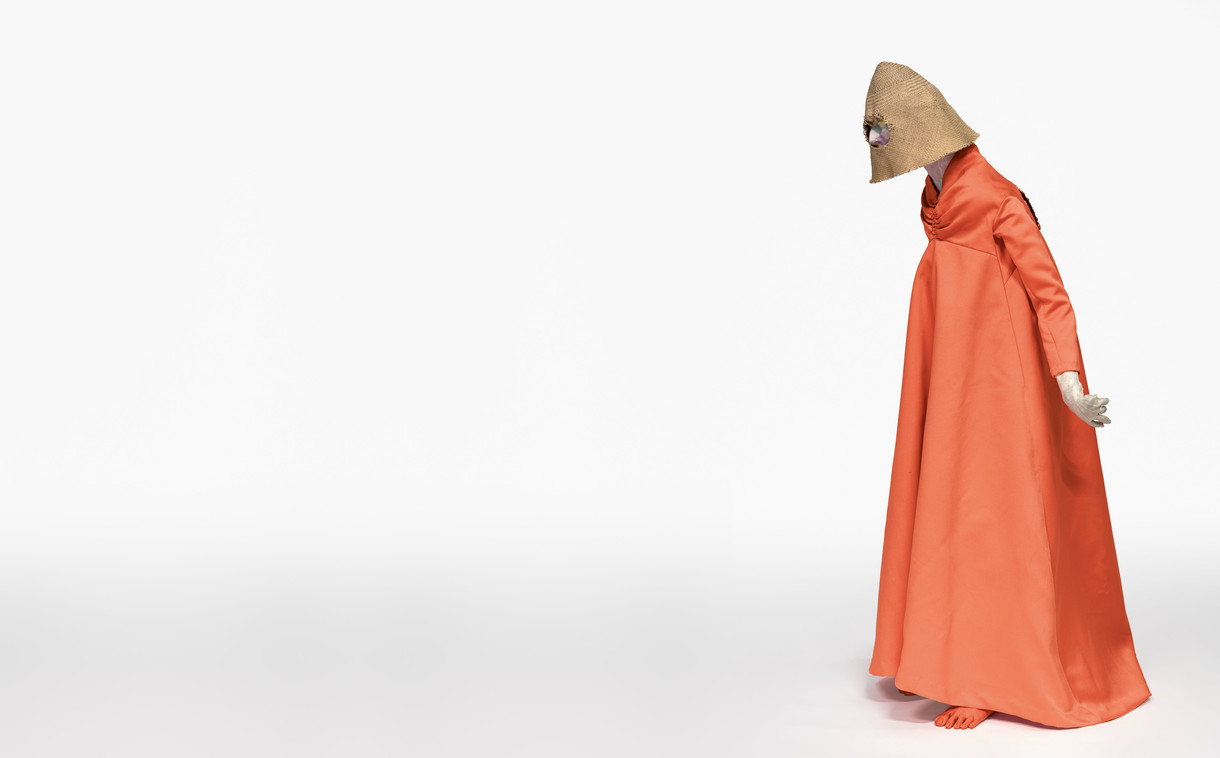
Bury the Lede
From the side of a hill the woman and child – ectomorphic – hunting for cockles, look like wading birds. Siblings climb on top of each other and hold handstands like circus-adjacent cheerleaders in tie-dyed active-wear. Two write code and scale limestone boulders, competing with each other almost good-naturedly without mats. Weeds and things scrounged – pipi, lemons, parsley, small mushrooms, seaweed and bracken fronds – are eaten with brown rice. Later there are bruised peaches, grapefruit and hard pears with a whiff of quince kept in a bowl for the colours and smells – green, orange, gold, purple, brown, grey, black.
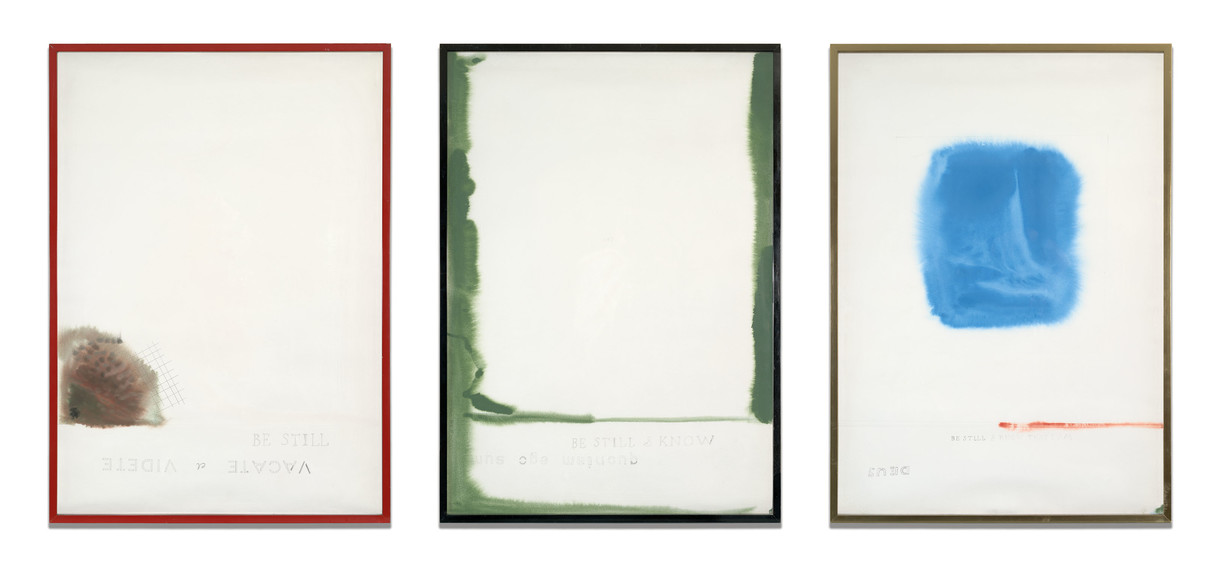
Gifts on the Table: a tribute to Joanna
Summer green as lint / wound about the bone / bandaged in green I lay / quiet all summer long / summer sings a song / of its own.
This is an unpublished poem written by Joanna when she was living at Barrys Bay on Banks Peninsula. She moved there with her husband Jeffrey Harris and their daughter, Magdalena, in 1975. The family had previously been staying at Okains Bay. There’s a languid, sensuous feel to the lines. The summer is beautiful, it’s green and musical and encompassing, and yet a feeling of unsettlement arises. The choice of ‘lint’ and ‘bandaged’ suggest damage and there’s a need to rest up, a need for healing. I wonder if Joanna was pregnant at this time; that would make it 1976 and she would be awaiting the birth of her second daughter, Imogen. The baby was born in the Akaroa hospital in late February, but sadly died after surgery for a heart condition in December of the same year. An exquisite white marble headstone, a hemisphere carved by Jeffrey, marks the grave in the Akaroa cemetery. Joanna herself was buried there in 2003.
The Golden Bearing and Postcritical Enchantment
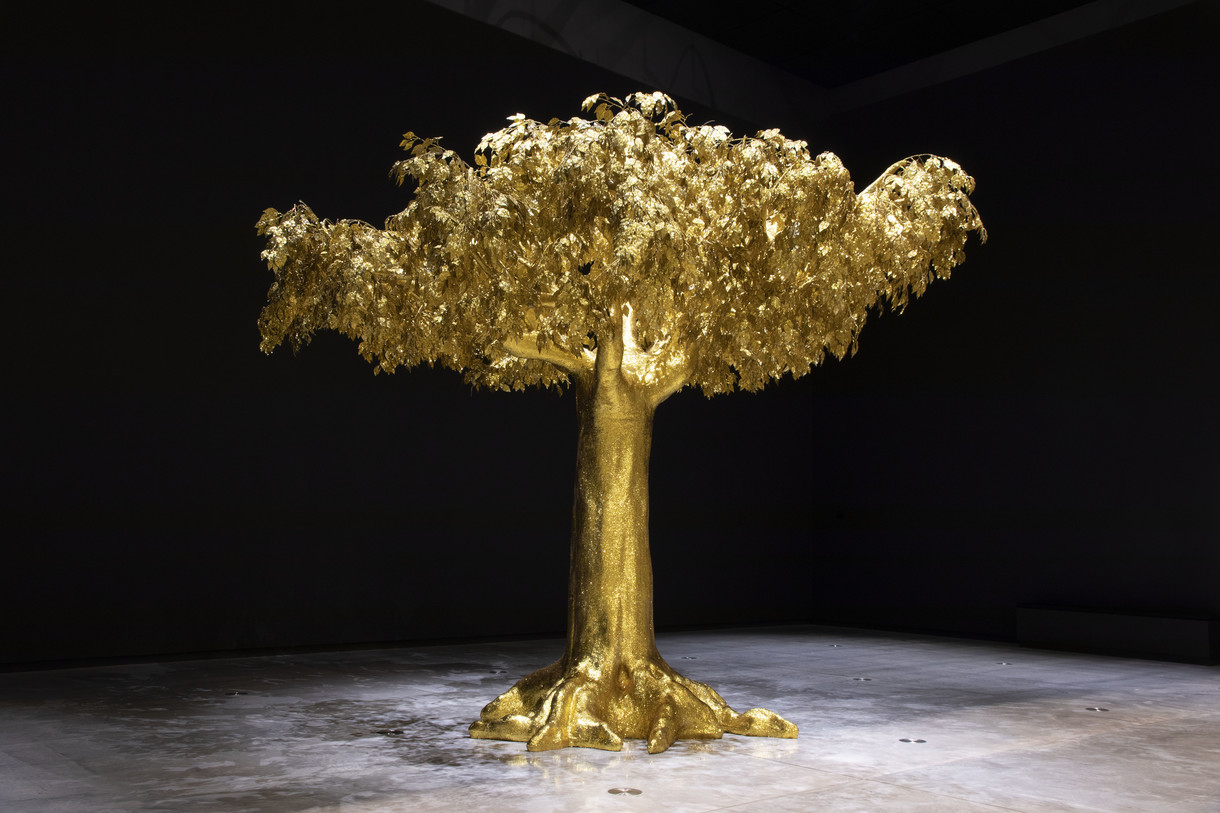
Reuben Paterson’s The Golden Bearing is a life-sized tree in sparkling gold. This three-dimensional form extends the artist’s frequent use of glitter and diamond dust into the realm of sculpture. In doing so, his magical tree and its shimmering leaves speak to the complex and evolving relationship between nature and culture, via a grounding in hope, joy and wonder.
Te Puna Waiora
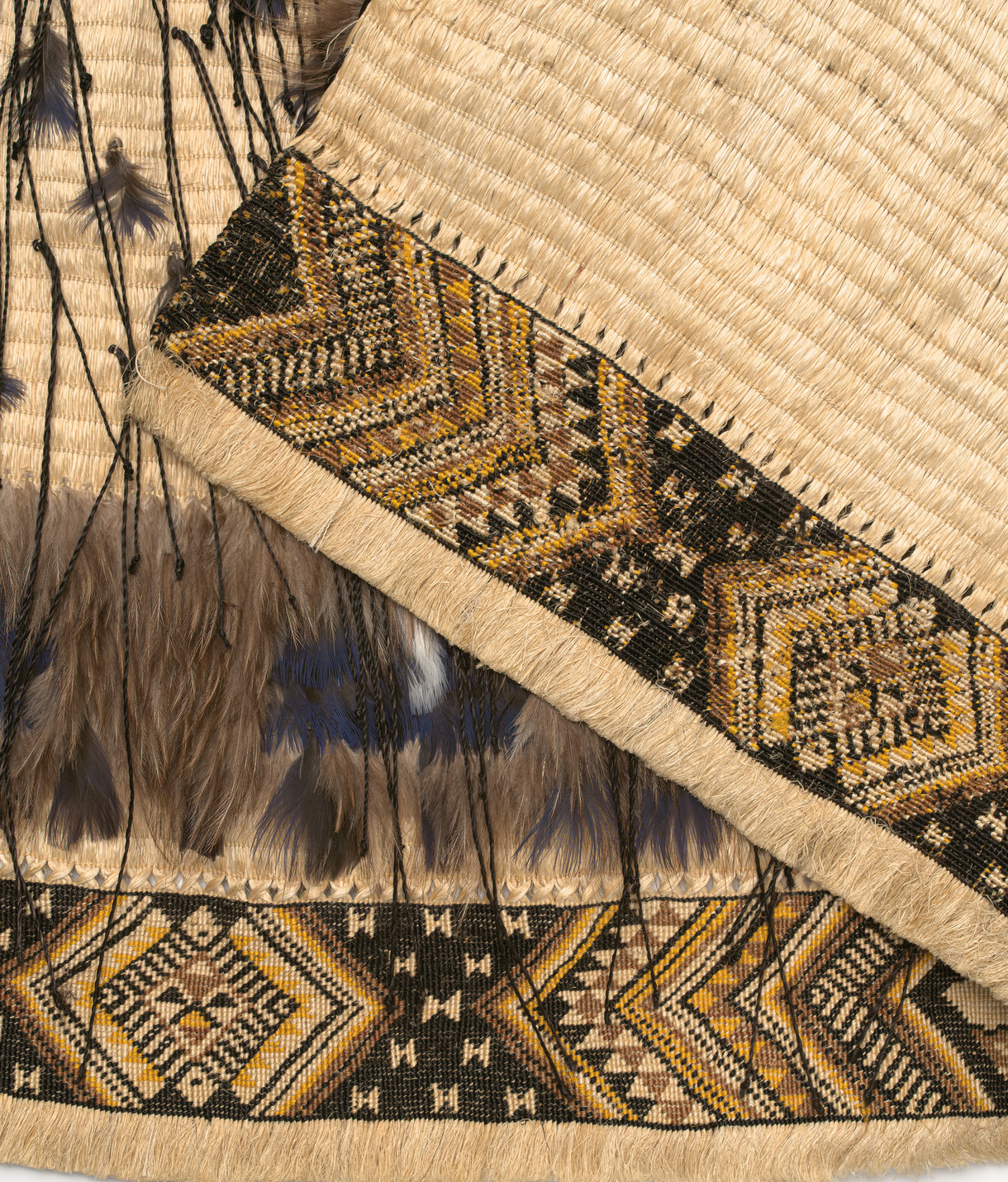
In the Māori worldview, context is vital. Knowledge is not disembodied information but part of a living matrix of encounters and relationships, past and present, natural and spiritual.