Harry Linley Richardson: Cynthia’s Birthday
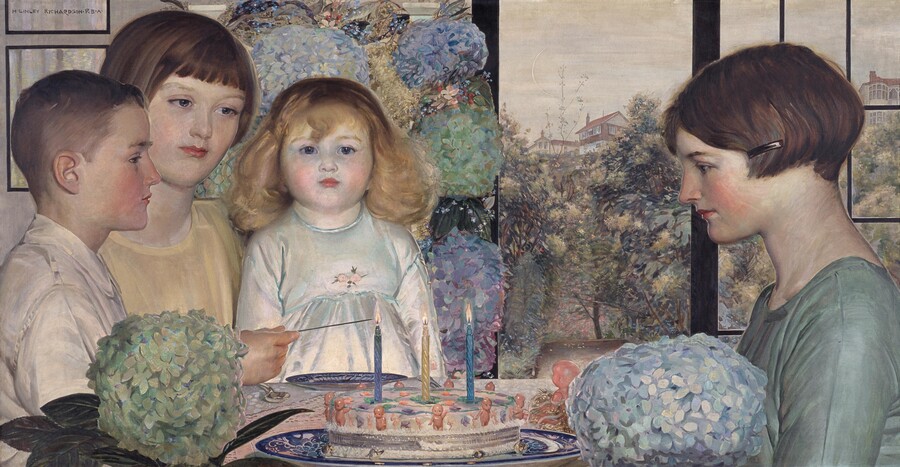
Harry Linley Richardson Cynthia’s Birthday 1926–7. Oil on canvas. Collection of Christchurch Art Gallery Te Puna o Waiwhetū, presented by the Canterbury Society of Arts, 1932
I have always been drawn to, and repelled by, Harry Linley Richardson’s Cynthia’s Birthday. This odd painting – capturing a group of children, gathered around a birthday cake with the graven solemnity of a pre-Renaissance Lamentation – typifies a quality of ambiguity I most value in both painting and poetry; something I call counterplay. Borrowed from chess, counterplay is the term I use to describe the sense that a work is pulling you in two directions at once, usually with tragicomic effect.
Here, children are earnestly participating in what ought to be a joyous, spontaneous occasion: a birthday party. They are perfectly groomed. Their round, submissive heads are echoed in the shapes of flowerheads repeated in the foreground and background. The painted china plate; the luscious scenery out the window; the framed certificates on the wall; all speak of an affluent, orderly life. Yet the children themselves seem unable to feel any joy. I imagine their family life dominated by the anxiety of two parents, trying to run a ‘normal’ household, while the children live in constant fear of upsetting those expectations.
I certainly didn’t grow up in such a household, but I relate painfully to the feeling, written on the face of even the youngest child, that something is rotten in the state of Denmark. There were many times in my childhood when I felt myself incapable of feeling whatever childlike feeling – usually joy or excitement – that I felt I was expected to feel. This painting, with all its awkwardness, at once brings me back to those odd, painful moments, and reassures me that I was not the only one who felt that way.
Related reading: My Favourite
Collection
Harry Linley Richardson Cynthia’s Birthday
Harry Linley Richardson began painting Cynthia’s Birthday in Karori, Wellington in December 1926. When purchased for Christchurch’s intended new art gallery in 1928, it attracted much criticism, largely for the children’s doll-like immobility. “Where is the joyful spirit of a birthday party? Why, such dolefulness?” wrote “Disgusted Ratepayer” to the Press, also discerning “no concentration on the matter at hand, namely, the lighting of the candle.”While others defended the selection, the painter himself had no comeback. London-born Richardson had arrived in New Zealand to teach at Wellington Technical College in 1908, and was a painter with a background in illustration and design, influences both evident in this work. Looking back rather than forward, he also admired the work of mid-Victorian Pre-Raphaelite painters such as John Everett Millais, whose devotion to realism with decorative effect and melancholic tone Cynthia’s Birthday certainly suggests.The work’s solemnity also makes it difficult perhaps not to consider the demands made on sitters, even the most pliable – these were the artist’s children – and the inherent tensions of artist-model relationships.
(Persistent encounters, March 2020)
My Favourite
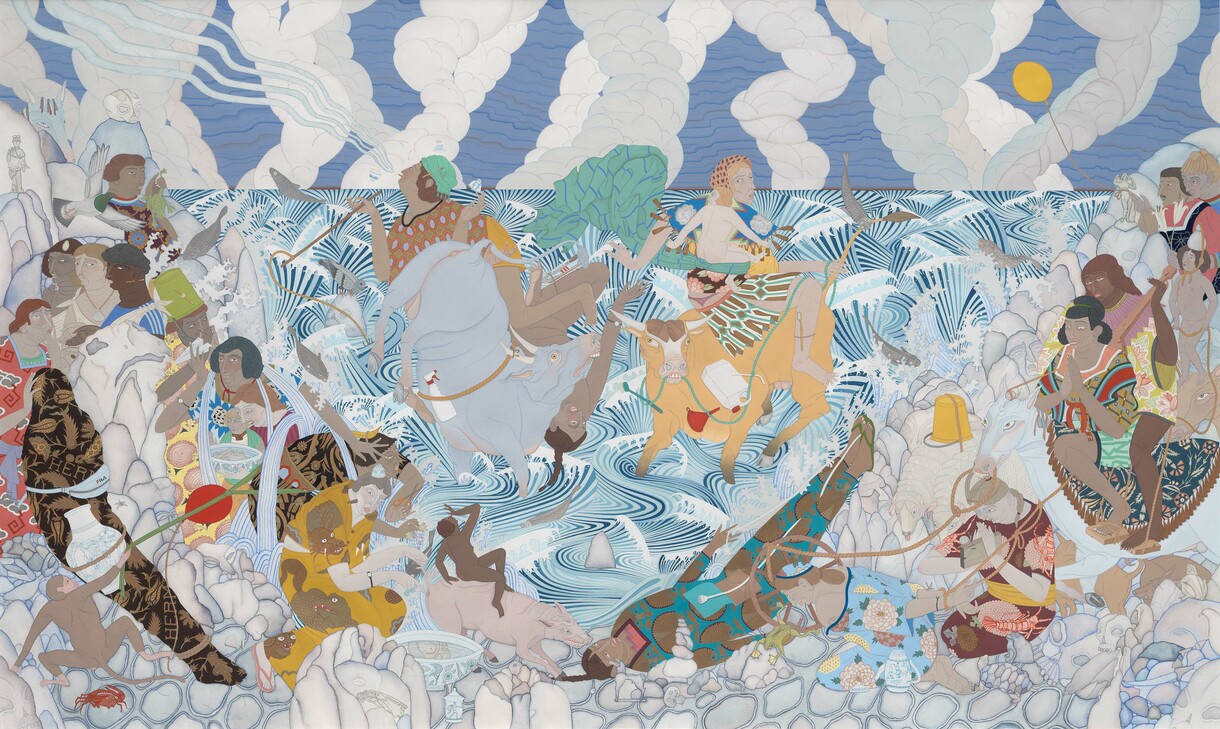
Kushana Bush: Glukupikron
My sister owns a gorgeous Kushana Bush work that I have coveted for some time. I think I had been subconsciously mind-banking her works since seeing it. Then, when I was overseas last year and feeling a little homesick, I listened to an RNZ National podcast of Charlotte Wilson interviewing the artist (Art, Life, Music: Kushana Bush). Kushana’s choice of music to accompany the interview was bliss: carefully chosen pieces by Bach, Satie, Britten, Bayaka pygmies and Jack Body.
My Favourite
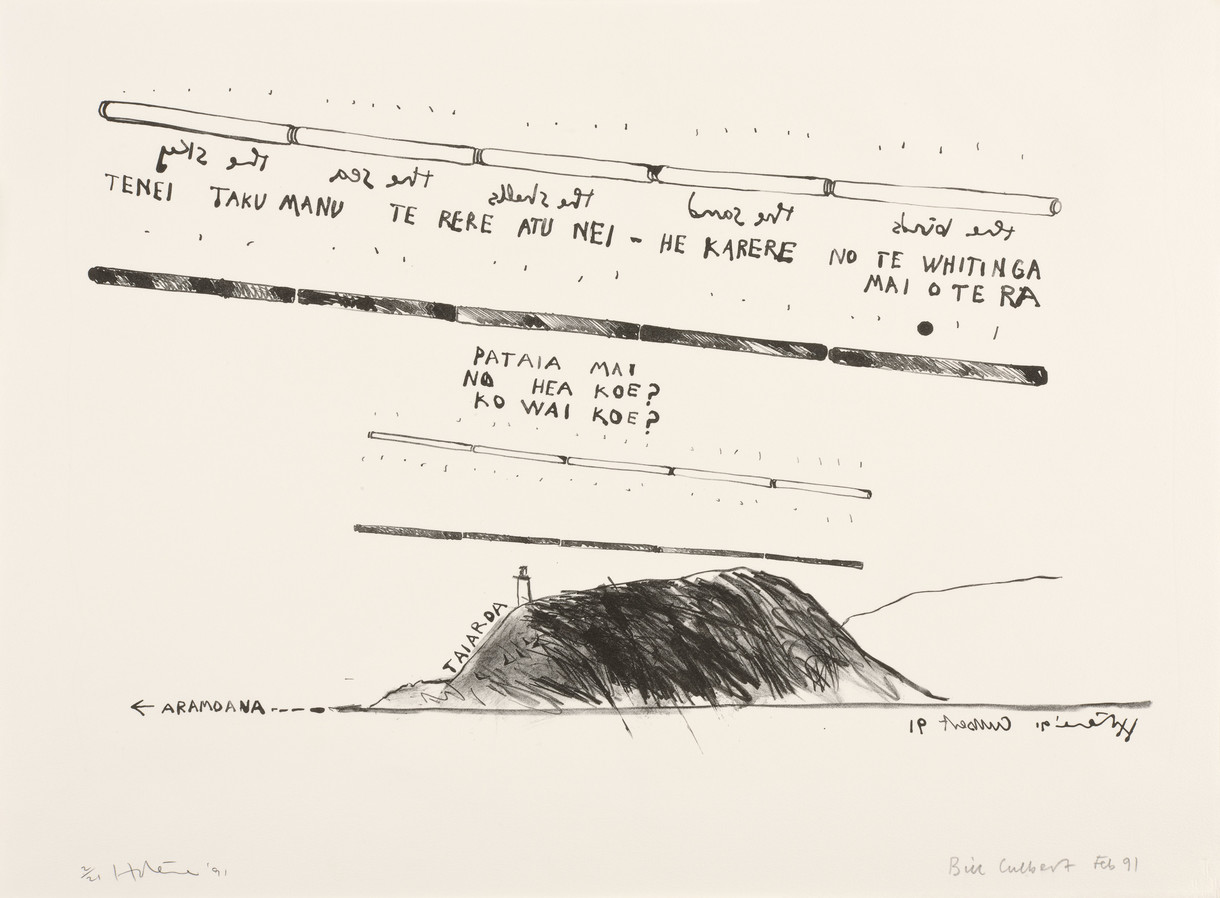
Bill Culbert and Ralph Hotere: Pathway to the Sea – Aramoana
My time working at Te Puna o Waiwhetū was strewn with highlights, but key among these is the experience of hanging Ralph Hotere and Bill Culbert’s Pathway to the Sea – Aramoana (1991), which was also my first experience of seeing this work up close and personal. Although not the greatest work or most popular work of art in the collection, this lithograph will always be special to me. I love the sparse aesthetic, the sense of a light touch. The bold decision to not occupy the whole page as the collaborators examine restraint, notations of the relevance of place and connections.
My Favourite
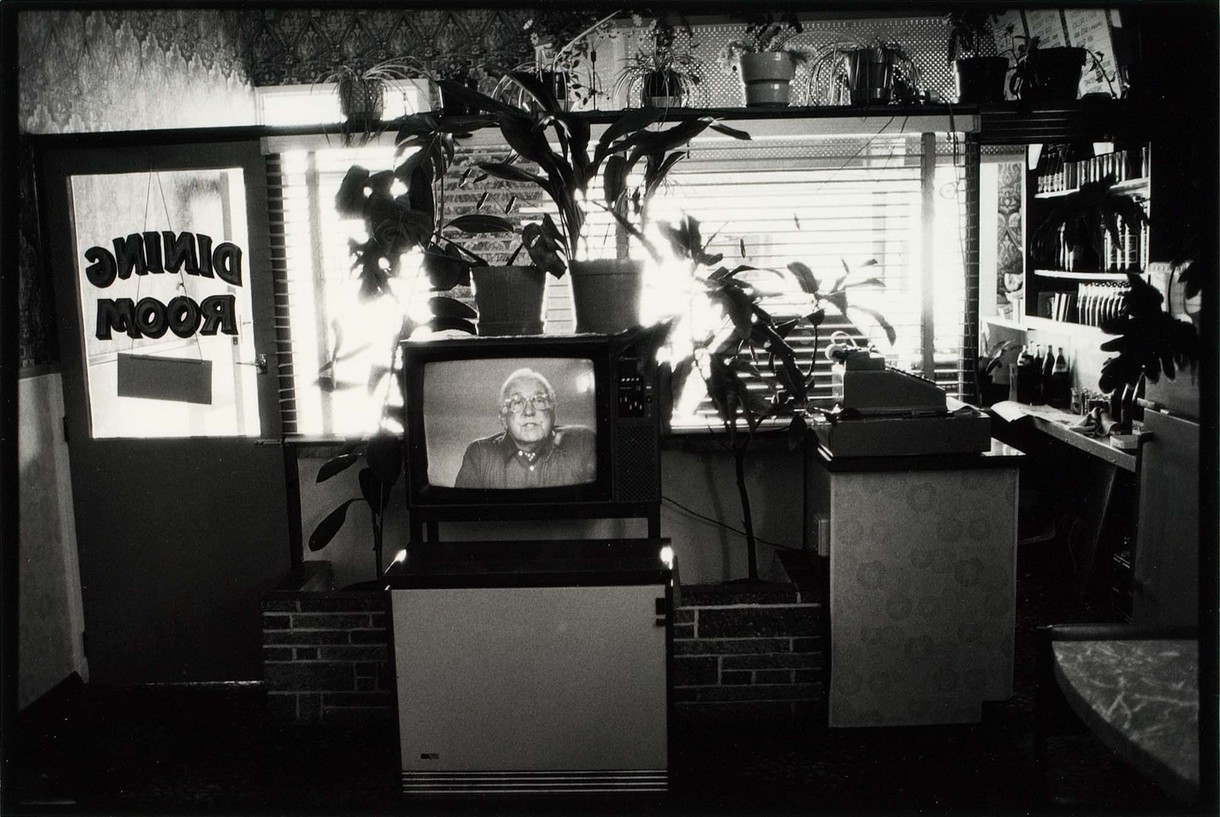
Selwyn Toogood, Levin
I spent much of my adolescence in hospital, confined to bed due to a chronic illness. With a 14" TV beside me, I’d travel to imaginary places via the controller of my Nintendo games console. At the time, I couldn’t imagine walking to the letterbox, let alone experiencing the more exotic places of the world.
My Favourite
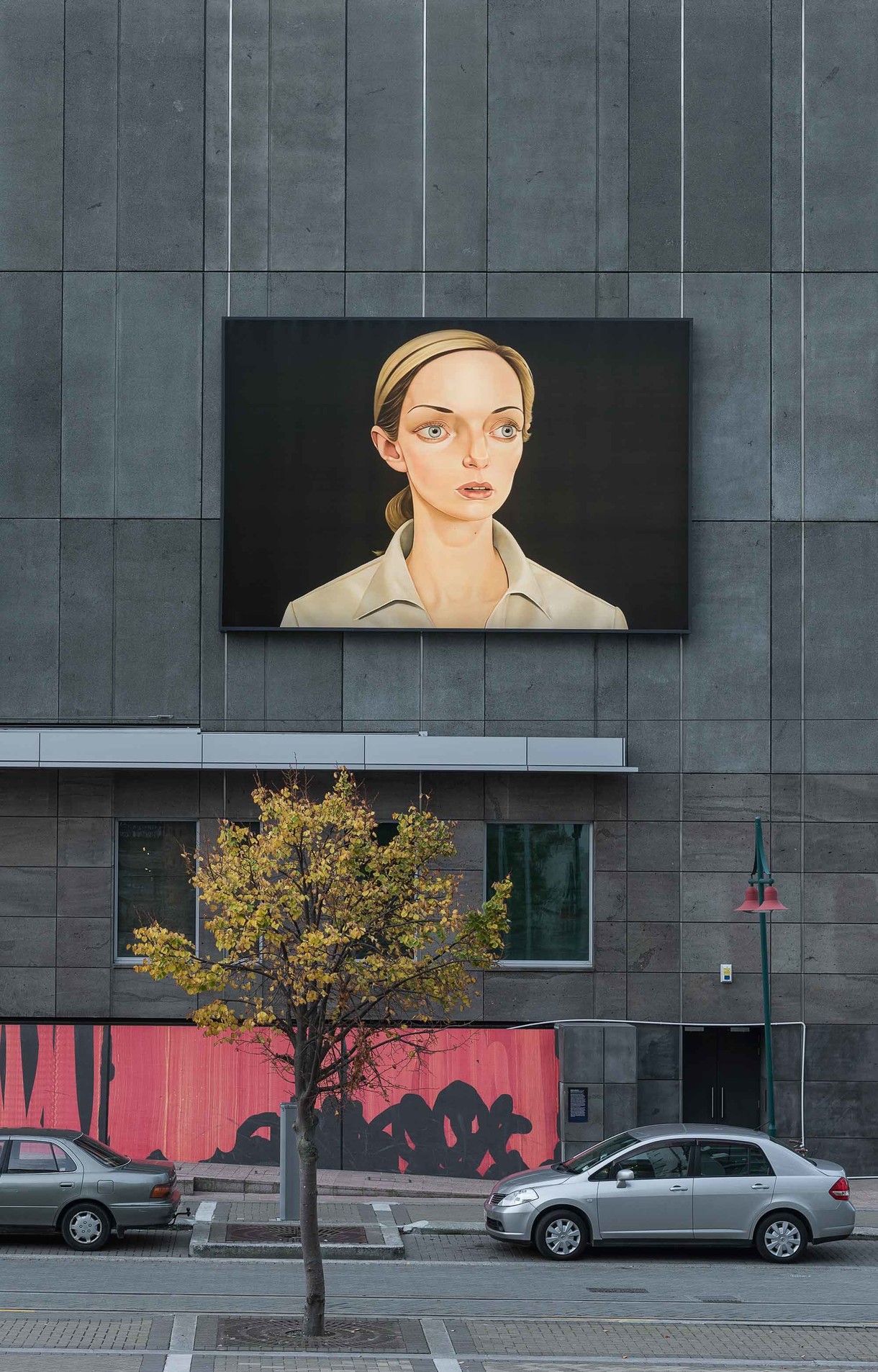
Peter Stichbury's NDE
Anna Worthington chooses her favourite work from the Gallery collection.