B.223
Director's Foreword
Director’s Foreword
Welcome to the two-hundred and twenty-third edition of our quarterly Bulletin magazine. We are especially proud of each issue of this magazine; it remains one of our most important ways of staying connected with our Friends, Foundation supporters, our Ōtautahi audience and the wider art sector.
Bulletin is made possible thanks to our ongoing partnership with Leon White Design and the talented design students from Ara Institute of Canterbury. My sincere thanks go to Leon and his team, who have expertly led Bulletin’s design since B.206 back in December 2021. Their creativity, care and commitment continue to shape the look and feel of our magazine, and we are deeply grateful for their support.
Commentary
On the World Stage
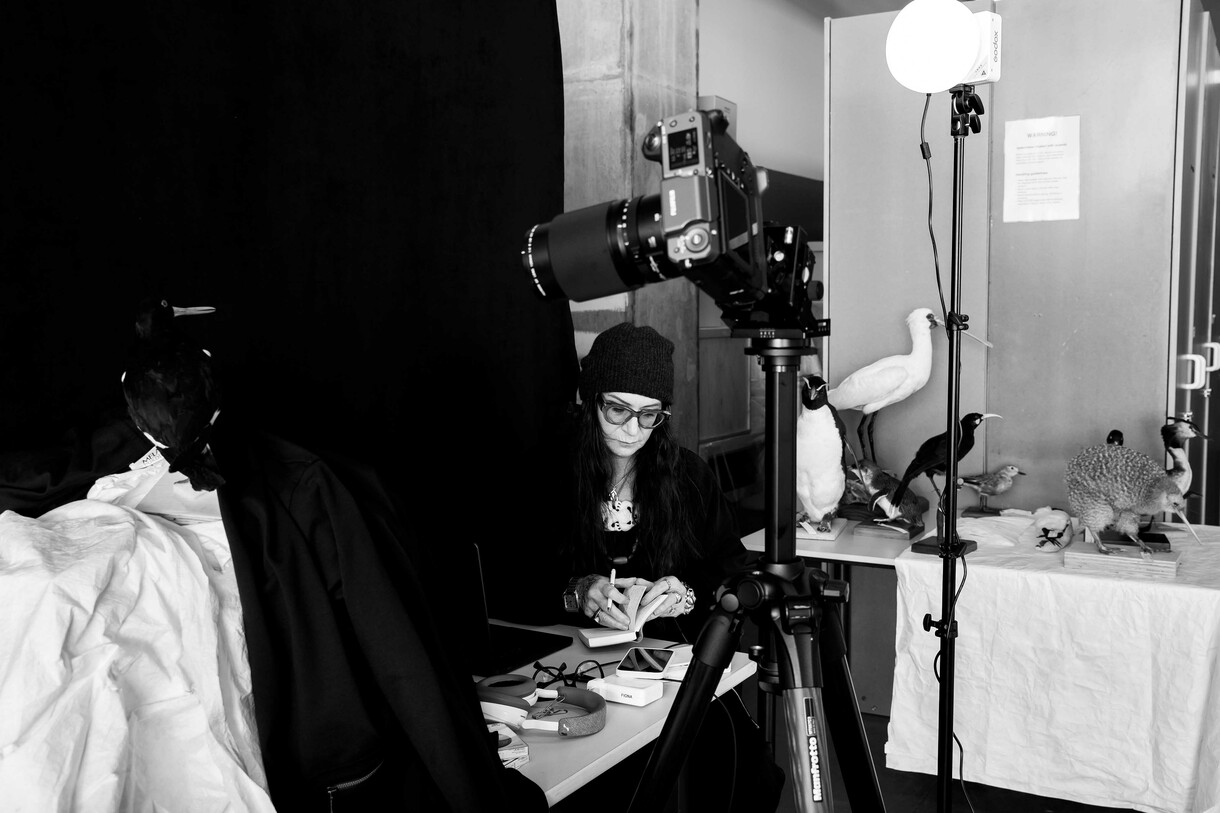
When Fiona Pardington’s remarkable presentation Taharaki Skyside opens this May at the 2026 Venice Biennale, it will be the result of months of work by the artist and many others, including the team here at the Gallery. In January 2025 the Gallery was announced by Creative New Zealand as the exhibition delivery partner for the project, with curators Felicity Milburn and Chloe Cull at the centre of a team that would work with Pardington to develop the exhibition and accompanying publication. Bulletin asked Chloe and Felicity about the project.
Commentary
‘For us and our children after us’
“… the relative poverty in which many Canterbury Kāi Tahu were then living was directly attributable to their loss of land in the nineteenth century.”
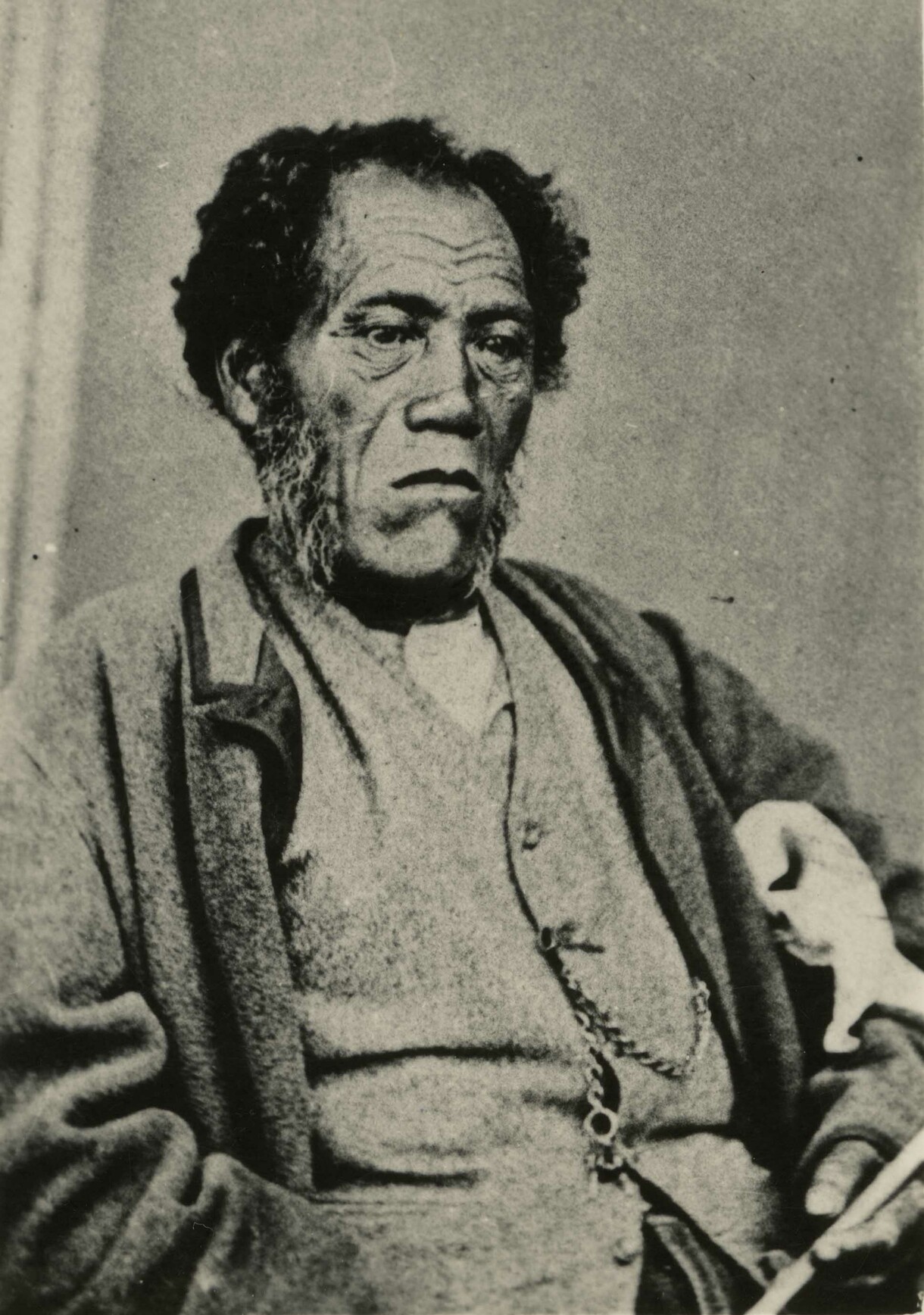
In 1952, the historian and friend of Kāi Tahu Harry Evison (1924–2014) completed his Master’s thesis, ‘A history of the Canterbury Maoris (Ngaitahu) with special reference to the land question’. He concluded that the relative poverty in which many Canterbury Kāi Tahu were then living was directly attributable to their loss of land in the nineteenth century. His argument reflected the intergenerational, lived experience of Kāi Tahu communities but was dismissed in the academic circles of the 1950s where the inherently racist Pitt-Rivers theory of ‘culture clash’ prevailed – according to this theory the negative impact of the colonial encounter on Māori was attributed to ‘psychological collapse’ rather than the economic hardship enforced by the loss of land and resources.
Commentary
Ōmutu
10 December
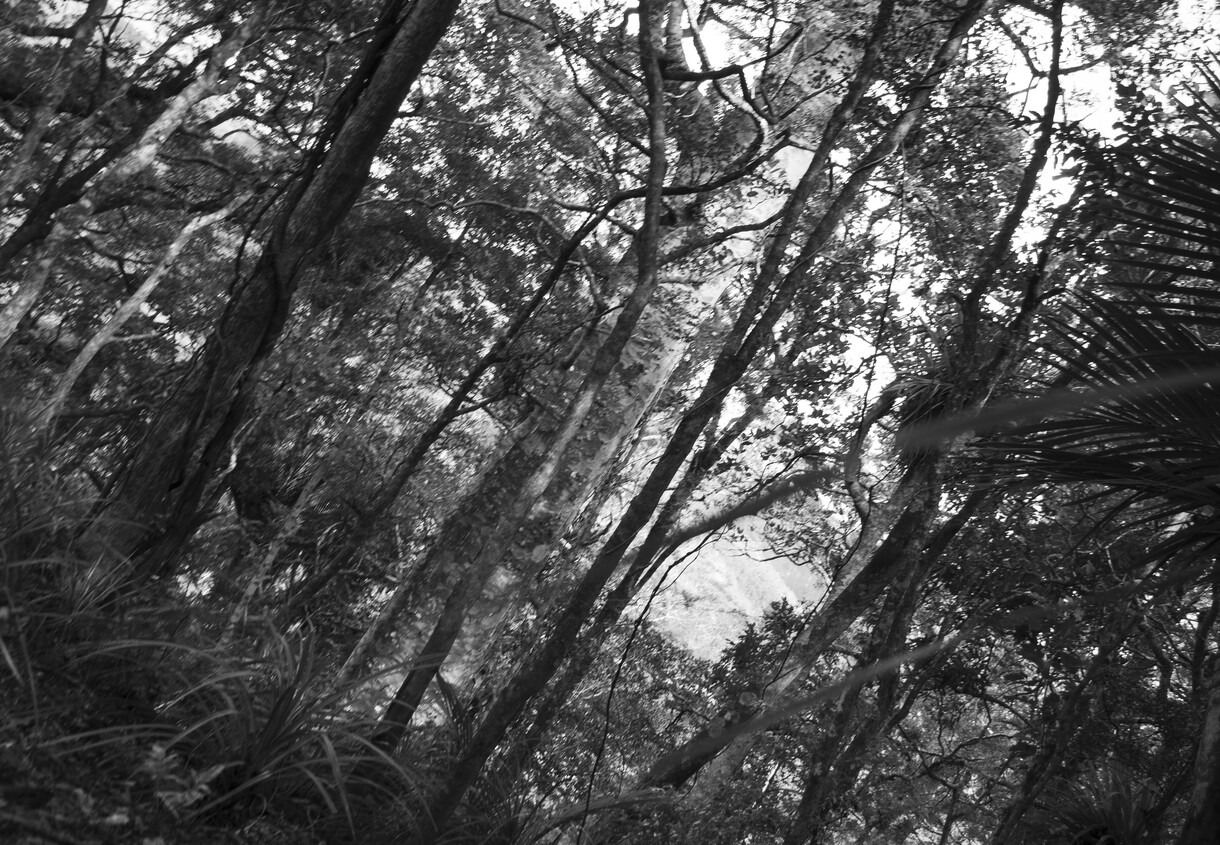
5.45am. Two starlings in Stacey’s unblooming pōhutukawa. A tūī guns past the window in the direction of the sea. Wednesday’s freight train rumbles north leaving a tail of sound. Dear Ana. The building inspector came on Monday. We should know by tomorrow or Friday at the latest. If my house goes unconditional I’ll finally be able to breathe again and eat. I’m sorry I haven’t been able to focus on the kauri yet.
My Favourite
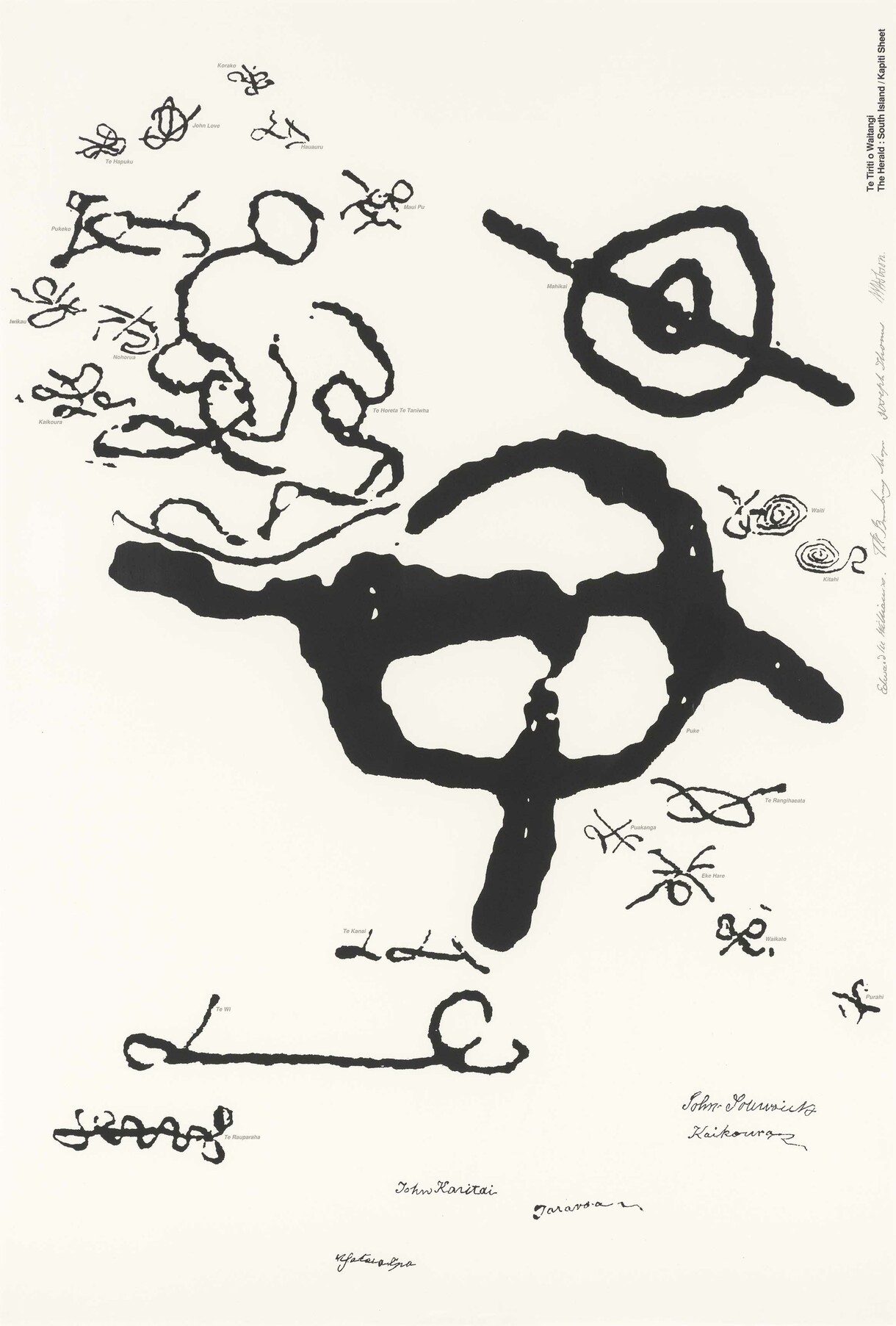
Max Hailstone: Te Tiriti o Waitangi: The Herald, South Island/Kapiti Sheet
I have a complicated love/hate relationship with Max Hailstone’s ‘Treaty Posters’. I was a student of Max’s very shortly after he completed this suite of screenprints in 1990 for the 150th anniversary of the signing of te Tiriti o Waitangi. I remember seeing the prints lurking around the design studios but also knew that our art history lecturer Jonathan Mane-Wheoki (Ngāpuhi ki Hokianga, Te Aupouri, Ngāti Kuri) had stepped in at the last minute and organised a tapu-lifting ceremony at the Ilam School of Fine Arts to alleviate some of the controversy around the project.
Commentary
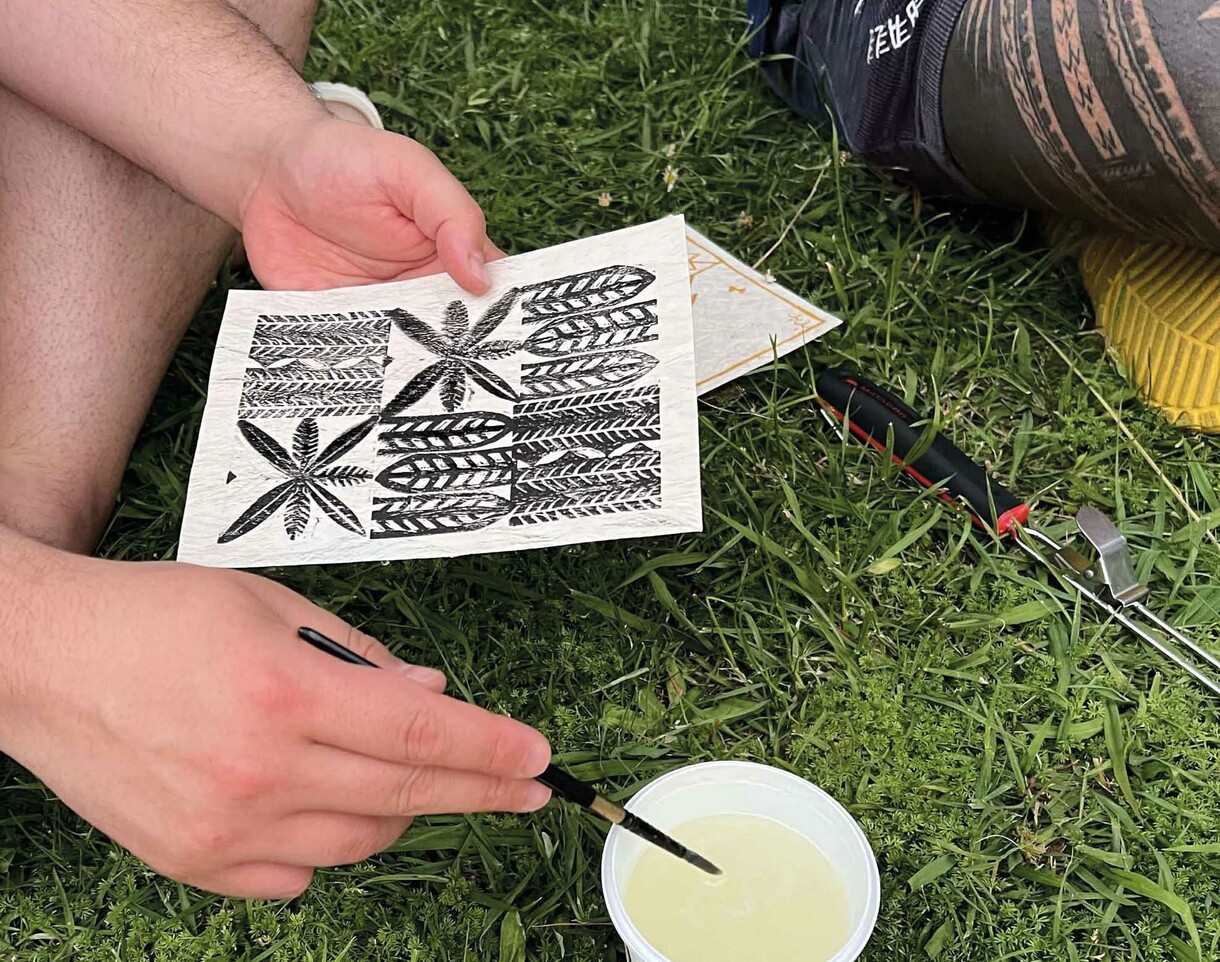
Awhitu Wānanga
Made in the Pacific: A Collection of Tāoga celebrates Pacific tāoga, bringing together examples made by moana ancestors with new work by their distant mokopuna.
The museum treasures in this exhibition are by makers who gained their knowledge from elders and specialists in their communities. Their work contains precious cultural histories within both the materials and visual language.