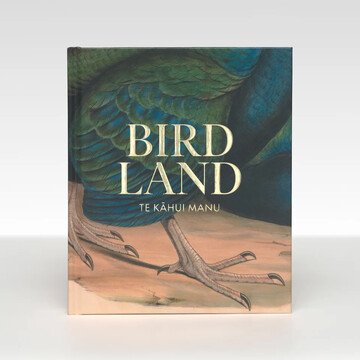
Bird Land: Te Kāhui Manu
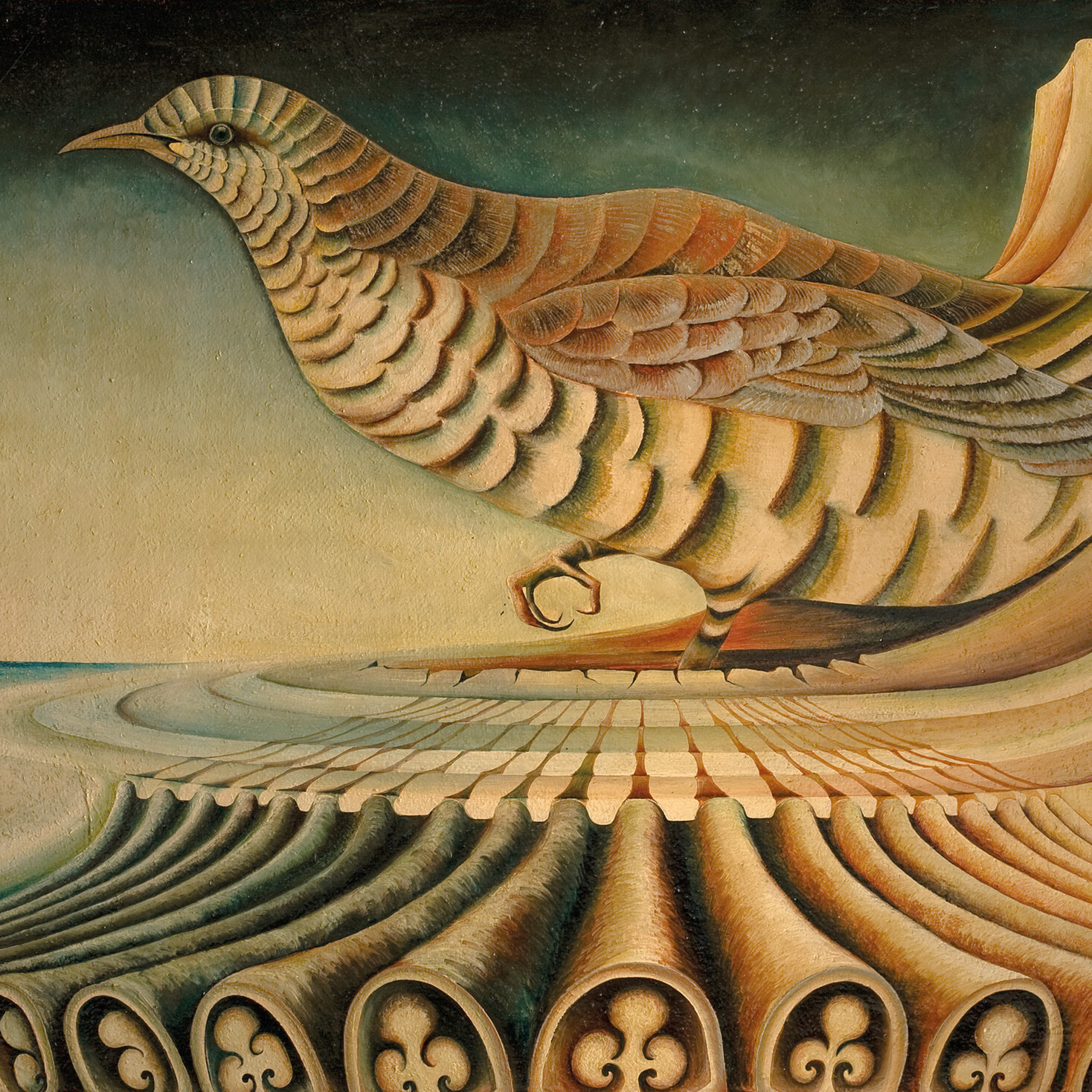
The islands of Aotearoa New Zealand were once inhabited by birds. Shrieking, warbling, tinkling, booming. Forest, river, marsh, mountain, ocean, shore—everything charged with their mauri, life force.
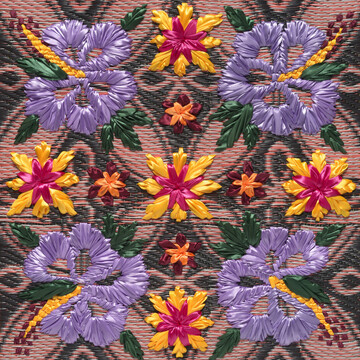
Made in the Pacific: A Collection of Tāoga
A selection of Pacific tāoga from the Canterbury Museum in conversation with contemporary artworks that highlight the continued strength in culture and traditional art forms.
He Kapuka Oneone – A Handful of Soil
Exploring the relationship between tākata and whenua – people and land – through Aotearoa New Zealand’s art history.
E tuwhera ana te wharetoi i kā rā e 7 o te wiki, 10am - 5pm
Ka tuwhera ki te 9pm i kā pō Wenerei
Open 7 days, 10am - 5pm
Late night Wednesday until 9pm
Uruka utukore, ahokore utukore
Free entry, free wifi
Helen Brown
Commentary
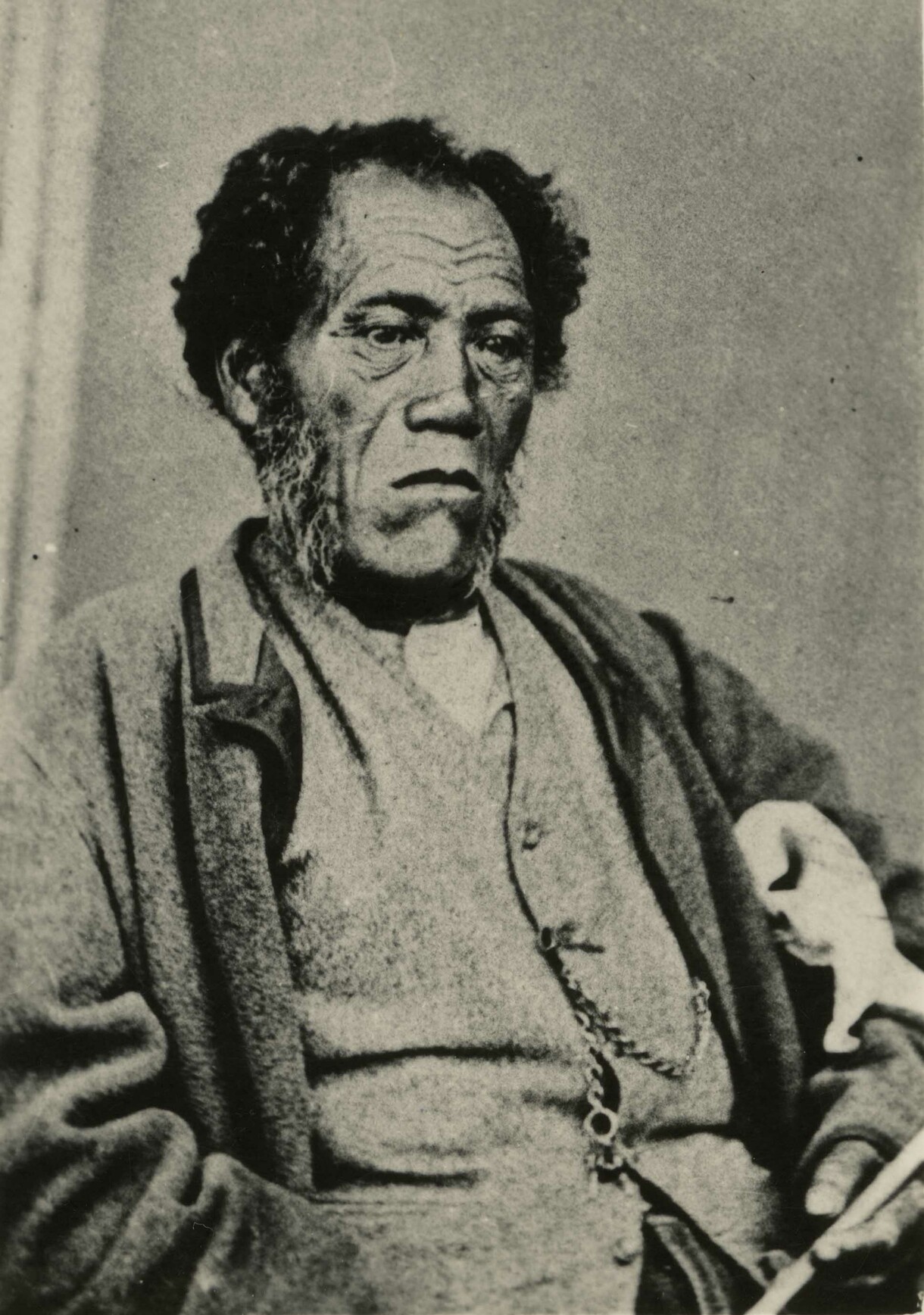
‘For us and our children after us’
“… the relative poverty in which many Canterbury Kāi Tahu were then living was directly attributable to their loss of land in the nineteenth century.”
In 1952, the historian and friend of Kāi Tahu Harry Evison (1924–2014) completed his Master’s thesis, ‘A history of the Canterbury Maoris (Ngaitahu) with special reference to the land question’. He concluded that the relative poverty in which many Canterbury Kāi Tahu were then living was directly attributable to their loss of land in the nineteenth century. His argument reflected the intergenerational, lived experience of Kāi Tahu communities but was dismissed in the academic circles of the 1950s where the inherently racist Pitt-Rivers theory of ‘culture clash’ prevailed – according to this theory the negative impact of the colonial encounter on Māori was attributed to ‘psychological collapse’ rather than the economic hardship enforced by the loss of land and resources.
Exhibition
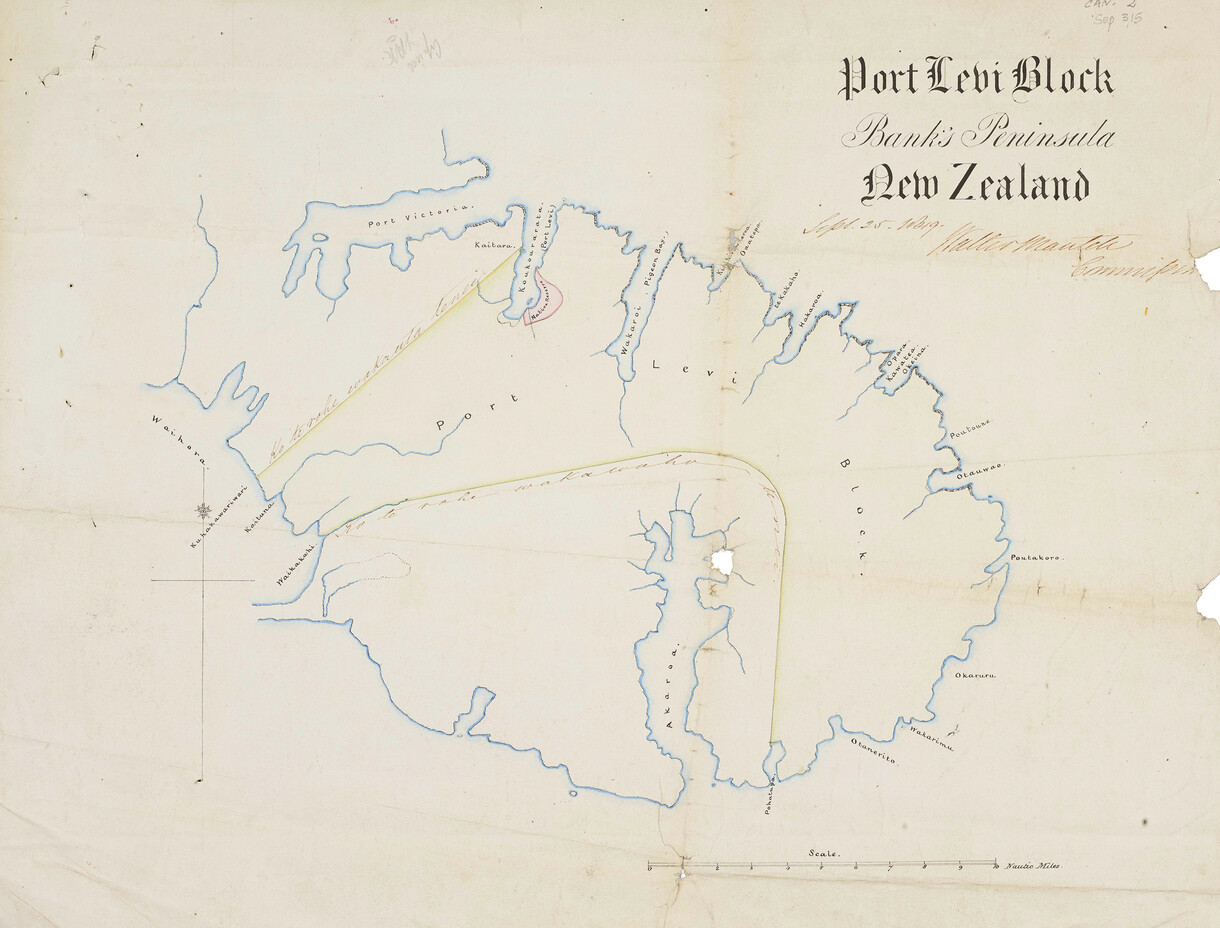
Kā Whakatauraki: The Promises
A landmark exhibition bringing together the ten Ngāi Tahu land sale purchase deeds.