
Kā Kaupapa o te Wā
What’s On
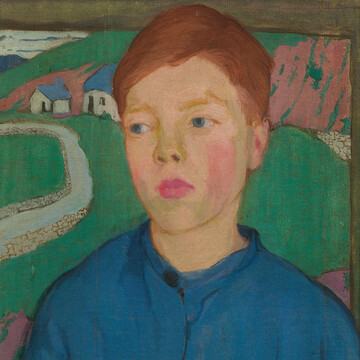
Edith Collier: Early New Zealand Modernist
A rare opportunity to view the work of one of Aotearoa New Zealand’s most adventurous and experimental modernist artists.
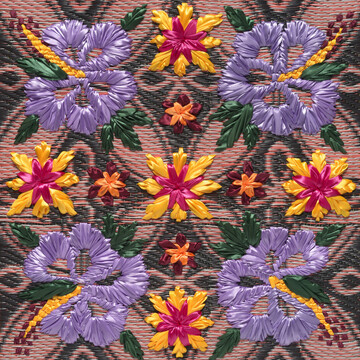
Made in the Pacific: A Collection of Tāoga
A selection of Pacific tāoga from the Canterbury Museum in conversation with contemporary artworks that highlight the continued strength in culture and traditional art forms.
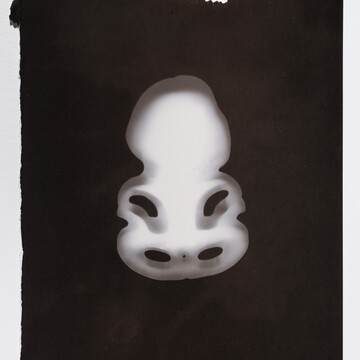
Mark Adams: A Survey | He Kohinga Whakaahua
A comprehensive survey spanning the artist's career.
E tuwhera ana te wharetoi i kā rā e 7 o te wiki, 10am - 5pm
Ka tuwhera ki te 9pm i kā pō Wenerei
Open 7 days, 10am - 5pm
Late night Wednesday until 9pm
Uruka utukore, ahokore utukore
Free entry, free wifi
Notes
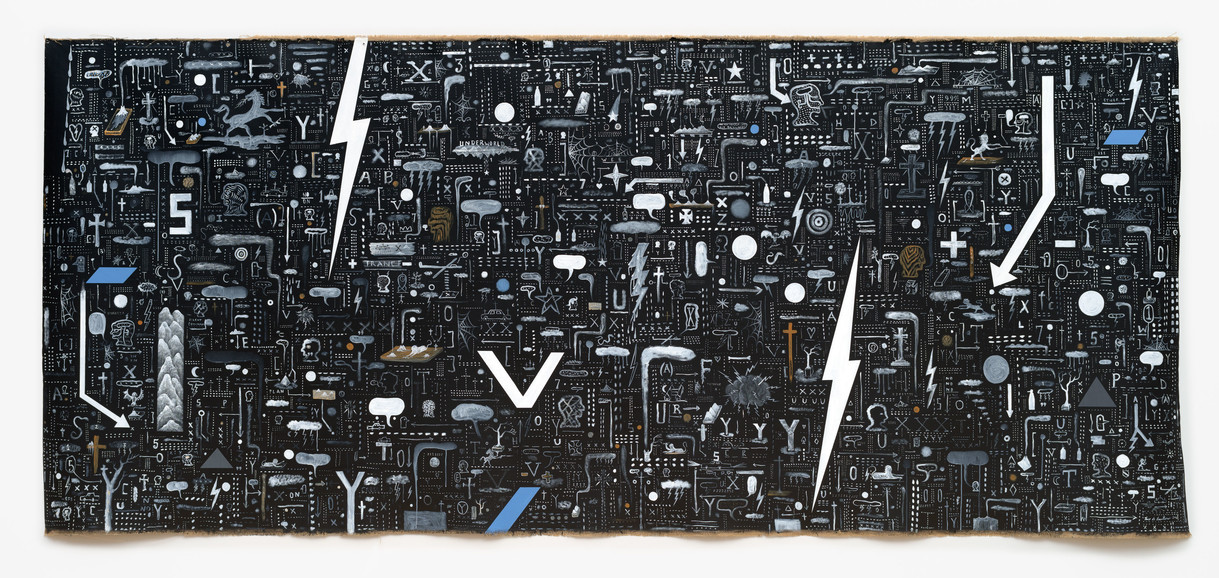
Underworld 2 by Tony de Lautour
This article first appeared as 'Painting offers a multiverse of symbols' in The Press on 21 June 2017.
Collection
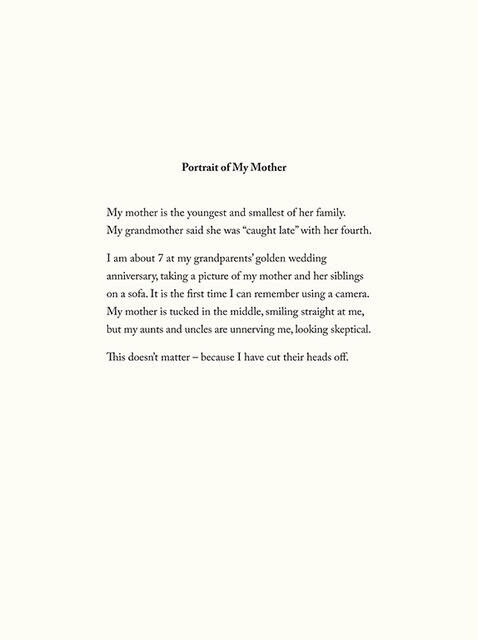
Holly Best Portrait of my Mother
In Portrait of My Mother Ōtautahi artist Holly Best uses image and text to describe a common photographic failure. In this charming family photograph, Holly appears to have accidentally cut the heads off the sitters. The image is paired with a text in which she claims this was her earliest memory of using a camera, but is she a reliable narrator? Even at a young age she seems to have been aware of the complex relationship between photographer and subject, and the control an artist has over the meaning of a work through focus and framing. The headless composition emphasises the body language of the siblings and subtly conveys the social dynamics, gendered style of crossing legs and special occasion fashion of the mid-90s. Apparent failure or intentional fabrication, we are compelled to consider the photographic conventions that underpin portraiture.
(Perilous: Unheard Stories from the Collection, 6 August 2022- )
Director's Foreword
Director's Foreword
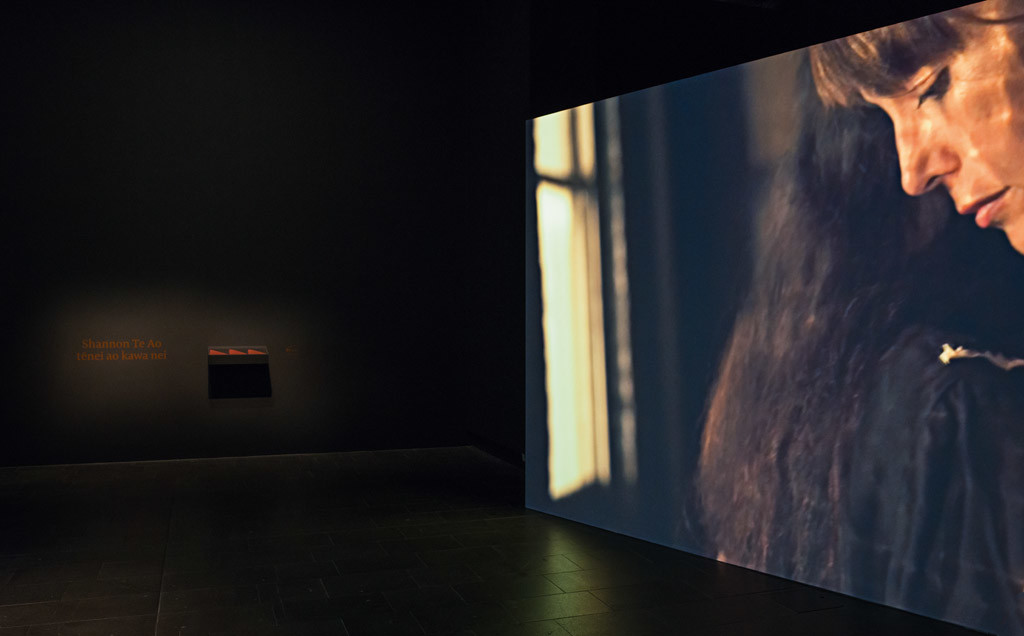
Sometimes I feel inordinately proud of this gallery and especially of my colleagues. I wonder if it’s unreasonable or otherwise questionable. However, as I write, I don’t think so.
Interview
Sideslip
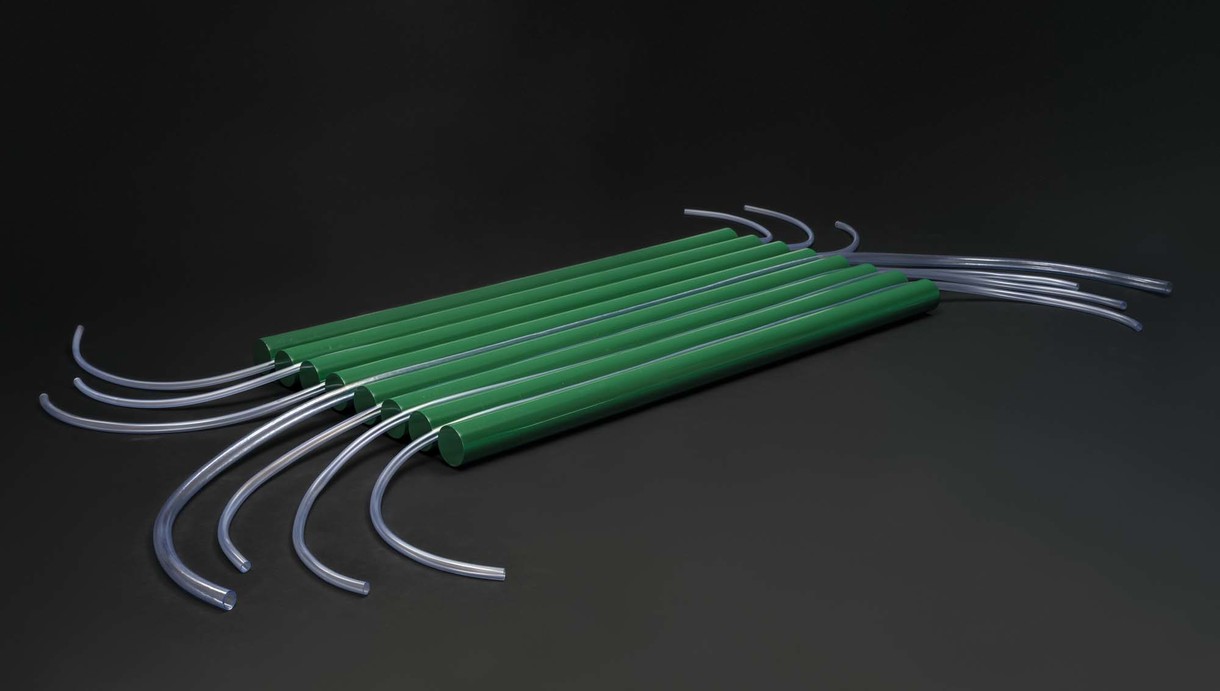
Sydow: Tomorrow Never Knows recently opened at Gallery and the exhibition’s curator, Peter Vangioni, took the opportunity to interview UK-based sculptor Stephen Furlonger. Furlonger was a contemporary of Carl Sydow and mutual friend and fellow sculptor John Panting, both at art school in Christchurch and in London during the heady days of the mid 1960s. His path as an artist during the late 1950s and 1960s in many ways mirrored that of Sydow and Panting.
Commentary
Bringing the Soul
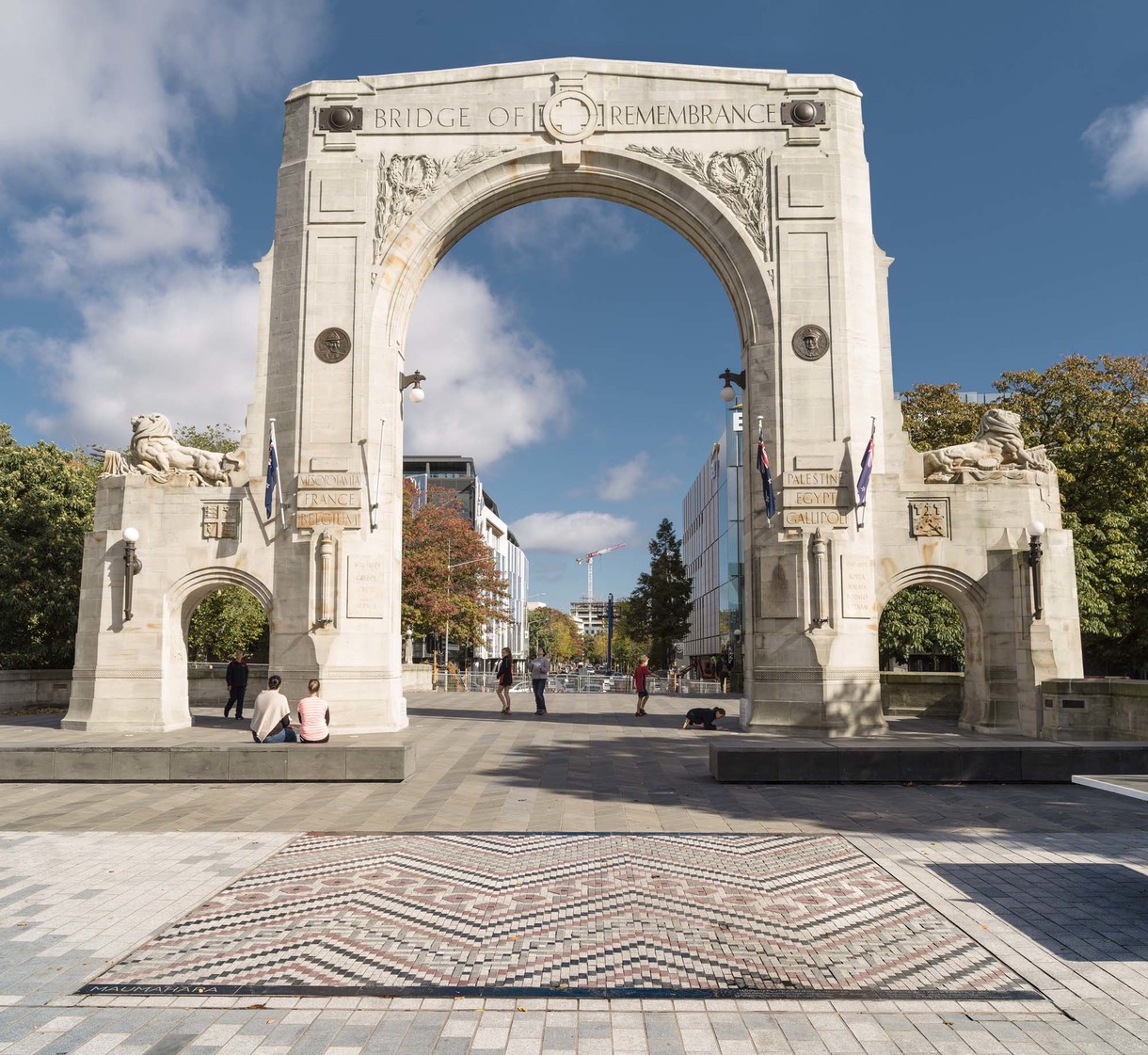
As an eleven-year-old boy from Whāngarei, sent to live in Yaldhurst with my aunt in the late seventies, Christchurch was a culture shock. Arriving in New Zealand’s quintessential ‘English city’, I remember well the wide landscapes and manicured colonial built environment. It was very pretty but also very monocultural, with no physical evidence of current or former Māori occupation or cultural presence, or at least none that I could appreciate at that time.
Interview

In The Studio
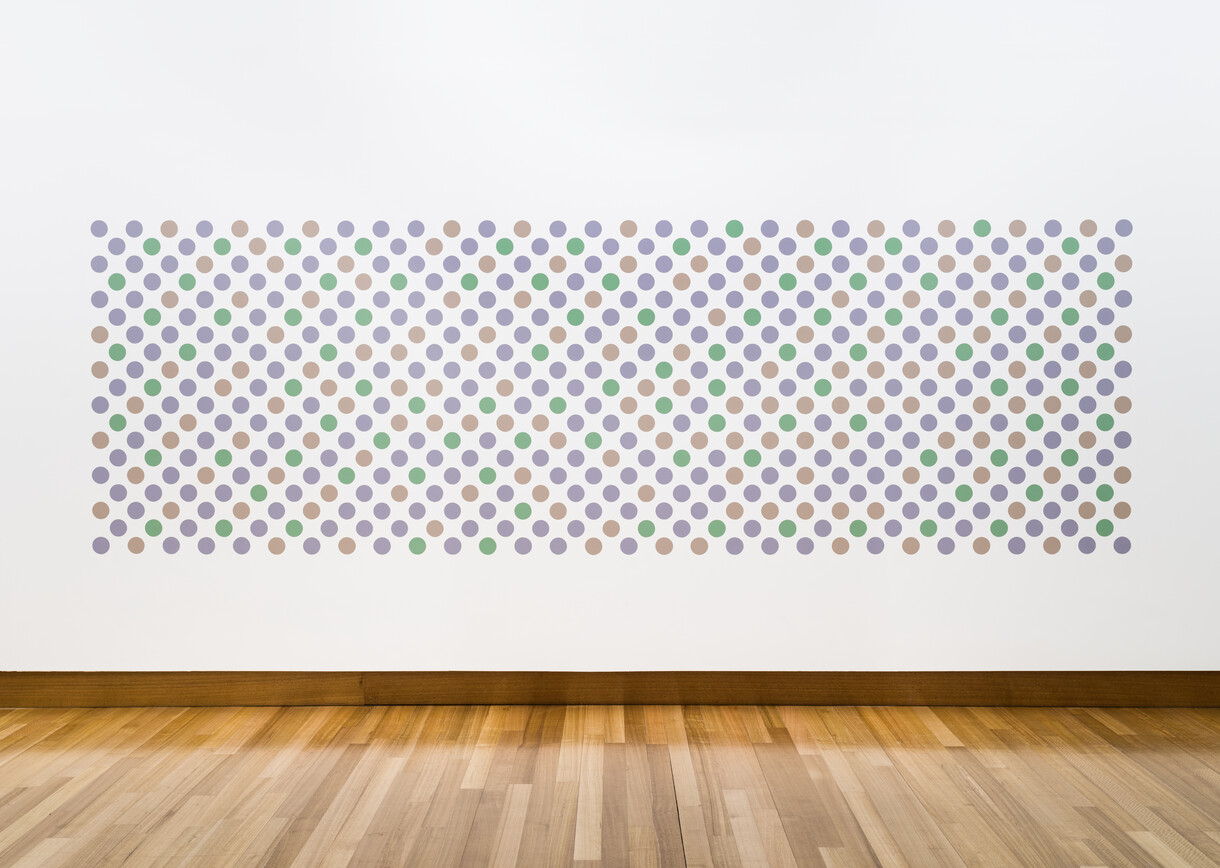
Paul Moorhouse: We are standing in front of a full-size cartoon for Cosmos, the new wall painting that will be installed at Christchurch Art Gallery. How does the cartoon relate to the final wall painting?
Bridget Riley: The cartoon is painted in gouache on paper, but it gives me a good idea of the full-scale image that will be recreated on the wall in Christchurch. I have also made a smaller painting in acrylic directly onto the wall here in the studio. This is complete in itself, and provides the information I need to give me confidence in the appearance of the discs when the larger image is created on the gallery wall.