Commentary
Representing Women: Ann Shelton’s Dark Matter

Representing Women: Ann Shelton’s Dark Matter

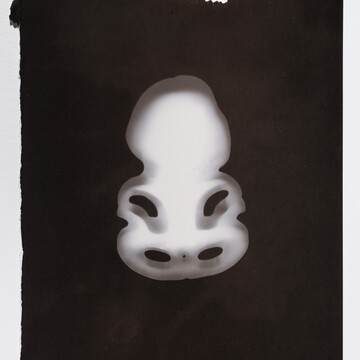
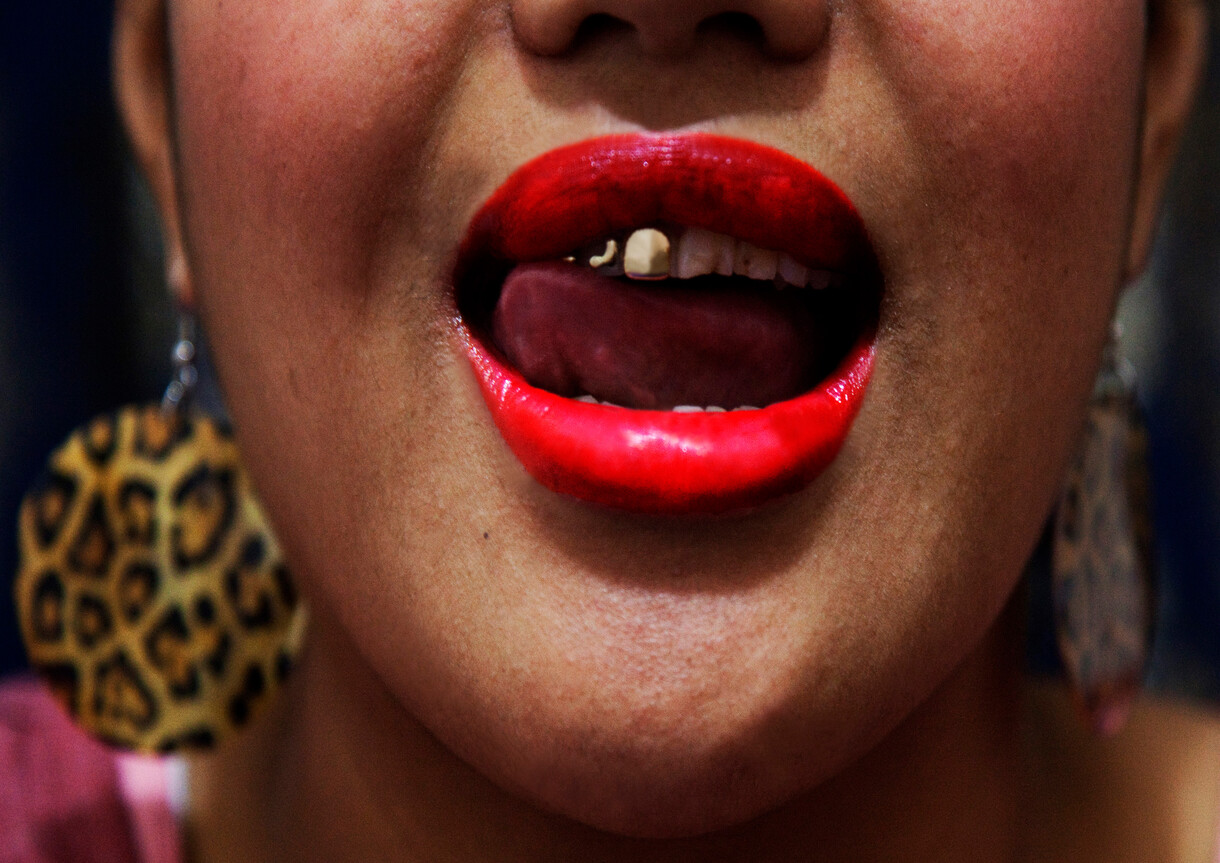
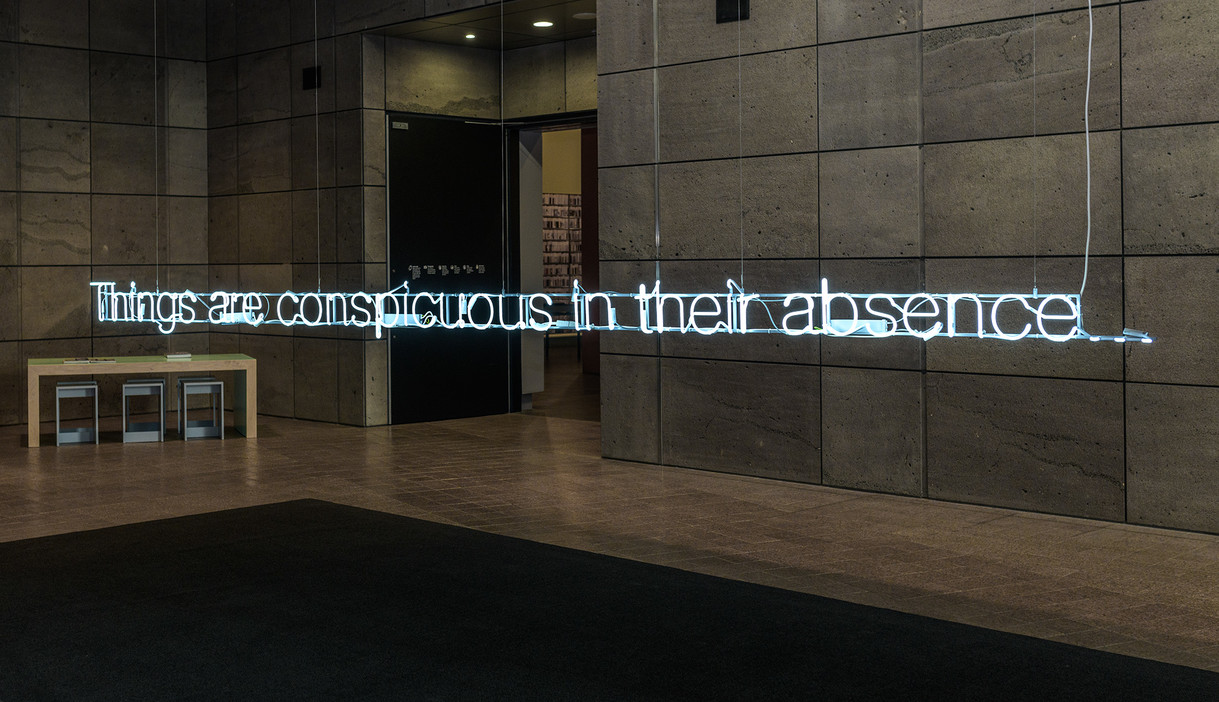
What is ‘dark matter’? For theoretical physicists it is matter that cannot be directly observed but whose existence is nevertheless scientifically calculable –  productively present yet simultaneously invisible. In a similar vein, the everyday phrase ‘dark matter’ describes objects, conditions and situations that harbour unease or trauma. Trauma that is often concealed, repressed, or buried. Both definitions are active in Ann Shelton’s mid-career review exhibition Dark Matter, and they provide a rich point of entry into this compelling collection of her photographic work. These are photographs that bristle with intensity and refuse to let their subjects die a quiet archival death.

Commentary
An Undeniable Promise

An Undeniable Promise

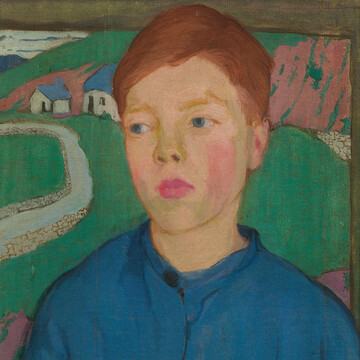
There is such a burden of expectation placed on Anne’s painting, and on the exhibition… itself. I feel, like many women painters that she is being asked to prove an undeniable promise. This is unfair.

Interview
The London Club

The London Club

In September 2017, Gallery director Jenny Harper, curator Felicity Milburn and Jo Blair, of the Gallery Foundation’s contracted development services, Brown Bread, went to London, taking a group of supporters who received a very special tour of the city’s art highlights. While there, they further developed the Foundation’s new London Club. Recently they sat down together in Jenny’s office…

Commentary
Raiding the Minibar

Raiding the Minibar

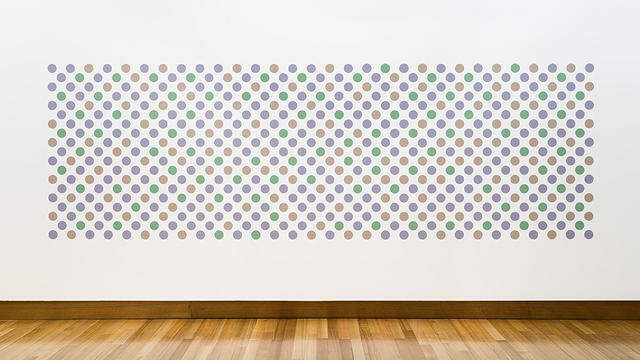
When does history start? What is the time span of the present? When do the margins of the contemporary begin to dissolve into the past? Our collection-based exhibition, Your Hotel Brain, looks at a group of New Zealand artists who came to prominence in the 1990s. Collectively their work explores ideas that have been critical to art-making in Aotearoa New Zealand over the past twenty years. Identity politics, unreliable autobiographies and references to a broad spectrum of visual culture – including Black Sabbath’s music, prison tattoos, automotive burn-outs and our no-smoking legislation – traverse the contested ground of recent New Zealand art, linking the just-past with the emerging present. A selection of works from the exhibition are reproduced here.

My Favourite
Olivia Spencer Bower's Menzies Bay

Olivia Spencer Bower's Menzies Bay

This work of art paints connections for me – to people, to this landscape and this place. My great-great-grandparents John Henry Menzies and Francis Elizabeth Menzies settled here in the 1870s. I was intrigued to discover that, way back then, the Christchurch parochial attitude was already well established. When he purchased the land John Henry encountered difficulty at the land office; he wrote, ‘A map was the first step. I was a stranger. You must not, even now be a stranger in Canterbury. Not one of the clerks would take any notice of me. It was entirely a case of favouritism.’

Commentary
Shigeyuki Kihara

Shigeyuki Kihara

Behind the work of Auckland-based artist Shigeyuki Kihara lies a vigorous research ethic that falls into complex alignment with her cultural, political and gender identities.

Collection
Untitled (Towards Lamorna Cove)

Eleanor Hughes Untitled (Towards Lamorna Cove)

Eleanor Hughes was born in Christchurch, and she and her siblings studied at the Canterbury College School of Art. Eleanor began exhibiting with the Canterbury Society of Arts in 1902, and in 1905 travelled to England for further studies. She briefly returned to New Zealand, but in 1908 went back to England to continue her studies, joining the progressive Newlyn School in Cornwall. She married her fellow student, Robert (‘Bertie’) Morson Hughes, in 1910, and later that year they were in Christchurch, presenting a joint exhibition at the CSA Gallery in Durham Street. Back in England in 1911, they settled and became part of the newly-formed artist colony at Lamorna in Cornwall. They lived at ‘Chyangweal’, near St Buryan, above Lamorna Cove, for the rest of their lives, and Eleanor Hughes’s studio was in Lamorna Valley, about a mile from the house. This luminous watercolour landscape, was painted from an elevated position, looking across freshly cut fields and yellow haystacks to the purple heather-covered hills beyond, with the top of the granite quarry that dominates the Cove just visible.

(Turn, Turn, Turn: A Year in Art, 27 July 2019 – 8 March 2020)

Load more