Kā Kaupapa o te Wā
What’s On
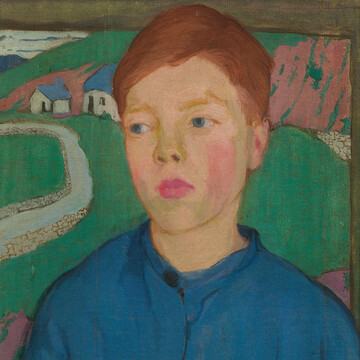
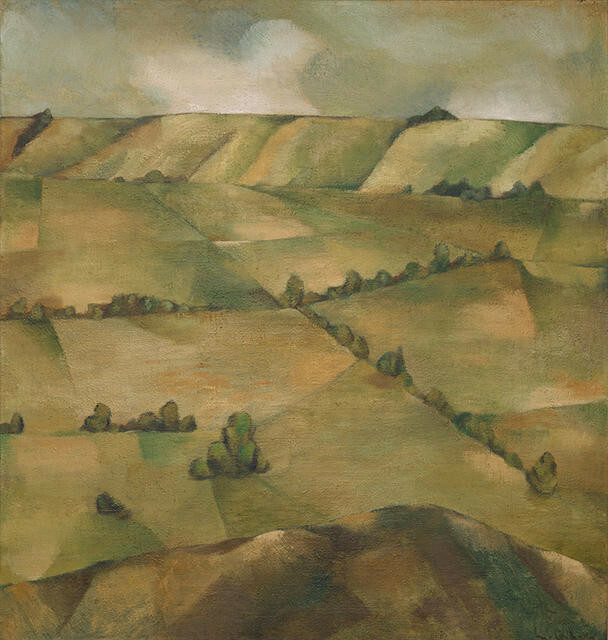
Edith Collier: Early New Zealand Modernist
A rare opportunity to view the work of one of Aotearoa New Zealand’s most adventurous and experimental modernist artists.
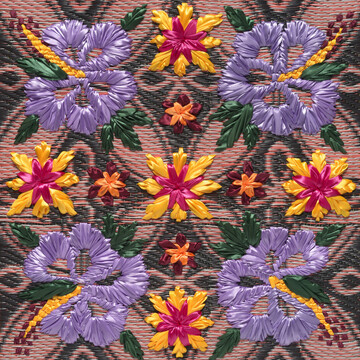
Made in the Pacific: A Collection of Tāoga
A selection of Pacific tāoga from the Canterbury Museum in conversation with contemporary artworks that highlight the continued strength in culture and traditional art forms.
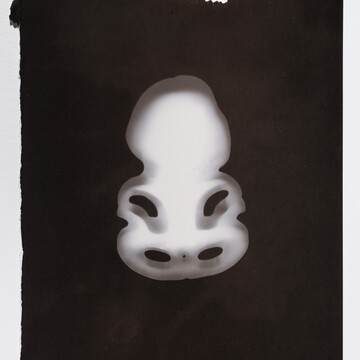
Mark Adams: A Survey | He Kohinga Whakaahua
A comprehensive survey spanning the artist's career.
E tuwhera ana te wharetoi i kā rā e 7 o te wiki, 10am - 5pm
Ka tuwhera ki te 9pm i kā pō Wenerei
Open 7 days, 10am - 5pm
Late night Wednesday until 9pm
Uruka utukore, ahokore utukore
Free entry, free wifi
Collection
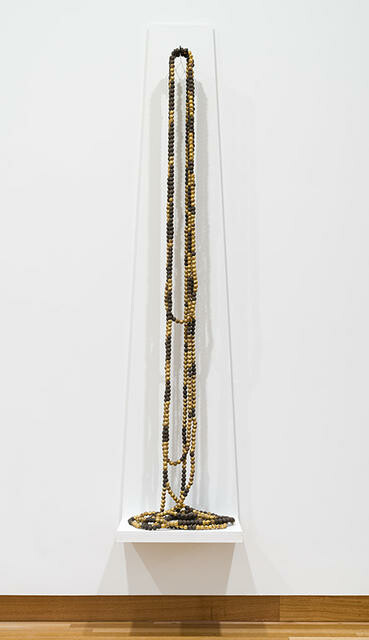
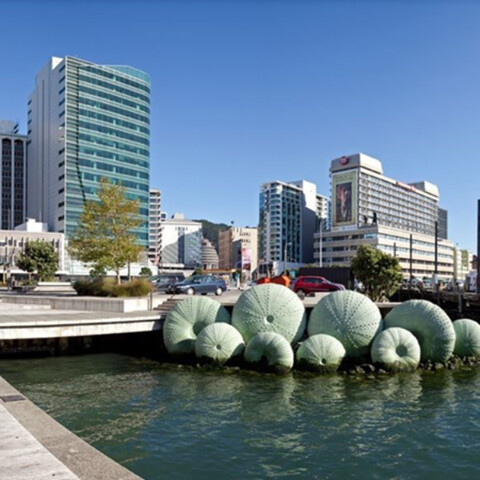
Julia Morison Dulia
In the early 1990s, Julia Morison used gold and shit in many works, exploring the idealised and base elements of human experience. She drew on the Jewish Sefiroth as a model for thinking about the relationship between the physical and the metaphysical. “Personally, I need to put some kind of order on experience for sake of sanity and negotiation,” she said. “The Sefirothic structure, or Tree of Knowledge, is really a metaphorical file and folder system for all; a conceptual paradigm for understanding everything. Putting that at the core of my practice gives me the freedom to admit everything and anything, micro and macro, metaphysical and corporeal, as legitimate content. It also gives me an interface to compose works.”
The title of this work, Dulia, is a Catholic term for worship given to saints and angels. Here Morison has pressed gold and excrement on to handmade paper balls, which are threaded together like the beads of a catholic rosary—an invitation to meditate on the relationship of the sacred and the profane, on a monumental scale.
Collection
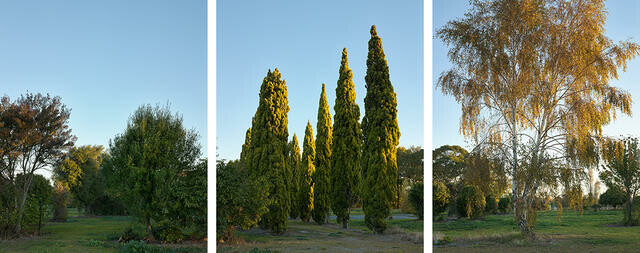
Tim J. Veling Halley Place, Avonside, 2015, Autumn
Tim Veling’s photographs document the passing of time in what used to be Christchurch’s riverside suburbs, the red zone. Cleared of houses and people, the area is being gradually overtaken by nature. In Veling’s photographs, days pass, nights fall, the seasons come and go. But traces of human occupation remain as vestiges of a way of life. Veling documents the landscape at a time when the former use of the land is still – just – visible, but before its future use has yet been established. It is a political no-man’s-land, waiting for a solution. Meanwhile nature proceeds to claim the land back at its own pace. Veling’s vision is of the suburban landscape as a romantic ruin, perhaps in the tradition of eighteenth-century landscape painters making the Grand Tour; rather than gazing on fragments of classical statuary and architecture, visitors to Christchurch’s river suburbs encounter overgrown garden boundaries and hurricane fencing. It might be more accurate to say that Veling photographs post-quake Christchurch as an unromantic ruin – a place as much subject to political machinations as to natural forces.
(Now, Then, Next: Time and the Contemporary, 15 June 2019 – 8 March 2020)
Collection
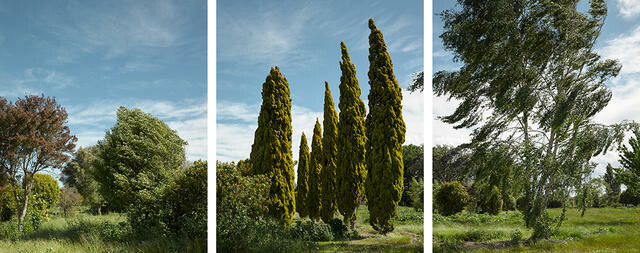
Tim J. Veling Halley Place, Avonside, 2015, Spring, During a Nor-west Wind
Tim Veling’s photographs document the passing of time in what used to be Christchurch’s riverside suburbs, the red zone. Cleared of houses and people, the area is being gradually overtaken by nature. In Veling’s photographs, days pass, nights fall, the seasons come and go. But traces of human occupation remain as vestiges of a way of life. Veling documents the landscape at a time when the former use of the land is still – just – visible, but before its future use has yet been established. It is a political no-man’s-land, waiting for a solution. Meanwhile nature proceeds to claim the land back at its own pace. Veling’s vision is of the suburban landscape as a romantic ruin, perhaps in the tradition of eighteenth-century landscape painters making the Grand Tour; rather than gazing on fragments of classical statuary and architecture, visitors to Christchurch’s river suburbs encounter overgrown garden boundaries and hurricane fencing. It might be more accurate to say that Veling photographs post-quake Christchurch as an unromantic ruin – a place as much subject to political machinations as to natural forces.
(Now, Then, Next: Time and the Contemporary, 15 June 2019 – 8 March 2020)