Kā Kaupapa o te Wā
What’s On
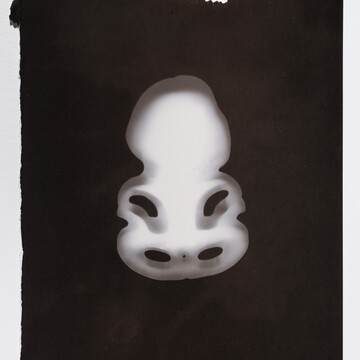
Mark Adams: A Survey | He Kohinga Whakaahua
A comprehensive survey spanning the artist's career.
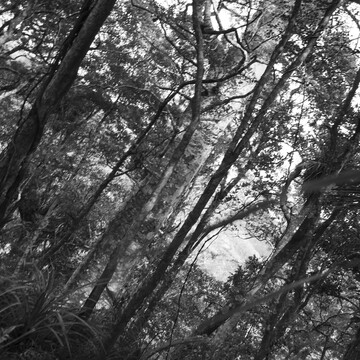
Ana Iti: Ngahere Behind a Pile of Metal
An immersive installation considering the legacies of deforestation and significance of kauri trees.
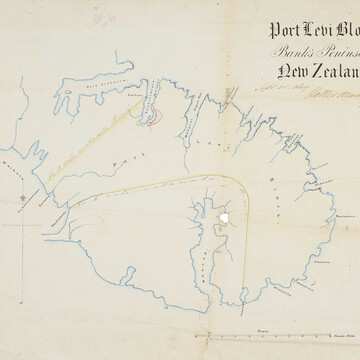
Kā Whakatauraki: The Promises
A landmark exhibition bringing together the ten Ngāi Tahu land sale purchase deeds.
E tuwhera ana te wharetoi i kā rā e 7 o te wiki, 10am - 5pm
Ka tuwhera ki te 9pm i kā pō Wenerei
Open 7 days, 10am - 5pm
Late night Wednesday until 9pm
Uruka utukore, ahokore utukore
Free entry, free wifi
Collection
![Untitled [Pot Plant]](/media/cache/db/7a/db7a30d7b3f7f3c39c068997b7007e79.jpg)
Rita Angus Untitled [Pot Plant]
“I live out my own world & follow in the lives of Frances Hodgkins […] and other women painters,” wrote Rita Angus. One of those painters was fellow Waitaha Canterbury artist Margaret Stoddart. Like Margaret, Rita developed a deep appreciation of botanical subjects in her work. Although both artists are known for their landscapes, their approach to watercolour couldn’t be more different; Margaret’s lively impressionistic approach contrasts with Rita’s work, which is rich with the detail usually reserved for a botanical artist illustrating a scientific journal.
(Perilous: Unheard Stories from the Collection, 6 August 2022- )
Collection
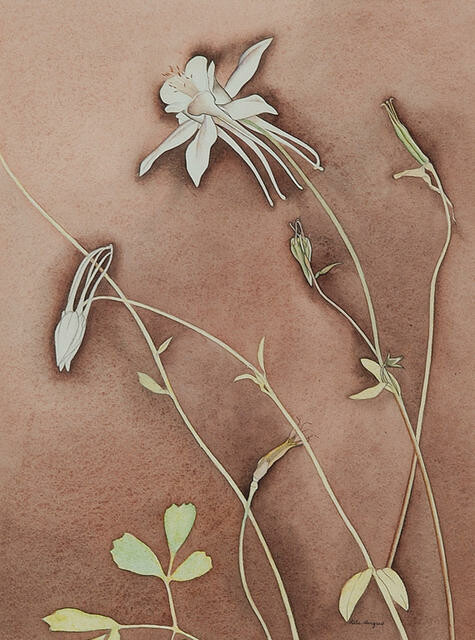
Rita Angus Aquilegia
“I live out my own world & follow in the lives of Frances Hodgkins […] and other women painters”, wrote Rita Angus. One of these other painters was fellow Waitaha Canterbury artist Margaret Stoddart. Both Rita and Margaret developed a deep appreciation of botanical subjects in their practices, alongside their work as landscape painters. Their approach to watercolour couldn’t be more different, however: Margaret with her lively impressionistic approach contrasts with Rita’s accuracy and detail usually reserved for a botanical artist illustrating a scientific journal.
(Perilous: Unheard Stories from the Collection, 6 August 2022- )
Collection
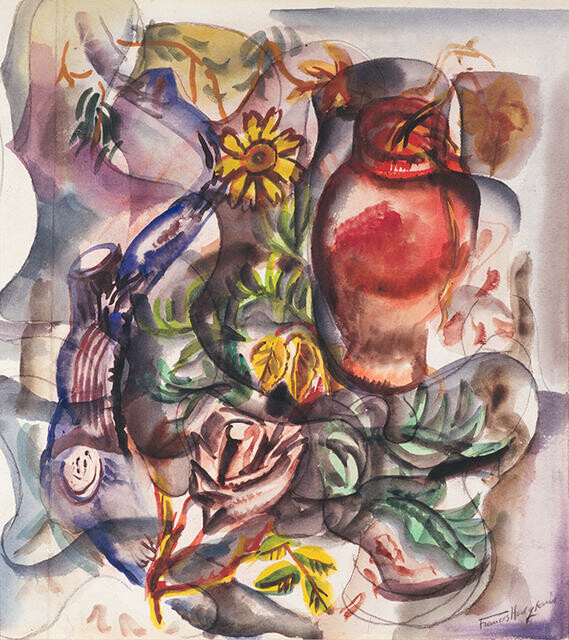
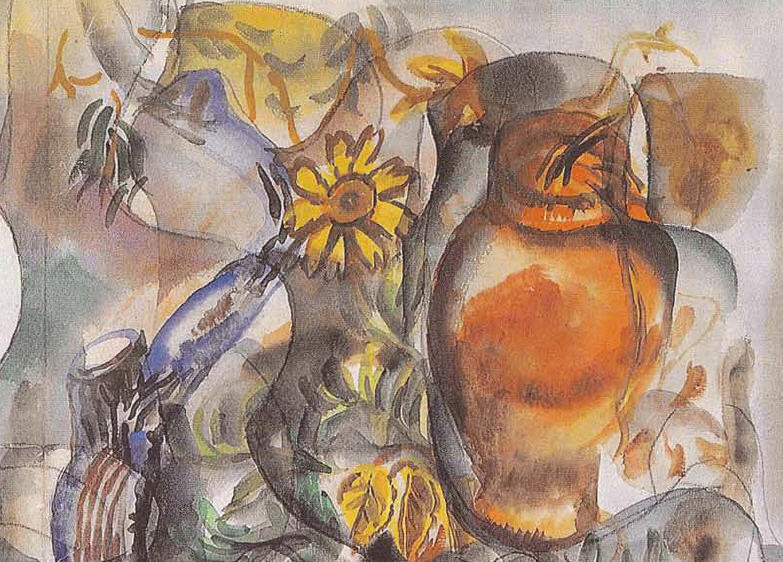
Frances Hodgkins Still Life with Red Jar
“You say in yr last [letter] that I will not tag on to Colonial life after staying away so long – you surely don’t expect & want me to settle down into a Maiden Aunt do you & throw up career & ambition & lose the precious ground I have gained – you are much too dear and unselfish for that I am sure. I am coming out merely to see you & Sis & the children, to be with you for a while & then to return to my work like any man of business. To make you happy I must be happy myself. I want to see you badly & feel I must come soon at no matter what sacrifice. But do realise Mother that it’s on this side of the world that my work and future career lie. I grieve sometimes that you do not understand this more.” —Frances Hodgkins, excerpt from a letter to her mother, Rachel Hodgkins, 1911
(Perilous: Unheard Stories from the Collection, 6 August 2022- )
Collection
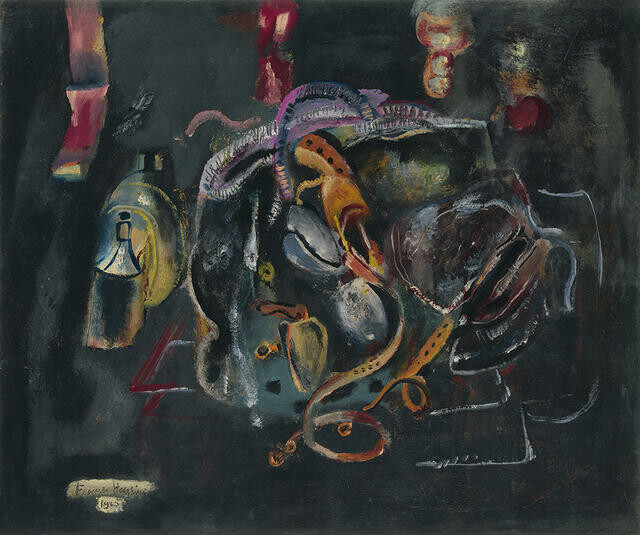
Frances Hodgkins Zipp
Frances Hodgkins was seventy-seven years old when she painted Zipp in 1945, nearing the end of her career and life. It is one of the last paintings she completed. With its semiabstract shapes and forms set against a despairingly dark background, Zipp highlights how Frances continued to push herself as an artist even through her later years.
Seemingly random objects emerge through the gloom; some distinguisable, others abstracted beyond recognition: belts, a zip, a shoe and some clothing. These personal items belonging to the artist serve not only as a still life, but also as a kind of self-portrait. Most telling is the way they are scattered and heaped in a rumpled pile, perhaps symbolising the disorder in her life at this time.
(Perilous: Unheard Stories from the Collection, 6 August 2022- )
Collection
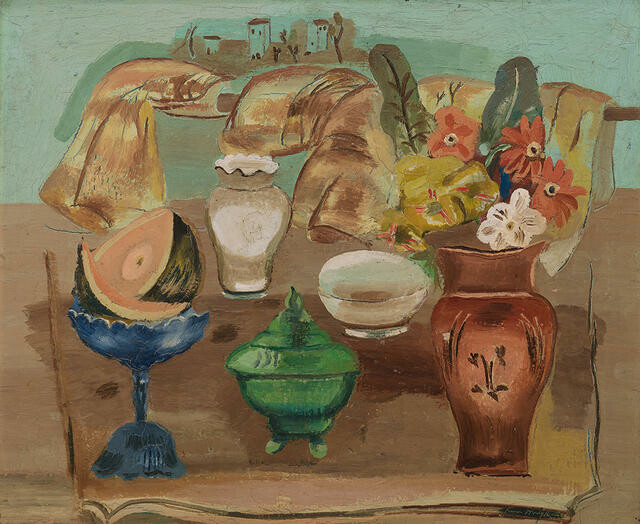
Frances Hodgkins Still Life
The well-known New Zealand expatriate artist Frances Hodgkins travelled to Ibiza in October 1932, remaining on the island until July 1933. These were high times for the artist, who relished living and painting in the island’s sharp light immensely. Hodgkins kept company with fellow New Zealand painters Maude Burge, Gwen Knight and May Smith, whom she fondly referred to as “my three friends”. At this time Hodgkins painted still-life subjects out in the landscape as opposed to indoors. Everyday objects were often arranged on a table, or sometimes directly on the ground, with the Ibiza landscape extending into the distance beyond. She commented at the time, “In this clear ivory light every common object looks important and significant … things appear in stark simplicity minus all detail – nothing corked up … or hidden as in the grey, or brown, light of the north.”
(New Dawn fades, November 2018)
Collection
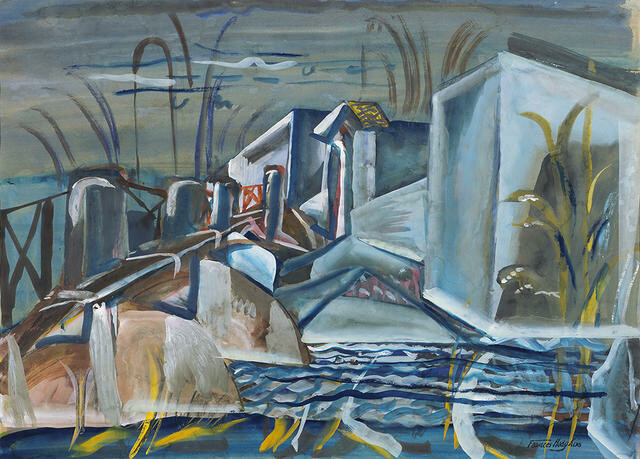
Frances Hodgkins Return of the River
By 1937 Frances Hodgkins had established herself as a major artist in Britain. During this period she began using gouache, which became one of her favoured mediums in the final years of her career.
This work highlights the experimental quality that gouache offered her at this time. Using an almost calligraphic technique, the paint has been applied freely and expressively using a variety of brush marks.
Hodgkins was born in Dunedin and was initially trained by her father, part-time watercolourist William Matthew Hodgkins. In 1893 she took classes with G. P. Nerli, and in 1895/96 studied at the Dunedin School of Art. Hodgkins left to study at the London Polytechnic in 1901 and in 1903 she exhibited at the Royal Academy, becoming the first New Zealander to have the honour of being ‘hung on the line’. Living in Paris between 1908 and 1912, Hodgkins taught at the Académie Colarossi, where she was the first woman on staff. She eventually settled in England, where she exhibited with many art groups and galleries, including the Lefevre Galleries in London from 1932.
Notes
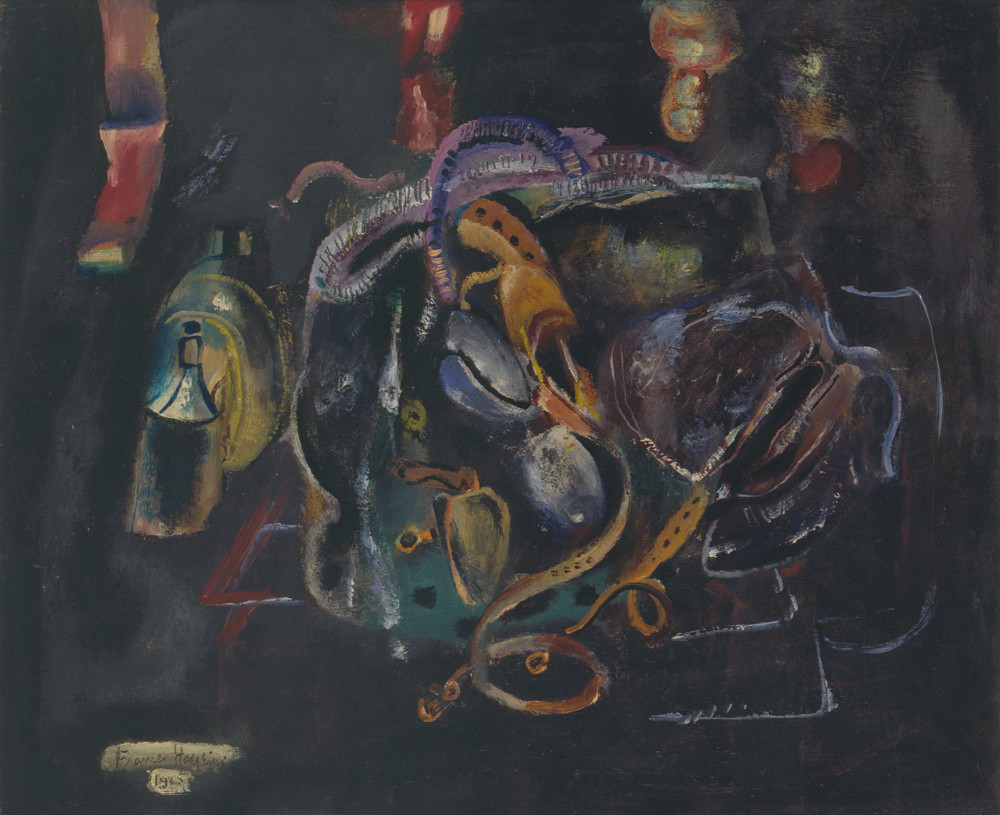
Zipp by Frances Hodgkins
‘I can't tell you the horror of the Blackout and the effects on your nerves - the want of ventilation at night is very tiring - perhaps the nastiest part of it all.' - Frances Hodgkins in a letter to her brother, William.