Notes
Sarah's Train by Elizabeth Smither

Sarah's Train by Elizabeth Smither

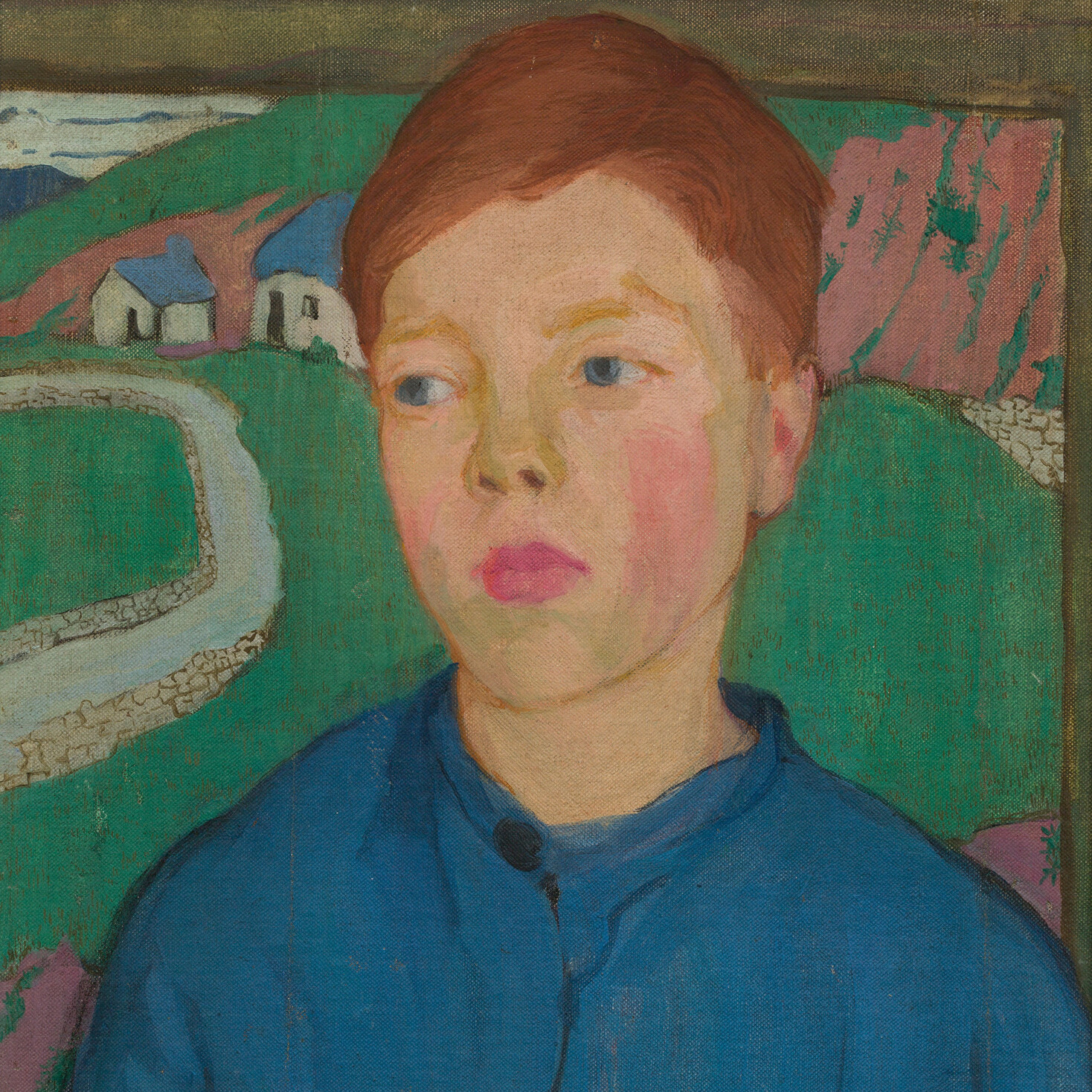
Today's handwashing poem comes from the sequence of verse called Sarah's Train by Elizabeth Smither. Sarah in the poem is Sarah in the painting.

This one is for all of you have been looking after children for the last four weeks. One of those is the reader, our registrar Gina Irish. We salute all parents who have got through this ordeal.


Notes
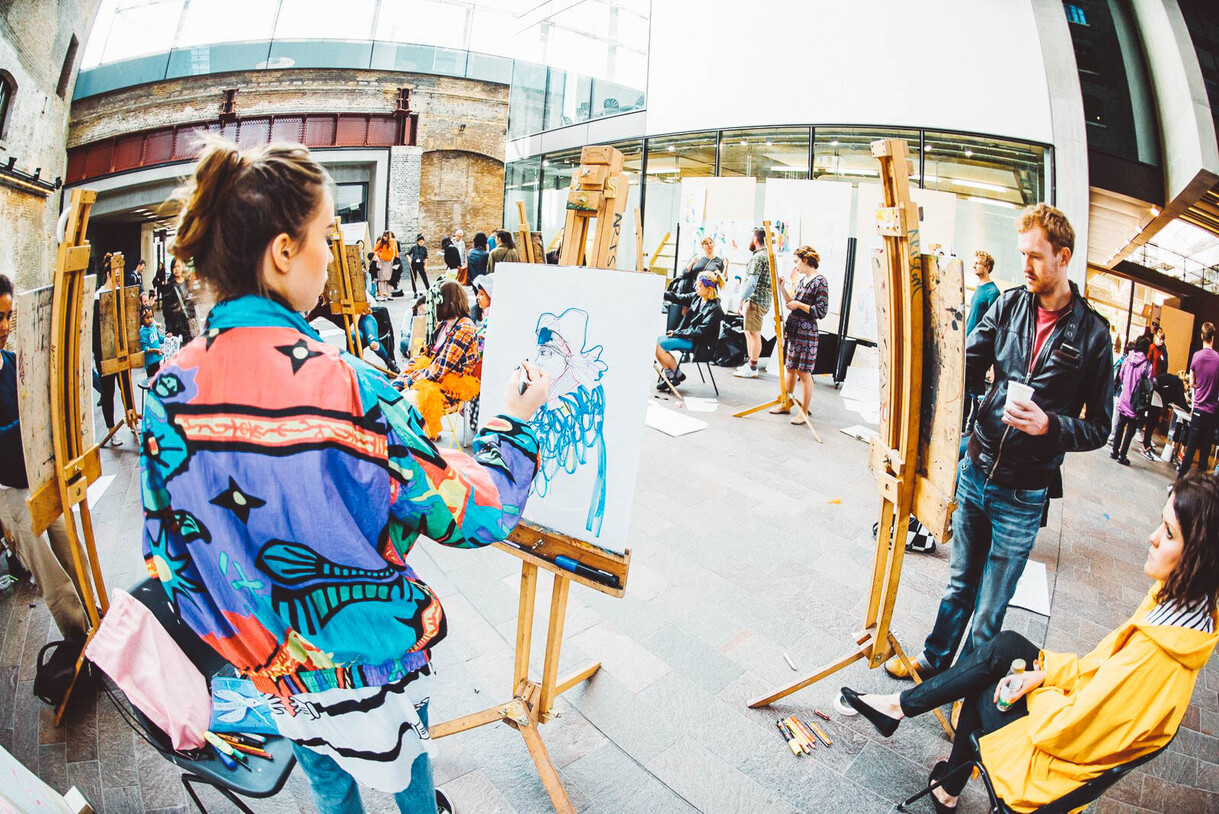
Contemplative Art Play With Nature

Contemplative Art Play With Nature

Thank you Christchurch Art Gallery Te Puna o Waiwhetū, for inviting me to contribute this art and wellbeing post. I would like to share with you one of my favourite therapeutic arts making activities, which is suitable for all ages. I call it contemplative art play, and since we are all in our bubbles (or extended bubbles when we move to level 3), I have added an additional layer of wellbeing into the process – nature.

Notes
Île de la Cité by Charles Brasch

Île de la Cité by Charles Brasch

Paris seems further away than ever when all we see at present are the streets we can reach on foot. But with the help of two Charleses, Brasch and Meryon, we can perhaps fancy ourselves there again. Paris and its cathedral are no strangers to loss and suffering and we all hope for better times in the future.

Today our Education and Visitor Programmes Team Leader Lana Coles takes us to the banks of the Seine for just under a minute. Just long enough to...you know the drill.

Notes
Colouring in: Kākāriki Karaka / Orange-fronted Parakeet

Colouring in: Kākāriki Karaka / Orange-fronted Parakeet

This small painting is of one of Aotearoa New Zealand’s indigenous birds, kākāriki karaka (aslo called the orange-fronted parakeet). It was made by Eileen Mayo in the 1970s along with 34 others for a set of cards that could be collected in packets of Gregg’s Jellies.

Collection
Maerewhenua Site. Waitaki River Valley, North Otago. Pora. ab. Diptych. 2016

Nathan Pōhio, Mark Adams Maerewhenua Site. Waitaki River Valley, North Otago. Pora. ab. Diptych. 2016

There are 761 recorded Māori rock art sites in Te Waipounamu. In making these works, Ōtautahi Christchurch photographer Mark Adams visited the Maerewhenua and Takiroa sites in North Otago, with the support of his friend, artist Nathan Pōhio, who has whakapapa (ancestral connections) to this area. Within these deep limestone rock shelters are numerous drawings made from ngārehu (charcoal) and kōkōwai (red ochre), that are understood to predate European contact. At Maerewhenua, as seen in this diptych, one drawing shows the tall masts of European-style ships, a powerful marker of an early overlapping between two very different cultures. Maerewhenua and Takiroa come under the kaitiakitanga (guardianship/protection) of Te Rūnanga o Moeraki. Both sites are publicly accessible and follow the ara tawhito (traditional travel routes) Māori used for mahika kai (gathering of food and resources) in this area, including access to Te Tai o Poutini the West Coast.

(Perilous: Unheard Stories from the Collection, 6 August 2022- 21 July 2024)

Collection
Maerewhenua Site. Waitaki River Valley, North Otago. Pora. 2016

Mark Adams, Nathan Pōhio Maerewhenua Site. Waitaki River Valley, North Otago. Pora. 2016

There are 761 recorded Māori rock art sites in Te Waipounamu. In making these works, Ōtautahi Christchurch photographer Mark Adams visited the Maerewhenua and Takiroa sites in North Otago, with the support of his friend, artist Nathan Pōhio, who has whakapapa (ancestral connections) to this area. Within these deep limestone rock shelters are numerous drawings made from ngārehu (charcoal) and kōkōwai (red ochre), that are understood to predate European contact. At Maerewhenua, as seen in this diptych, one drawing shows the tall masts of European-style ships, a powerful marker of an early overlapping between two very different cultures. Maerewhenua and Takiroa come under the kaitiakitanga (guardianship/protection) of Te Rūnanga o Moeraki. Both sites are publicly accessible and follow the ara tawhito (traditional travel routes) Māori used for mahika kai (gathering of food and resources) in this area, including access to Te Tai o Poutini the West Coast.

(Perilous: Unheard Stories from the Collection, 6 August 2022- )

Load more