B.
Sarah's Train by Elizabeth Smither
Note
Today's handwashing poem comes from the sequence of verse called Sarah's Train by Elizabeth Smither. Sarah in the poem is Sarah in the painting.
This one is for all of you have been looking after children for the last four weeks. One of those is the reader, our registrar Gina Irish. We salute all parents who have got through this ordeal.
We are grateful to Elizabeth Smither for permission to reproduce this poem.
Related reading: Covid-19
Notes
Director’s Update
With a welcome shift back to Level 2 in our collective fight against COVID-19, we are delighted to reopen our doors to visitors.
Notes

Bringing up the rear
We finish our handwashing poems with R A K Mason's Song of Allegiance, read, as was the Keats sonnet that started this series, by me.
Notes
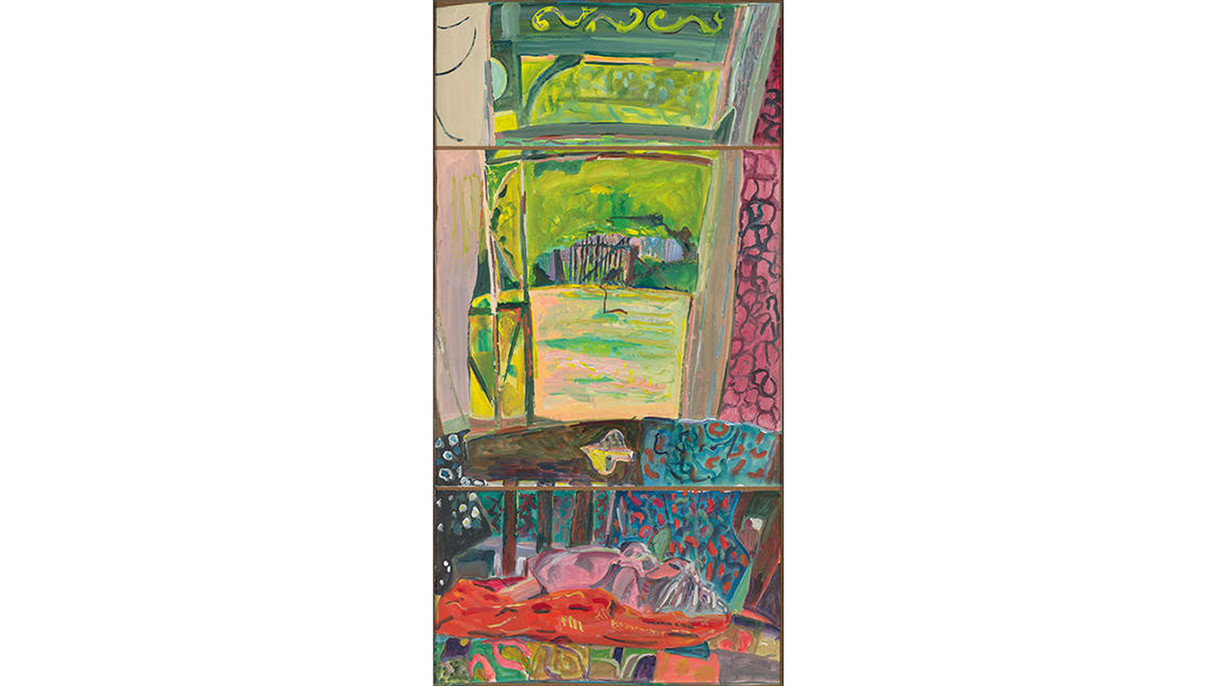
House Rules by Joanna Margaret Paul
We are delighted to present Joanna Margaret Paul's House Rules, read by its creator's daughter Magdalena Harris. Dishwasher tension will, we are sure, be familiar to all.
The poet also created the painting you see, which is called Barrys Bay: Interior with Bed and Doll.
And although it's a day after Mother's Day, let's today salute all mothers and their efforts, especially over the last few weeks.
Notes
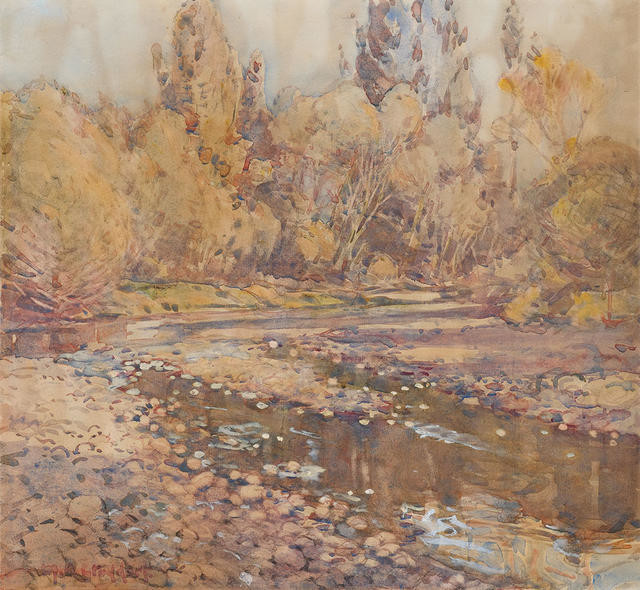
Running Water by Robyn Hyde
We don't want the poems to stop but dare we hope we are inching closer to re-opening? In the interests of playing it safe, let's keep washing our hands though, today with Visitor Host Dora Mullins and some exquisitely sad lines from Robin Hyde.
Notes
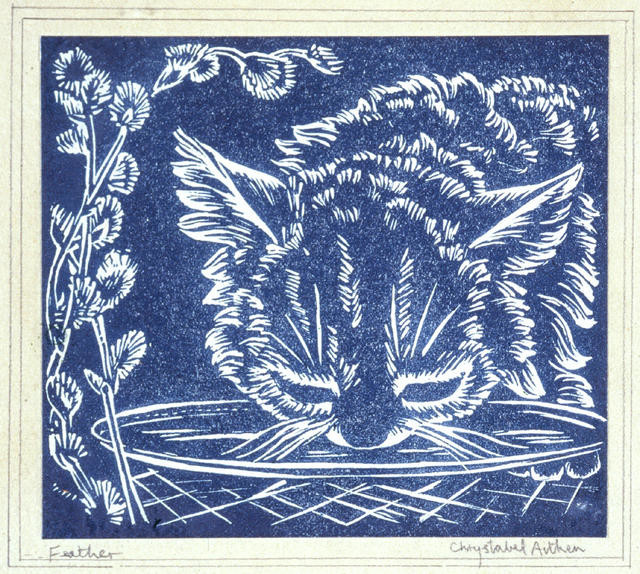
Cat in the Dark by Margaret Mahy
A beautiful poem today by Margaret Mahy, beautifully read by 10 year old Elsie Billington.
A minute of pure handwashing pleasure.
Notes
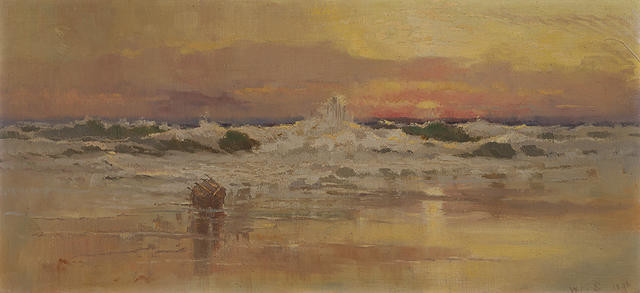
A Calm Day by Basil Dowling
Today our Graphic Designer Peter Bray reads about the sound of the ocean when the wind dies down. Only Basil Dowling puts it lot better than that in A Calm Day.
Notes

I saw her face by Robin Judkins
We've had lots of poetry responding to nature but poetry's other great theme has been absent. We put that right today with a love poem by Robin Judkins. A simple expression of love you might say, but listen right to the end and then say with confidence what happens next.
That will take a minute so your hands will be sparkling. Today's reader is Visitor Host Tim Hobbs.
Notes
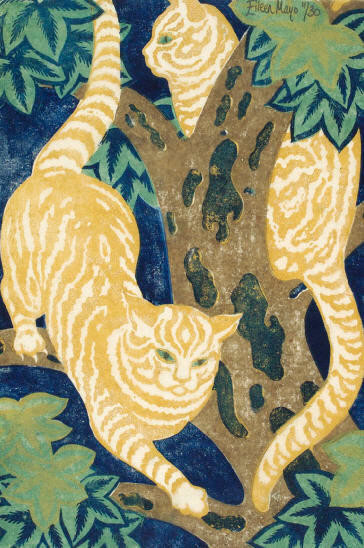
And the animals shall inherit the earth
It’s been interesting observing how nature has quietly but very quickly reclaimed the earth since we have all gone into Covid-19 lockdown. My social media timelines have been peppered with images of animals wandering where humans can’t, boars roaming in Barcelona, peacocks in Dubai, deer in Japan and schools of tiny fish in the now clear waters of Venice to name a few. Related of course are the clearing skies around the world.
Notes
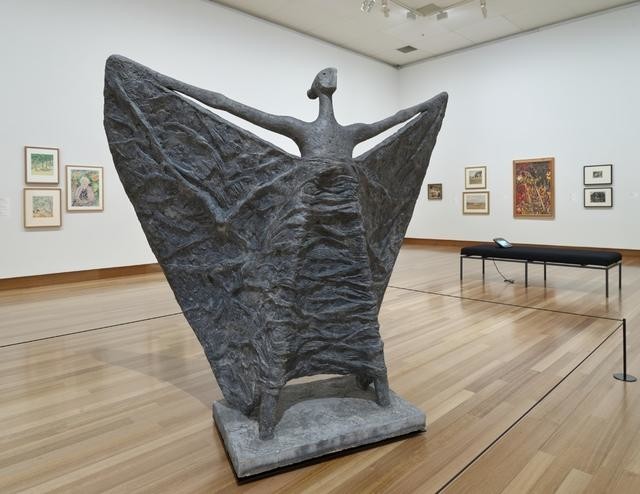
To a child dancing in the wind by W B Yeats
Today our Business Administrator Jackie Heavey reads a poem by a compatriot of hers, William Butler Yeats, in which the innocence of childhood is envied.
Yes you can now go to the beach, but keep your distance and, of course, keep washing those hands.
Notes
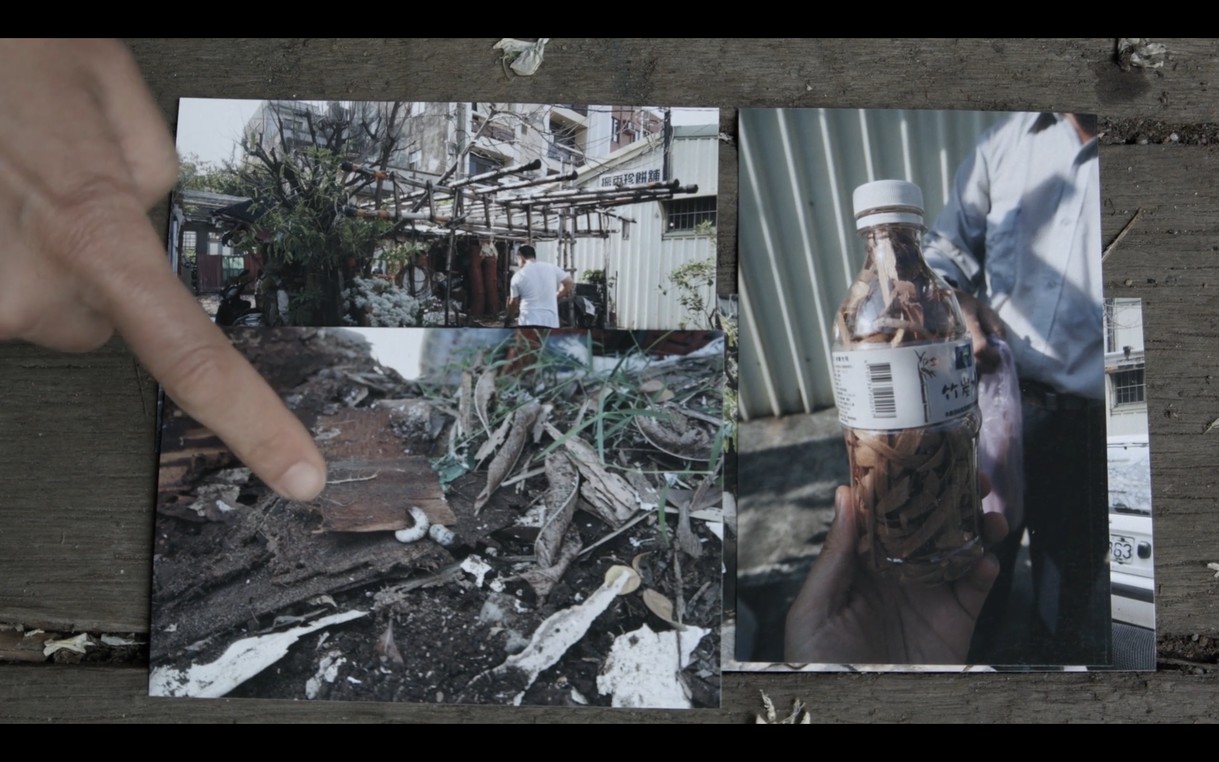
Spheres: An Online Video Project
Over the past few weeks, I have been working with fellow curator Nathan Pohio on an online video project that we’ve called Spheres. I’ve only recently joined the Gallery, so it’s been helpful to have something to focus on from home as well as a reason to be in touch with some interesting artists.