Kā Kaupapa o te Wā
What’s On
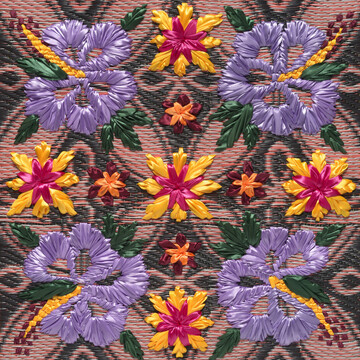
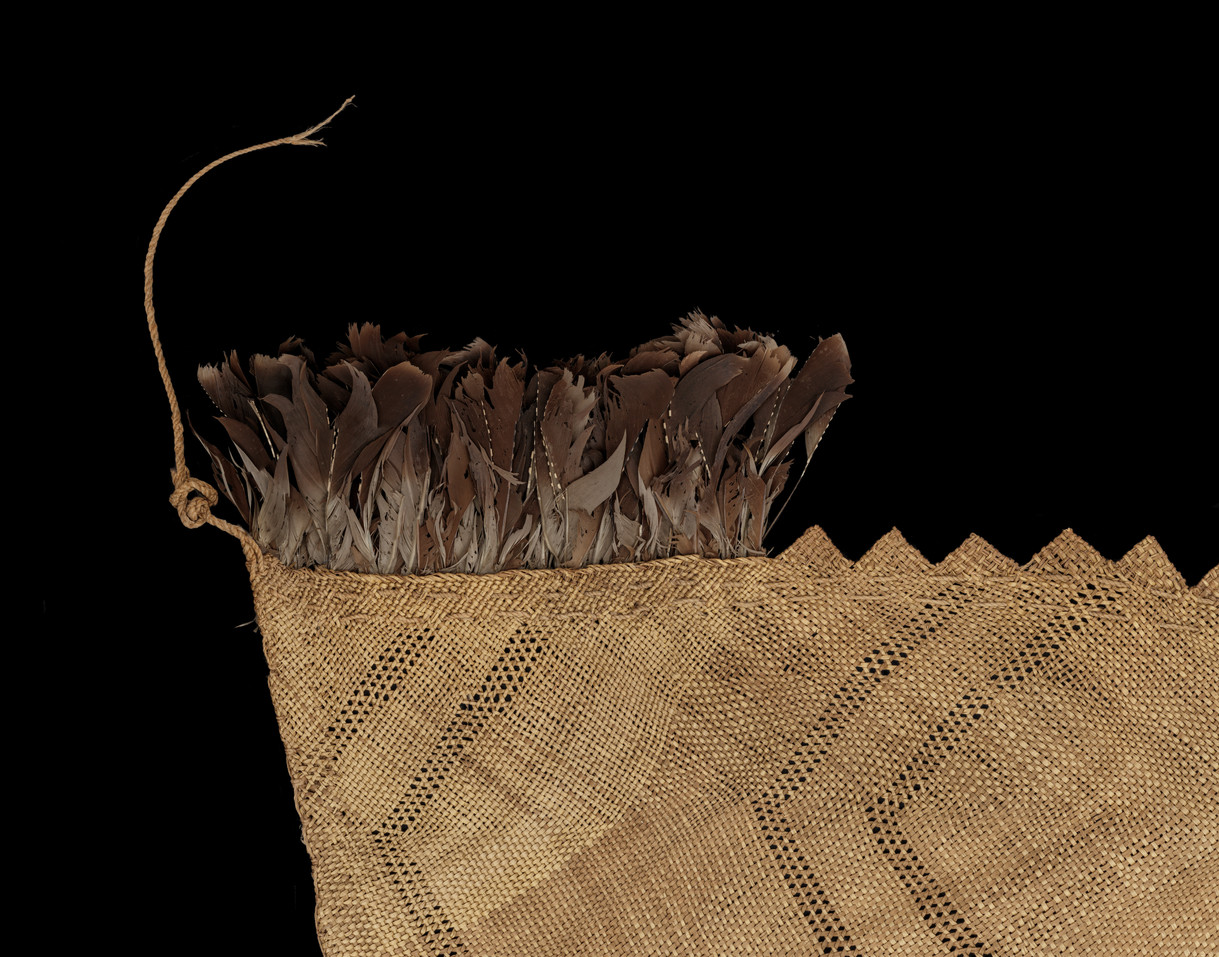
Made in the Pacific: A Collection of Tāoga
A selection of Pacific tāoga from the Canterbury Museum in conversation with contemporary artworks that highlight the continued strength in culture and traditional art forms.
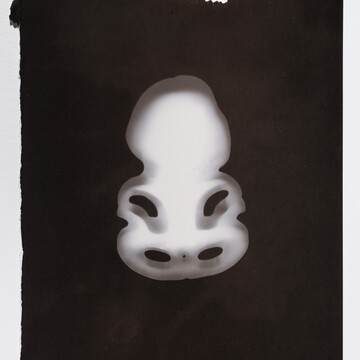
Mark Adams: A Survey | He Kohinga Whakaahua
A comprehensive survey spanning the artist's career.
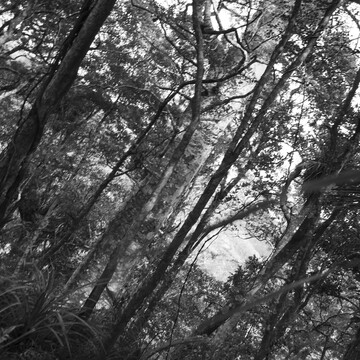
Ana Iti: Ngahere Behind a Pile of Metal
An immersive installation considering the legacies of deforestation and significance of kauri trees.
E tuwhera ana te wharetoi i kā rā e 7 o te wiki, 10am - 5pm
Ka tuwhera ki te 9pm i kā pō Wenerei
Open 7 days, 10am - 5pm
Late night Wednesday until 9pm
Uruka utukore, ahokore utukore
Free entry, free wifi
Collection
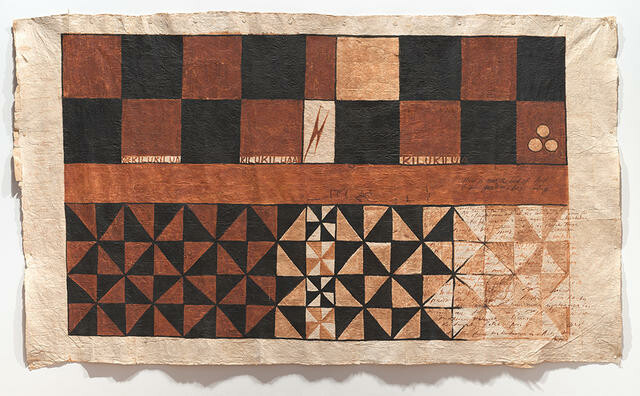
Kulimoe'anga Stone Maka Koekilukilua
Ngatu is the Tongan name for tapa cloth made from the inner bark of hiapo (the paper mulberry tree). Making ngatu takes time and hard work, from growing and looking after the plants to stripping the bark and beating it to form large pieces of cloth which are then decorated with natural dyes and pigments, often by groups of women. Ngatu tāʻuli (blackened tapa cloth) uses a black dye made from the smoke of tuitui (candlenuts) and is sacred. Usually reserved for Tongan royalty and aristocracy, it is used to display power and respect.
Ōtautahi Christchurch-based artist Kulimoeʻanga Stone Maka draws on this tradition within his work, innovating the forms to consider contemporary ideas with evolving designs, symbols and narratives. In pre-colonial times, ngatu was patterned mainly with geometric designs. After Europeans arrived in the nineteenth-century, artists began to use text and symbols, such as the coat of arms, Norfolk pine tree, eagle, dove and lion. Maka builds on this history, adapting aspects to tell his own stories of global relationships, migration and life.
Maka was thinking of the relationship between Europe and Tonga, and the connections between two forms of abstraction when he made this work. It is possible that early modernist artists in Europe could have seen examples of Pacific art and tapa. Were Rothko, Picasso and Mondrian inspired by Maka’s ancestors, rather than the other way around?
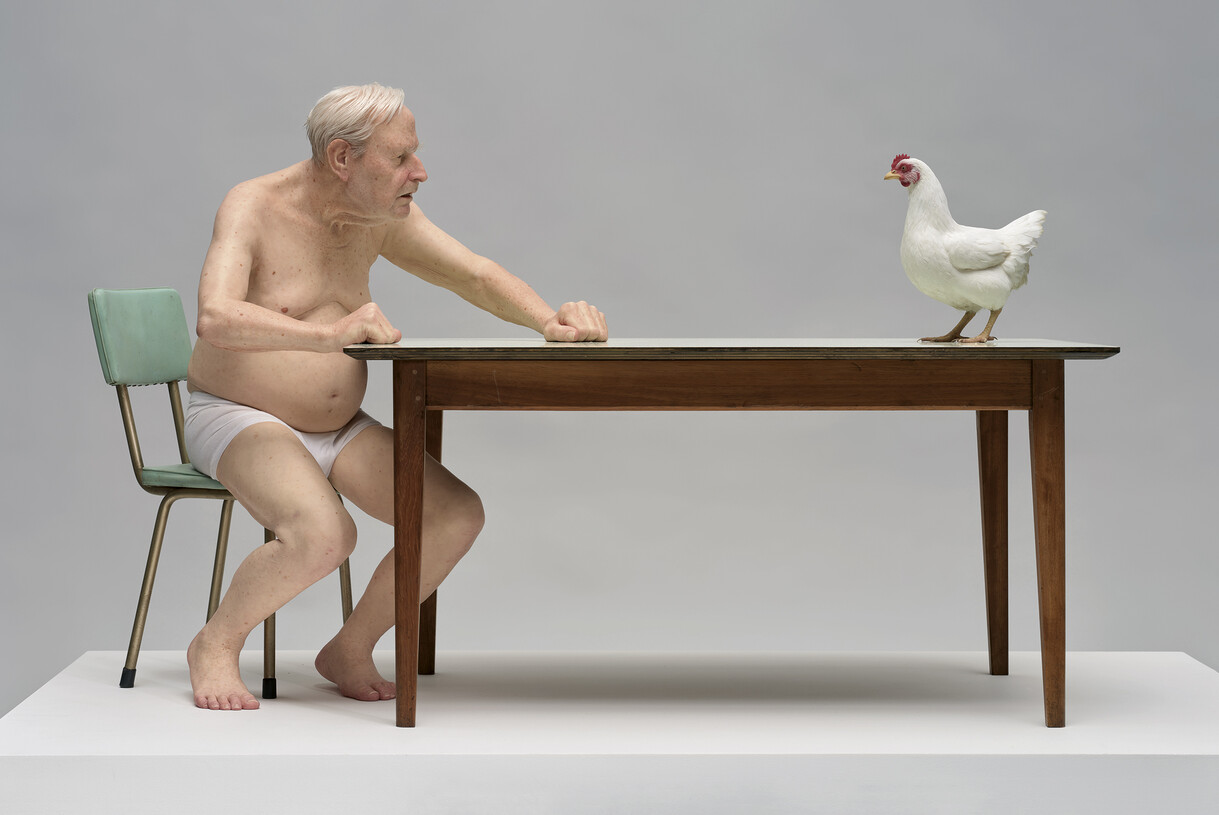
Exhibition
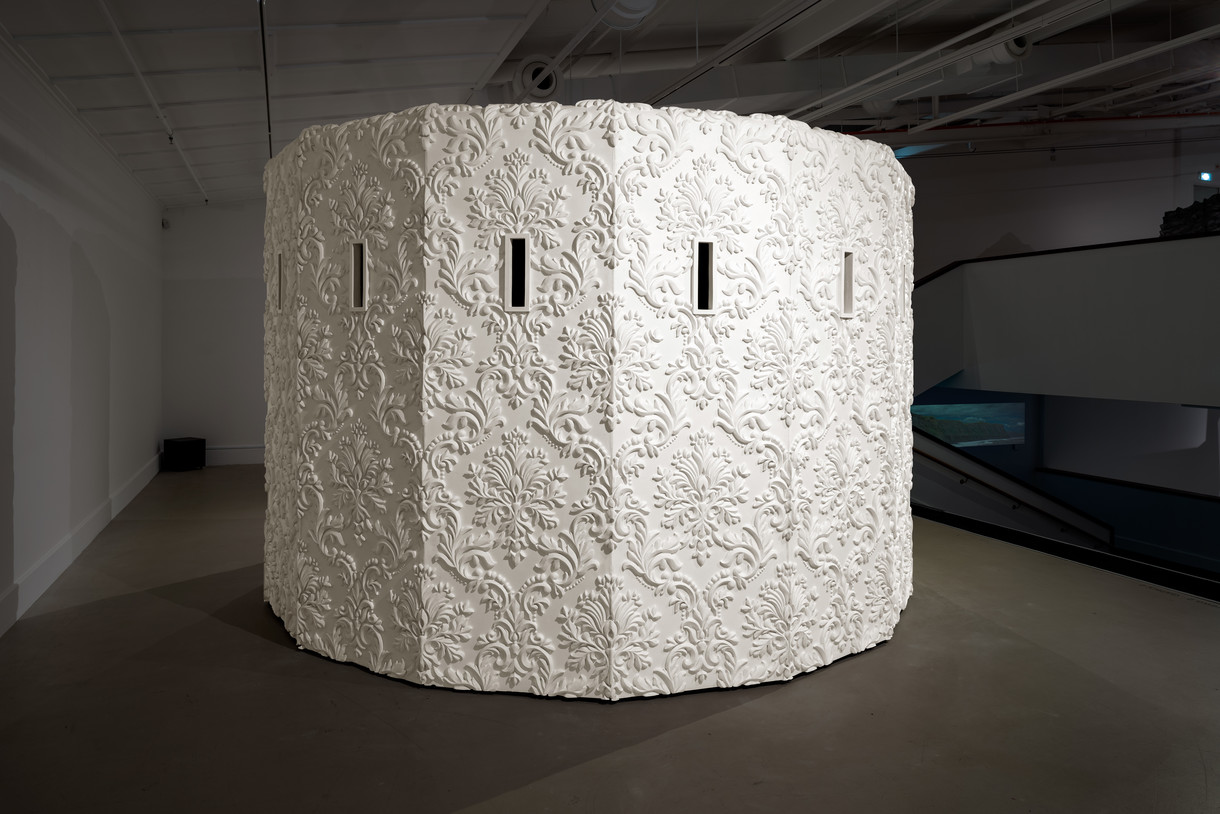
Brett Graham: Tai Moana Tai Tangata
Shared colonial histories sound an urgent warning for the present.
Exhibition
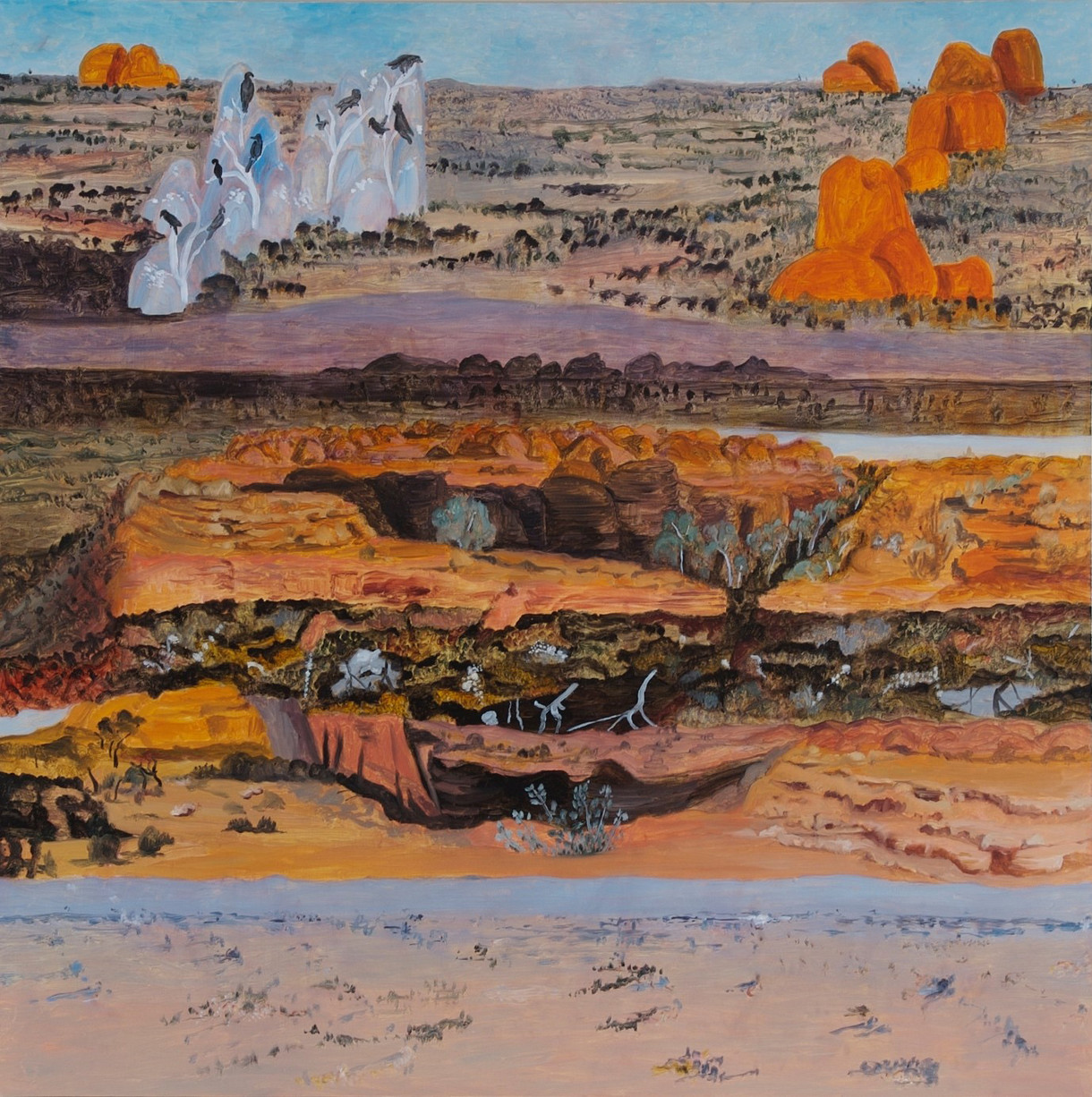
Barbara Tuck: Delirium Crossing
Ambiguous, floating picture worlds, a restless exploration of painting’s promise.
Exhibition
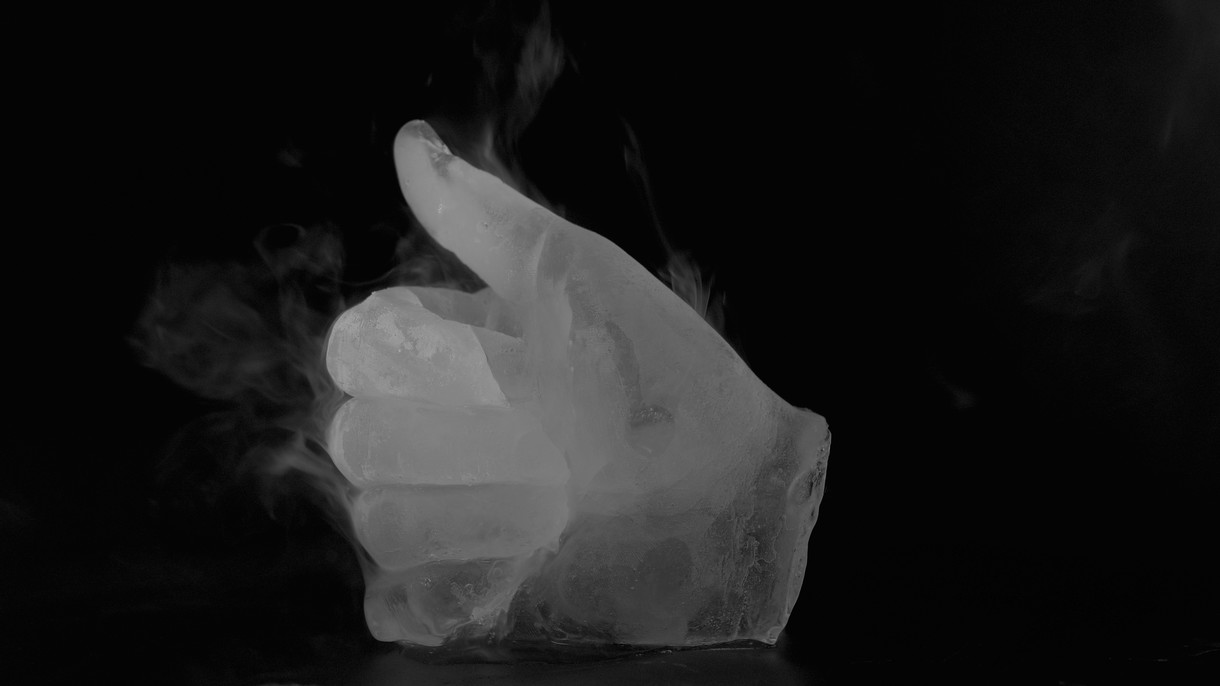
James Oram: By Spectral Hands
In this major new body of work, Ōtautahi artist James Oram creates an ecosystem based on consumer capitalism.