Kā Kaupapa o te Wā
What’s On
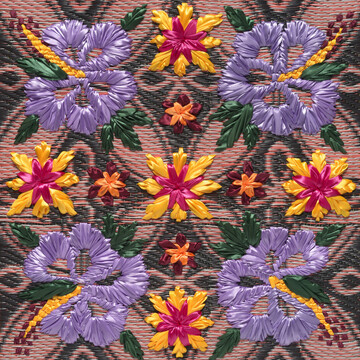
Made in the Pacific: A Collection of Tāoga
A selection of Pacific tāoga from the Canterbury Museum in conversation with contemporary artworks that highlight the continued strength in culture and traditional art forms.
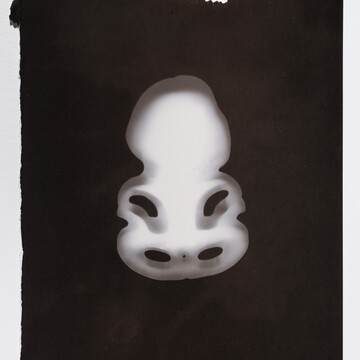
Mark Adams: A Survey | He Kohinga Whakaahua
A comprehensive survey spanning the artist's career.
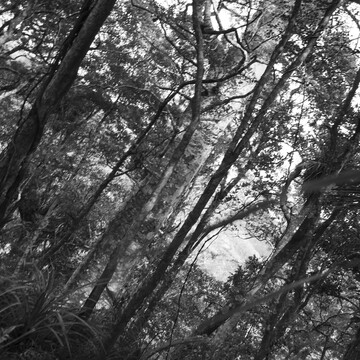
Ana Iti: Ngahere Behind a Pile of Metal
An immersive installation considering the legacies of deforestation and significance of kauri trees.
E tuwhera ana te wharetoi i kā rā e 7 o te wiki, 10am - 5pm
Ka tuwhera ki te 9pm i kā pō Wenerei
Open 7 days, 10am - 5pm
Late night Wednesday until 9pm
Uruka utukore, ahokore utukore
Free entry, free wifi
Collection
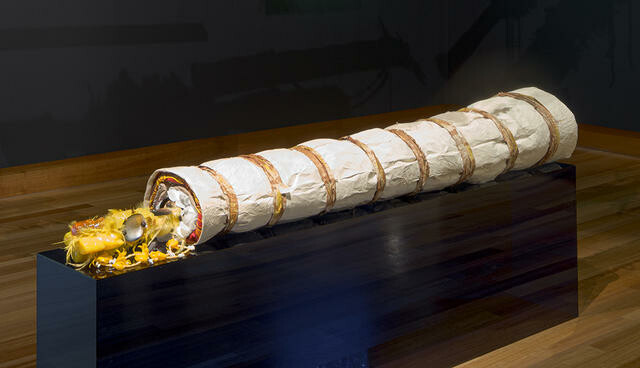
Nina Oberg Humphries Avaiki
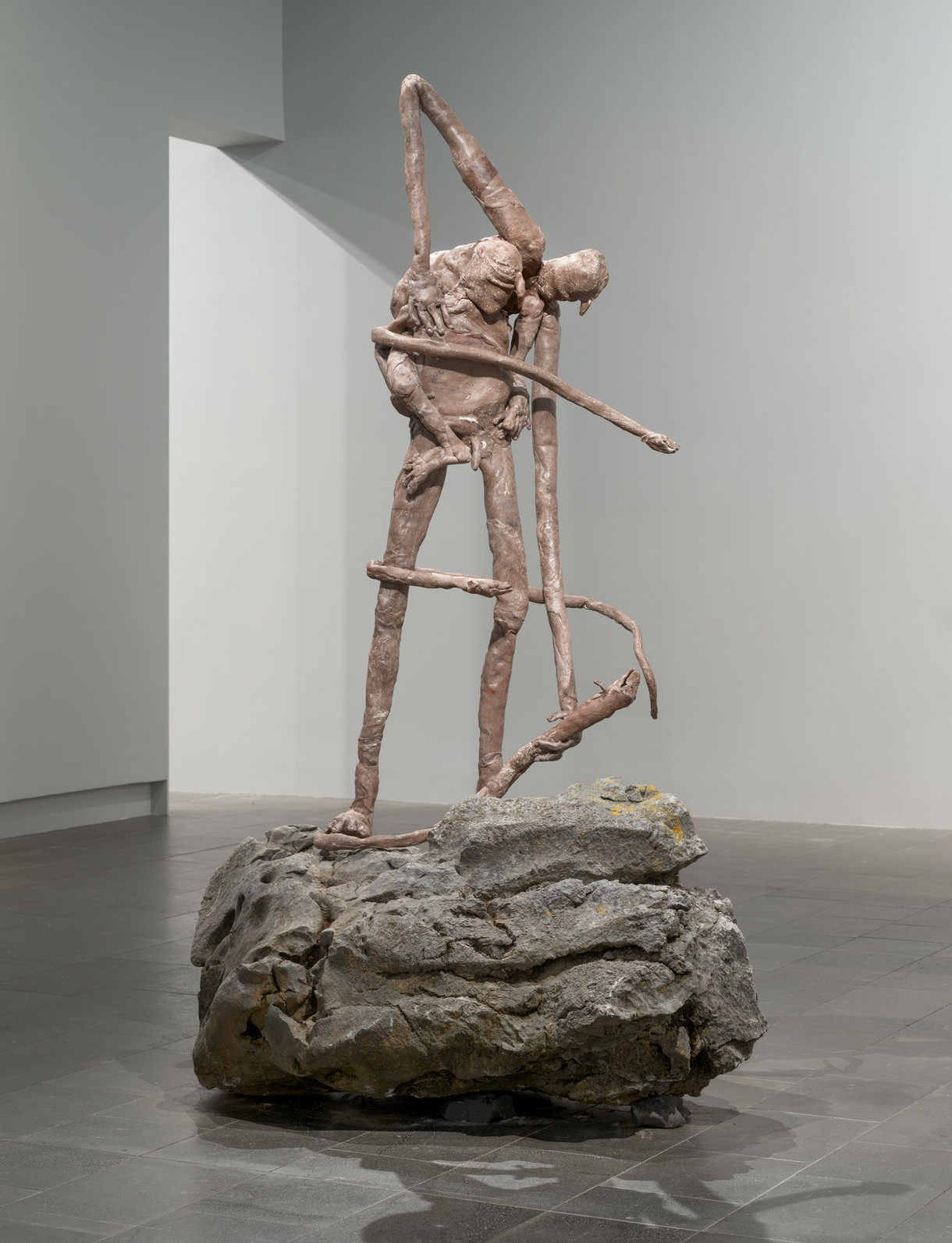
Nina Oberg Humphries is second-generation Aotearoa-born Cook Islander, and part of a new generation of artists exploring how art might evolve beyond colonial hierarchies and priorities. As an artist in residence at the University of Canterbury in 2020, she examined items from the Oldman collection of Māori and Pacific artefacts, inviting members of Canterbury’s Pacific community to engage with the items and recall stories of living and growing up in Aotearoa. Through this experience, Oberg Humphries created an installation called Avaiki (A Place of Remembering), of which this large god stick was the centrepiece. This work emphasises her determination to maintain and strengthen her connection with Pacific people and customs, while also keeping private knowledge safe by wrapping these stories into the heart of the work.
(Living Archives, 25 October 2025 – 8 March 2026)
Collection
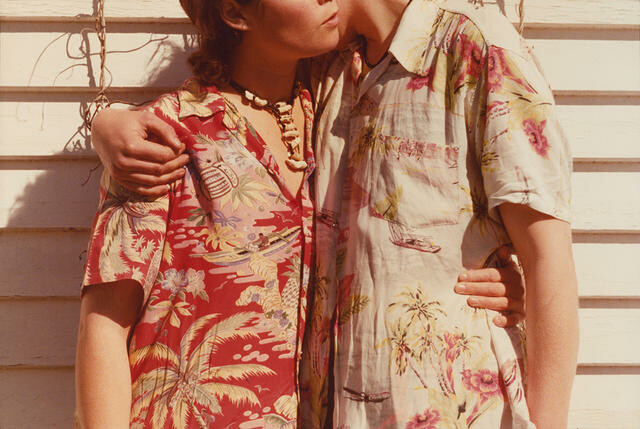
Jane Zusters Two shirts
This photograph shows the attention that Jane Zusters paid to the visibility of queer relationships in her work from the 1970s. Tropical shirts and warm holiday tones reveal the casual bliss of shared living. Jane uses her camera to frame and crop, complicating what we can know about the individual people in them. Instead, the connection to someone else is what becomes important. Embracing arms and hands wrap around each other, forming bodies into joined entities.
(Perilous: Unheard Stories from the Collection, 6 August 2022- 21 July 2024)
Collection
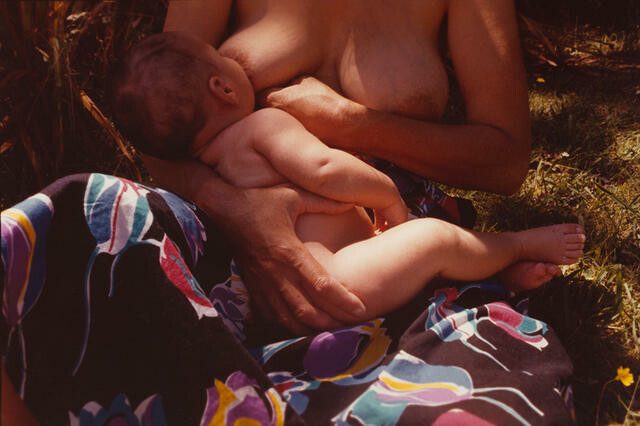
Jane Zusters Mother and Child
Ōtautahi artist Jane Zusters works across painting, photography and ceramics. These recently acquired photographs capture Jane’s bohemian life and friends in Christchurch in the late-1970s, and precede a period when she was mainly painting. Tender and intimate, they give us a sense of warm friendships and a supportive community, despite the conservatism of Christchurch at the time, and they address queer histories, gender and identity. Portrait of a woman marrying herself challenges the expectation that women should marry, presenting instead a ceremony of self-care and respect. We see a truncated nude figure in the pool, staying afloat through curling her toes under the handrail; her friend breastfeeding her child; and another friend dressing up. While these works share the formal elements of her painting, such as strong composition, contrast or colour, they are also an important social record of the times.
(Perilous: Unheard Stories from the Collection, 6 August 2022- )