Kā Kaupapa o te Wā
What’s On
Made in the Pacific: A Collection of Tāoga
A selection of Pacific tāoga from the Canterbury Museum in conversation with contemporary artworks that highlight the continued strength in culture and traditional art forms.
Mark Adams: A Survey | He Kohinga Whakaahua
A comprehensive survey spanning the artist's career.
Ana Iti: Ngahere Behind a Pile of Metal
An immersive installation considering the legacies of deforestation and significance of kauri trees.
E tuwhera ana te wharetoi i kā rā e 7 o te wiki, 10am - 5pm
Ka tuwhera ki te 9pm i kā pō Wenerei
Open 7 days, 10am - 5pm
Late night Wednesday until 9pm
Uruka utukore, ahokore utukore
Free entry, free wifi
Collection
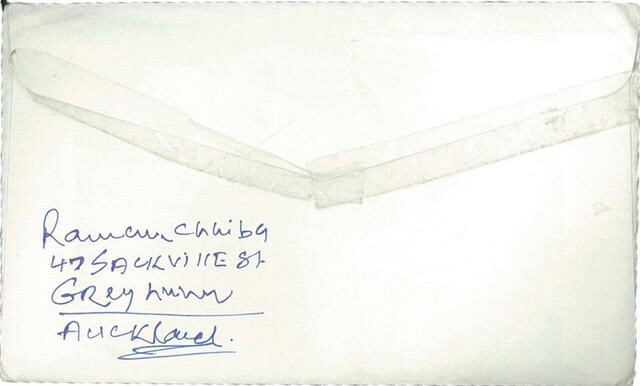
Ilish Thomas NAMASKAR & Merry Xmas
In this video workIndian New Zealand artist Ilish Thomas considers the complexity of the South Asian diasporic experience in Aotearoa.
NAMASKAR & Merry Xmas scrolls through the last letter sent from Ilish’s grandfather to her mother ahead of his death. It shares concerns about financial security, health problems and chores. Like an informal will, the letter tries to tie up loose ends and highlights her grandfather’s persisting worries about survival and economic independence as a migrant family. Ilish’s attention to materiality is important to both videos; the saree fabric and bedroom curtain lace are tactile reminders of two different places that represent home, while the cursive handwriting recalls the letterforms of Gujarati, her grandfather’s mother tongue.
(Spring Time is Heart-break: Contemporary Art in Aotearoa, 2023)
Collection
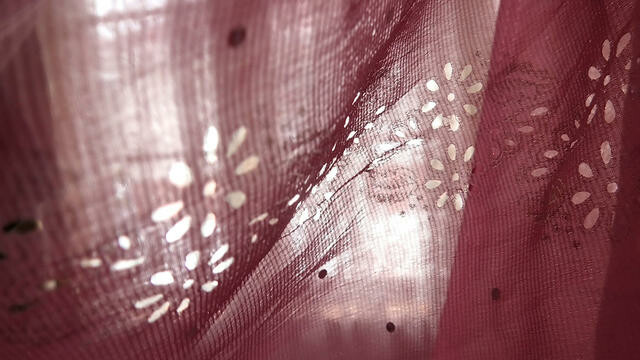
Ilish Thomas Indira’s Birthday (ઇન્દિરાનો જન્મદિવસ)
In this video work Indian New Zealand artist Ilish Thomas considers the complexity of the South Asian diasporic experience in Aotearoa. In Indira’s Birthday (ઇન્દિરાનો જન્મદિવસ), Ilish records her mother putting on a saree at home in Ōtepoti Dunedin on her birthday. Within a domestic context, this celebration of identity is personal and private, in contrast to the discomfort that may be felt when wearing cultural dress in a conservative public place. Ilish’s mum protects herself from everyday racism
(Spring Time is Heart-break: Contemporary Art in Aotearoa, 2023)
Director's Foreword
Director’s Foreword
Welcome to the winter 2024 edition of Bulletin. At its very heart, Christchurch Art Gallery Te Puna o Waiwhetū is built upon a collection that weaves together diverse threads from history, culture and imagination. From contemporary installations that reflect and challenge the world around us to finely crafted historical paintings, each piece tells us something about the human experience, connecting past, present and future in a continuous dialogue. The works in our collection make other statements too: about where we have come from, who we are now, and how we hope others might see us in the future. Far more than a selection of static objects, it’s a living resource that will continue to grow and change as time passes and ideas shift, and as Ōtautahi Christchurch continues to adapt and transform into a diverse and exciting cultural powerhouse.
Commentary
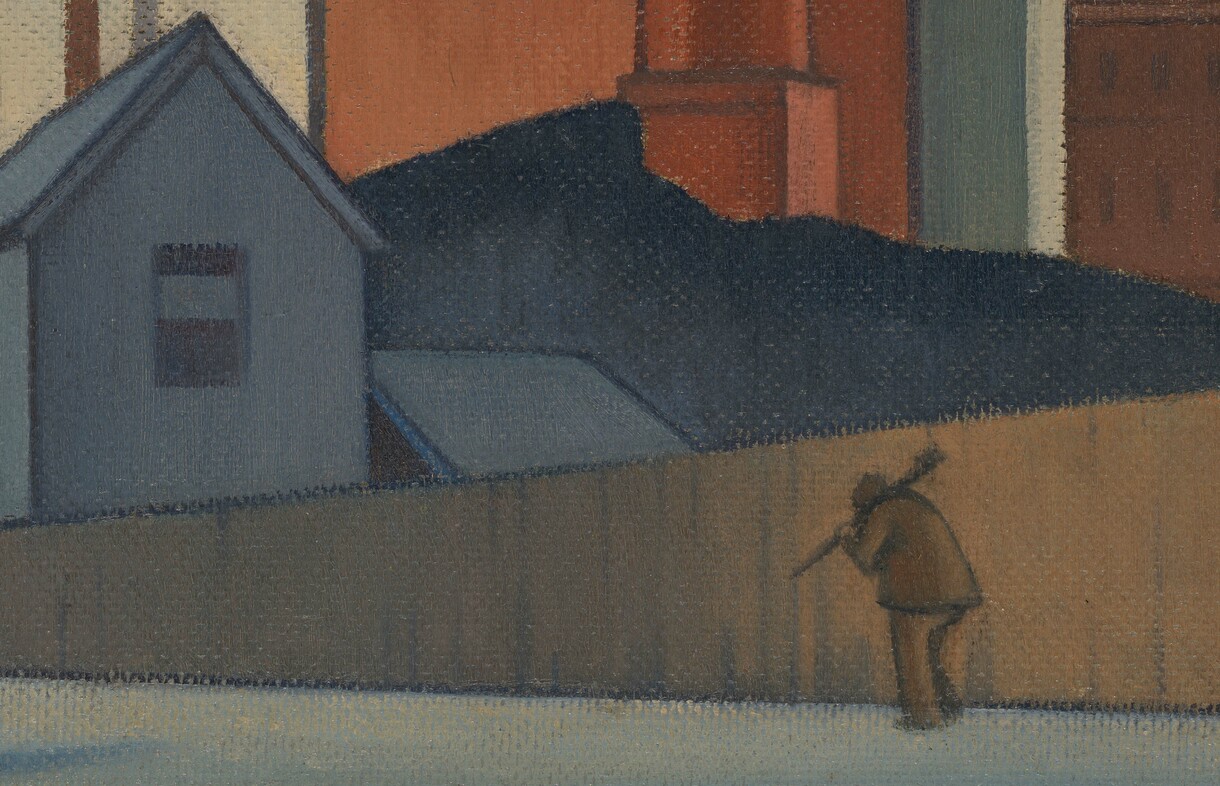
Down and Gritty
The art history of Aotearoa New Zealand includes a subgenre of landscape painting that is often under recognised, but enlivens the story of this country in gritty, illuminating ways. Investigating the twentieth-century painters who focused on the urban and industrial exposes a rich seam of material, with subject-matter ranging from gasworks, hydroelectric plants and foundries to factories, warehouses and cityscapes, workshops, wharves and railway yards. The artists are a combination of well known and less familiar names, but it is notable that this direction developed most strongly among the Ōtautahi Christchurch-trained: two-thirds of the artists in From Here on the Ground attended the Canterbury College School of Art, where many also taught. It was a training ground regarded as among the most progressive in the Southern Hemisphere for several decades in the first half of the century.
My Favourite
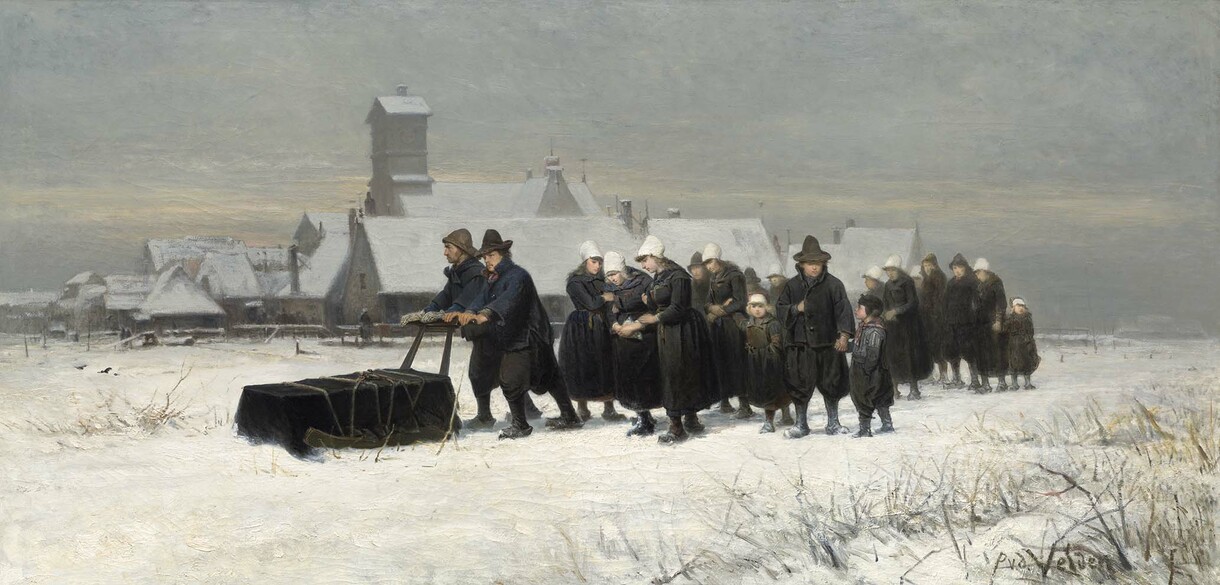
Dry September and the Dutch Funeral
Towards the end of last century I was teaching at Christ’s College. At lunchtime, like quite a few of the boys, I used to go through a gate in a brick wall to the Botanic Gardens to smoke. Then, especially if it was cold, I’d often wander, to no great purpose, through the Robert MacDougal Art Gallery.