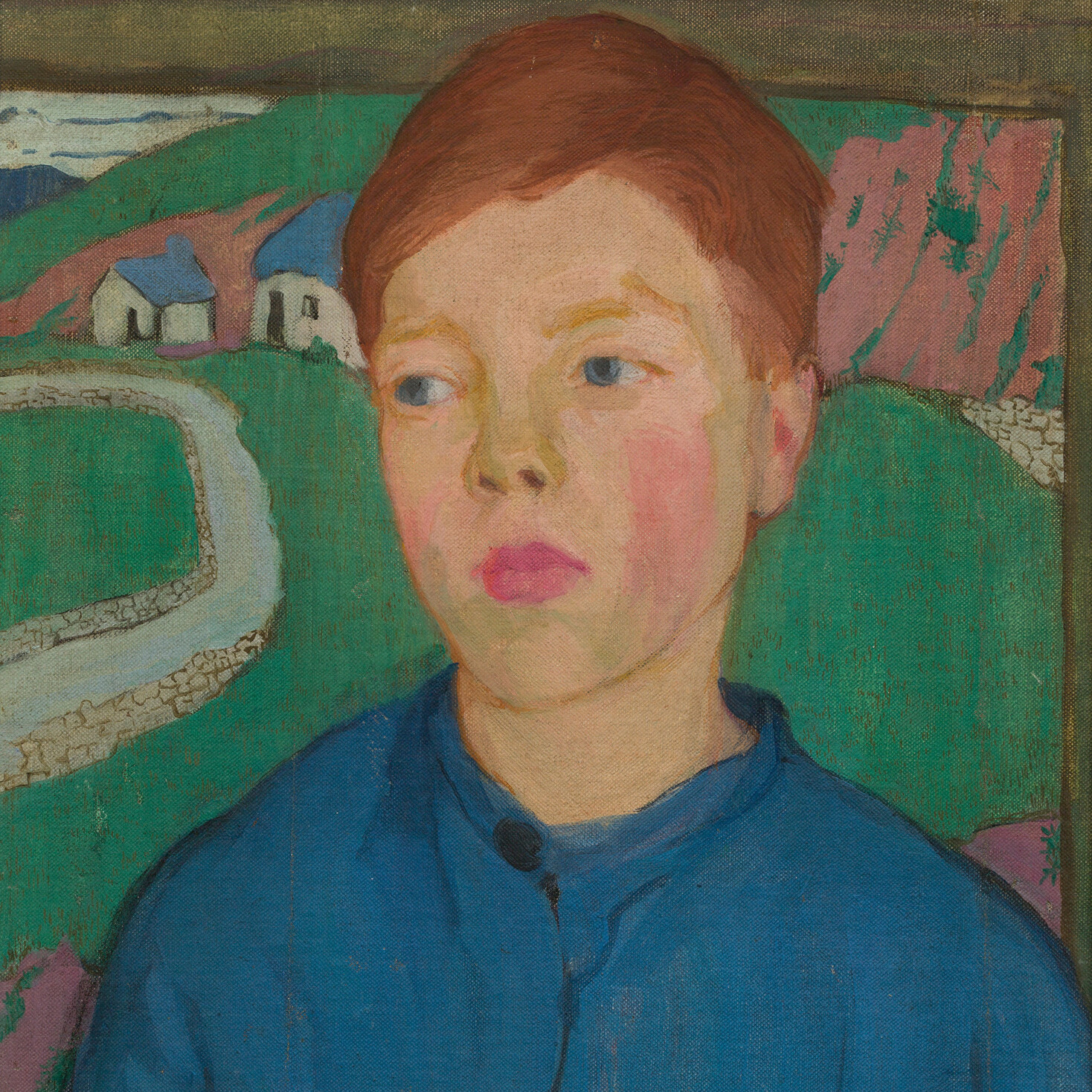
Kā Kaupapa o te Wā
What’s On
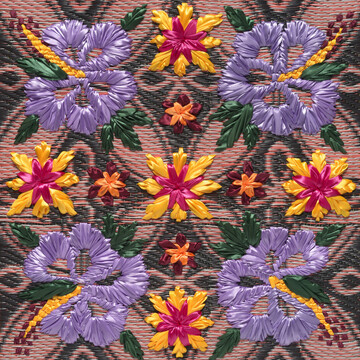
Made in the Pacific: A Collection of Tāoga
A selection of Pacific tāoga from the Canterbury Museum in conversation with contemporary artworks that highlight the continued strength in culture and traditional art forms.
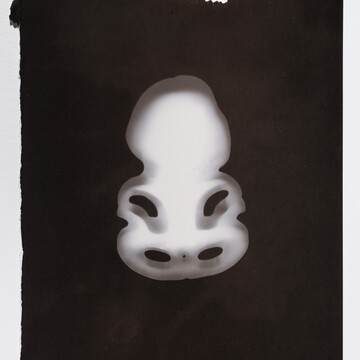
Mark Adams: A Survey | He Kohinga Whakaahua
A comprehensive survey spanning the artist's career.
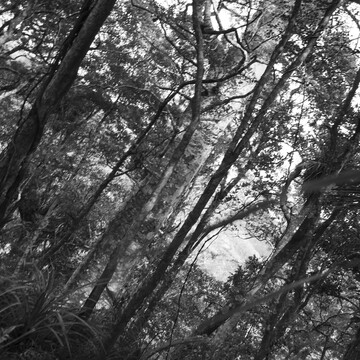
Ana Iti: Ngahere Behind a Pile of Metal
An immersive installation considering the legacies of deforestation and significance of kauri trees.
E tuwhera ana te wharetoi i kā rā e 7 o te wiki, 10am - 5pm
Ka tuwhera ki te 9pm i kā pō Wenerei
Open 7 days, 10am - 5pm
Late night Wednesday until 9pm
Uruka utukore, ahokore utukore
Free entry, free wifi
Commentary
Opening the Archives
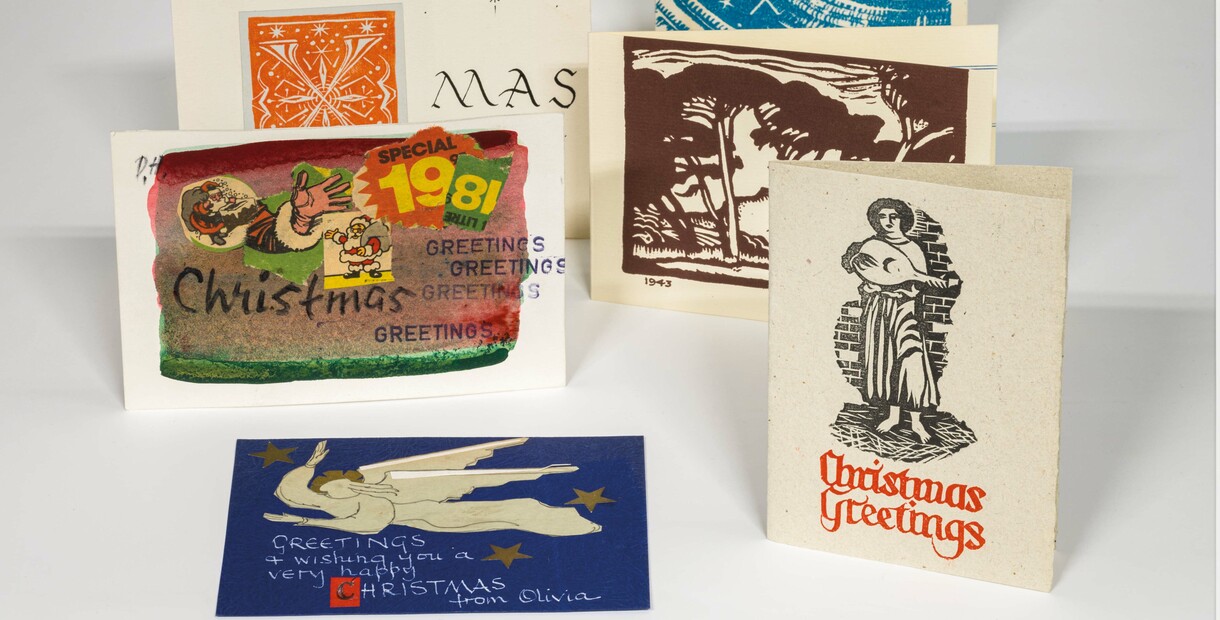
Amongst the regular books, artist books and rare books, the Robert and Barbara Stewart Library and Archives also contains a treasure-trove of letters, diaries, photographs, newspaper cuttings, videos and more. These fascinating objects shine a light on the lives and careers of many of the artists in our collection, telling us how they developed their works, how they related to their contemporaries, even where they went on their holidays. They are used a good deal by curators and researchers – and you can see some of them in our current exhibitions He Kapuka Oneone and One O’Clock Jump – but they usually live well out of sight.
Interview
Practice, Poetry and Precision
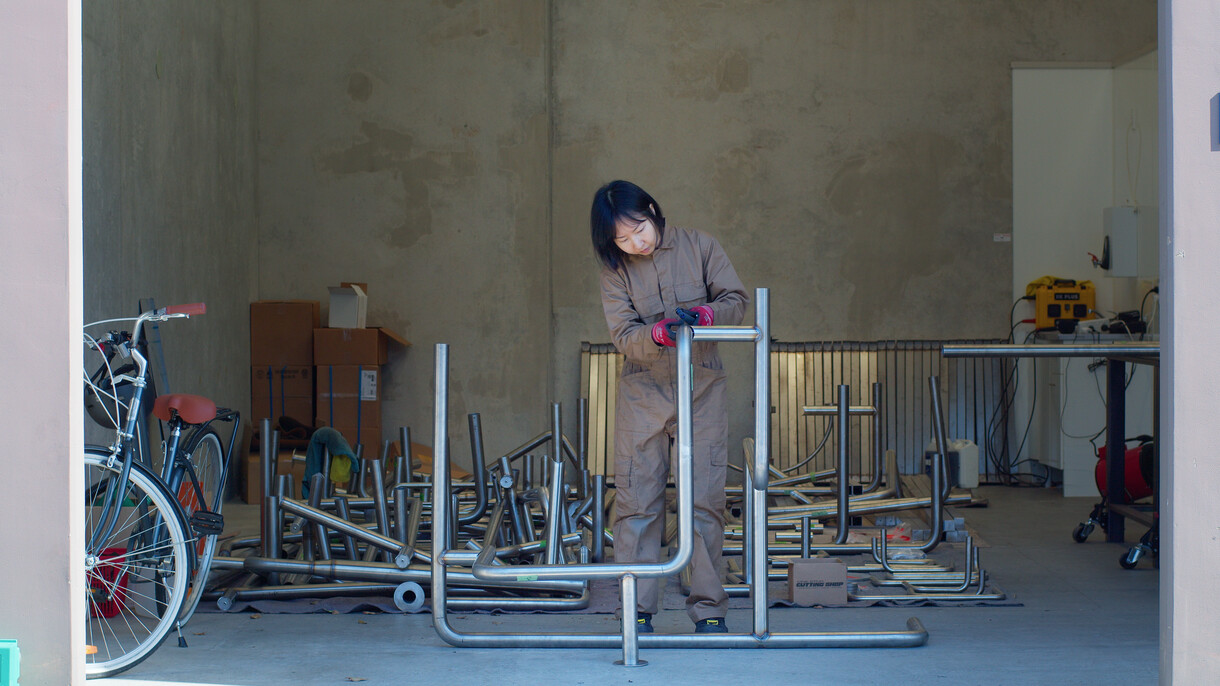
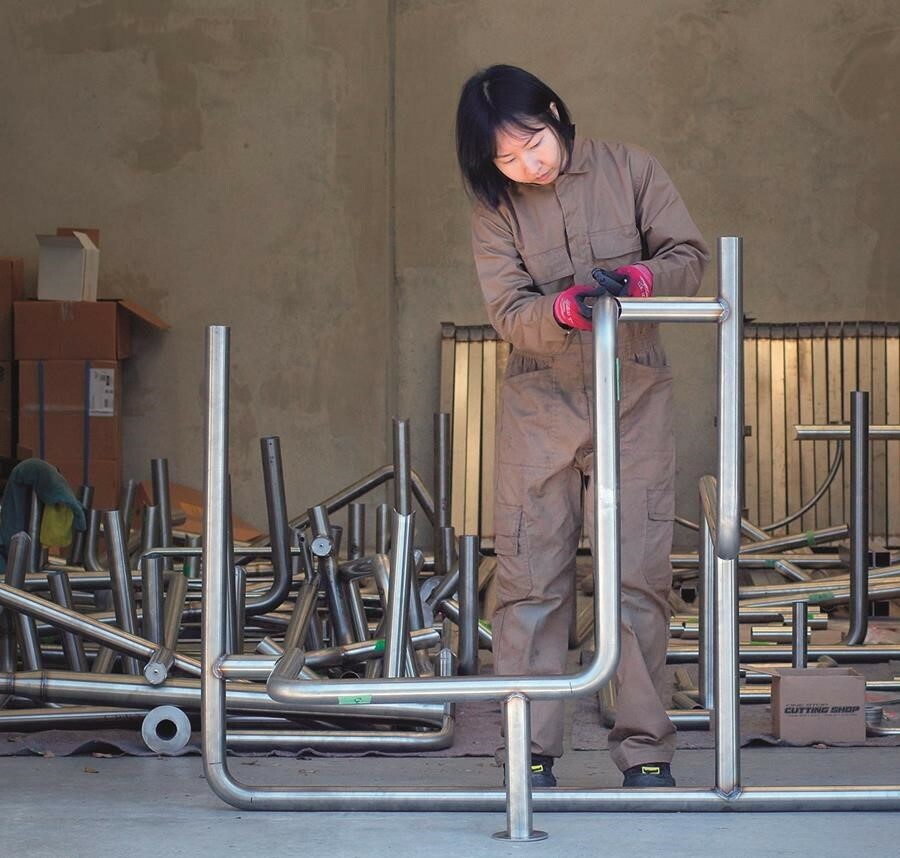
Artist Yona Lee has been preparing something very special in her Tāmaki Makaurau Auckland studio – a new commission that honours the history of the Gallery building, Te Puna o Waiwhetū. Lee took some time away from her workbench to speak with lead curator Felicity Milburn about her dream of filling the under-stairs space with water and light.
Artist Profile
Unfamiliars
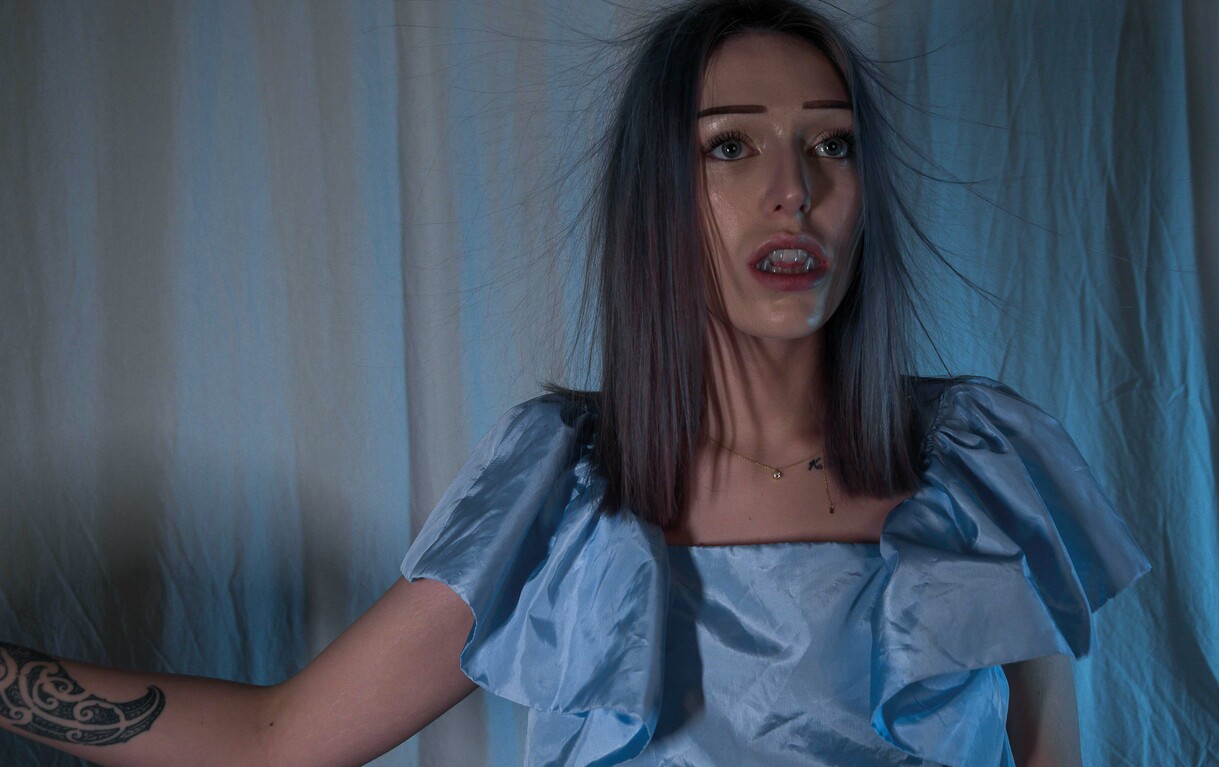
One size doesn’t necessarily fit all. Amongst other ideas, our current exhibition Dummies & Doppelgängers explores how imagined or altered identities can help artists construct worlds that better accommodate them or others. Here, the exhibition’s curator Felicity Milburn considers how this dynamic plays out in the work of two of the featured artists.
Collection
Xin Cheng Seeing Like a Forest
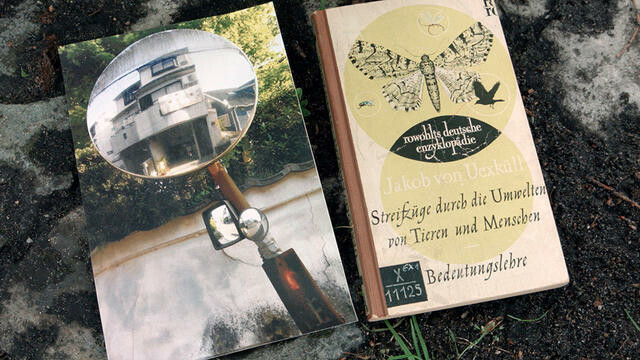
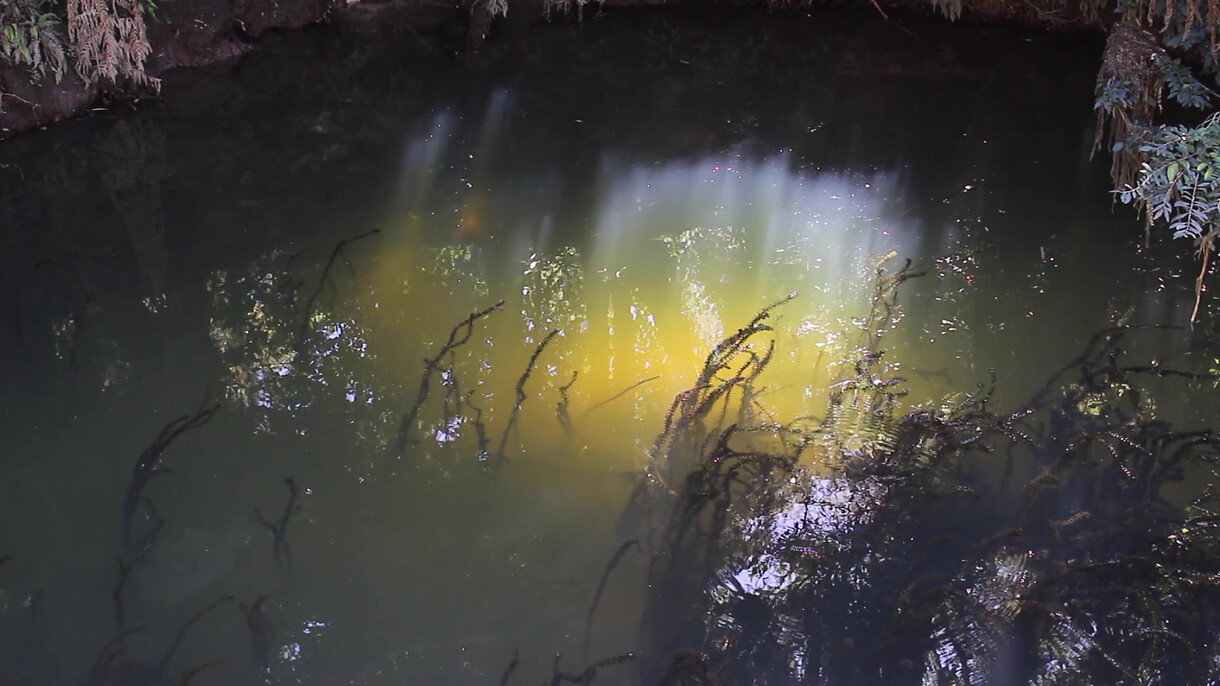
Everyday resourcefulness is central to Xin Cheng’s work. Her film Seeing Like a Forest was made during the three years she lived in Hamburg, as she reflected on over a decade of research observing the small modifications to shared spaces made by non-specialists around the Asia-Pacific and Europe. Walking, talking, doing and making, Cheng learns from close looking; in this work she shows some of the approaches people take to adapting their communal environments, examples of inventive resourcefulness and heartwarming waste minimisation, captured in this work as a collective record.
(Living Archives, 25 October 2025 – 8 March 2026)
Collection
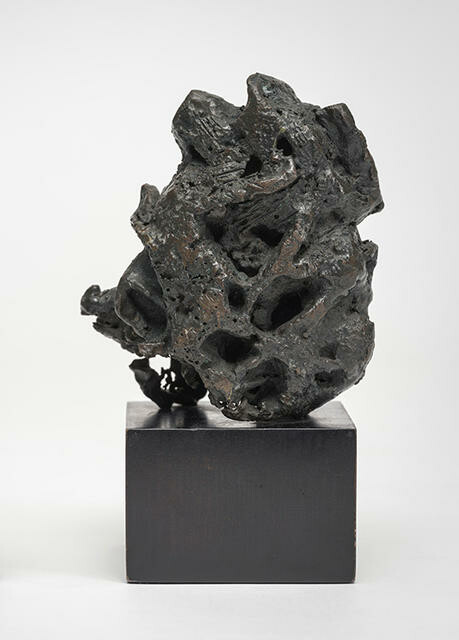
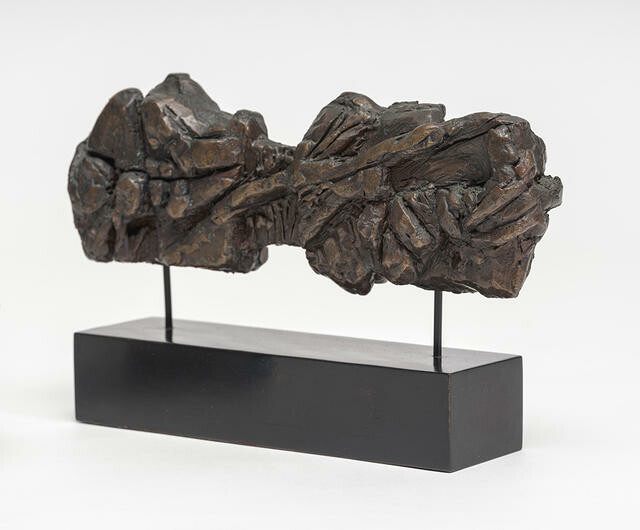
Mere Lodge Te Toka a Tōrea
Mere Lodge grew up in Ruatoria, a small town on the east coast of Te Ika-a-Māui North Island, north of Kihipene Gisborne. The whenua of her upbringing and her Ngāti Porou whakapapa are strongly present in the paintings and sculptures she produced in the 1960s while studying at the University of Auckland’s Elam School of Fine Arts. Te Toka-a-Tōrea illustrates the kōrero behind the name Ruatoria, or Te Rua-a-Tōrea, meaning the storage pit of the renowned Ngāti Porou tipuna, Tōrea. Known for great agricultural ability, strength and resourcefulness, Tōrea lifted a huge boulder in order to use the resulting crater as a storage pit for kūmara.
whenua ~ land whakapapa ~ genealogy kōrero ~ narrative, account tipuna ~ ancestor Ngāti Porou ~ tribal group of East Coast area north of Gisborne to Tihirau
(He Kapuka Oneone – A Handful of Soil, 2025)