Kā Kaupapa o te Wā
What’s On
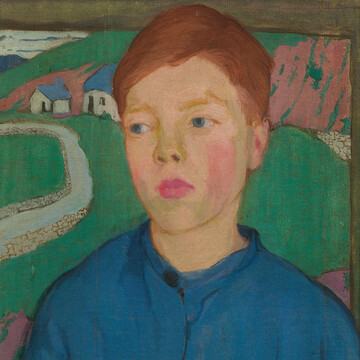
Edith Collier: Early New Zealand Modernist
A rare opportunity to view the work of one of Aotearoa New Zealand’s most adventurous and experimental modernist artists.
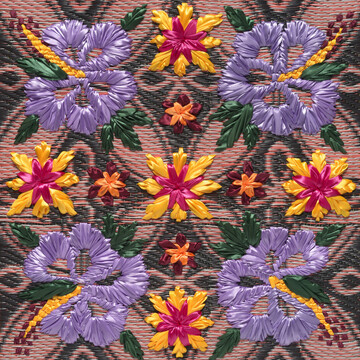
Made in the Pacific: A Collection of Tāoga
A selection of Pacific tāoga from the Canterbury Museum in conversation with contemporary artworks that highlight the continued strength in culture and traditional art forms.
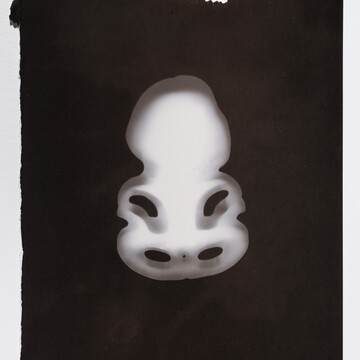
Mark Adams: A Survey | He Kohinga Whakaahua
A comprehensive survey spanning the artist's career.
E tuwhera ana te wharetoi i kā rā e 7 o te wiki, 10am - 5pm
Ka tuwhera ki te 9pm i kā pō Wenerei
Open 7 days, 10am - 5pm
Late night Wednesday until 9pm
Uruka utukore, ahokore utukore
Free entry, free wifi

Notes
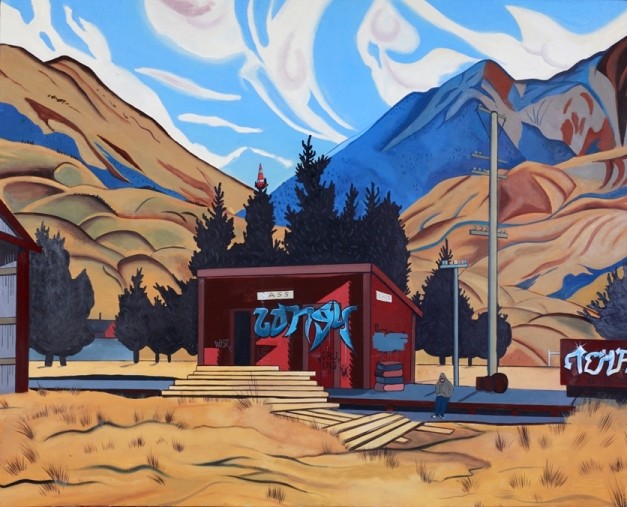
Political platform
Cass gets another working over in the urban art show Oi, you! currently on in Nelson.
Notes
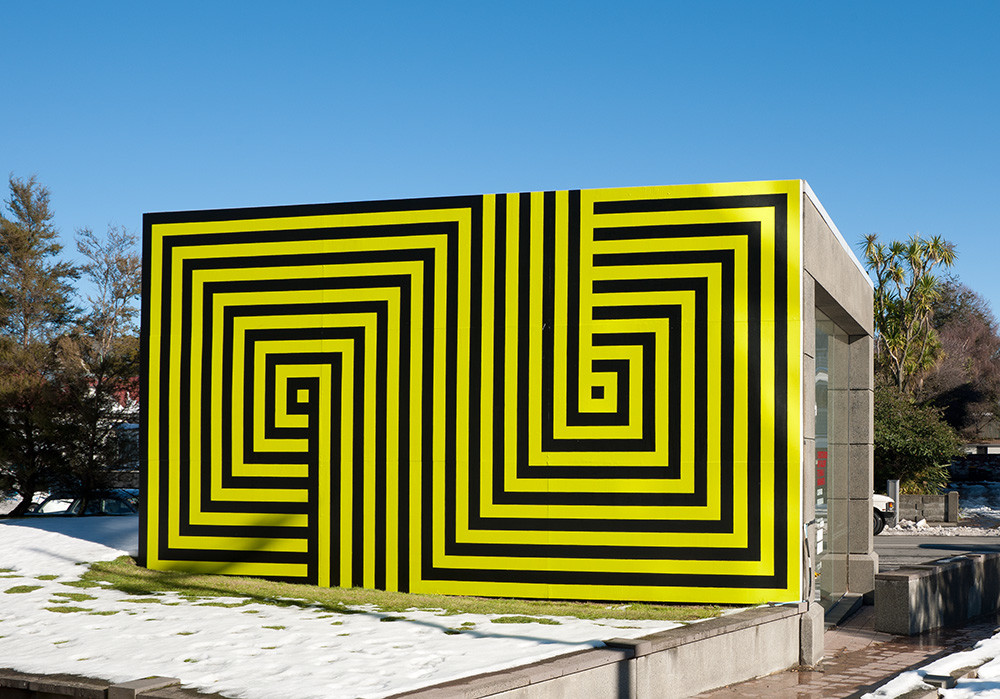
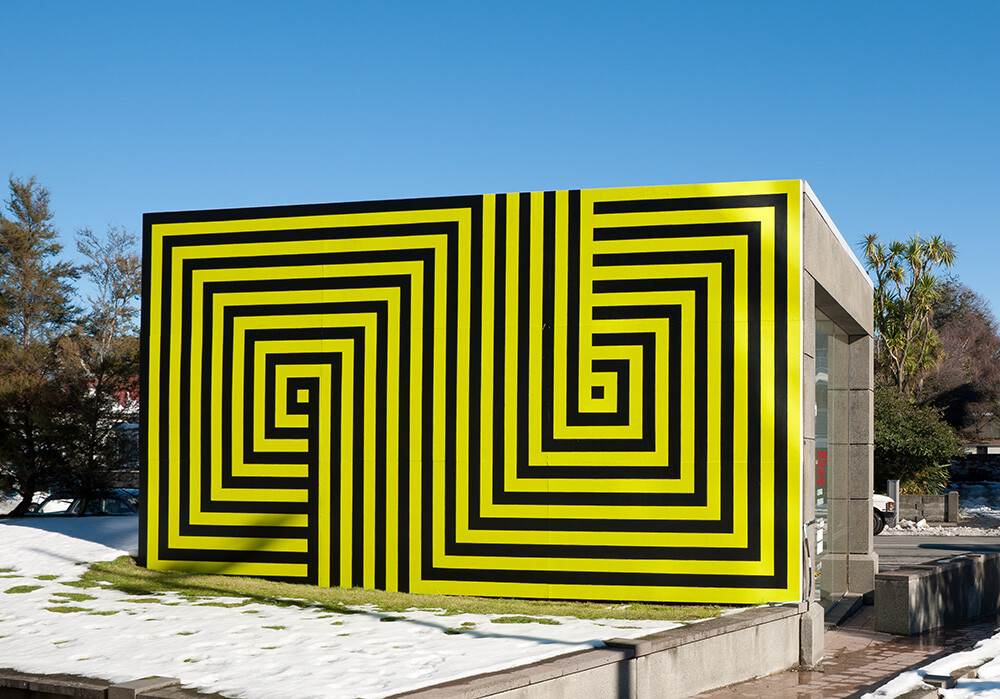
An invitation to discover the Outer Spaces
While the Gallery doors remain closed to the public, there's still plenty to see outside with Outer Spaces – an ongoing programme of artworks 'outside the box'.
Notes

The men with the midas touch
They've done it again. Our seriously awesome web designers Sons & Co scored a gold award in the interactive category for our new mobile web version of the Gallery's site.
Collection
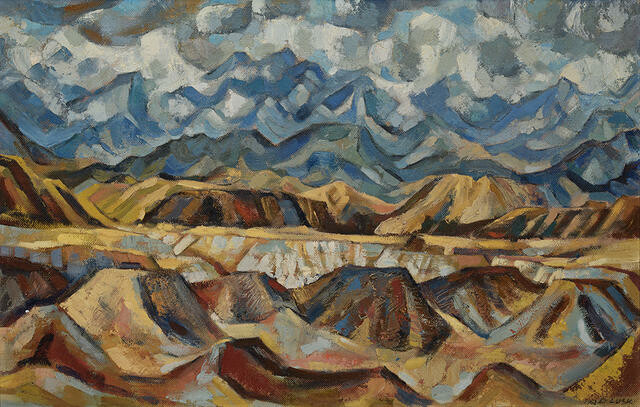
Doris Lusk Summer Storm near Wanaka
Summer Storm Near Wanaka is a painting from the second great phase of Doris Lusk’s work. Along with other progressive young artists in the 1930s and 1940s, Lusk had approached the New Zealand landscape with a modern eye and a hard-edged technique, interested not only in its industries but in representing characteristic local landforms. In the early 1960s she began a new period of experimentation in which her work grew increasingly abstract. ‘I’m not an abstract painter,’ she noted in the late 1960s, ‘But I am very much in sympathy with abstract painting. I admire the way my students can cope with abstract painting. But I am very interested in the wider implications of landscape…’ In Summer Storm Near Wanaka, she reduced the dramatic landscape of Central Otago to a rhythmic series of brushstrokes and daubs that convey a remarkable energy. The clouds boil over distant hills, and powerful natural forces shape the land into alien contours. Lusk made many paintings over several decades in the Central Otago region, continually drawn, as she said later in life, to its ‘curious tonal quality, its lack of conventional greens, and the brilliant light and most intractable colour of those hills’.
(March 2018)