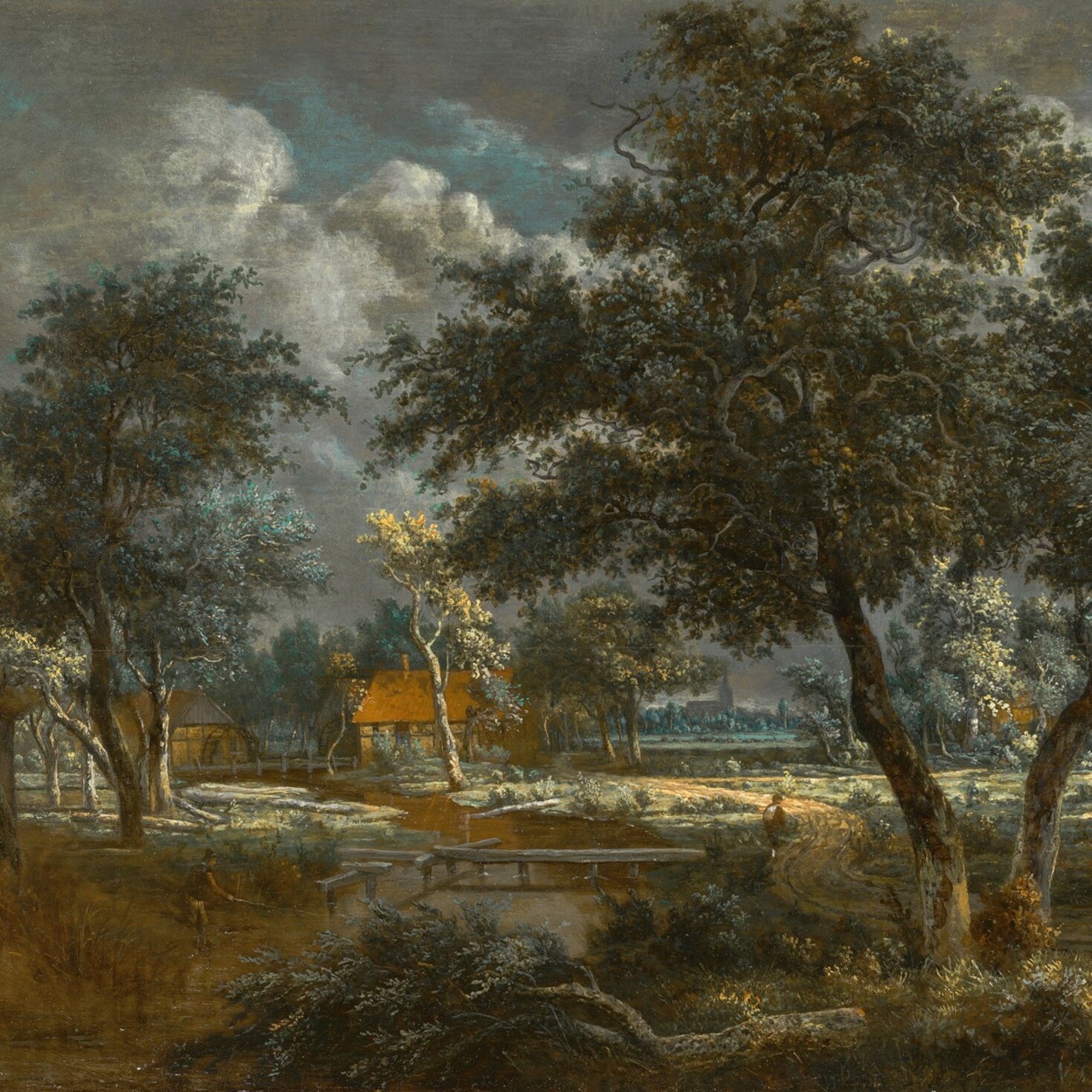
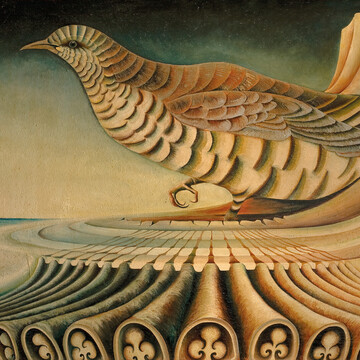
Bird Land: Te Kāhui Manu
From taoka tuku iho to contemporary moving image, Aotearoa’s birds take centre stage
He Kapuka Oneone – A Handful of Soil
Exploring the relationship between tākata and whenua – people and land – through Aotearoa New Zealand’s art history.
Coming Soon
Jason Greig: Blood is Thicker
E tuwhera ana te wharetoi i kā rā e 7 o te wiki, 10am - 5pm
Ka tuwhera ki te 9pm i kā pō Wenerei
Open 7 days, 10am - 5pm
Late night Wednesday until 9pm
Uruka utukore, ahokore utukore
Free entry, free wifi
Collection
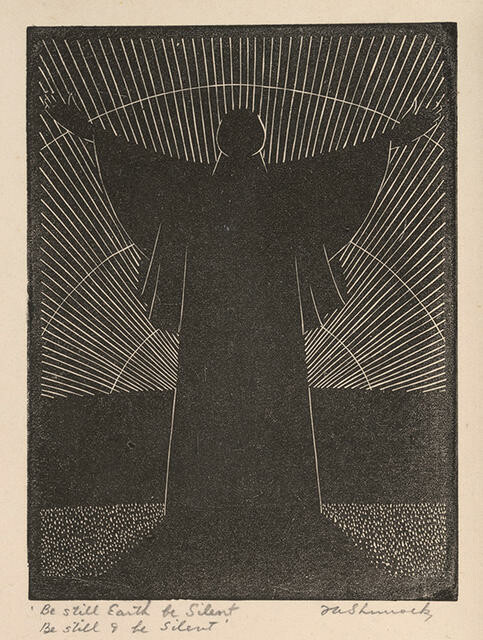
Francis A. Shurrock Be still Earth, be silent, be still and be silent
Like Roland Hipkins, Robert Field and William Allen, the sculptor Francis Shurrock studied at the Royal College of Art in London and immigrated to Aotearoa under the La Trobe scheme to take up a teaching position at one of the country’s art schools. Francis, or Shurrie as his students fondly called him, taught at the Canterbury College School of Art in Ōtautahi Christchurch, where he offered a contemporary, modern outlook on art that was in contrast to the conservative atmosphere of the school at that time. Francis owned a large collection of ukiyo-e Japanese woodblock prints, which he made freely available to his students and friends. He began making linocuts in the late 1920s and wood-engravings in the early 1930s, encouraging many of his students to use these mediums in their practice.
Ink on Paper: Aotearoa New Zealand Printmakers of the Modern Era, 11 February – 28 May 2023
Collection
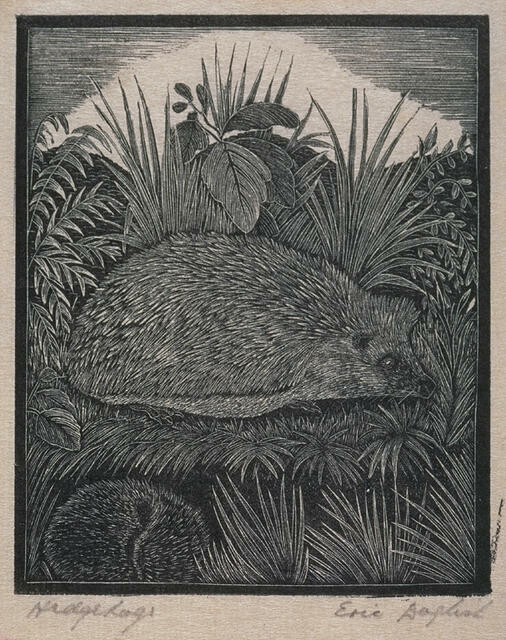
Eric Daglish Hedgehogs
The London-based art critic Malcolm Salaman was very complimentary about Eric Daglish's work, writing in 1927: Mr Eric F. Daglish has a place of his own among our artists on the wood, by reason both of his chosen subject-matter and his decoratively individual manner of treating it. With delicate white lines on black, simply informing or elaborately grouped, and some rhythmic emphasis of white mass, he will depict the bird or quadruped amid its wonted surroundings of vegetable growth, so that these shall conform to a decorative pattern and yet seem to happen naturally. The bird may be on the bough, the frog on the marsh, the rabbit on the edge of the wood, but the artist’s graver will be no less concerned with the branch and its leaves or cones, the reeds and the rushes, the undergrowth, than with the plumage, the skin, the fur. And what a knowledgeable master of varied plumage is Mr Daglish […] But how decoratively alive they are!
The Golden Age 18 December 2015 – 1 May 2016
Collection
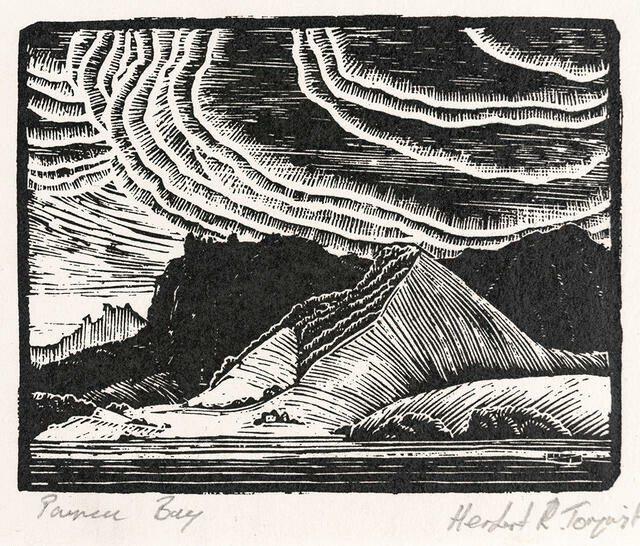
Bert Tornquist Parua Bay
Herbert Tornquist studied under Edward Friström at the Elam School of Art between 1910 and 1915 and, after time spent in Canada, England and the United States, settled back in Tāmaki Makaurau Auckland where he eventually established a photography studio in 1925. Bert became one of the country’s most successful portrait photographers at the time, and was also committed to his printmaking practice. He was an active member of the Quoin Club, and his views of the landscapes around Auckland, Te Tai Tokerau Northland and Te Tara-o-te-Ika a Māui Coromandel from this time are refreshingly energised, using simple yet striking contrasts of black and white tones.
Ink on Paper: Aotearoa New Zealand Printmakers of the Modern Era, 11 February – 28 May 2023
Collection
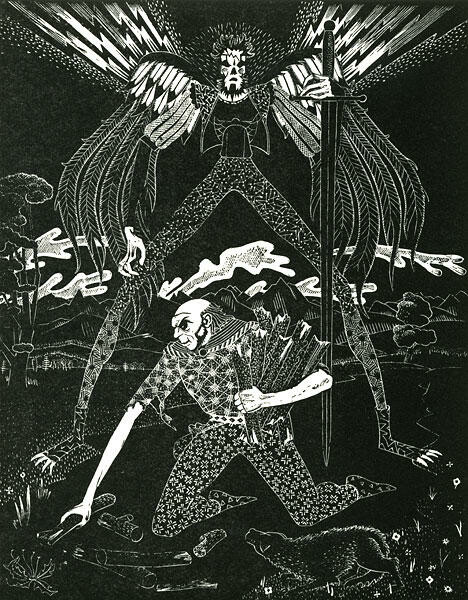
Leo Bensemann Death and the Woodcutter
One of Aotearoa New Zealand’s most talented printmakers, Leo Bensemann was a natural with the notoriously difficult wood-engraving medium. The potential for highly detailed imagery suited the artist, and here he has cut the patterns and shapes with painstaking care. Shurrock encouraged printmaking with his students, and the similarities between cutting away the surfaces of wood-engraving or linocut blocks and carving sculptures would have no doubt appealed to the teacher.
(Dear Shurrie: Francis Shurrock and his contemporaries, 8 March – 13 July 2025)
Collection
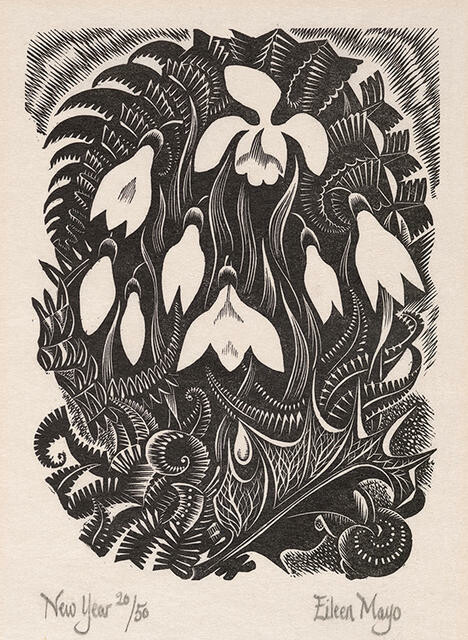
Eileen Mayo New Year
Nature was the predominant theme in Eileen Mayo’s work throughout her distinguished career as a printmaker, painter and designer. She wrote and illustrated numerous books on subjects as varied as seashells, birdsand cats, including her monumental book The Story of Living Things and Their Evolution (1948). She was fascinated with the variety of forms and shapes of plants, and her subject in this work reflects the year of the seasons, as opposed to the calendar year, that begins with the emergence of spring flowers such as these crocuses.
The Golden Age 18 December 2015 – 1 May 2016
Collection
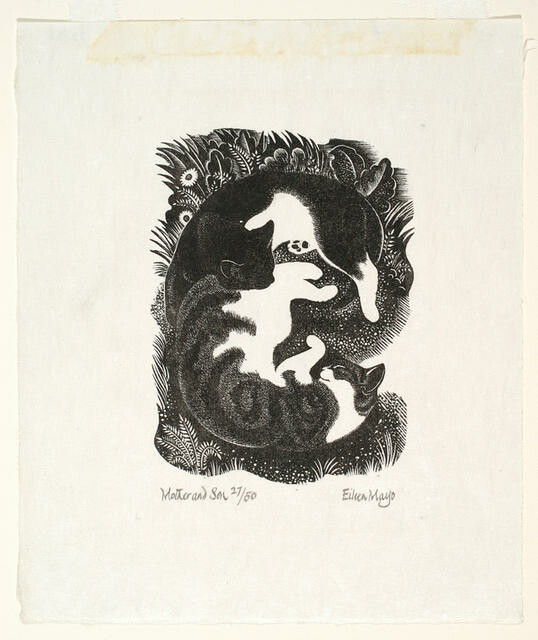
Eileen Mayo Mother and Son
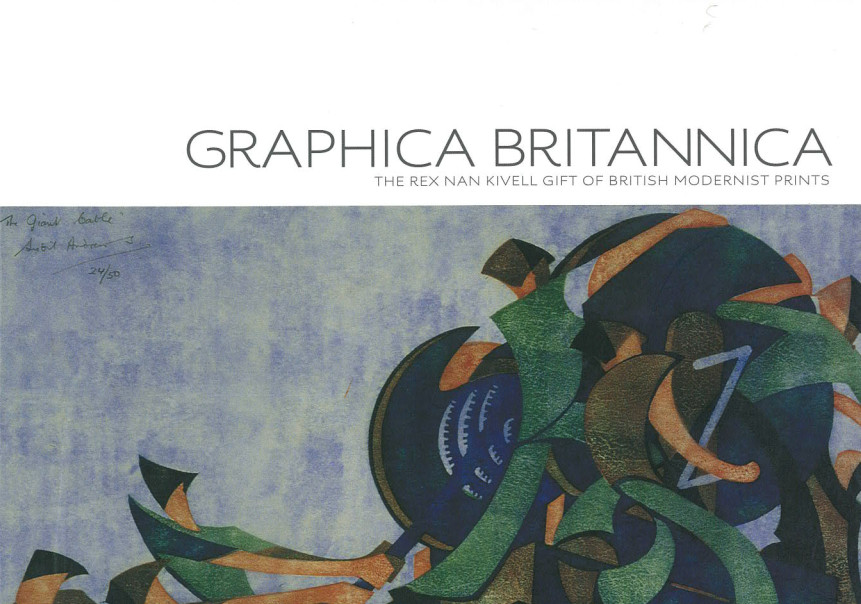
Eileen Mayo has a special place in Christchurch’s art history, not only because of her extraordinary prints and illustrious career but also her tangible connections with this city. Mayo settled here in Christchurch in 1967, having established a career as a printmaker and designer in Britain and Australia. Her British contemporaries included Mabel Annesley and Clare Leighton, both of whom are included in this exhibition, and several works by these artists came into the Gallery's collection as part of a gift of British modernist prints by Redfern Gallery director Rex Nan Kivell.
Mayo adored cats. They were a constant source of companionship throughout her life and were regularly used as subjects in her art.
The Golden Age 18 December 2015 – 1 May 2016
Notes
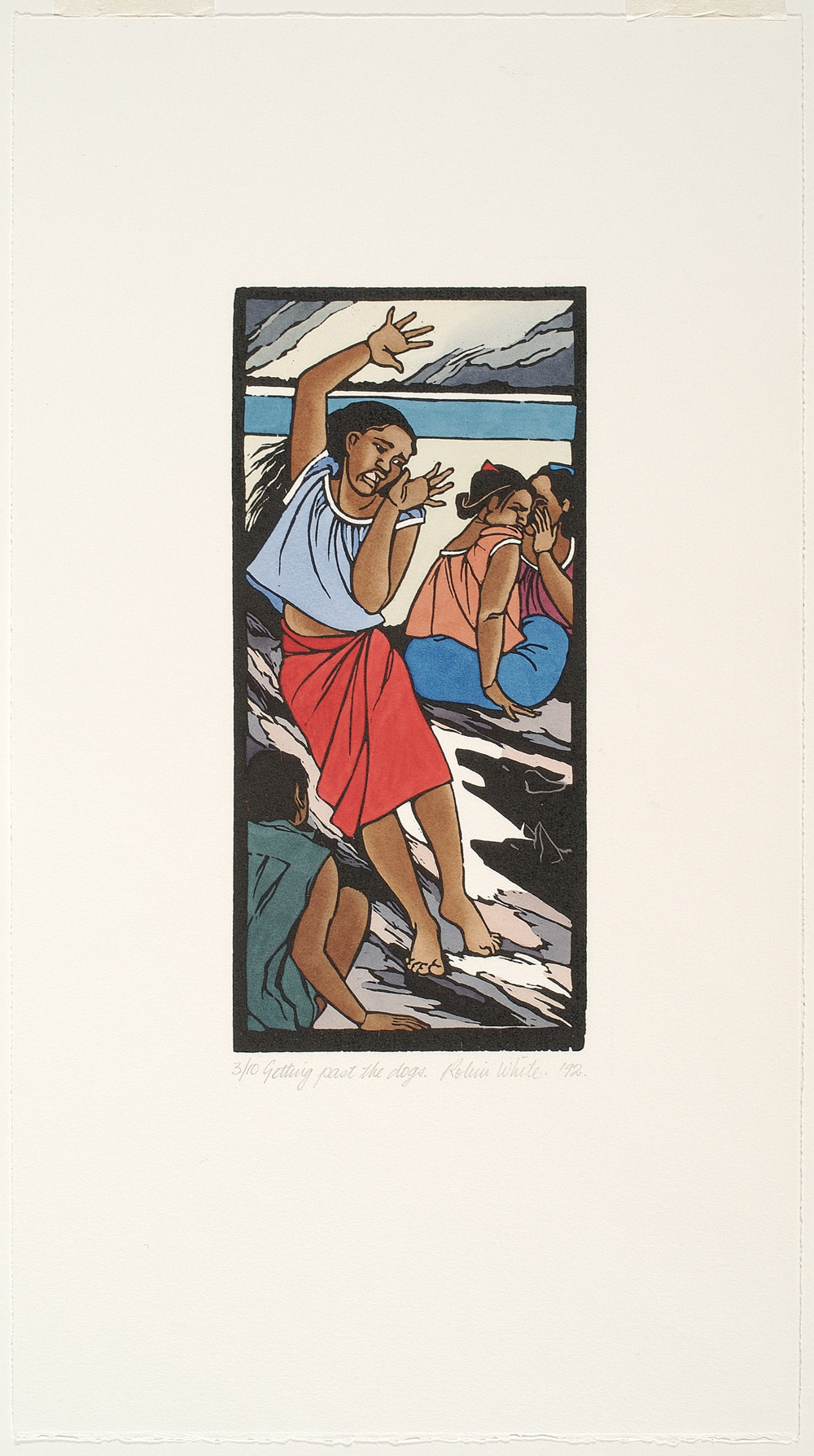
The Print Collection
If the question "what is the largest individual collection area numerically held by the Gallery?" was to be asked, the answer would have to be the Works on Paper collection, within which are 2145 original contemporary and historical prints, the earliest dating from the second half of the fifteenth century.
Notes
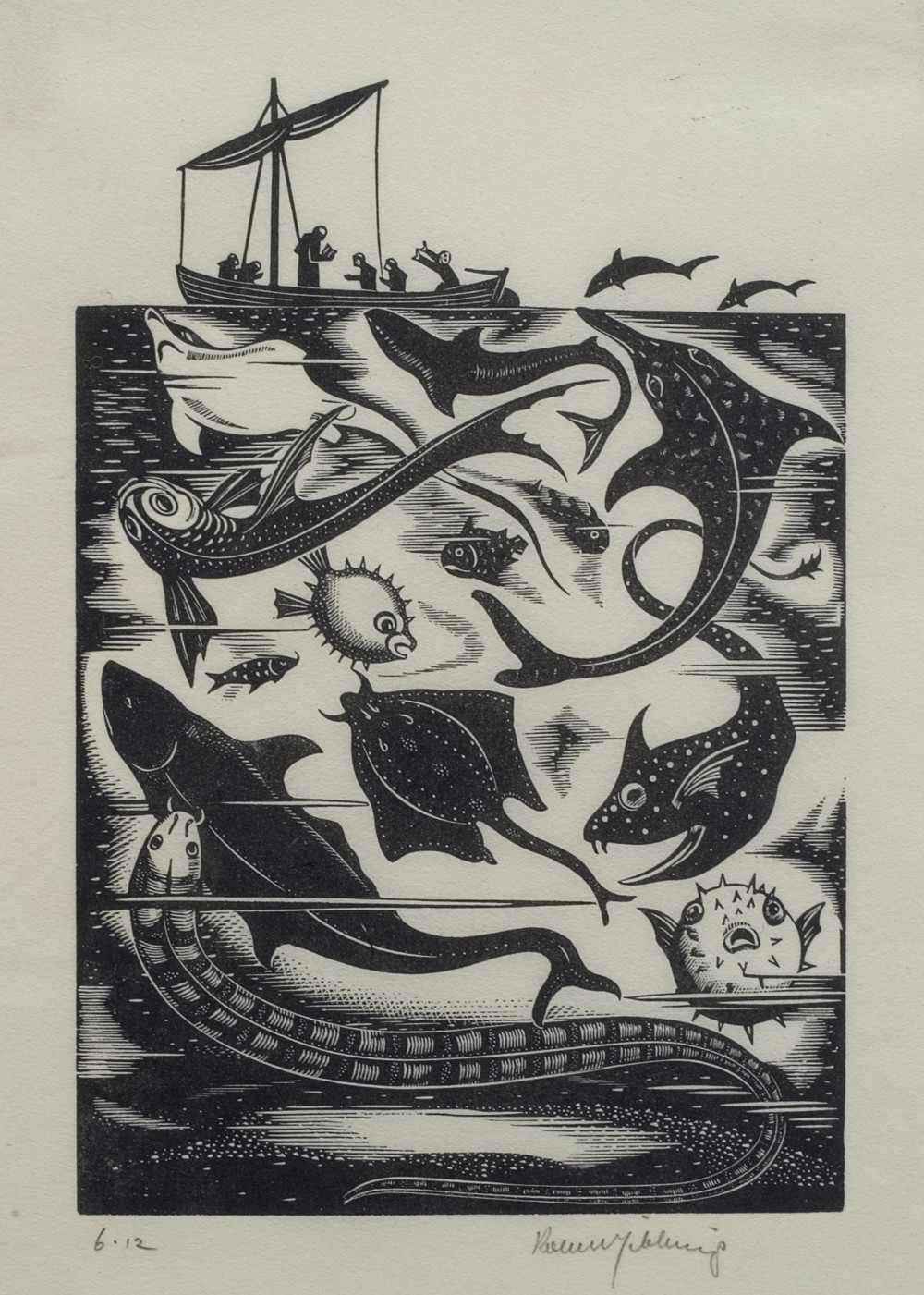
St Brendan and the Sea Monsters by Robert Gibbings
This article first appeared in The Press on 14 December 2005
At just 14 cm tall, the exquisite St Brendan and the Sea Monsters by Irish-born Robert Gibbings (1889-1958) is one of the smallest works in Christchurch Art Gallery's collection, but carries with it some of the largest tales. A rhythmic composition of swirling sea serpents, stingrays and sharks, this finely-crafted woodcut print tells the story of 6th century Irish explorer-monk St. Brendan, or Brendan the Navigator, whose recorded travels were an important part of medieval European folklore, and which continue to fascinate.