
Kā Kaupapa o te Wā
What’s On
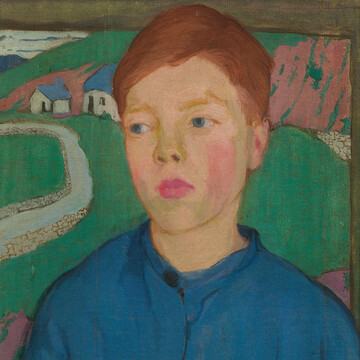
Edith Collier: Early New Zealand Modernist
A rare opportunity to view the work of one of Aotearoa New Zealand’s most adventurous and experimental modernist artists.
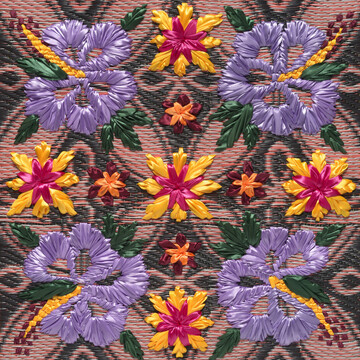
Made in the Pacific: A Collection of Tāoga
A selection of Pacific tāoga from the Canterbury Museum in conversation with contemporary artworks that highlight the continued strength in culture and traditional art forms.
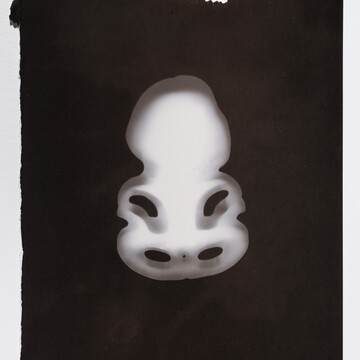
Mark Adams: A Survey | He Kohinga Whakaahua
A comprehensive survey spanning the artist's career.
E tuwhera ana te wharetoi i kā rā e 7 o te wiki, 10am - 5pm
Ka tuwhera ki te 9pm i kā pō Wenerei
Open 7 days, 10am - 5pm
Late night Wednesday until 9pm
Uruka utukore, ahokore utukore
Free entry, free wifi
Article
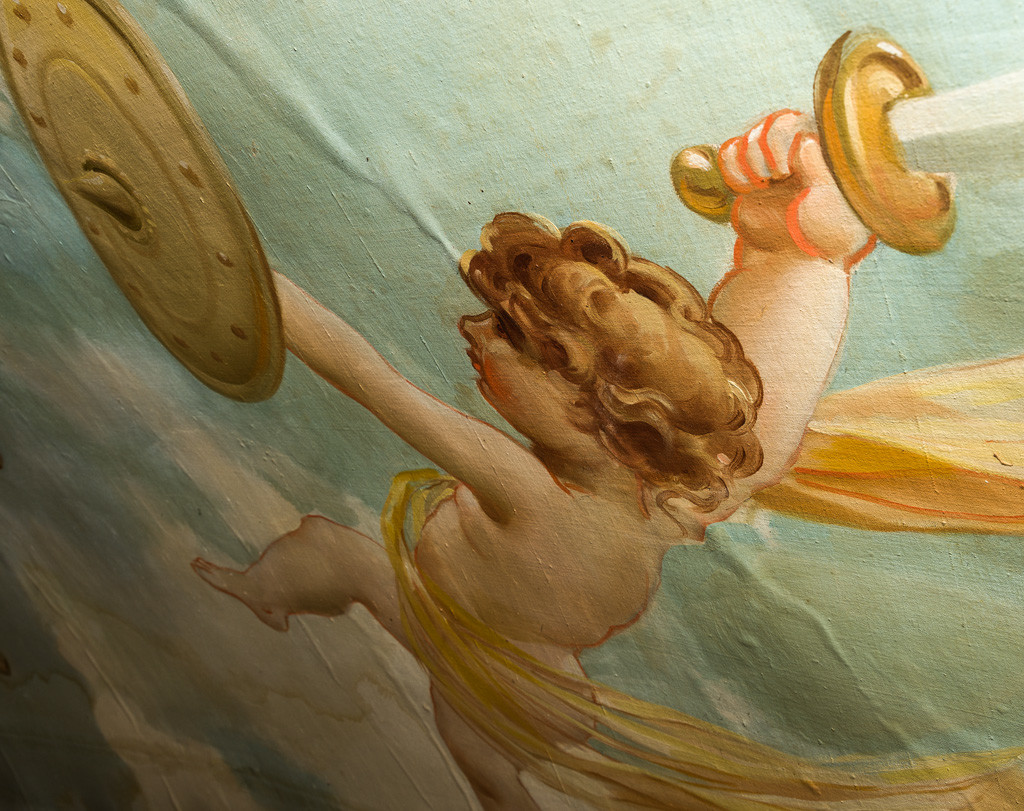
Street urchins, blue moons and rare visions
Even in a city where surreal scenes have become somewhat routine, the sight of the Isaac Theatre Royal's eight-tonne dome, suspended like a great alien craft, had the power to turn heads and drop jaws. Preserved inside a strange white shroud while the theatre was slowly deconstructed around it was a jewel of Christchurch's decorative arts heritage – a 105 year-old Italianate plaster ceiling featuring a circular painted reverie on the theme of William Shakespeare's A Midsummer Night's Dream. The dome, along with the rest of the theatre, is currently being restored as part of an ambitious rebuild that is expected to be completed in 2015 at a cost of over $30 million.
Article
Shifting Lines
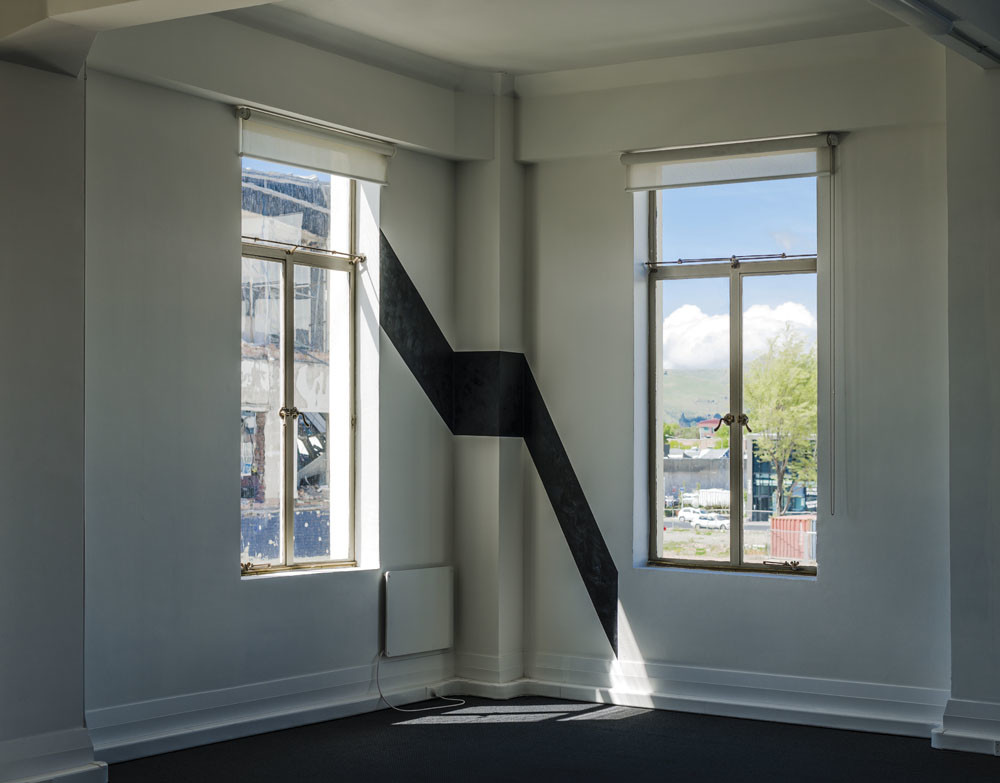
It's where we live: the encrusted surface of a molten planet, rotating on its own axis, circling round the star that gives our daylight. Geographically, it's a mapped-out city at the edge of a plain, bordered by sea and rising, broken geological features. Zooming in further, it's a neighbourhood, a street, a shelter – all things existing at first as outlines, drawings, plans. And it's a body: portable abode of mind, spirit, psyche (however we choose to view these things); the breathing physical location of unique identity and passage.
Interview
The fault is ours: Joseph Becker on Lebbeus Woods
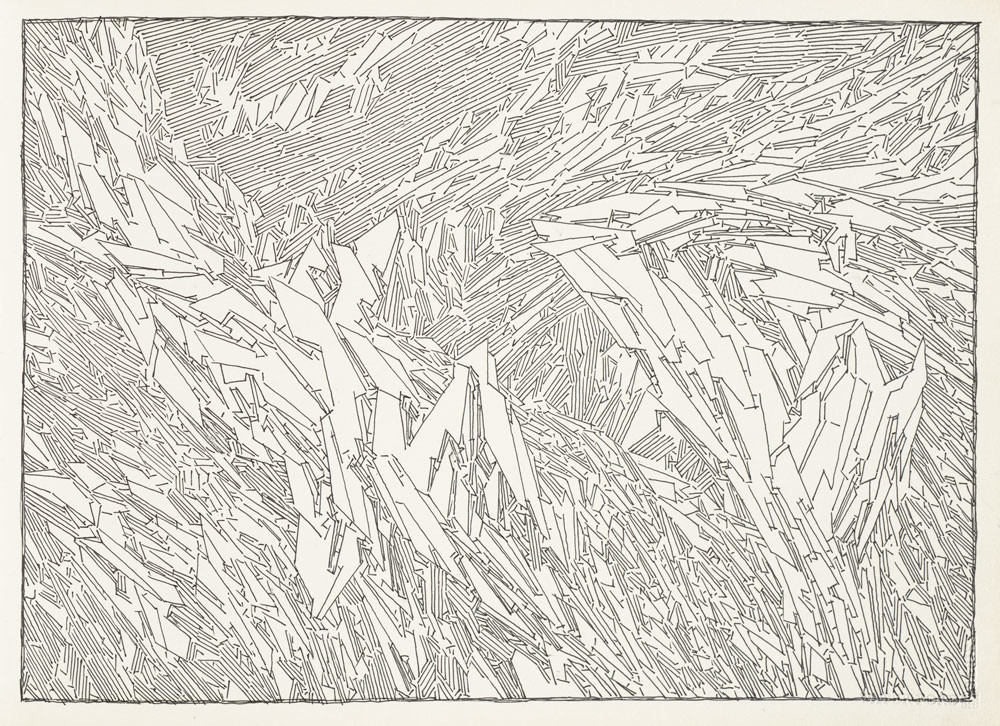
There was a packed auditorium at CPIT in Christchurch this August when visiting San Francisco Museum of Modern Art curator Joseph Becker delivered a lecture on architect Lebbeus Woods. And it wasn't hard to guess why. In addition to many other achievements, Woods is renowned for his highly speculative project, Inhabiting the Quake. Senior curator Justin Paton spoke to Becker about Lebbeus Woods, and what Christchurch might learn from him.
Collection
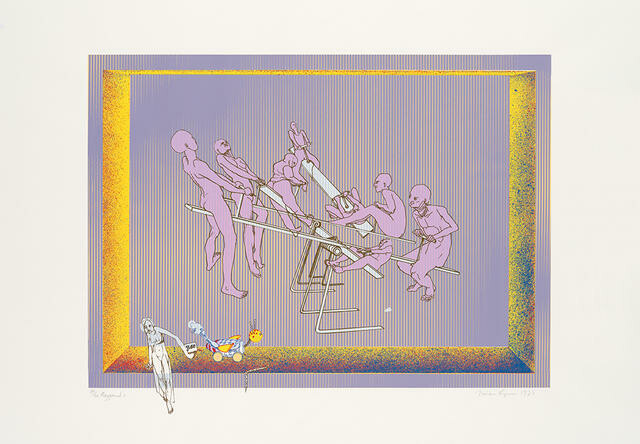
Vivian Lynn Playground Series
Much of Vivian Lynn’s art was driven by her desire to challenge and disrupt the established order. Here, she has used the analogy of a children’s playground to critique the repressive society she saw around her in 1970s Aotearoa New Zealand. The figures playing here are not young and the games they play are not carefree. Instead they are grotesque automatons, imprisoned within a system of conformity. It’s an unexpectedly dystopian vision, in which people follow the roles assigned to them without question or agency; mere cogs in an endlessly spinning wheel with no possibility of escape.
(Perilous: Unheard Stories from the Collection, 6 August 2022- 21 July 2024)
Collection
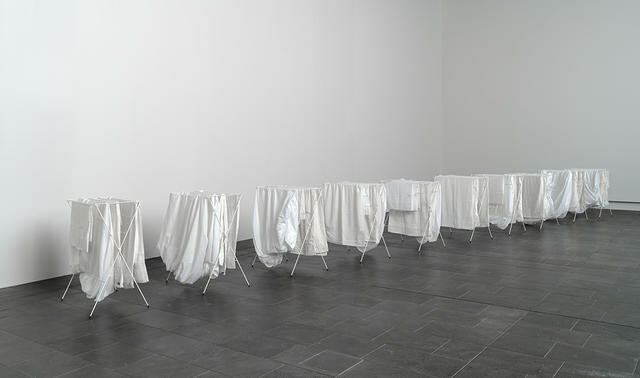
Grant Lingard Swan Song
The term ‘swan song’ originated with the ancient Greeks and their belief that a dying swan sang beautifully. It has come to describe a final act before leaving. Grant Lingard conceived this sculpture while dying from HIV/AIDS. It was assembled three months after his death according to his written instructions by his partner Peter Lanini and a group of Grant’s art school friends for the Swan song exhibition at Sydney’s First Draft Gallery in 1996.
The towels, sheets and pillowcases arranged over these drying racks are more than one person or family would typically use, their number suggesting the regular changes required by a long illness. As elegant as ever, the minimal white procession is funereal, but it also documents private acts of loving care for all to see.
(Perilous: Unheard Stories from the Collection, 6 August 2022- )