Kā Kaupapa o te Wā
What’s On
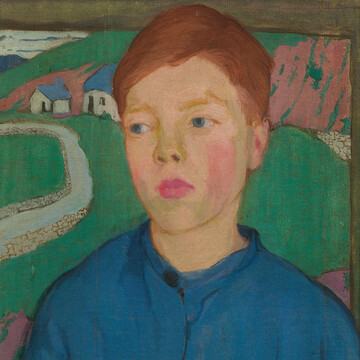
Edith Collier: Early New Zealand Modernist
A rare opportunity to view the work of one of Aotearoa New Zealand’s most adventurous and experimental modernist artists.
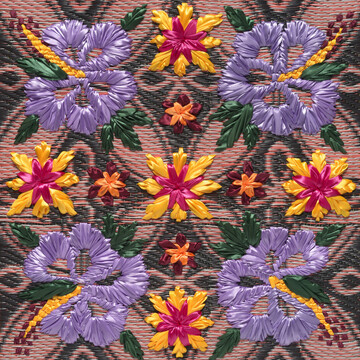
Made in the Pacific: A Collection of Tāoga
A selection of Pacific tāoga from the Canterbury Museum in conversation with contemporary artworks that highlight the continued strength in culture and traditional art forms.
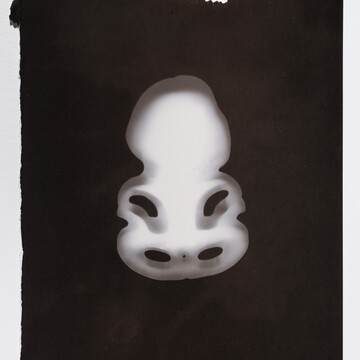
Mark Adams: A Survey | He Kohinga Whakaahua
A comprehensive survey spanning the artist's career.
E tuwhera ana te wharetoi i kā rā e 7 o te wiki, 10am - 5pm
Ka tuwhera ki te 9pm i kā pō Wenerei
Open 7 days, 10am - 5pm
Late night Wednesday until 9pm
Uruka utukore, ahokore utukore
Free entry, free wifi
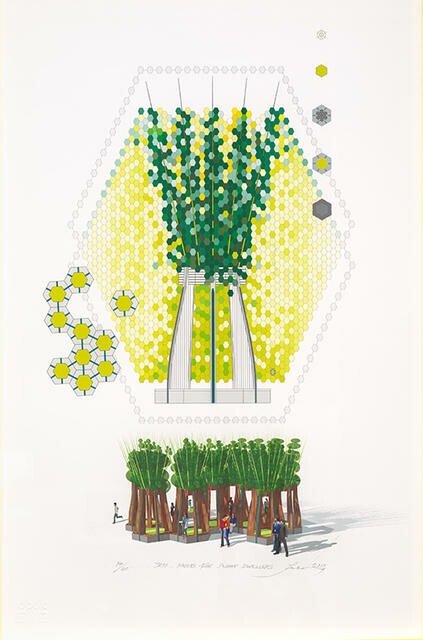
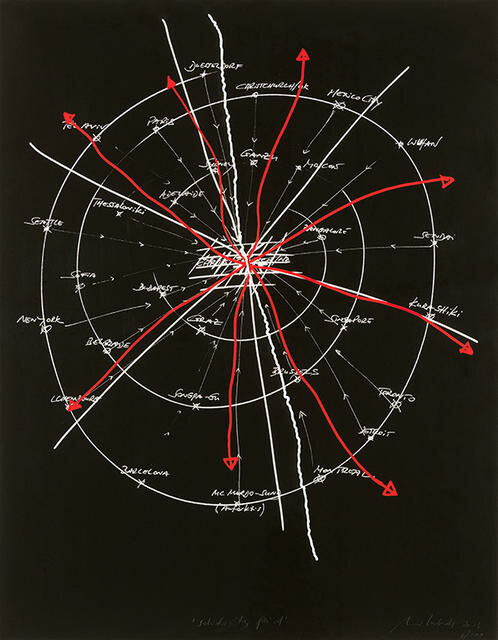
Notes
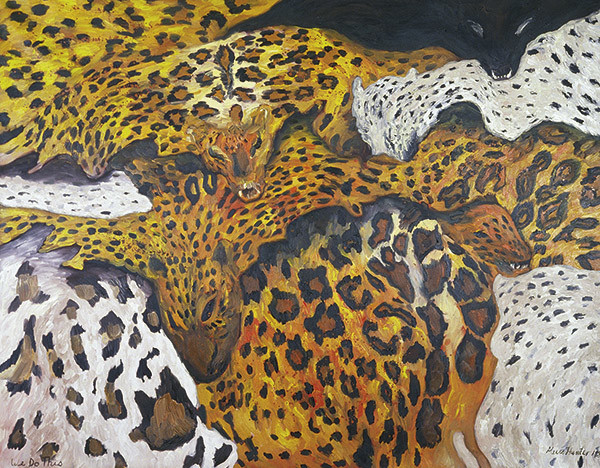
Alexis Hunter
What is important is that artists lend their voice to expressions of freedom in their own unique way. Sometimes an artist's complex reading of a situation, which then can be put in a simple pure image, can help a movement become more popular. Art is an expressive medium, and if it is used to portray the values of a retrogressive regime, the art will be stilted and lifeless. That is why fascistic regimes always kill the poets and writers, and ban contemporary artists from showing. Just by the making of it, real art becomes the voice of freedom.
Notes
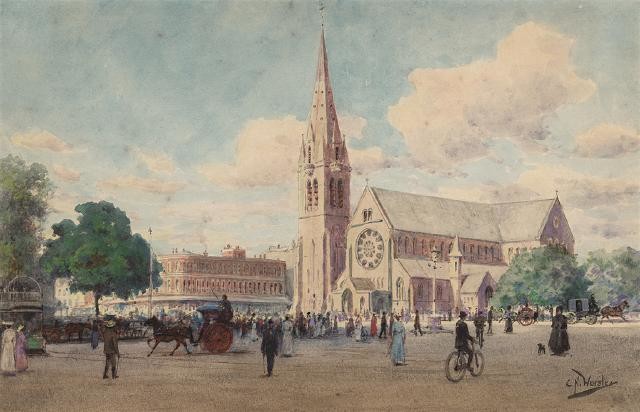
But briefly fooled
About four years ago we were contacted by a person who wanted to donate a watercolour painting depicting Christchurch Cathedral Square, by Charles Nathaniel Worsley, to the Gallery.
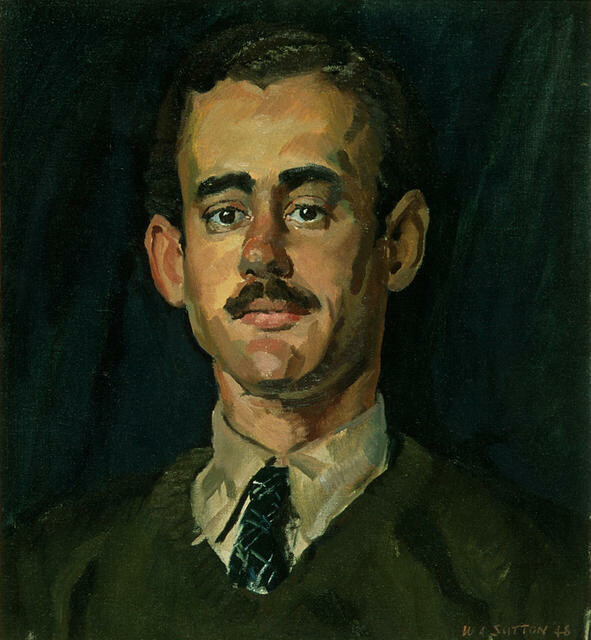
Exhibition
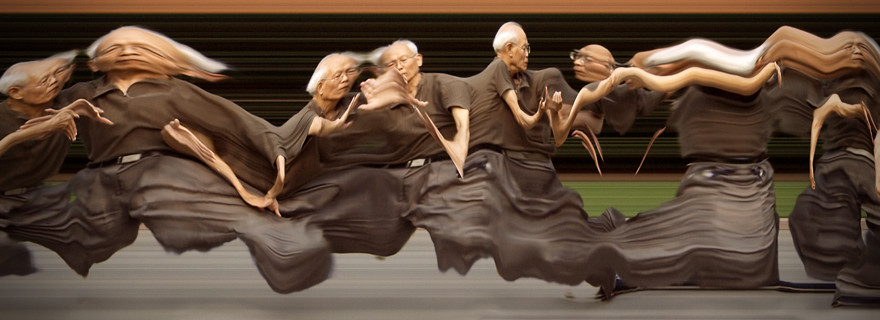
Daniel Crooks: Seek Stillness in Movement
Hectic city scenes transformed into contemplative meditations of extraordinary beauty.
Notes
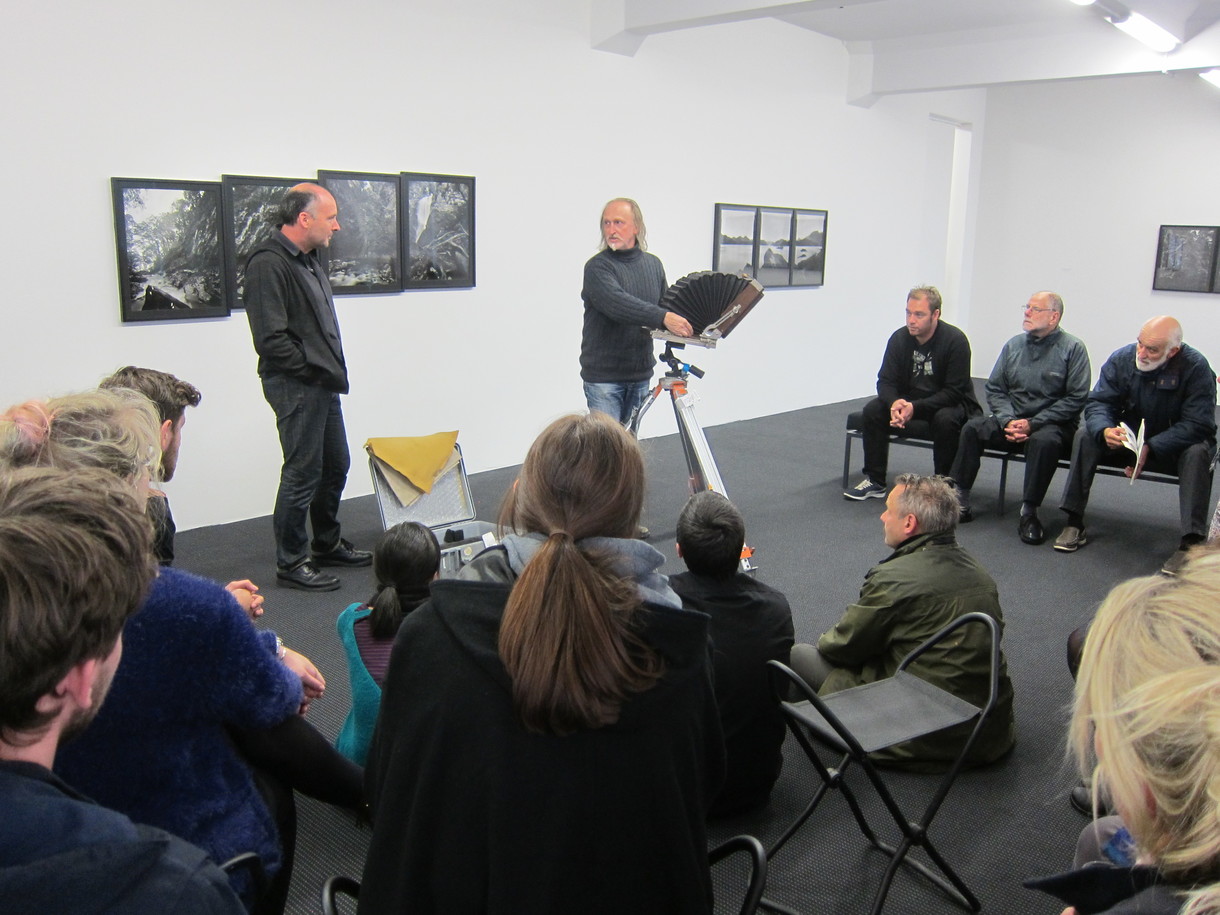
It’s not as bad as Dusky Sound…
So said photographer Mark Adams to the brave art lovers who battled through the storm to hear him talk on Tuesday night. And they were glad they did.
Notes
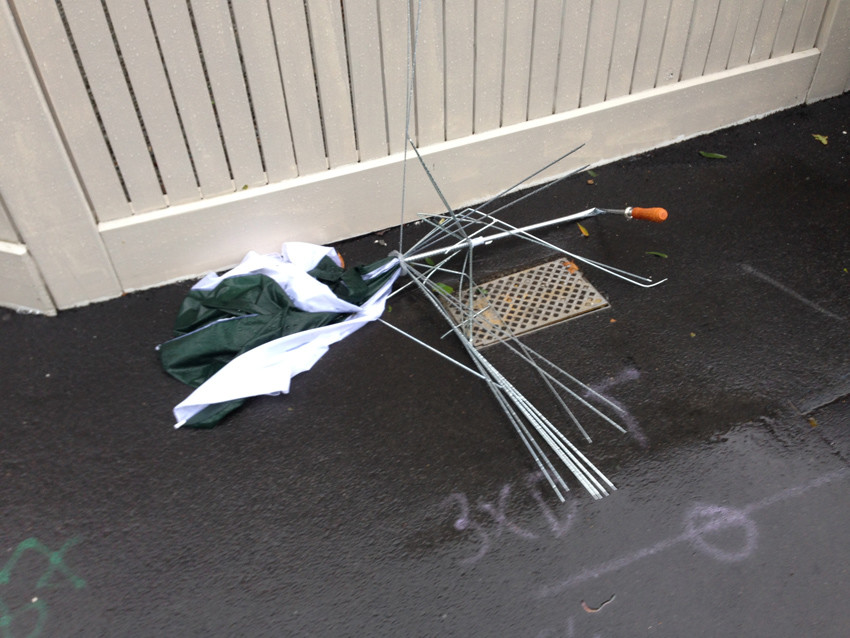
Precipitation
The heavy flooding, fallen trees, insane detours, and generally unpleasant weather are all perhaps best summed up by this abandoned umbrella.
Collection
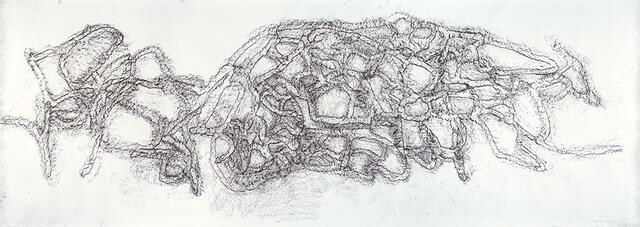
Katie Thomas Westenra Terrace
Graphite, topography and a sense of unforeseen disruption come together in Katie Thomas’s 4.25 metre Westenra Terrace, a frottage rubbing from a road surface on the Cashmere hills, transformed by the 2011 Ōtautahi Christchurch earthquakes. Thomas found herself drawn to the clusters of lines appearing on city roads, including temporary repairs intended to prevent further damage. Her interest in these amorphous ‘found drawings’ resulted in several large-scale rubbings (she was assisted during the process by thoughtful neighbours turning up with protective orange cones). The large drawings also became reference material – plus-sized notebooks to feed into her painting practice.
(Die Cuts and Derivations, 11 March – 2 July 2023)