Kā Kaupapa o te Wā
What’s On
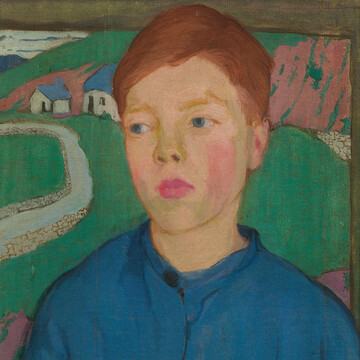
Edith Collier: Early New Zealand Modernist
A rare opportunity to view the work of one of Aotearoa New Zealand’s most adventurous and experimental modernist artists.
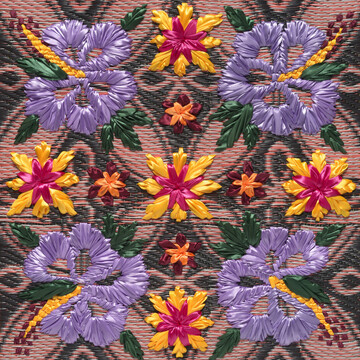
Made in the Pacific: A Collection of Tāoga
A selection of Pacific tāoga from the Canterbury Museum in conversation with contemporary artworks that highlight the continued strength in culture and traditional art forms.
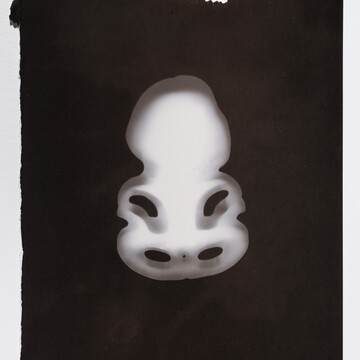
Mark Adams: A Survey | He Kohinga Whakaahua
A comprehensive survey spanning the artist's career.
E tuwhera ana te wharetoi i kā rā e 7 o te wiki, 10am - 5pm
Ka tuwhera ki te 9pm i kā pō Wenerei
Open 7 days, 10am - 5pm
Late night Wednesday until 9pm
Uruka utukore, ahokore utukore
Free entry, free wifi
Notes
List, lists & more lists
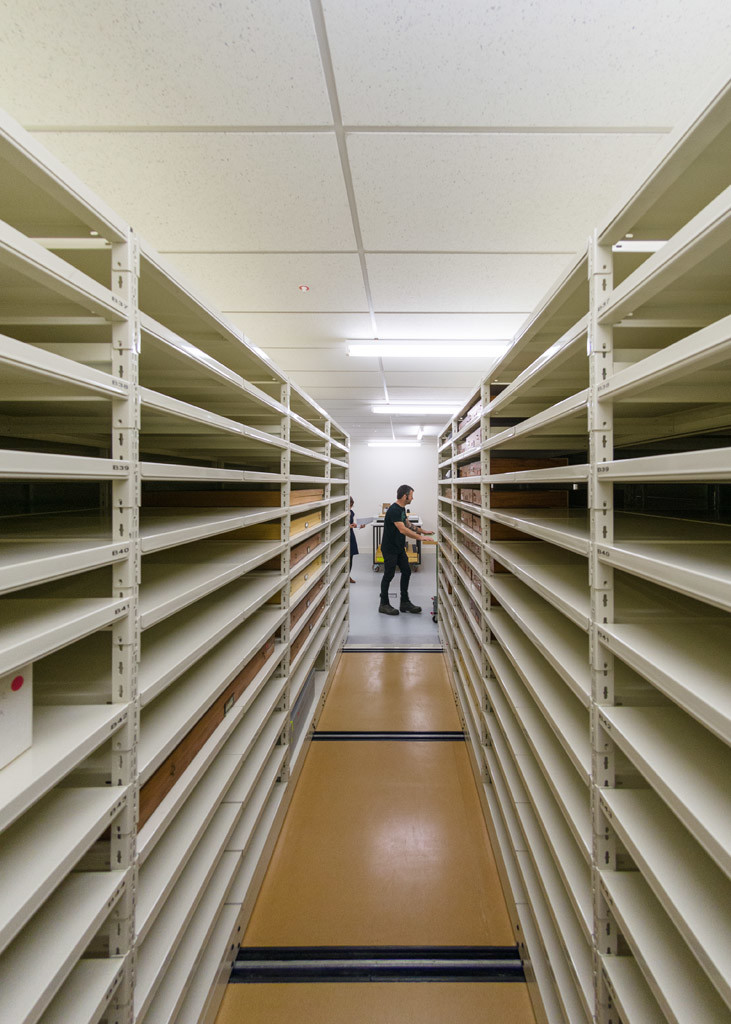
Last time I wrote we were busy making space and getting ready to move the collections back into storage. Since then we've been busy! While the team were installing the Shane Cotton: Baseland exhibition last week, I took stock of what we've done and what's still to do.
Notes
Shane Cotton: Baseland
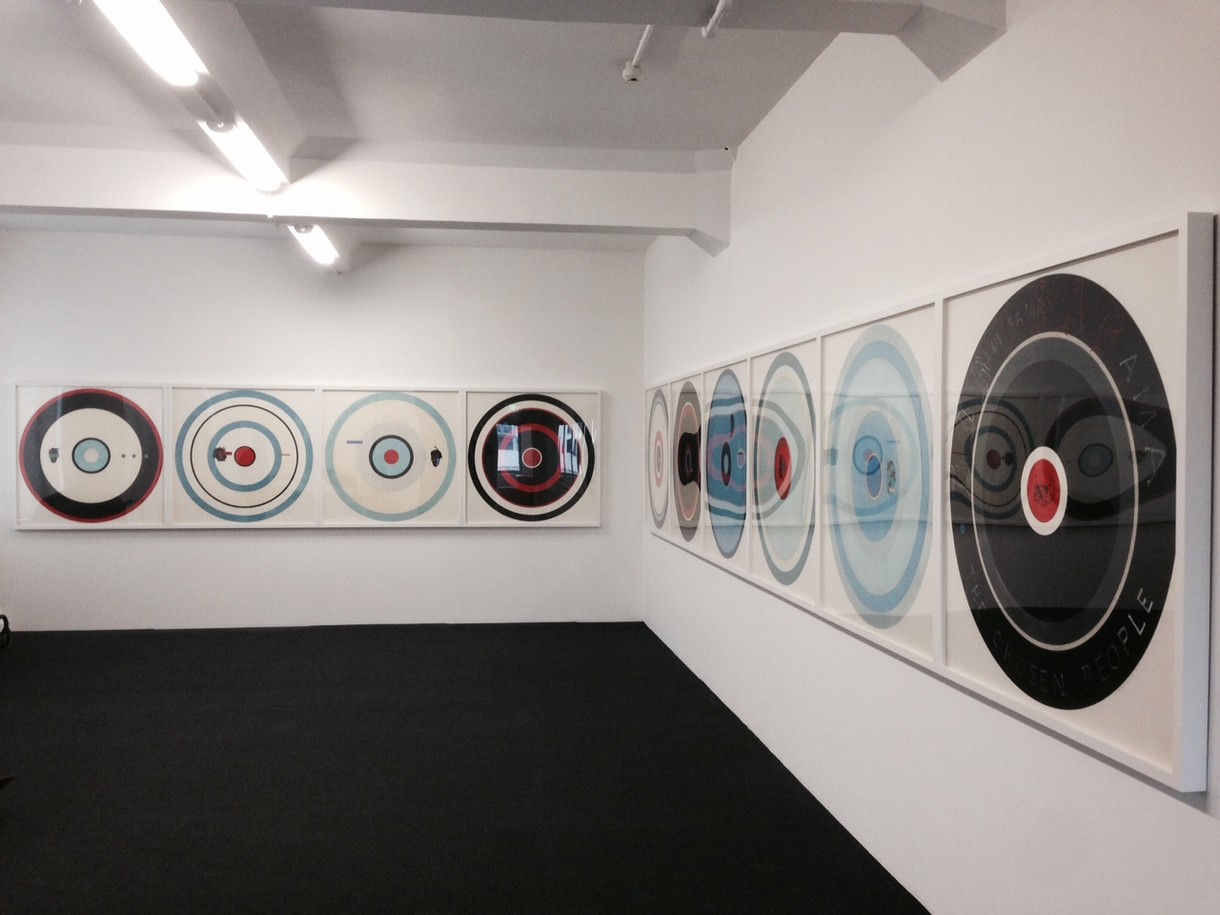
Shane's show Baseland opens today at Christchurch Art Gallery's space at 209 Tuam Street and also at Ilam Campus Gallery at the School of Fine Arts, University of Canterbury.
Notes
Artist unknown, Classical Figures
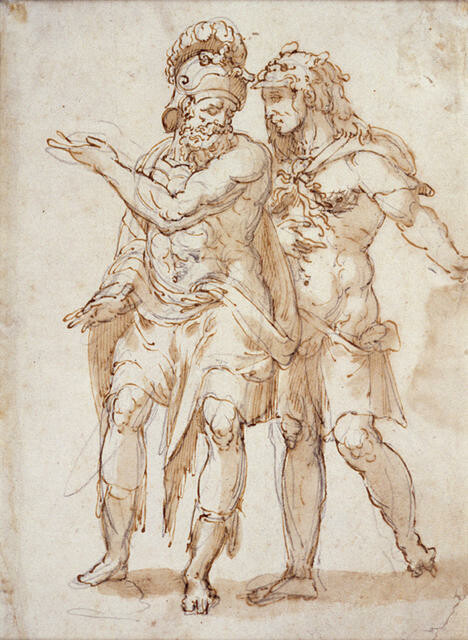
This article first appeared as 'Artist unknown' in The Press on 6 June 2014.
Notes
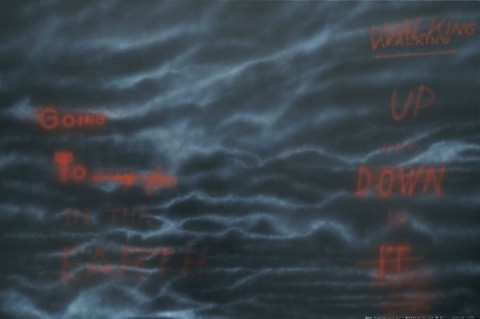
Cotton On
Shane Cotton: Baseland opens at 209 Tuam Street and the Ilam Campus Gallery this Saturday
Notes
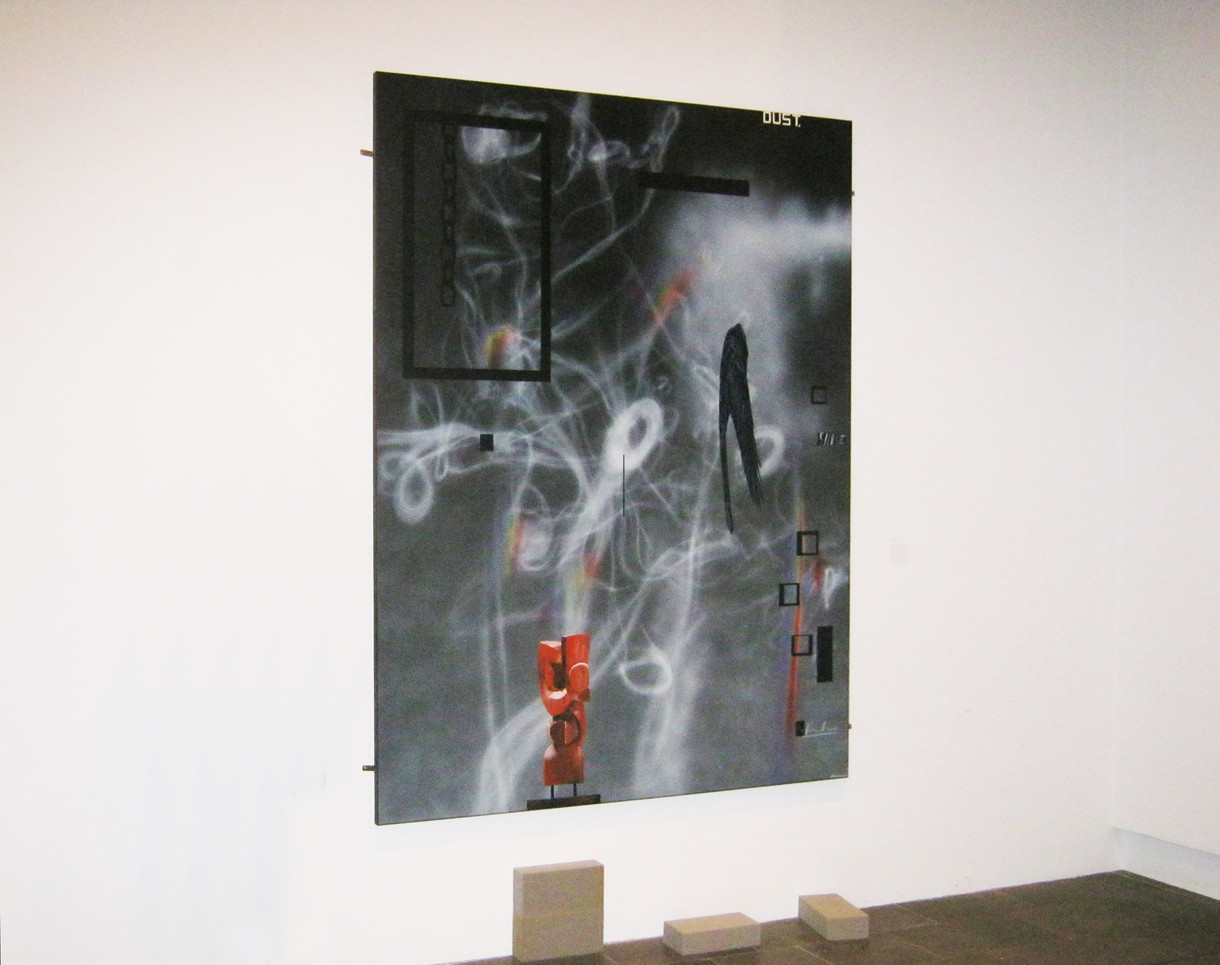
Lift of a gift
Staff here at the Gallery have enjoyed finally getting the opportunity to see Dust, Smoke and Rainbows (2013), a major new painting gifted by Shane Cotton, which was brought out of storage to be photographed recently.
Notes
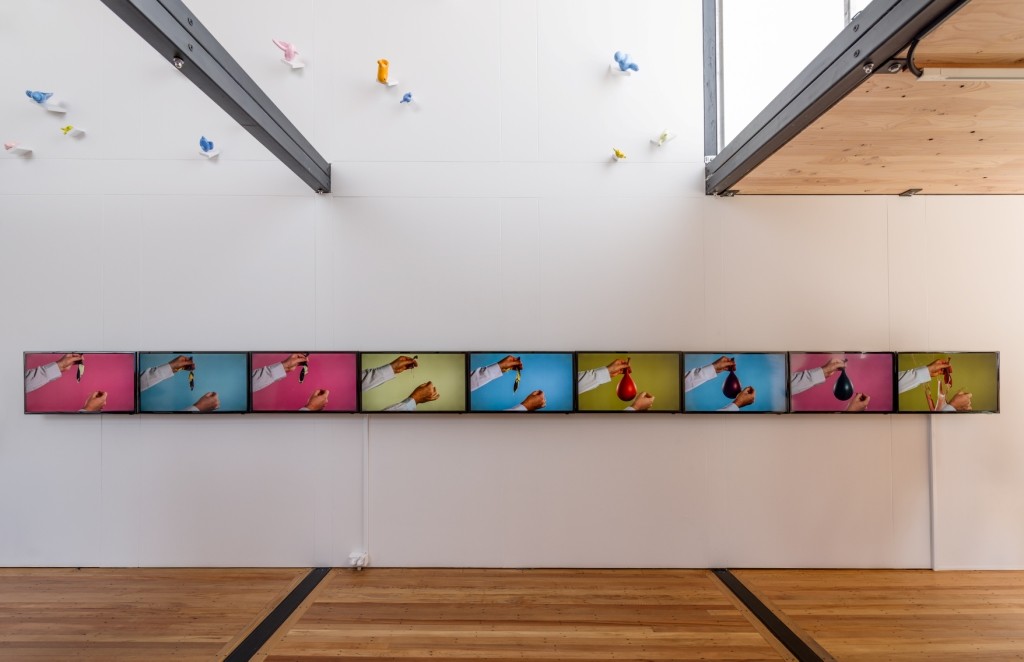
Slow-mo-tastic
My friend's daughter visited our ArtBox show Burster Flipper Wobbler Dripper Spinner Stacker Shaker Maker (on till September 28!) on a school trip recently and was captivated by Steve Carr's Screen Shots videos, in which a paint-filled balloon bursts in super slow motion.
Collection
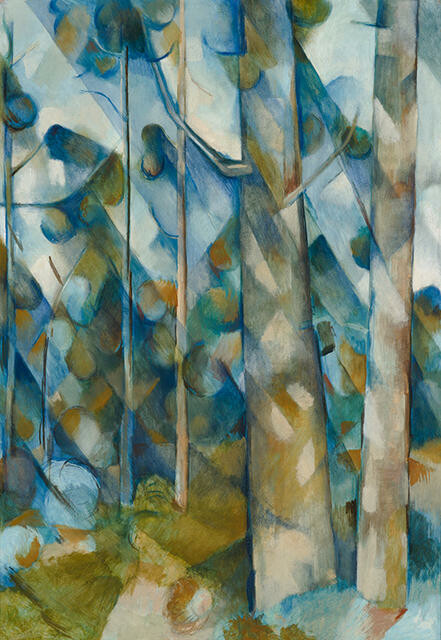
Colin McCahon Kauri tree landscape
Poet Charles Brasch described the distinctive Tāmaki Makaurau Auckland light Colin McCahon captured in his Titirangi paintings as airy and atmospheric, capable of dissolving the solid hills, forests and water into “a kind of brilliant prismatic dance”. McCahon lived in the Titirangi area between 1953 and 1959, and made numerous studies in the kauri forests of the Waitakere district, fascinated by how the sunlight streaming through the high, delicate canopy turned the kahere into a field of shimmering geometric forms. Here, the abstracted shapes of the forest rise up towards the fragmented sky, creating an effervescent play of warmth, movement and light.
kahere ~ forest
(He Kapuka Oneone – A Handful of Soil, 2025)
Article
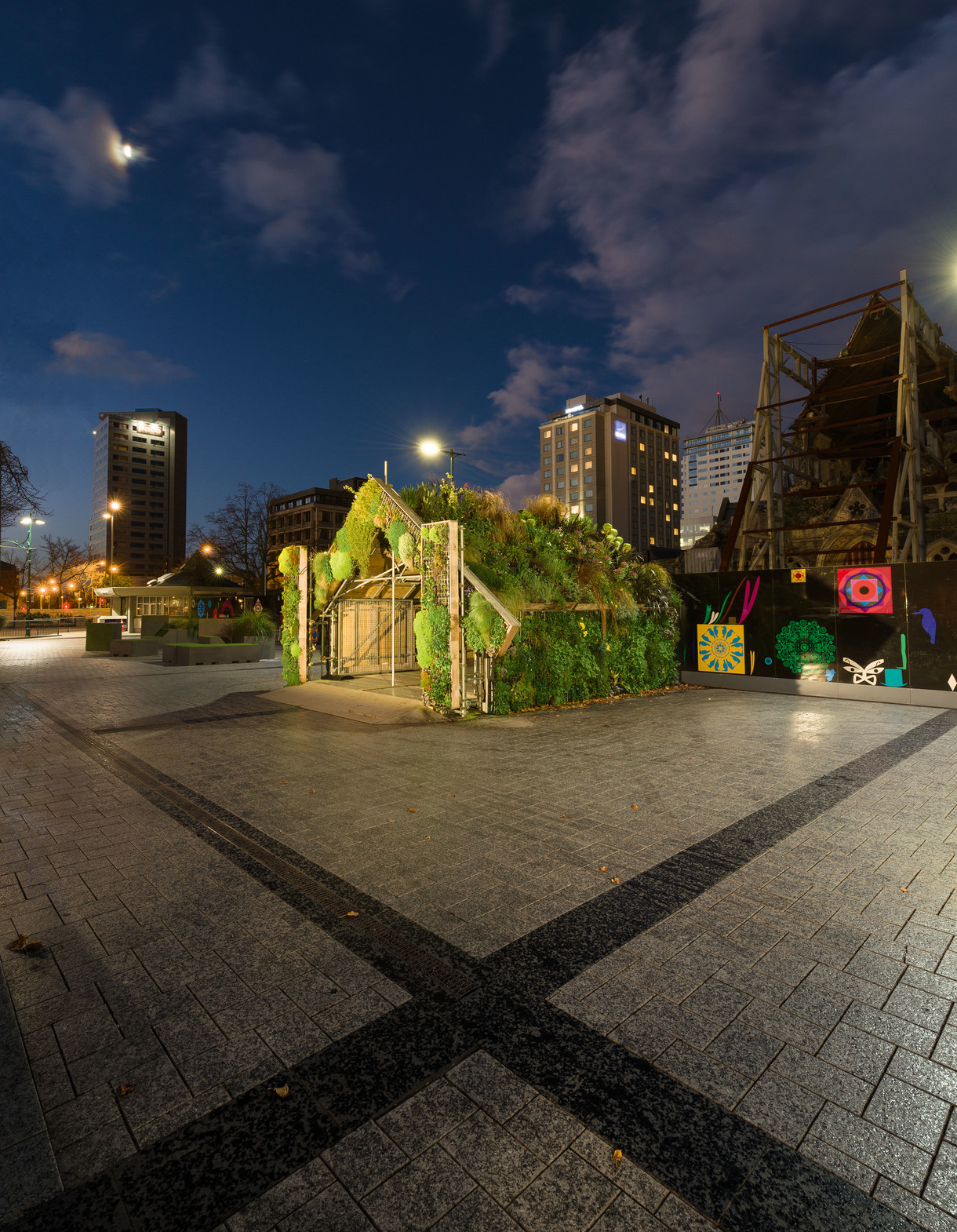
Transformers
Curator Ken Hall writes about his experience of working with artists Chris Heaphy and Sara Hughes, as part of a small team with other city council staff and Ngāi Tahu arts advisors, on the Transitional Cathedral Square artist project.
Article
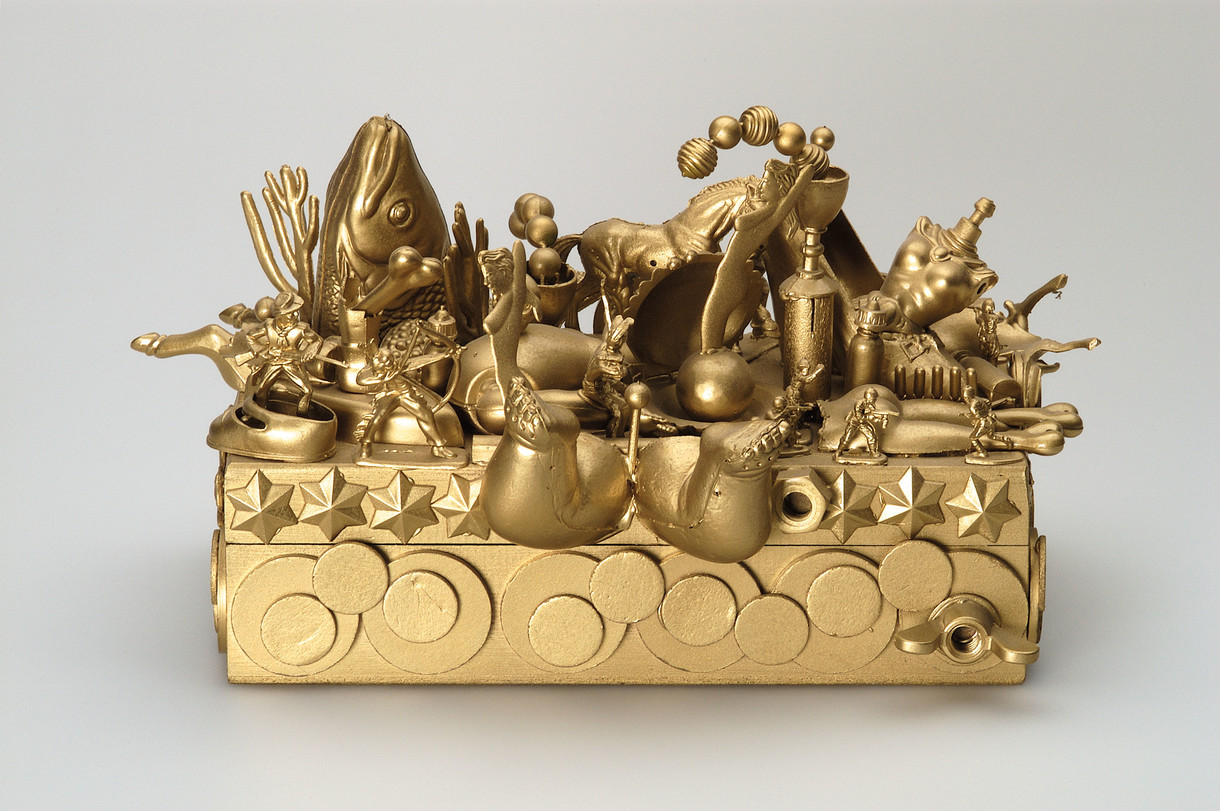
The pleasure of making: objects taking centre stage in the space of the art gallery
Was it serendipity that the opening of Christchurch Art Gallery's Burster Flipper Wobbler Dripper Spinner Stacker Shaker Maker coincided with that of Slip Cast, a group exhibition at the Dowse Art Museum that also focused on the pleasure that artists take in manipulating materials in the process of making art?