Kā Kaupapa o te Wā
What’s On
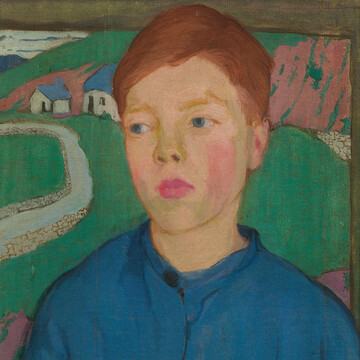
Edith Collier: Early New Zealand Modernist
A rare opportunity to view the work of one of Aotearoa New Zealand’s most adventurous and experimental modernist artists.
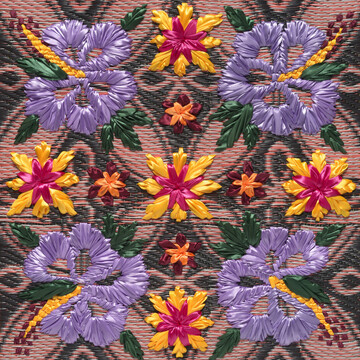
Made in the Pacific: A Collection of Tāoga
A selection of Pacific tāoga from the Canterbury Museum in conversation with contemporary artworks that highlight the continued strength in culture and traditional art forms.
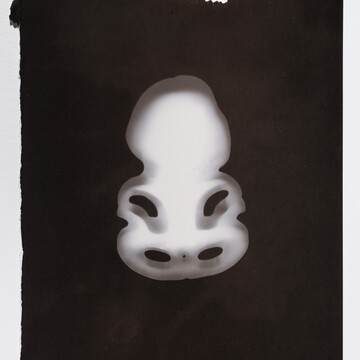
Mark Adams: A Survey | He Kohinga Whakaahua
A comprehensive survey spanning the artist's career.
E tuwhera ana te wharetoi i kā rā e 7 o te wiki, 10am - 5pm
Ka tuwhera ki te 9pm i kā pō Wenerei
Open 7 days, 10am - 5pm
Late night Wednesday until 9pm
Uruka utukore, ahokore utukore
Free entry, free wifi
Collection
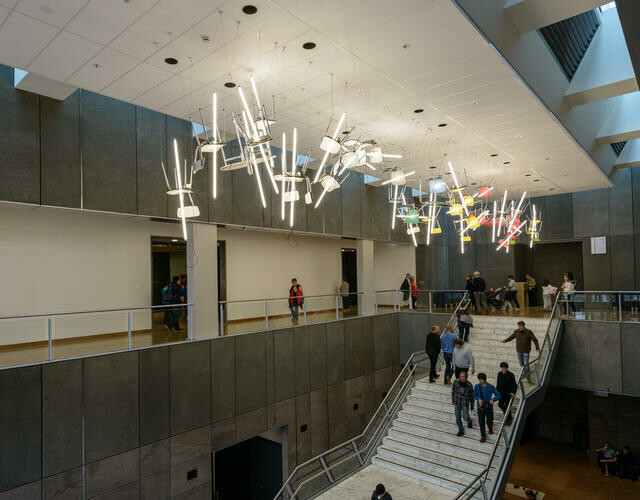
Bill Culbert Bebop
Bill Culbert made Bebop for a corridor in an old church in Venice, Santa Maria della Pietà, when he represented New Zealand at the Venice Biennale in 2013. He found the colourful tables and chairs in flea markets and at attic sales near his studio in the south of France. The title of the work comes from one of the tables.
“We were collecting one of the Formica dining sets from a family in Caromb, a small town just south of Mont Ventoux. They brought it with them from Oran in Algeria when they moved to France decades ago, and they still had the receipt with the name of the furniture – Bebop! It was perfect. Charlie Parker, Dizzy Gillespie. The dancing was phenomenal. It really is about energy, noise… A very noisy work in a very silent space.”
Bebop is a style of jazz that developed in the early 1940s. It is characterised by its fast tempo and improvisation, where solos float free over the underlying structure of the song. Culbert's Bebop floats over the Gallery’s stairs, a wild orchestration of furniture pierced by bars of white light.
Bill Culbert left New Zealand in 1957 with a scholarship to study at the Royal College of Art. He later split his time between London and the Vaucluse, with annual trips back to New Zealand. From the later 1960s he made installations using light and discarded objects – bottles, suitcases, jars, tables and chairs – exploring the ways that light and shadow transform the way we see the everyday world.
He described Bebop as “a vortex of useable things that are out of place.” The Formica and chrome surfaces reflect light, the tumbling furniture creating a sense of movement and energy that travels the length of the work. Culbert called it kaleidoscopic: “as if they are on their way somewhere but not knowing where they're going.”
Notes
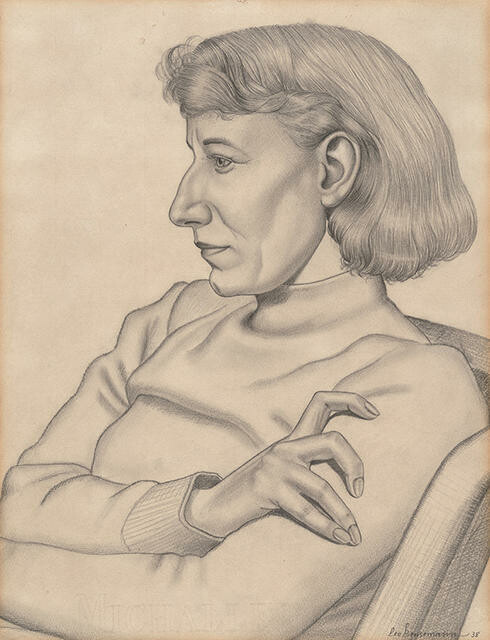
Rita Angus by Leo Bensemann
This article first appeared in The Press as 'Viewing Rita Angus with Leo's eyes' on 26 May 2015
Notes
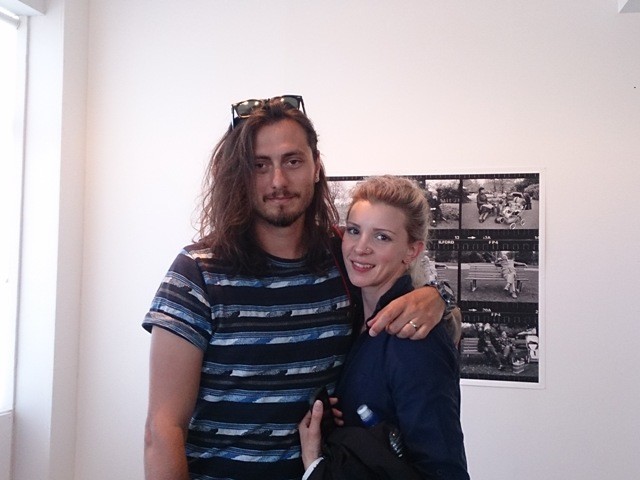
Tracing Our Roots
When Clayton's grandmother heard that he and his wife Lucy would be travelling to New Zealand as part of their big overseas trip, she mentioned that a visit to the Christchurch Art Gallery for these Londoners would be a must.
Notes

Triple whammy
We were delighted to pick up three wins at the Museums Australia Publication and Design Awards 2015 (MAPDAs) in Sydney on Friday night.
Notes
Holy Exploding Eyefuls, Batman
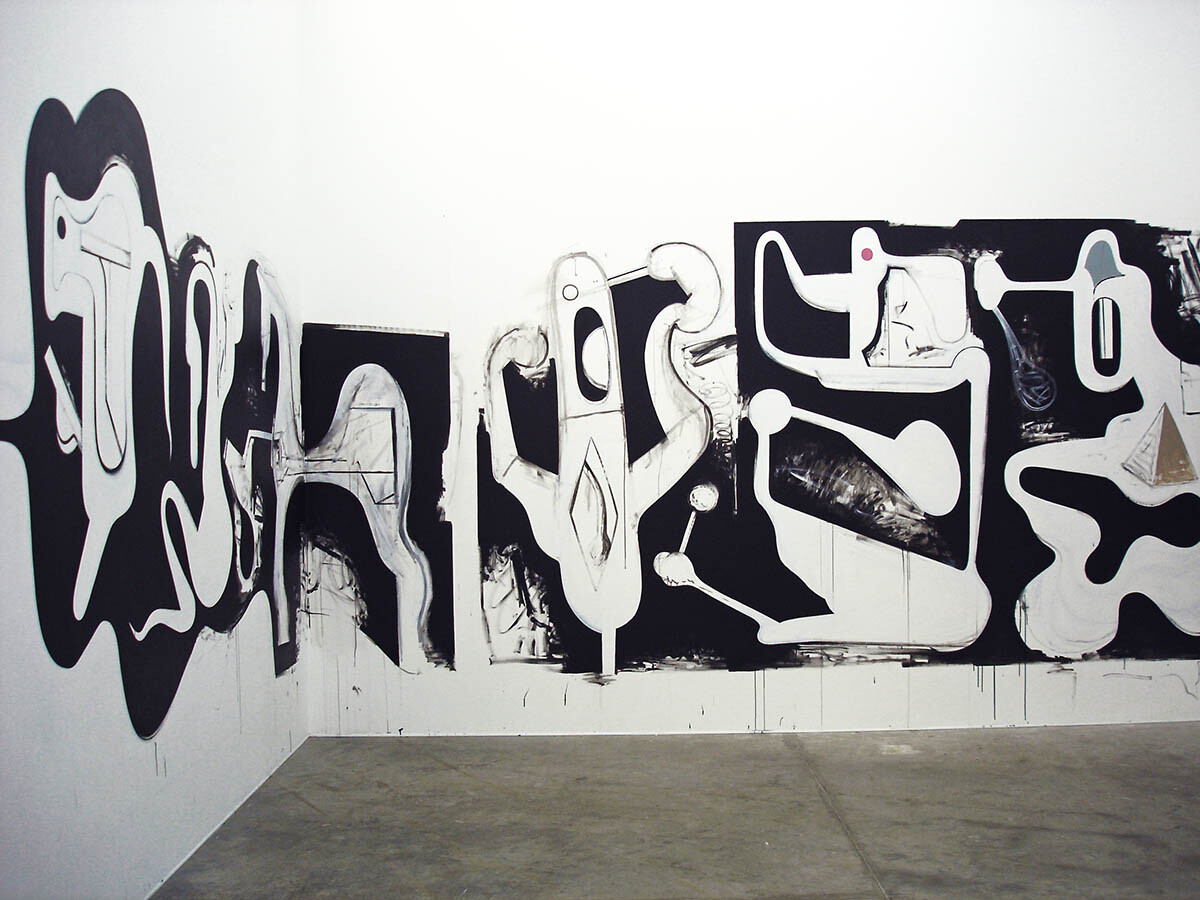
Back when we were installing his work as part of Burster Flipper Wobbler Dripper Spinner Stacker Shaker Maker at the Art Box, I mentioned that Mark Braunias had been working on a longterm project involving a creative re-imaginging of encyclopaedia imagery. The latest iteration of this work is currently on display in Anti-Groovy at Jonathan Smart Gallery, and it's definitely worth a look, or twelve.
Collection
Leo Bensemann Rita Angus
Leo Bensemann made this portrait when he and Rita Angus were neighbours. The friends occupied adjacent studio flats in a Cambridge Terrace house here in Ōtautahi Christchurch owned by the painter Sydney Lough Thompson, Bensemann sharing his with Lawrence Baigent. They all used the same kitchen and bathroom, and often entertained together. As artists, it was a creative and stimulating environment. “Both our studio doors were thrown open”, Baigent recalled. “Doors were never locked or shut.” Bensemann and Angus frequently made portraits of each other – some flamboyant, others more introspective, like this one. They are fascinating records of two strong personalities and their complex friendship.
(Dear Shurrie: Francis Shurrock and his contemporaries, 8 March – 13 July 2025)

Notes
Yertle the Turtle by Glen Hayward
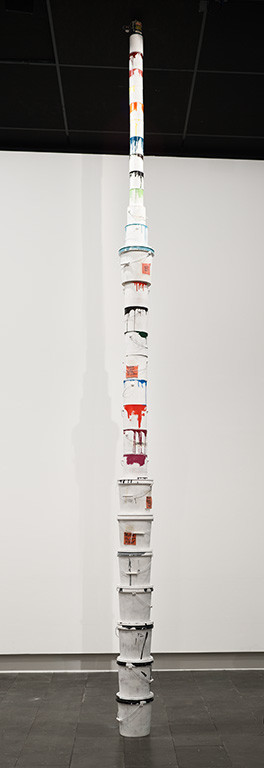
This article first appeared in The Press as 'An Ode to Yertle the Turtle' on 13 May 2015.