Kā Kaupapa o te Wā
What’s On
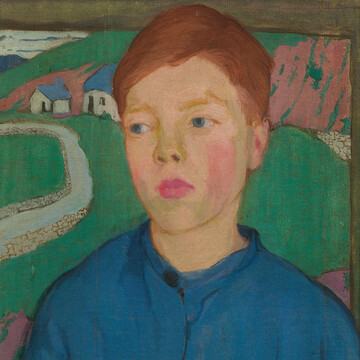
Edith Collier: Early New Zealand Modernist
A rare opportunity to view the work of one of Aotearoa New Zealand’s most adventurous and experimental modernist artists.
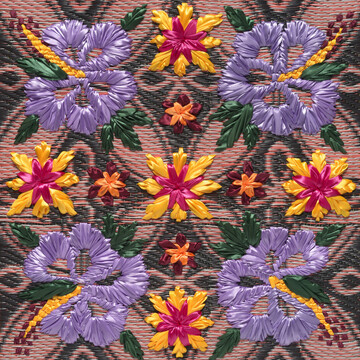
Made in the Pacific: A Collection of Tāoga
A selection of Pacific tāoga from the Canterbury Museum in conversation with contemporary artworks that highlight the continued strength in culture and traditional art forms.
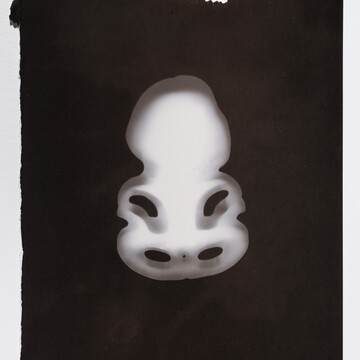
Mark Adams: A Survey | He Kohinga Whakaahua
A comprehensive survey spanning the artist's career.
E tuwhera ana te wharetoi i kā rā e 7 o te wiki, 10am - 5pm
Ka tuwhera ki te 9pm i kā pō Wenerei
Open 7 days, 10am - 5pm
Late night Wednesday until 9pm
Uruka utukore, ahokore utukore
Free entry, free wifi
Gallery partner
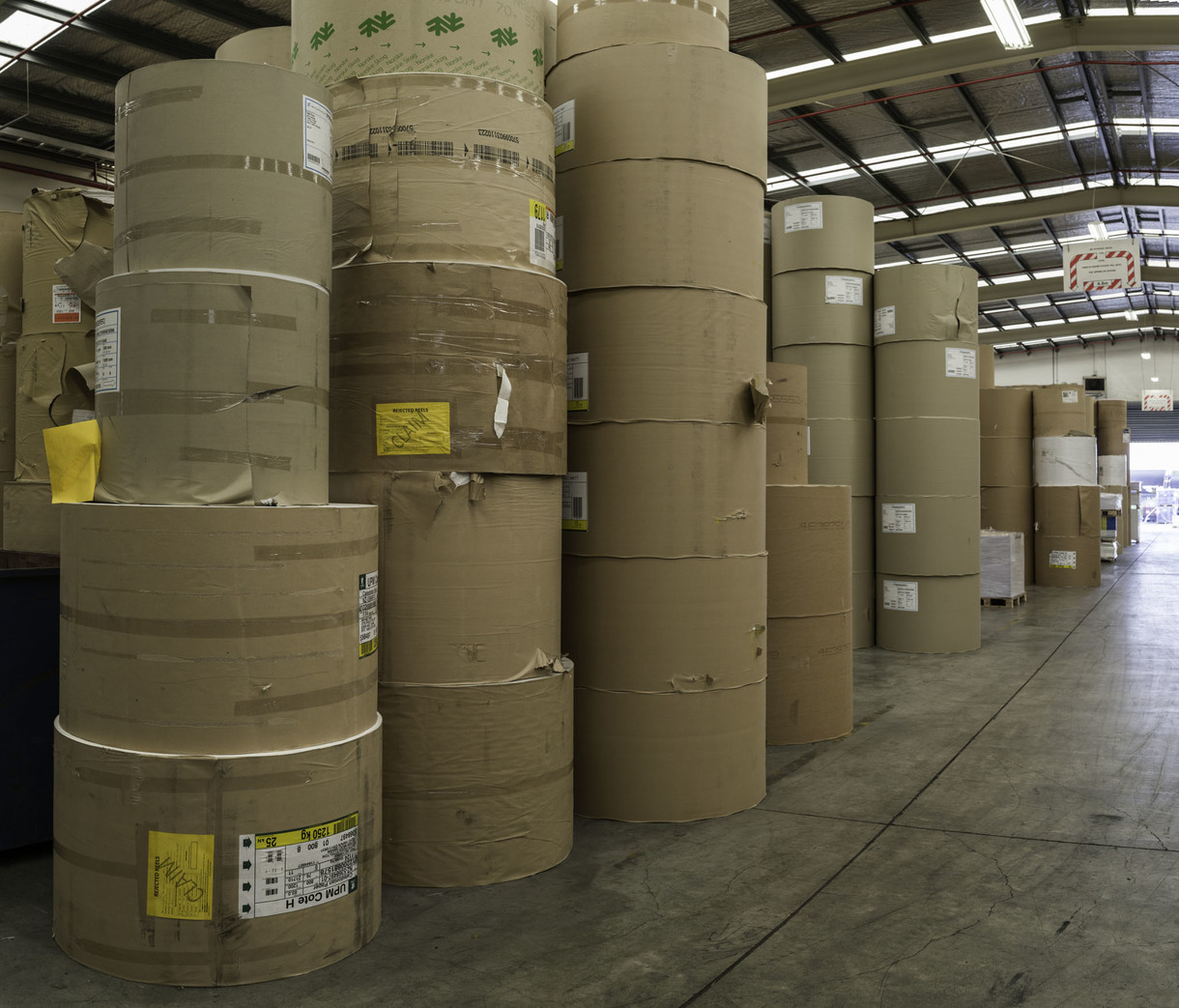
The Printing Arts
PMP Print have been printing Bulletin since late 2013. They sponsor the production of the magazine (which, given our modest budget we greatly appreciate) but more than that, they’re a true partner, going above and beyond to ensure that each edition of Bulletin is produced to the highest quality. We thought you might enjoy a brief insight into the delights and challenges of producing a magazine.
Article
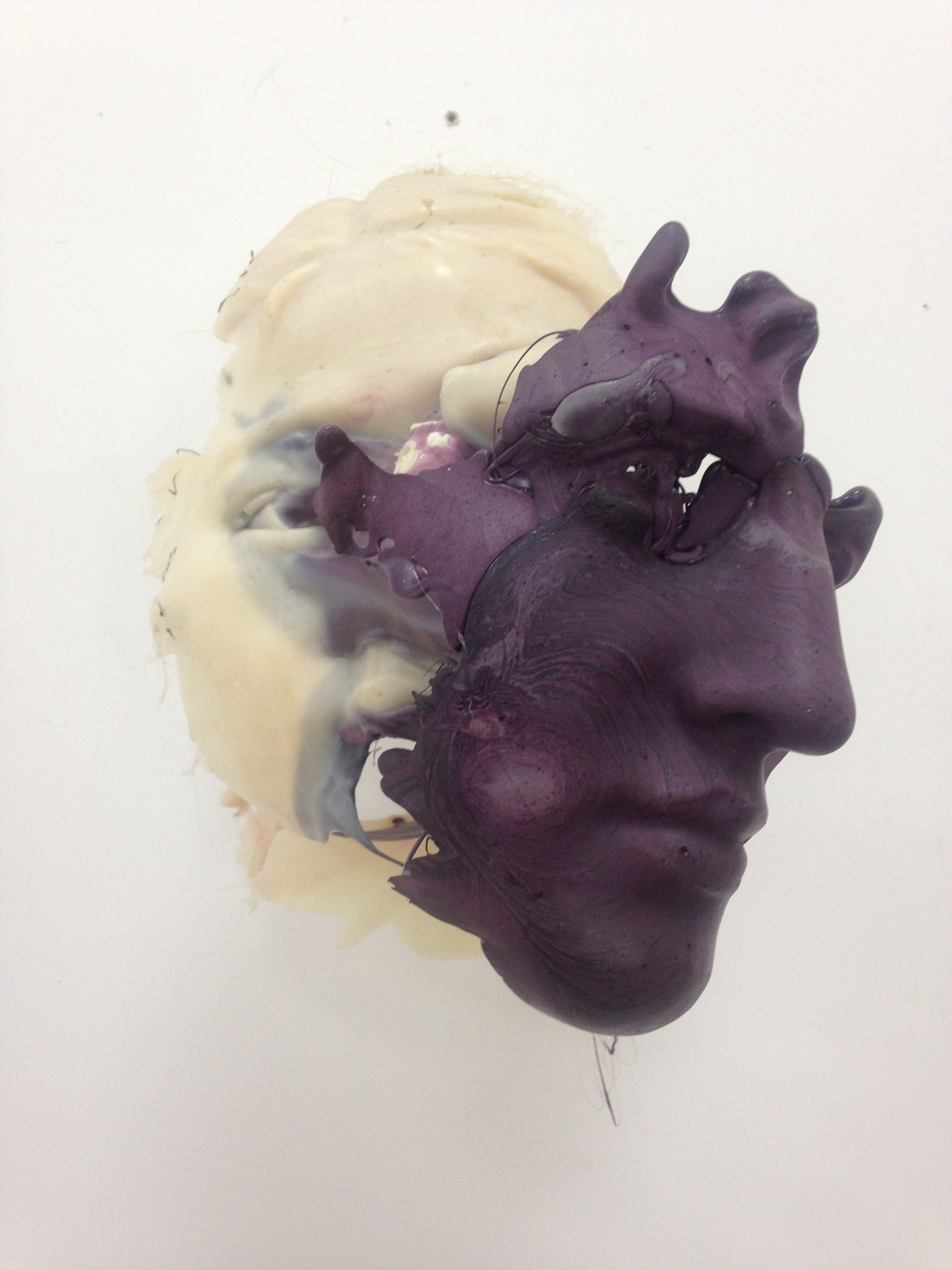
Dancing on shifting ground
Sophie McKinnon explores art, resilience, change and urban regeneration in China.
In the winter of 2006 I found myself traipsing around the 798 art district in Beijing, in search of someone to talk to about factories morphing into gallery spaces. I was fascinated by the story of a defunct industrial district turned rapidly expanding contemporary art zone. 798 had been the unofficial site of regeneration for Beijing’s art community since 2001. This community had spent over two deca+des plagued by isolation and displacement but seemed finally to be finding a home.