Article
The book as alternative economy and alternative space

The book as alternative economy and alternative space

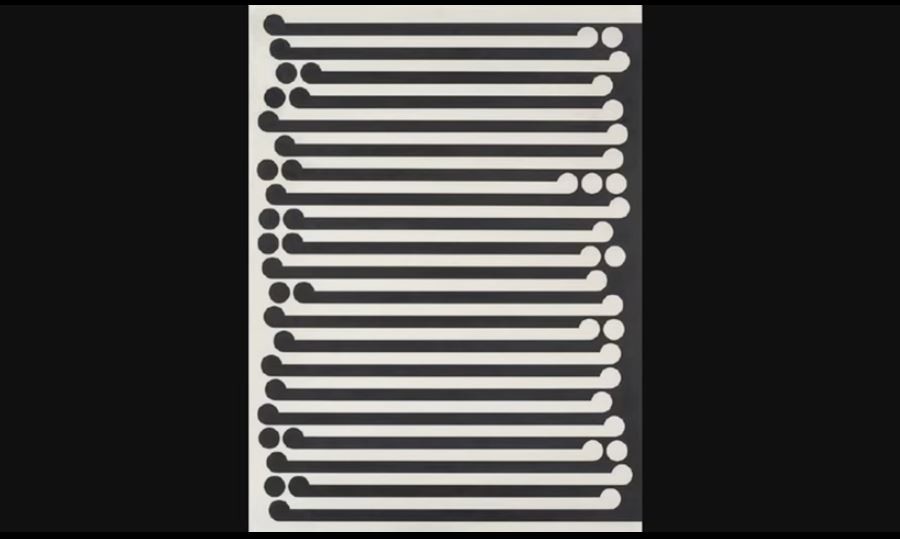
In Printed Matter's 1981 mail-order catalogue, artist Edit deAk enthusiastically described the 'many hands at work in the process of making and marketing the book'. Turning the spotlight on individuals and groups involved in the production, distribution and sale of books by artists, deAk likened independent art publishing to activities 'like filmmaking or rock 'n' roll music.' While such comparisons with filmmaking have been relatively scarce over the past few decades, artists, publishers, designers and critics have continued to draw parallels between art publishing and independent music.

Article
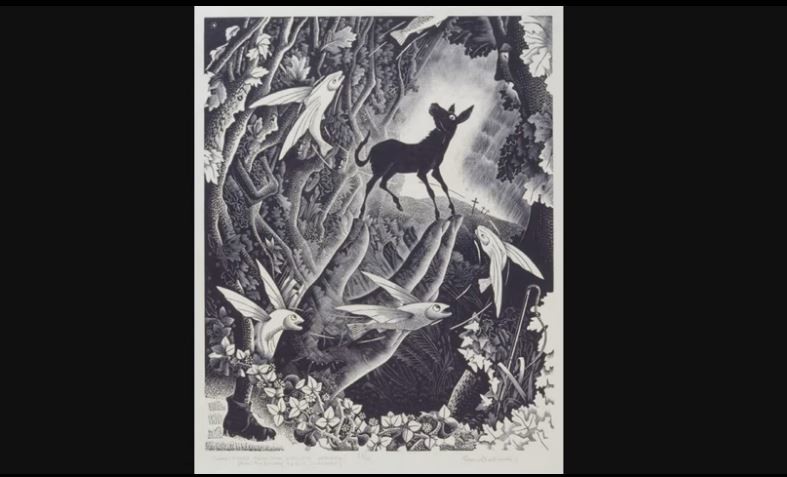
Tomorrow, Book, Caxton Press, Landfall

Tomorrow, Book, Caxton Press, Landfall

In the decades before and after the Second World War, Christchurch experienced a remarkable artistic efflorescence that encompassed the visual arts, literature, music, theatre and the publishing of books and journals. And the phenomenon was noticed beyond these islands. For instance, in his 1955 autobiography, English publisher and editor of Penguin New Writing and London Magazine, John Lehmann, wrote (with a measure of exaggeration, perhaps) that of all the world’s cities only Christchurch at that time acted ‘as a focus of creative literature of more than local significance’.

My Favourite
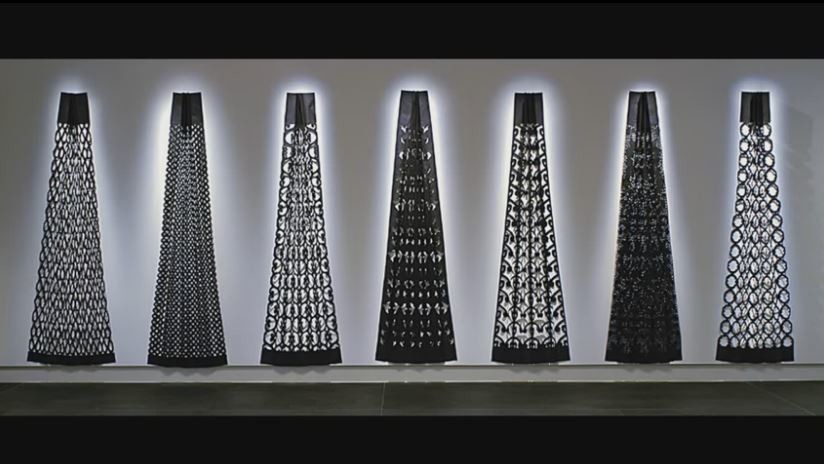
Lonnie Hutchinson's sista7

Lonnie Hutchinson's sista7

I am writing about a favourite piece from the Gallery’s collection in autumn 2015, when that collection is in storage and the Gallery is closed at least until Christmas, so I’m prompting memory by consulting the online catalogue. It’s brilliant: hundreds of images, 90 percent of the entire 7,000 collection, but to be honest, it feels a bit odd. 

Collection
Bebop

Bill Culbert Bebop

Bill Culbert made Bebop for a corridor in an old church in Venice, Santa Maria della Pietà, when he represented New Zealand at the Venice Biennale in 2013. He found the colourful tables and chairs in flea markets and at attic sales near his studio in the south of France. The title of the work comes from one of the tables.

“We were collecting one of the Formica dining sets from a family in Caromb, a small town just south of Mont Ventoux. They brought it with them from Oran in Algeria when they moved to France decades ago, and they still had the receipt with the name of the furniture – Bebop! It was perfect. Charlie Parker, Dizzy Gillespie. The dancing was phenomenal. It really is about energy, noise… A very noisy work in a very silent space.”

Bebop is a style of jazz that developed in the early 1940s. It is characterised by its fast tempo and improvisation, where solos float free over the underlying structure of the song. Culbert's Bebop floats over the Gallery’s stairs, a wild orchestration of furniture pierced by bars of white light.

Bill Culbert left New Zealand in 1957 with a scholarship to study at the Royal College of Art. He later split his time between London and the Vaucluse, with annual trips back to New Zealand. From the later 1960s he made installations using light and discarded objects – bottles, suitcases, jars, tables and chairs – exploring the ways that light and shadow transform the way we see the everyday world.

He described Bebop as “a vortex of useable things that are out of place.” The Formica and chrome surfaces reflect light, the tumbling furniture creating a sense of movement and energy that travels the length of the work. Culbert called it kaleidoscopic: “as if they are on their way somewhere but not knowing where they're going.”

Notes
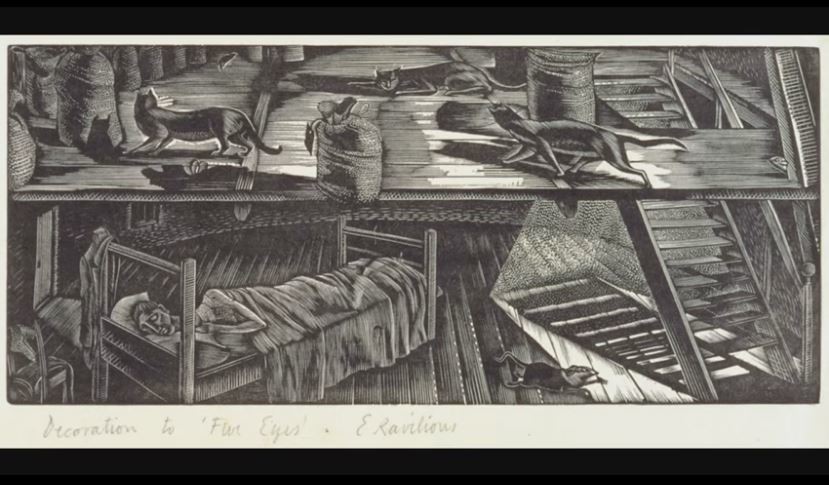
Rita Angus by Leo Bensemann

Rita Angus by Leo Bensemann

This article first appeared in The Press as 'Viewing Rita Angus with Leo's eyes' on 26 May 2015

Notes
Tracing Our Roots

Tracing Our Roots

When Clayton's grandmother heard that he and his wife Lucy would be travelling to New Zealand as part of their big overseas trip, she mentioned that a visit to the Christchurch Art Gallery for these Londoners would be a must.

Notes
Triple whammy

Triple whammy

We were delighted to pick up three wins at the Museums Australia Publication and Design Awards 2015 (MAPDAs) in Sydney on Friday night. 

Exhibition

Cosmo

Once upon a time, there was a massive rabbit...

Notes
Holy Exploding Eyefuls, Batman

Holy Exploding Eyefuls, Batman

Back when we were installing his work as part of Burster Flipper Wobbler Dripper Spinner Stacker Shaker Maker at the Art Box, I mentioned that Mark Braunias had been working on a longterm project involving a creative re-imaginging of encyclopaedia imagery. The latest iteration of this work is currently on display in Anti-Groovy at Jonathan Smart Gallery, and it's definitely worth a look, or twelve.

Load more