Kā Kaupapa o te Wā
What’s On
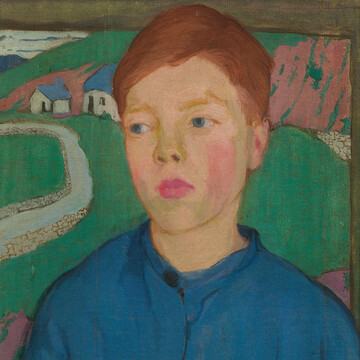
Edith Collier: Early New Zealand Modernist
A rare opportunity to view the work of one of Aotearoa New Zealand’s most adventurous and experimental modernist artists.
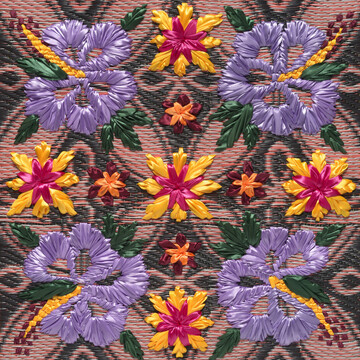
Made in the Pacific: A Collection of Tāoga
A selection of Pacific tāoga from the Canterbury Museum in conversation with contemporary artworks that highlight the continued strength in culture and traditional art forms.
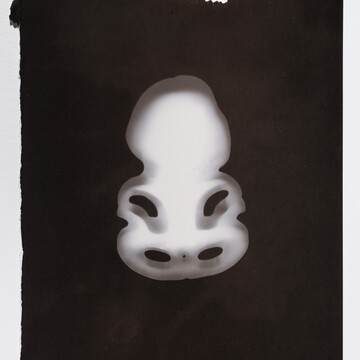
Mark Adams: A Survey | He Kohinga Whakaahua
A comprehensive survey spanning the artist's career.
E tuwhera ana te wharetoi i kā rā e 7 o te wiki, 10am - 5pm
Ka tuwhera ki te 9pm i kā pō Wenerei
Open 7 days, 10am - 5pm
Late night Wednesday until 9pm
Uruka utukore, ahokore utukore
Free entry, free wifi
Collection
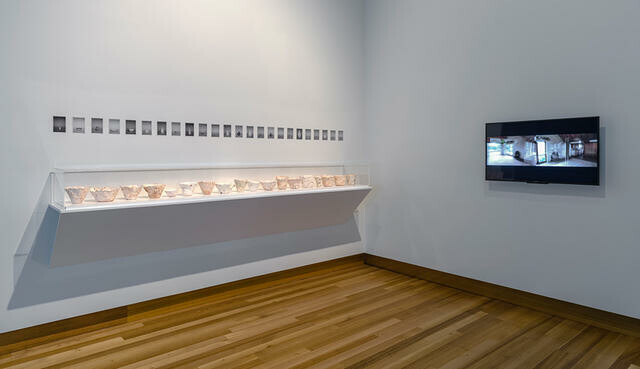
Sophie Bannan Untitled
Sophie Bannan reaches back into the cultural memory of the city beyond her lifetime, and into the experience of her grandfather, the late architect Maurice Mahoney.With his business partner Sir Miles Warren, Mahoney designed many of the modern brutalist buildings in the city, a significant number of which were lost in the earthquakes of 2010 and 2011. Bannan made her shelf of fragile ceramics from clay dug from the demolition sites her grandfather’s buildings once occupied: they stand as elegies to a vanished future. Objects are lost, but memory endures.
(Now, Then, Next: Time and the Contemporary, 15 June 2019 – 8 March 2020)
Director's Foreword
Director's Foreword
It is exactly ten years since I wrote my first foreword for Te Puna o Waiwhetū Christchurch Art Gallery’s Bulletin. Then, the shadow of an elongated sculpture by Swiss sculptor Alberto Giacometti featured on the front cover of B.147, as we heralded the arrival of Giacometti: Sculptures, Prints and Drawings from the Maeght Foundation in November 2006. Toured by the Art Gallery of New South Wales, it was memorable and moving, and looking its very best here in our high-ceilinged and relatively new gallery spaces.
It’s hard to fathom just how much has happened since, both in and around our inner-city art gallery. In particular, I look back on our five years of closure with a mixture of wonder and disbelief.
Artist Profile
The Devil’s Blind Spot
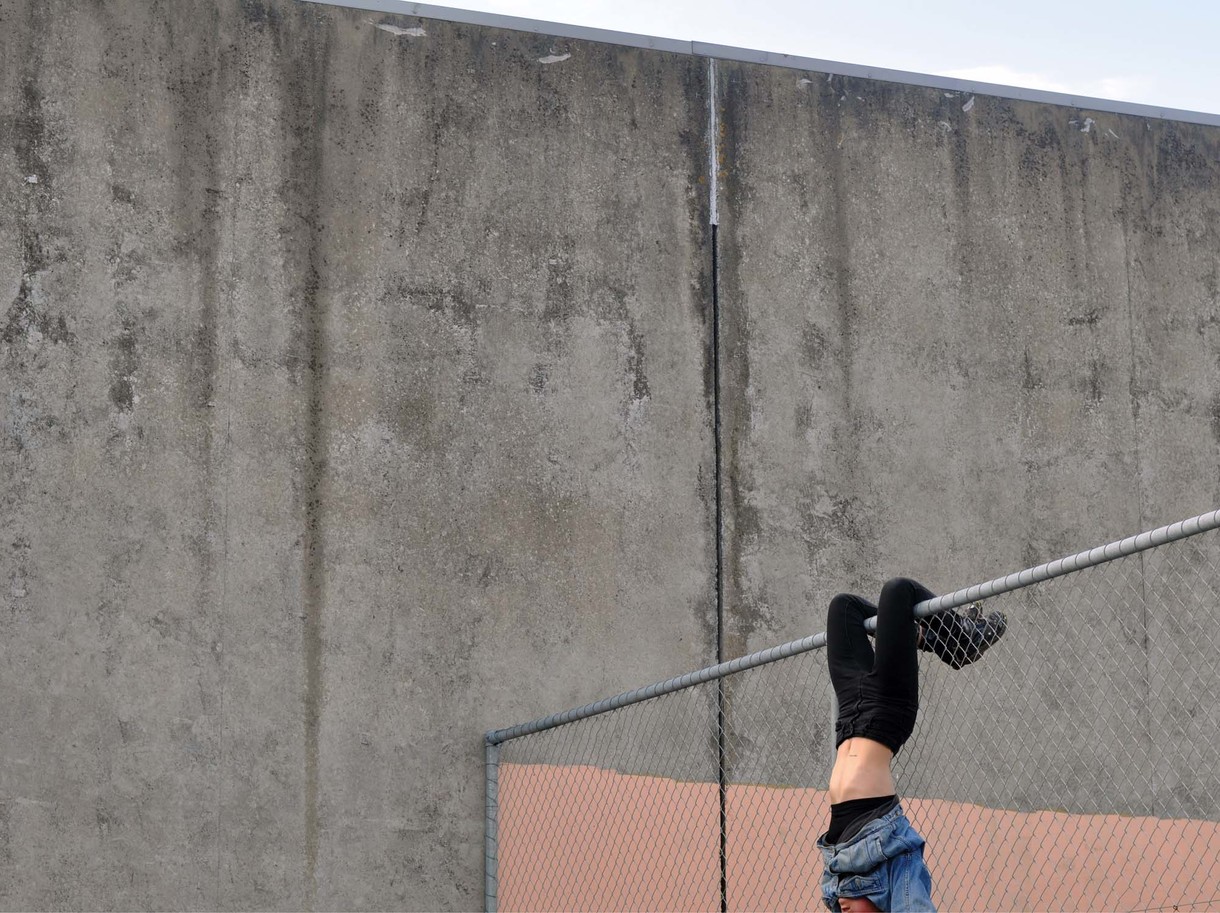
Te Puna o Waiwhetū Christchurch Art Gallery has a long-standing tradition of curating exhibitions of emerging and early-career artists. We do this in order to contribute to the ecology of the local art world, as well as because – quite straightforwardly – we’re interested in the practices of artists at all stages of their careers, and would like to bring the work of outstanding younger artists to wider public attention. The Devil’s Blind Spot is the latest in this ongoing series, but unlike earlier exhibitions, it’s concerned with a single medium – photography.
Commentary

Energies and Apparitions
This essay was written by curator Anna Davis for the Energies: Haines & Hinterding exhibition at the Museum of Contemporary Art, Australia in 2015.
The art of David Haines and Joyce Hinterding is characterised by its openness to the unseen forces that permeate human experience. Very low frequency (VLF) radio waves, television signals, paranormal events, satellite transmissions and psychic energies are all manifest within their work, which aims to summon these hidden realms and bring them to our senses. Using experimental and traditional media, they engage in an artistic dialogue with science, intersecting with areas such as electronics, solar research, geology, olfactory chemistry and high-energy physics. Aesthetic and metaphysical concerns are equally vital to their practice, which also traverses speculative and esoteric domains such as Reichian orgone energy and Kirlian ‘spirit’ photography.
Artist Profile
Lisa Walker: 0 + 0 = 0
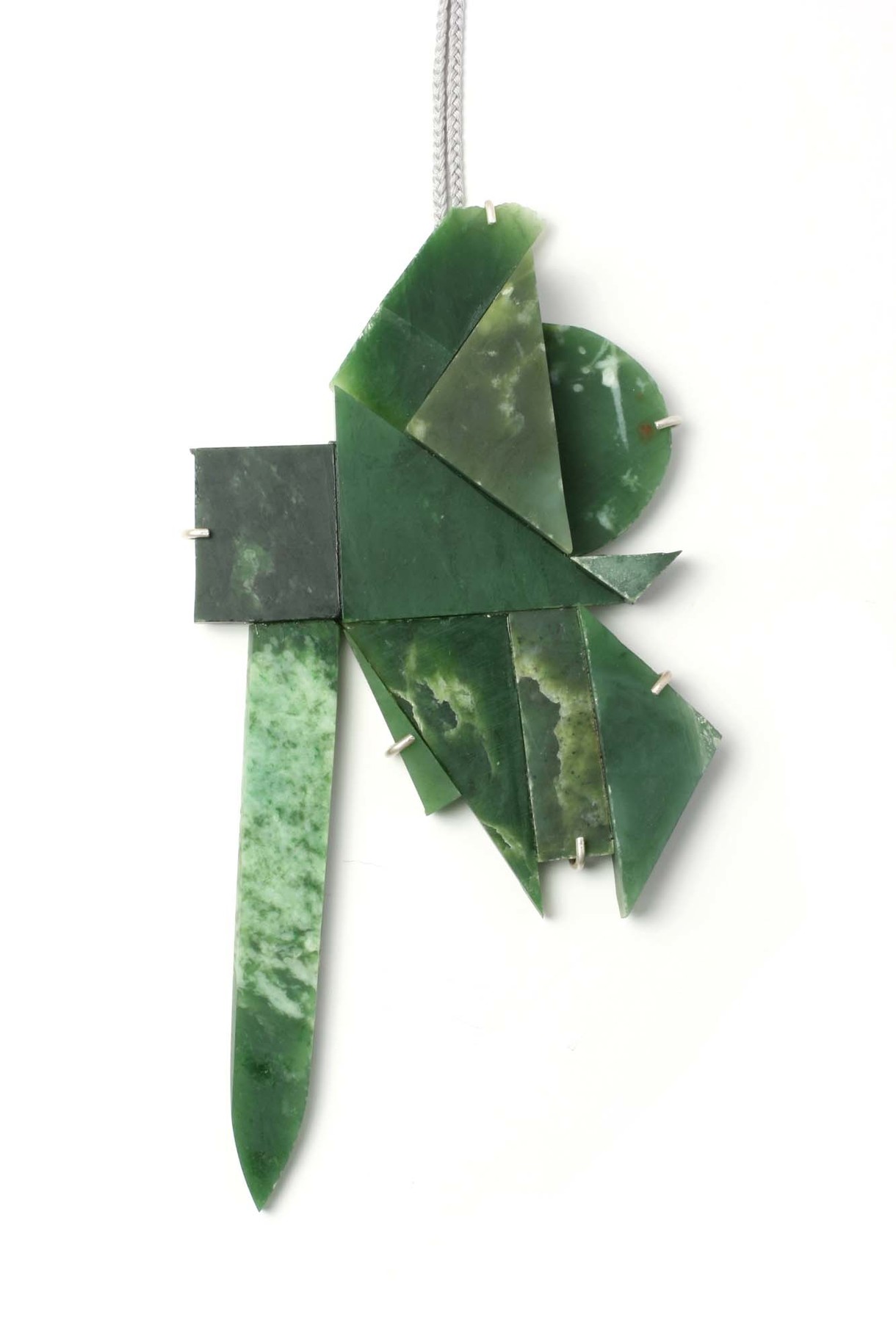
It might be tempting to say that Lisa Walker makes jewellery out of any old thing – but it isn’t true. The eclectic objects that form her distinctive necklaces, brooches and other body-adornments are meticulously selected and shrewdly modified before they see the light of day. She salvages her materials from an unlikely cornucopia of sources – re-presenting objects such as car parts, animal skins and even kitchen utensils through the frame of body adornment’s long history. Tiny Lego hats, helmets and hairpieces – of the kind that clog vacuum cleaner nozzles in children’s bedrooms around the world – are strung on finely plaited cords like exotic beads or shells; trashy gossip magazines are lashed together to yield a breastplate befitting our celebrity-obsessed culture; dozens of oboe reeds donated by a musician friend bristle round the wearer’s neck like the teeth of some unimaginable deep sea leviathan.
Postcard From...
Postcard From…
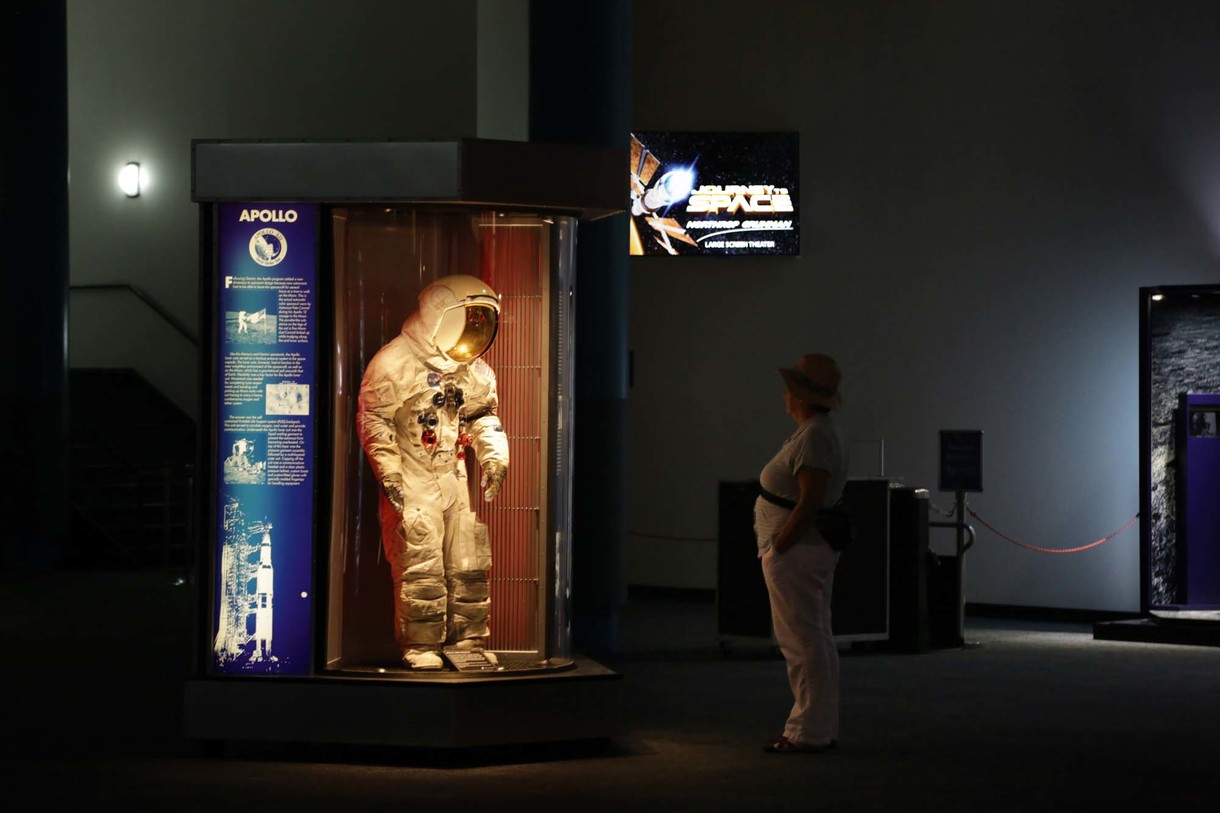
I learnt a while ago that, at any one time, as many as one in five New Zealanders are overseas – that’s one million of us trying to navigate work and life while holding familial and cultural bonds to this island nation. I’ve been living here in Houston, Texas for the last six months; it will be home for the foreseeable future and, almost inadvertently, I’ve joined the ranks of New Zealand artists who, after establishing themselves in their home country, have moved overseas, if only for a time.
Interview
J.G. Thirlwell
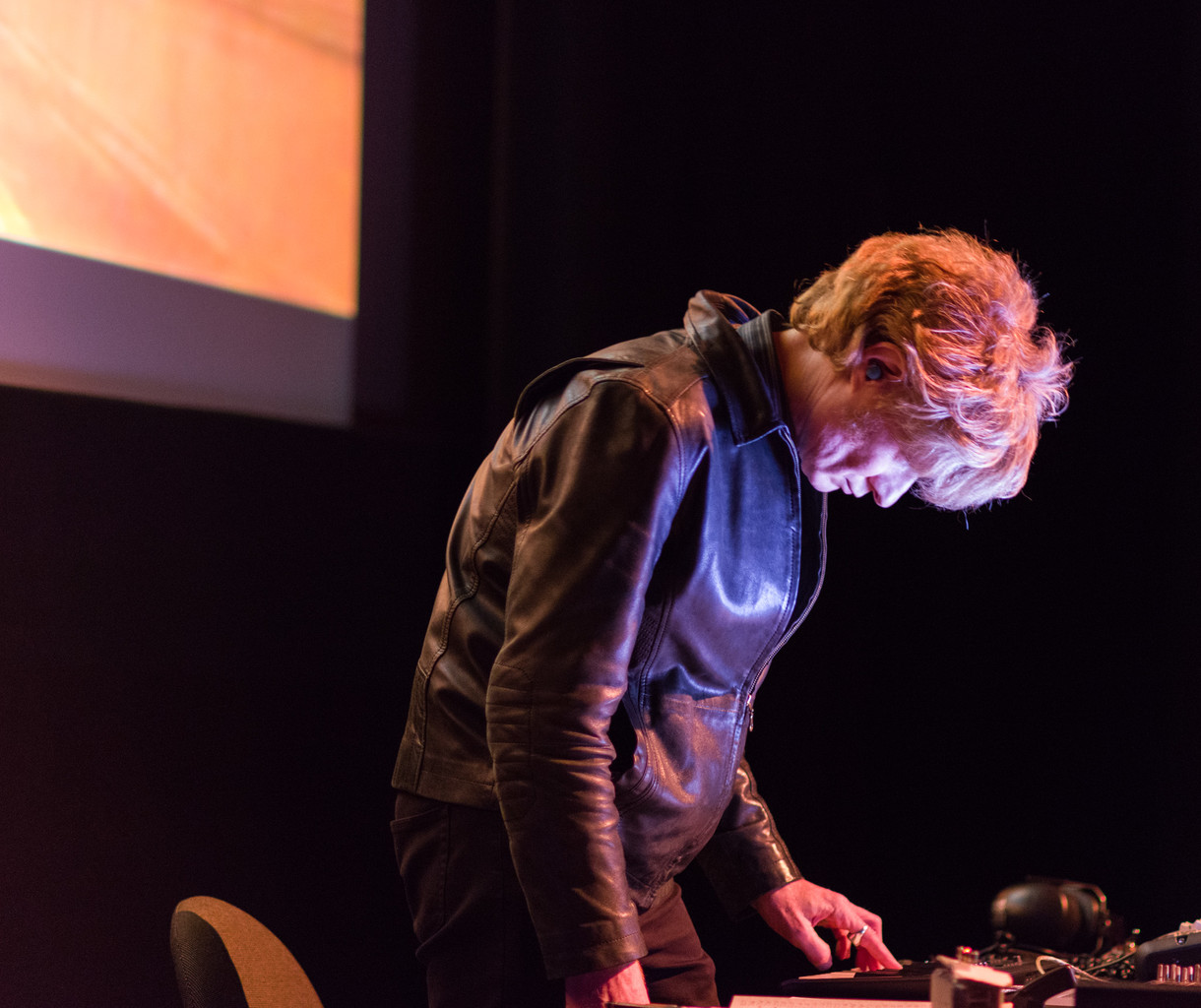
J.G. Thirlwell is man of many monikers and even more projects: from the epic avant-garde electro-rock of his thirty-five-year Foetus act to scoring orchestral work; creating sound installations to writing cartoon soundtracks. Fellow sonic artist, Jo Burzynska caught up with the Melbourne-born but long-time New York-resident composer/producer/performer at the Gallery before the opening performance of his first ever New Zealand tour.
Interview
The World is an Abstracting Machine
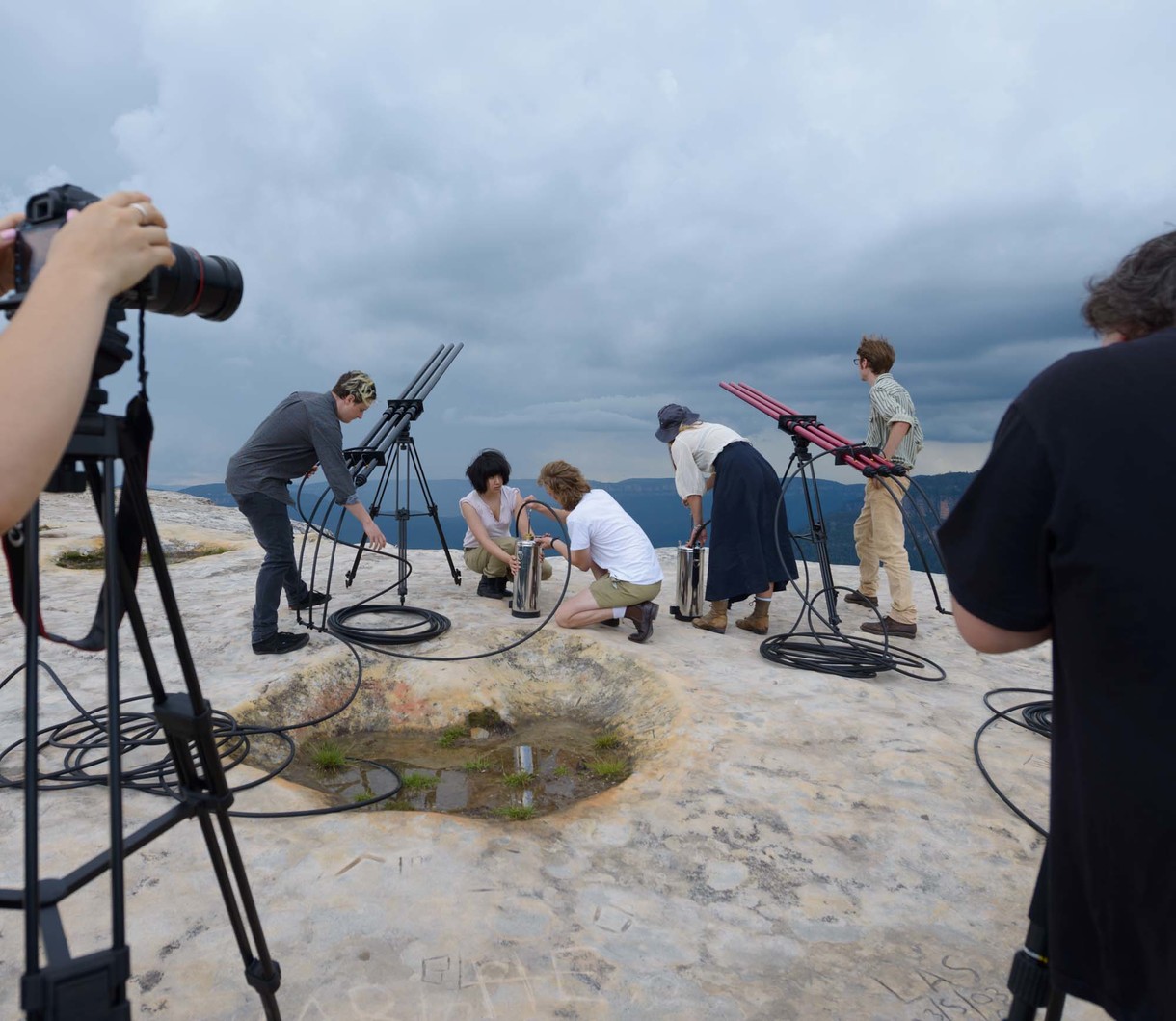
Australian artists David Haines and Joyce Hinterding live and work in the Blue Mountains, New South Wales. Working in a collaborative partnership as Haines & Hinterding, they explore the unseen energies that surround us through an artistic practice that incorporates science, the occult and philosophy. Bulletin editor David Simpson spoke to the artists in October 2016.