Notes
Te Puna o Waiwhetū remembers Cliff Whiting

Te Puna o Waiwhetū remembers Cliff Whiting

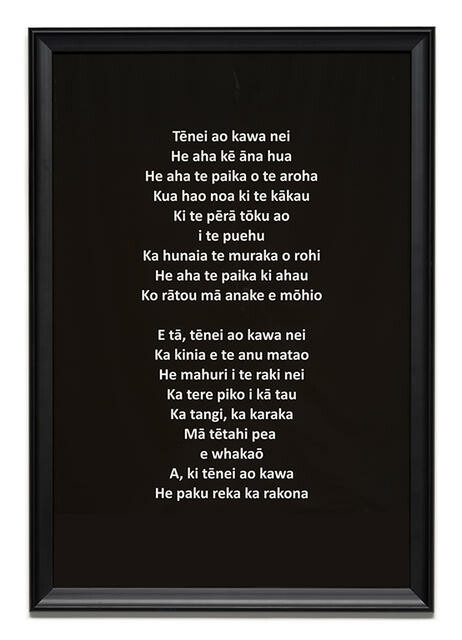
He whare whakairo ki te tohunga, he whare kōrero, he whare rangatira.

'The master carver’s house becomes one that is treasured and is revered.'

Collection
Lindfield, Sussex

Thomas Cane Lindfield, Sussex

The building to the left, a former parsonage, is now known as Church Cottage. The building in the background is Old Place.

With thanks to Richard Bryant of the Lindfield Preservation Society for helping to identify these buildings.

Collection
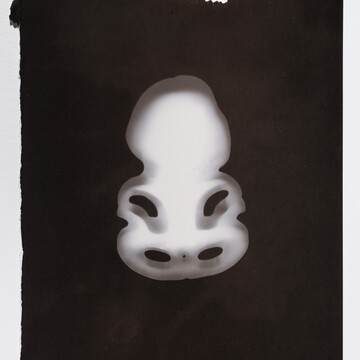
Hei Tupa

Areta Wilkinson Hei Tupa

Areta Wilkinson combines her contemporary jewellery practice anchored in an awareness of the body with traditional Māori systems of knowledge, in which objects are often used to make connections between people and to convey stories. Previously she has made works that relate to the taonga whakarākei (personal adornments) of her Waitaha, Kāti Māmoe and Ngāi Tahu ancestors. “These works do not seek to replicate an existing image of the world”, she has said, “but instead alert me to a new way of seeing from the world in which I stand, whilst still maintaining a relationship with the past.”

Hei Tupa is a contemporary take on a tupa, or scallop shell, necklace from Rāpaki near Ōtautahi Christchurch. In making this work, Areta asserts the role of Ngāi Tahu tūpuna as the first artists working in the region.

(Perilous: Unheard Stories from the Collection, 6 August 2022- )

Collection
Gasworks

Rita Angus Gasworks

The Christchurch Gas Company commenced operations on the corner of Moorhouse Avenue and Waltham Road in 1864. When Rita Angus painted Gasworks six decades later, she was living on the edge of a semi-industrial area two blocks away at 120 Ferry Road, lodging with her husband’s family as well as her youngest sister, Jean. Gasworks was a revelation when first shown at the Canterbury Society of Arts annual exhibition in 1933. Fellow painter Margaret Anderson later recalled “the tall chimney of this work as an event of greater artistic importance than any that had happened in Christchurch for years”. In reflecting something of the sharp austerity of the Depression years, the work also encouraged others to unlock the artistic possibilities in commonplace industrial subject matter.

(From Here on the Ground, 18 May – 17 November 2024)

Load more