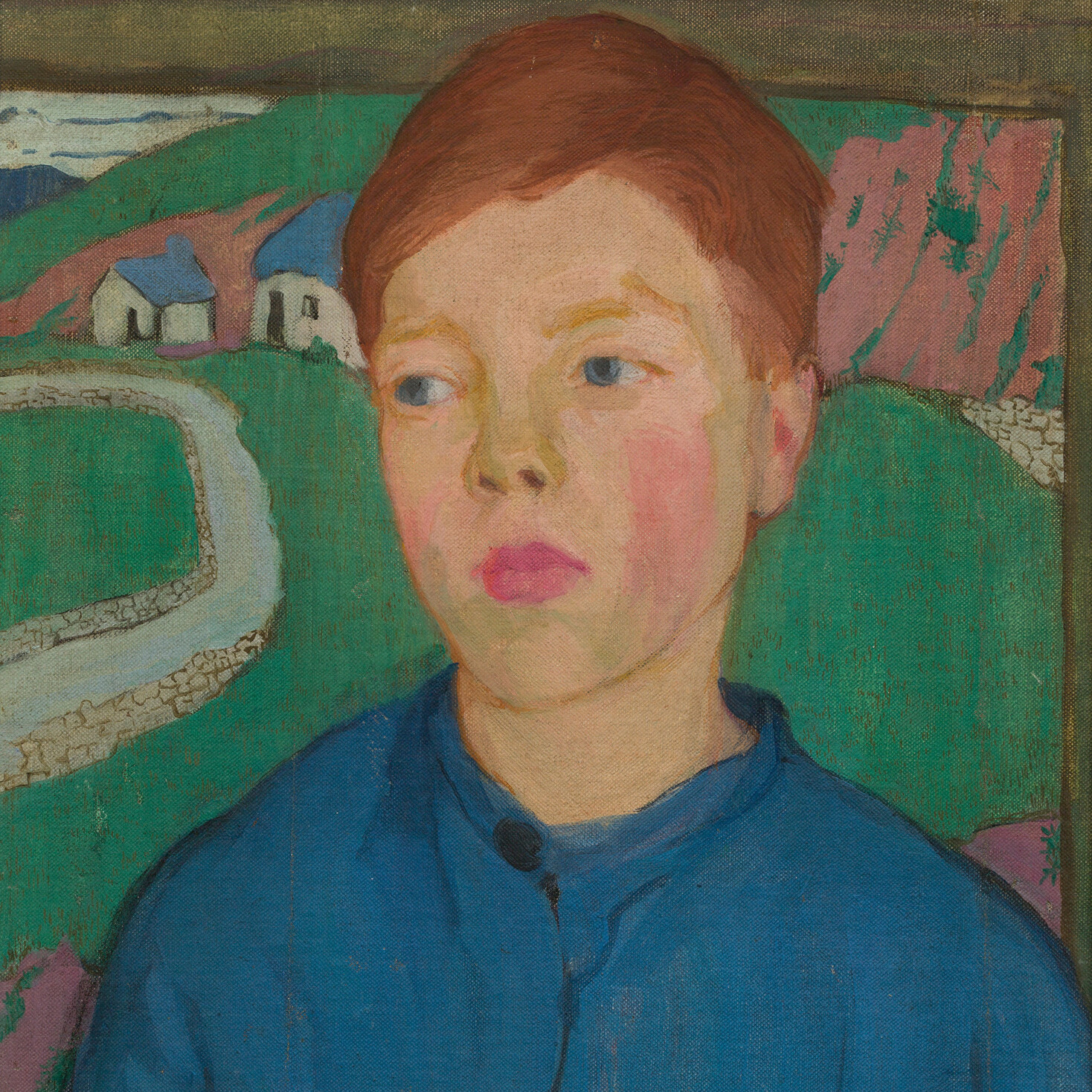
Kā Kaupapa o te Wā
What’s On
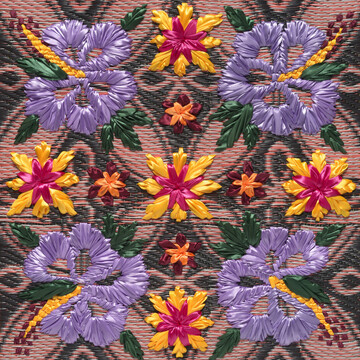
Made in the Pacific: A Collection of Tāoga
A selection of Pacific tāoga from the Canterbury Museum in conversation with contemporary artworks that highlight the continued strength in culture and traditional art forms.
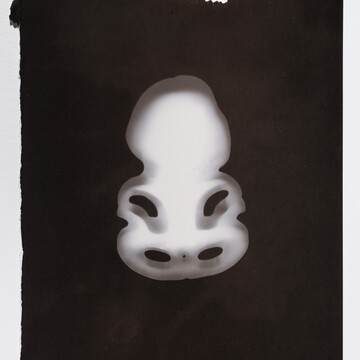
Mark Adams: A Survey | He Kohinga Whakaahua
A comprehensive survey spanning the artist's career.
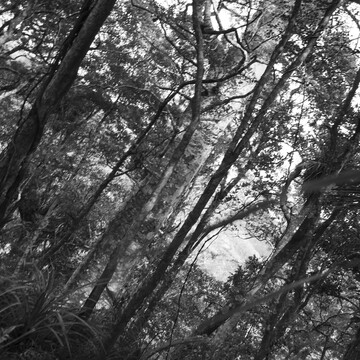
Ana Iti: Ngahere Behind a Pile of Metal
An immersive installation considering the legacies of deforestation and significance of kauri trees.
E tuwhera ana te wharetoi i kā rā e 7 o te wiki, 10am - 5pm
Ka tuwhera ki te 9pm i kā pō Wenerei
Open 7 days, 10am - 5pm
Late night Wednesday until 9pm
Uruka utukore, ahokore utukore
Free entry, free wifi
Collection
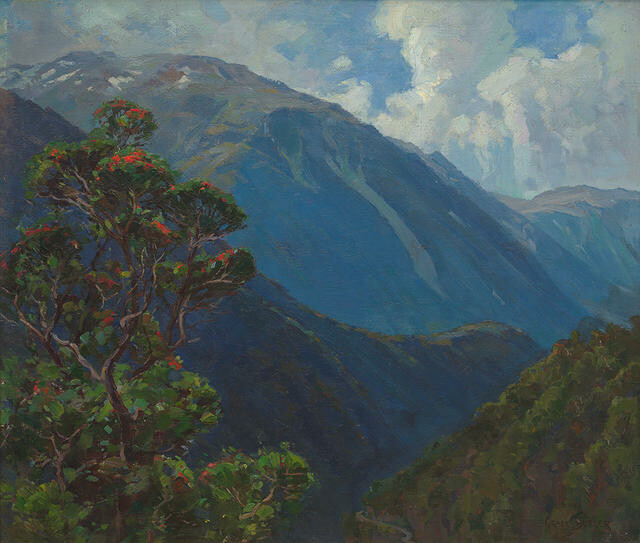
Grace Butler Rata in the Gorge
Grace Butler first visited the Arthur’s Pass / Ōtira area in 1916, two years after completing her studies at the Canterbury College School of Art, and was immediately captivated by its invigorating alpine scenery. In 1923, she and her husband purchased Jack’s Hut, a former roadman’s shelter near the summit, which served as a base for her frequent painting excursions into the surrounding mountains. Butler pays tribute in this work to the southern rātā, whose brilliant blossoms enliven the Ōtira landscape each summer.
(He Kapuka Oneone – A Handful of Soil, 2025)
Exhibition
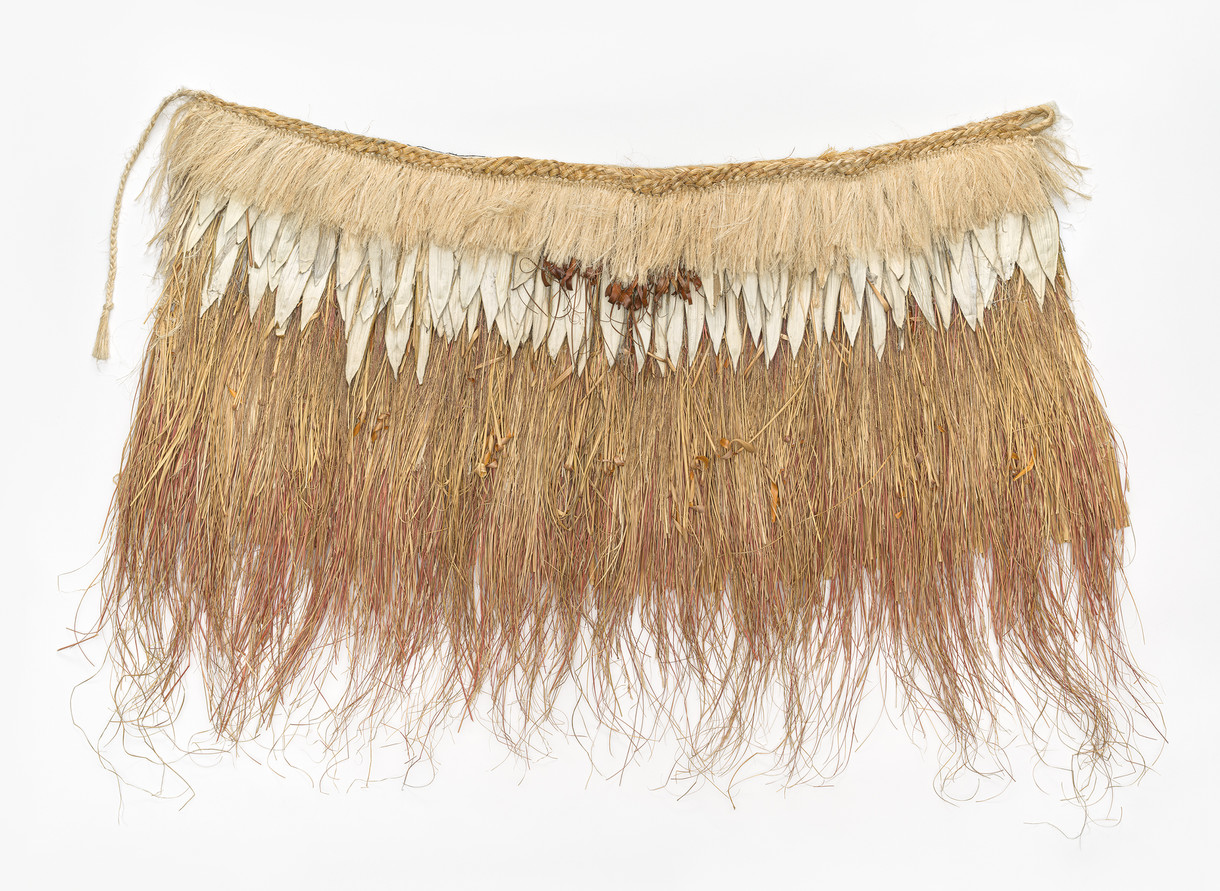
Te Puna Waiora: The Distinguished Weavers of Te Kāhui Whiritoi
Celebrating the great mana of the senior Māori weavers of Aotearoa New Zealand, and the complexity and beauty of their work.
Exhibition
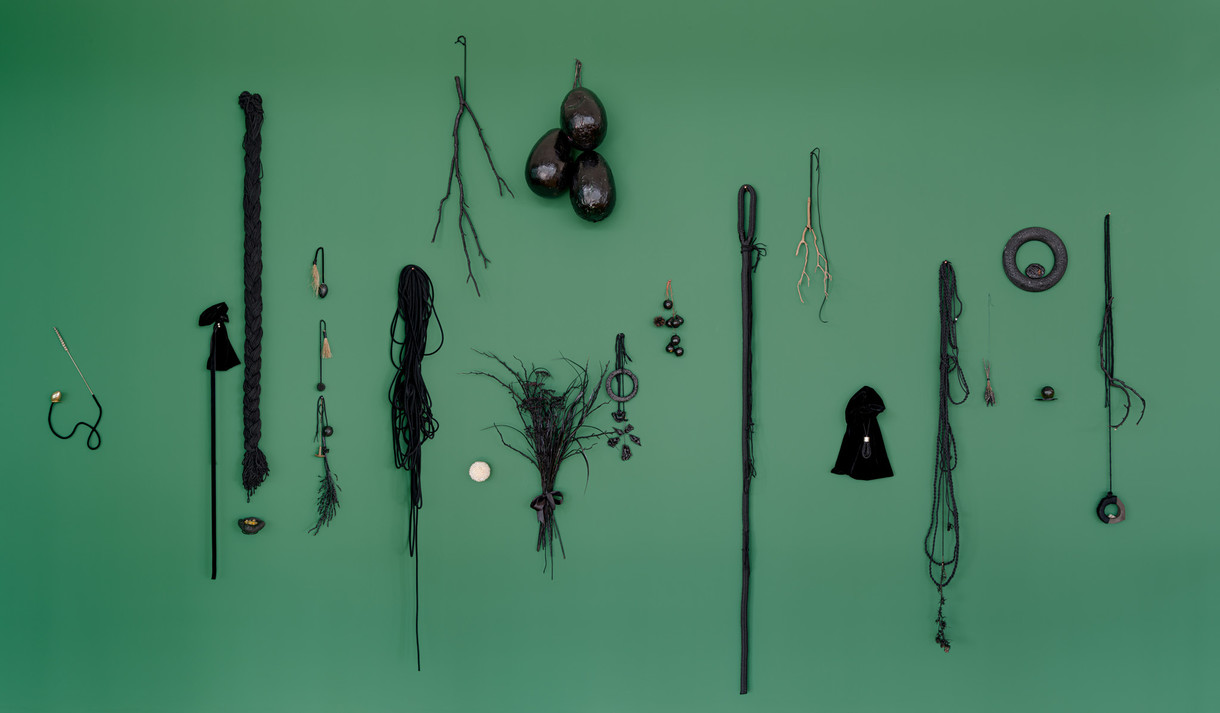
Jen Bowmast: When the Veil is Thin
An evocative sculptural installation celebrating traditions of spirituality and seasonal lore.
Collection
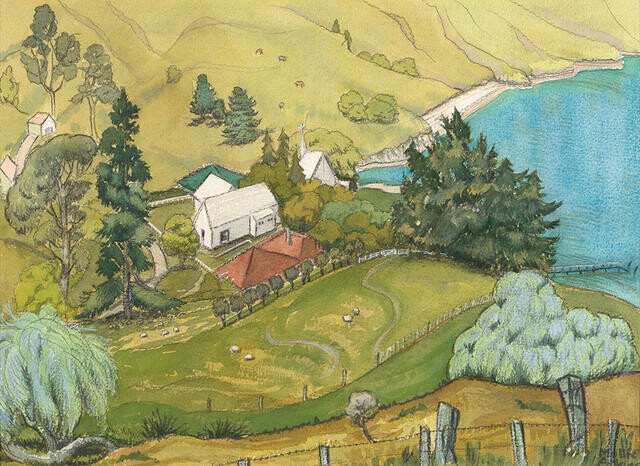
Mollie Atkins The Māori Pa at Rapaki
Mollie Atkins' watercolour painting of the Ngāi Tahu settlement at Te Rāpaki-o-Te Rakiwhakaputa in Te Whakaraupō Lyttelton Harbour carries a sense of lyrical pleasure in its arrangement of trees, hilly pasture and neighbourhood buildings. The composition includes the old Te Wheke meeting house, church and (at far right) Gallipoli Jetty, opened in 1916 to honour young Ngāi Tahu men serving overseas in World War One. London-born, Birmingham School of Art -trained Mollie Atkins immigrated to New Zealand with her husband and three young sons in 1953, settling at first in Te Waipapa Diamond Harbour and later moving to Christchurch. She exhibited regularly between 1962 and 1980, taught art in a variety of settings, and honed her printmaking skills under Eileen Mayo and Barry Cleavin.

Collection
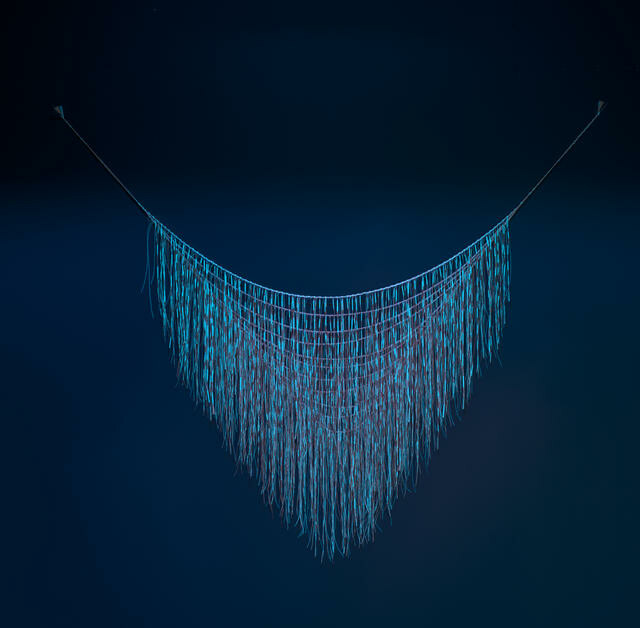
Maureen Lander Wai o te Marama
Maureen Lander made 'Wai o te Marama' for the major exhibition of Māori weaving that toured the United States and Aotearoa New Zealand in the mid 2000s, 'Toi Māori: The Eternal Thread – Te Aho Mutunga Kore'. Combining the natural fibres of harakeke and muka with nylon and fluorescent paint, Lander braided muka strands to form the triangular shape of a maro (apron), allowing the rolled leaf ends to hang like the pōkinikini (tags) found on early rāpaki (waist mats). Lander often looks to taonga in museum collections to learn from customary forms, rethinking how we might make these with the materials available to us today and reinforcing a culture of constant innovation. Recalling the genesis of 'Wai o te Marama', Lander said:
“During my years in Hokianga the sight of the full moon rising over the Wai o te Marama valley was a recurring vision, seen from the porch of my bach in Ōmāpere. The track from the floor of the valley up into the kauri forest was a favourite daytime walk of mine. Often when I paused for rest alongside the beautiful waterfall halfway up, I would imagine how the water might look lit by the moon, like its name.”
(Maureen Lander Aho Marama Strings of Light, 12 August 2023 – 14 July 2024)