Kā Kaupapa o te Wā
What’s On
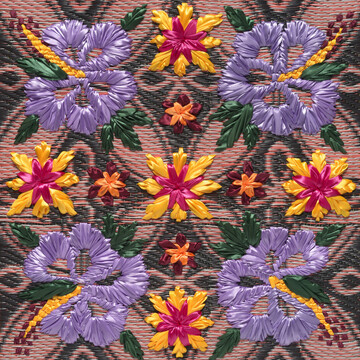
Made in the Pacific: A Collection of Tāoga
A selection of Pacific tāoga from the Canterbury Museum in conversation with contemporary artworks that highlight the continued strength in culture and traditional art forms.
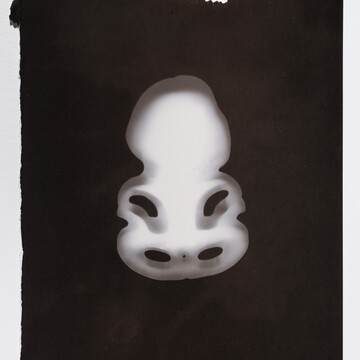
Mark Adams: A Survey | He Kohinga Whakaahua
A comprehensive survey spanning the artist's career.
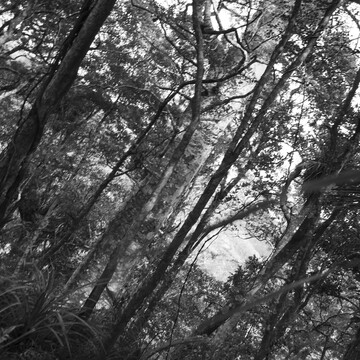
Ana Iti: Ngahere Behind a Pile of Metal
An immersive installation considering the legacies of deforestation and significance of kauri trees.
E tuwhera ana te wharetoi i kā rā e 7 o te wiki, 10am - 5pm
Ka tuwhera ki te 9pm i kā pō Wenerei
Open 7 days, 10am - 5pm
Late night Wednesday until 9pm
Uruka utukore, ahokore utukore
Free entry, free wifi
Collection
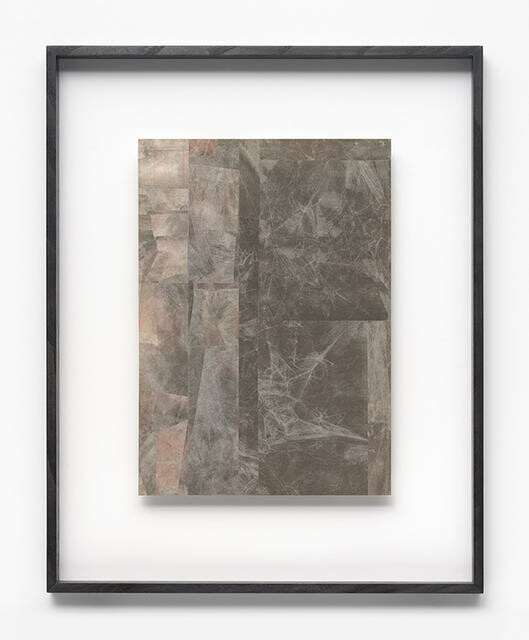
Sonya Lacey Edit, tabloid (2)
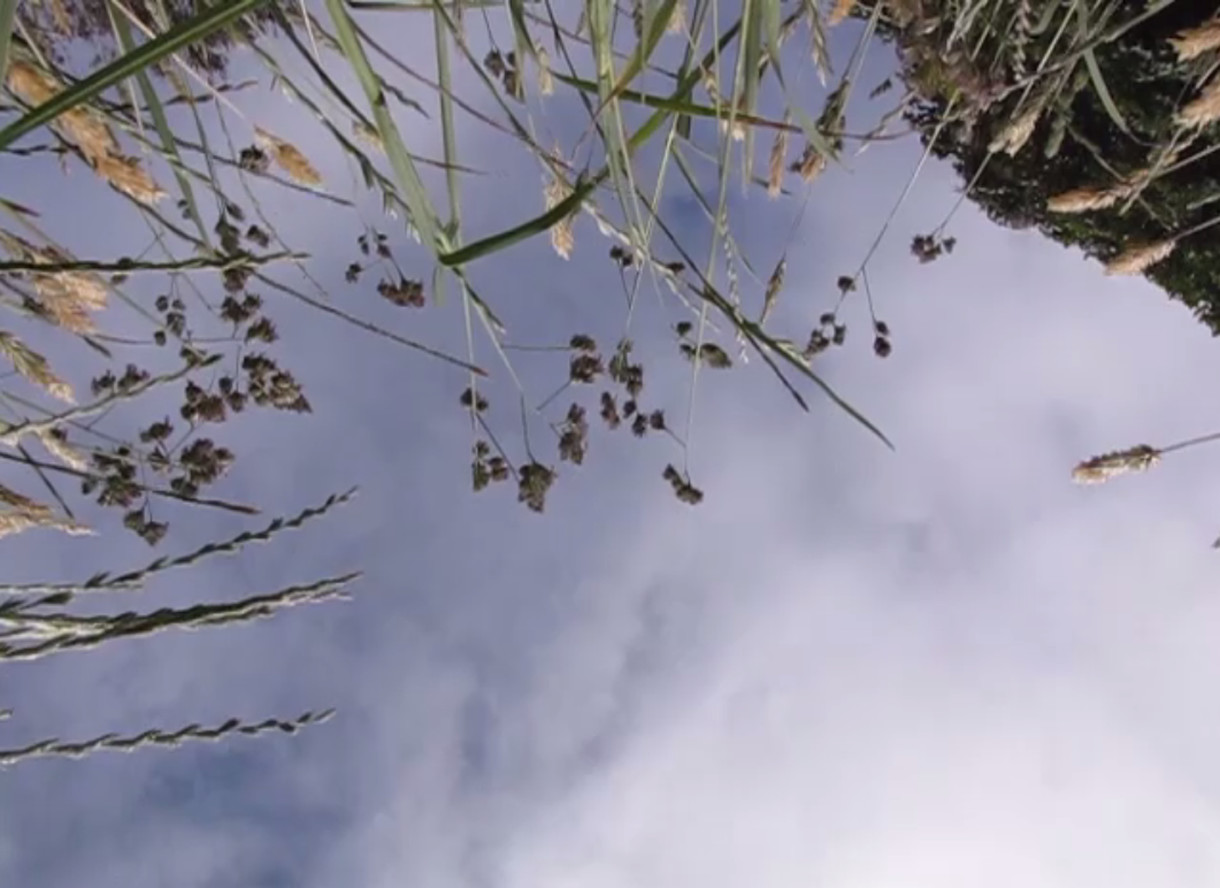
Sonya Lacey often focuses on the history of printing and forms of communication, creating a poetic relationship between water and print. Several years ago, she had the opportunity of filming a disused swimming pool in the basement of the St Bride Foundation located on Fleet Street in London.
The Foundation was built as a place for workers in the London newspaper printing industry to relax and socialise and in the twentieth century, Staff from the nearby Fleet Street printers would immerse themselves in this murky swimming pool after work, washing off the news of the day. For Edit, tabloid (2), Sonya washed sheets of newspaper until the content dissolved, turning newsworthy images and articles into abstract forms, and she then collaged these together to create a new version of the daily tabloid. This idea and process emphasises the fluidity of language and the instability of information systems.
(Perilous: Unheard Stories from the Collection, 6 August 2022- )
Collection
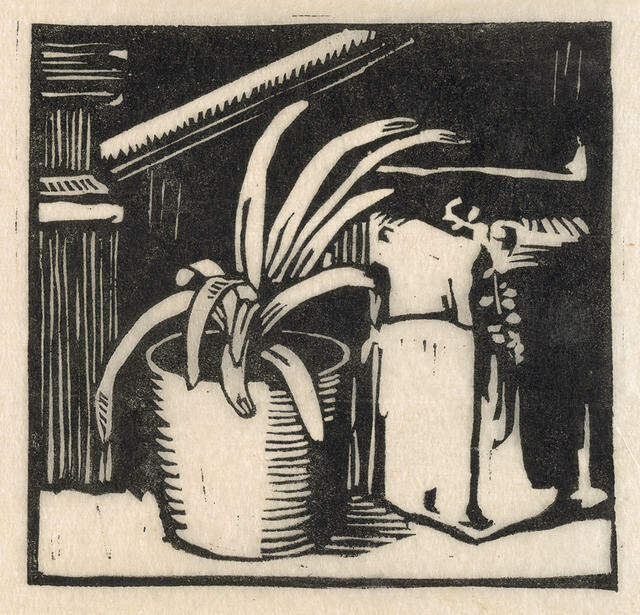
May Gilbert Untitled
May Gilbert was a contemporary of fellow Tāmaki Makaurau Auckland artists Hilda Wiseman, Ida Eise and Lois White, and like them she was an early practitioner of the linocut in Aotearoa. May attended the Elam School of Art in Auckland and was an important member of the contemporary art collective known as the Rutland Group. She had an interest in depicting urban buildings around Auckland in her work, particularly old colonial houses, but in this linocut her attention has been drawn to an interior view, focusing on a pot plant at the bottom of the stairs. Ink on Paper: Aotearoa New Zealand Printmakers of the Modern Era, 11 February – 28 May 2023
Collection
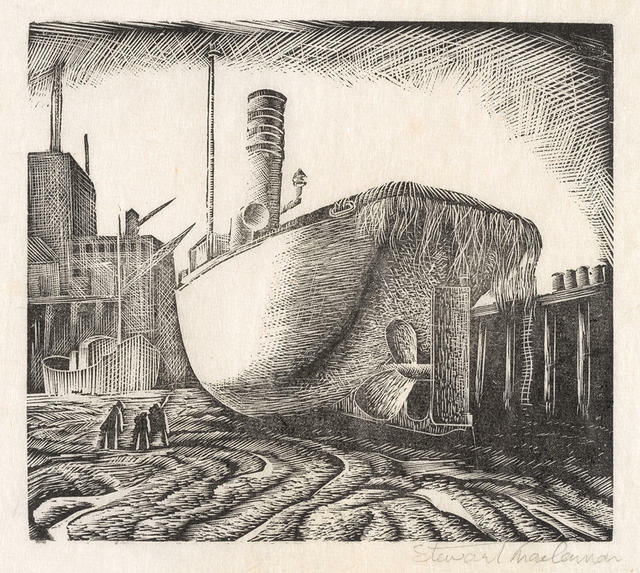
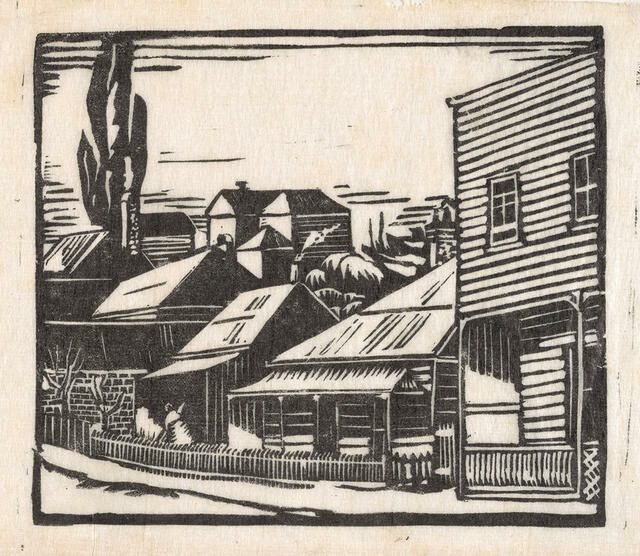
Stewart Maclennan Limehouse
Stewart Maclennan studied at the Dunedin School of Art during the 1920s, then moved to London in the 1930s. There he attended the Royal College of Art where he studied under some of the leading British printmakers of the time, including Eric Ravilious and Paul Nash. He excelled at the school and was awarded prizes for design and lithography. He was also skilled at wood-engraving; this work, Limehouse, shows the influence of his tutors. Stewart returned to Aotearoa in 1939 where he continued to work as a printmaker for the remainder of his career.
Ink on Paper: Aotearoa New Zealand Printmakers of the Modern Era, 11 February – 28 May 2023