Kā Kaupapa o te Wā
What’s On
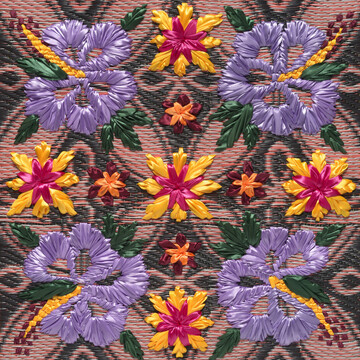
Made in the Pacific: A Collection of Tāoga
A selection of Pacific tāoga from the Canterbury Museum in conversation with contemporary artworks that highlight the continued strength in culture and traditional art forms.
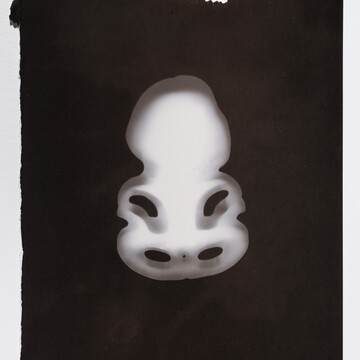
Mark Adams: A Survey | He Kohinga Whakaahua
A comprehensive survey spanning the artist's career.
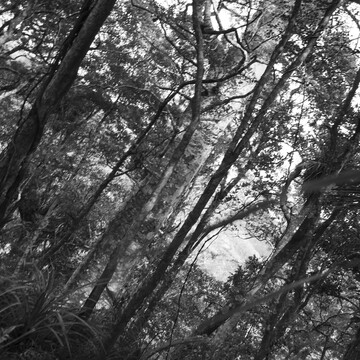
Ana Iti: Ngahere Behind a Pile of Metal
An immersive installation considering the legacies of deforestation and significance of kauri trees.
E tuwhera ana te wharetoi i kā rā e 7 o te wiki, 10am - 5pm
Ka tuwhera ki te 9pm i kā pō Wenerei
Open 7 days, 10am - 5pm
Late night Wednesday until 9pm
Uruka utukore, ahokore utukore
Free entry, free wifi
Commentary
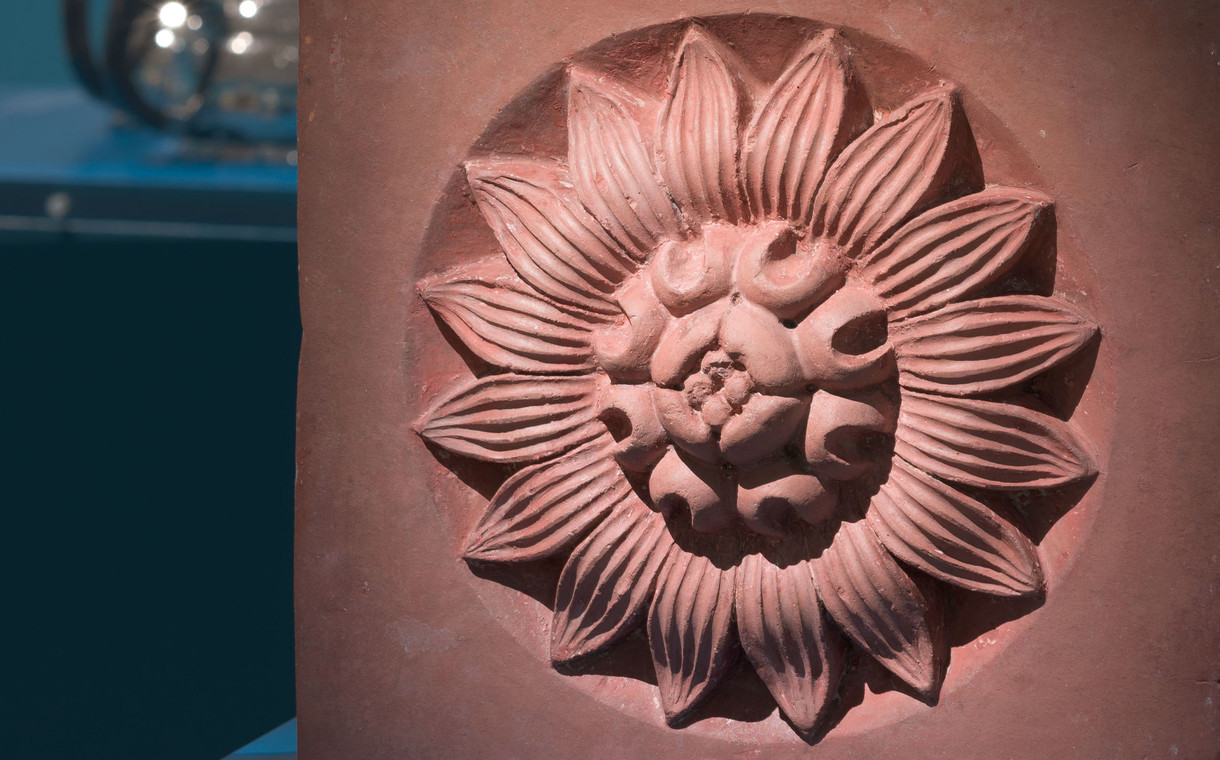
The Arts and Crafts Movement at the End of the World
It is interesting to ponder how makers involved in the Arts and Crafts Movement might respond if they were able to see their works on display in galleries today. While exhibitions on a range of scales were central to the Arts and Crafts, and played a key role in how its ideas and objects reached new audiences and took root across the world, today’s retrospective explorations of the Movement are to some extent testament to the fact that it never revolutionised art and life to the extent that its protagonists had initially hoped.
My Favourite
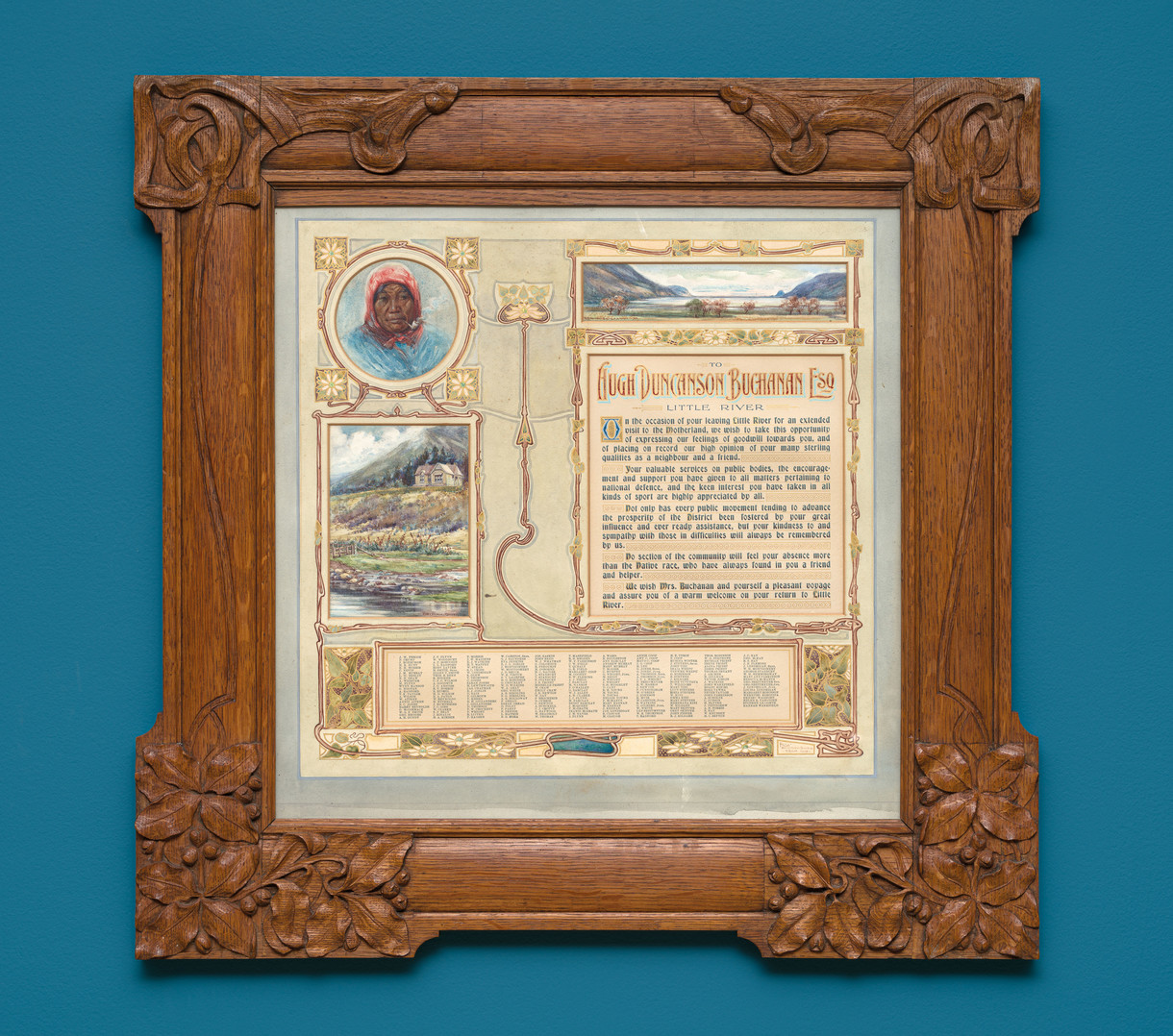
Robert Herdman-Smith's Framed Presentation to Hugh Duncanson Buchanan
I’m often drawn to art that’s attached to a specific time and place, and so it was that I came across Robert Herdman-Smith’s beautiful piece – commissioned in honour of the departure from Little River of a wealthy landowner (Hugh Duncanson Buchanan) in 1908. Behind the intricately carved wooden frame, the tiny perfect lettering embellished with paintings and art nouveau-ish decorations, is a story that I’d like to know more about.
Collection
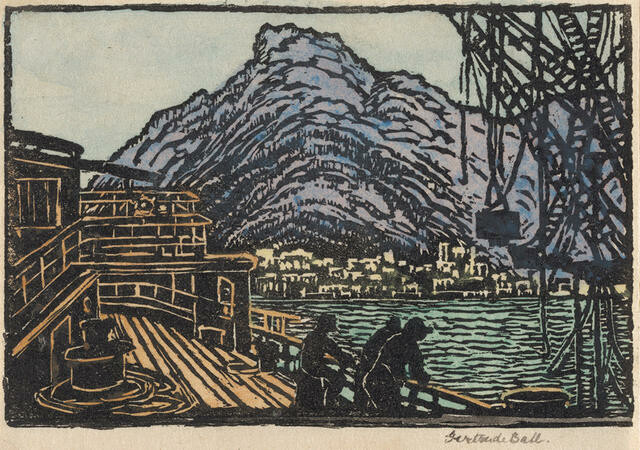
Gertrude Ball Untitled
Tāmaki Makaurau Auckland watercolourist Gertrude Ball moved to London to further her art training in 1920. She struggled to make a living as an artist, although she regularly exhibited with the Royal Academy of Arts. She became a member of the Society of Graphic Art and the Society of Women Artists, but described her journey as an artist as “a long uphill row to hoe”. She was friends with the Auckland printmaker Hilda Wiseman, who may have encouraged her to take up the woodcut. Around 1936 she began working on a major publication to be titled British Castles: A Book of Woodcuts, Written and Illustrated by Gertrude Ball. Although ultimately unpublished, it involved the creation of thirty woodcuts. Returning to Aotearoa after World War II she travelled to Central Otago with fellow artist Mabel Still, making several woodcuts of the region.
Ink on Paper: Aotearoa New Zealand Printmakers of the Modern Era, 11 February – 28 May 2023
Collection
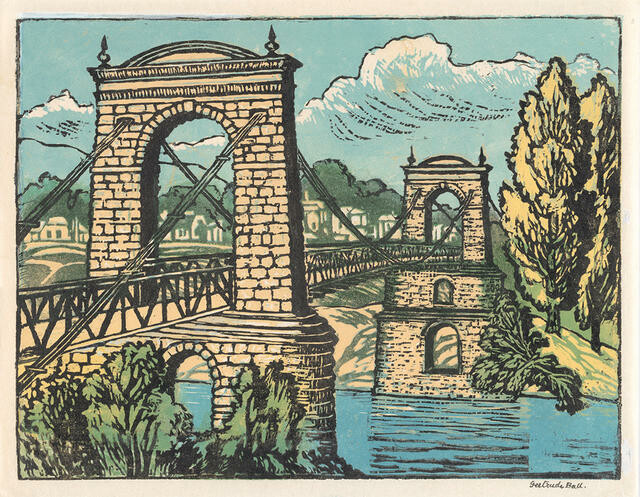
Gertrude Ball Untitled
The old bridge across the Clutha at Alexandra, in use from 1882 to 1958.
Collection
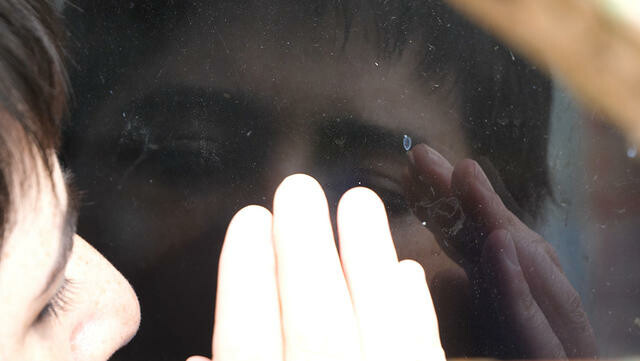
Ana Iti Trapped in a kiss
In' Trapped' in a kiss, Ana Iti looks at the ways Ralph Hotere (Te Aupōuri, Te Rarawa) used text in his artworks, and at the histories of publishing in Aotearoa. First, Ana breathes onto a glass window at Limeworks (1987–94), the former printmaking studio in Ōtautahi where Hotere made many of his prints. Writing the word ‘hue’, meaning colour in English or gourd in te reo Māori, in the condensation, she pays tribute to Hine-pū-te-hue, the atua of musical instruments made from hue and plays on the use of breath for wind instruments. Next, Ana makes a small letterpress print of the word ‘one’ on an Albion printing press from 1866, a press similar to those used for printing early biblical texts in Māori, and by Māori for publishing newspapers and distributing political information during a time when they were fighting to keep their land. Hineahuone was the first person to breathe life; she was made from one, the clay of Kurawaka. Drawing these two scenes together, the artist considers our relationship to the breath of life and the importance of language, and asks who is the author of our histories and futures.
(Perilous: Unheard Stories from the Collection, 6 August 2022- 21 July 2024)

Collection
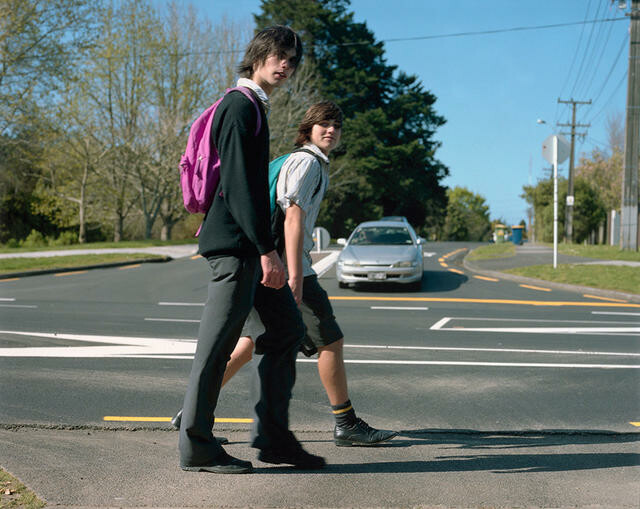
Edith Amituanai Pink Bag
Hendo and Pink Bag are both from the series The End of My Driveway. These works reflect Edith Amituanai’s innovative approach to making photographs, in which she consistently acknowledges her position as the photographer. Taken from the end of the artist’s driveway, the photographs capture teens as they walk to and from school. In Hendo the three teenagers each respond differently: one keeps eyes ahead, another peeks out from behind their friend and the last student pops back a hand signal, acknowledging the photographer. Edith often spends many years building relationships with a community before taking photographs and her work offers an inside view and shares intimate moments of daily life – here the commute to and from school and the friendships that result from walking together.
(Perilous: Unheard Stories from the Collection, 6 August 2022- )
Collection
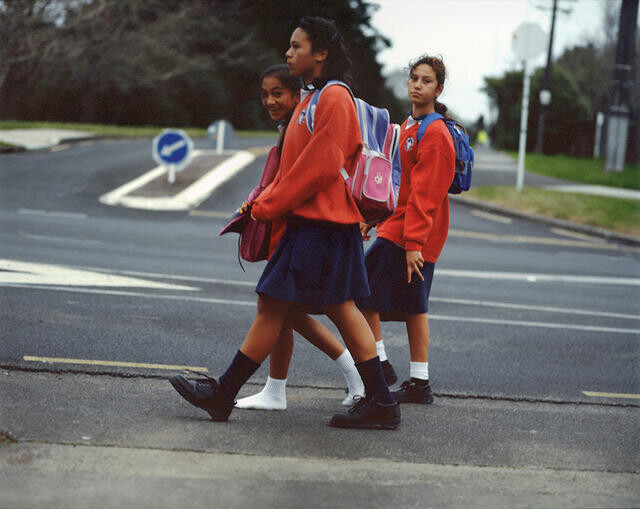
Edith Amituanai Hendo
Hendo and Pink Bag are both from the series The End of My Driveway. These works reflect Edith Amituanai’s innovative approach to making photographs, in which she consistently acknowledges her position as the photographer. Taken from the end of the artist’s driveway, the photographs capture teens as they walk to and from school. In Hendo the three teenagers each respond differently: one keeps eyes ahead, another peeks out from behind their friend and the last student pops back a hand signal, acknowledging the photographer. Edith often spends many years building relationships with a community before taking photographs and her work offers an inside view and shares intimate moments of daily life – here the commute to and from school and the friendships that result from walking together.
(Perilous: Unheard Stories from the Collection, 6 August 2022- )