Article
Christchurch and the New Zealand Wars

Christchurch and the New Zealand Wars

It is often assumed that the nineteenth-century New Zealand Wars fought between the Crown and various groups of Māori were exclusively a Te Ika-a-Māui North Island story. But in addition to the violent clash that took place at Wairau, Marlborough, in June 1843, there is a much deeper, if largely unknown, history of southern engagement with these conflicts. Military settlers were recruited from Te Waipounamu South Island goldfields to fight in the Waikato and elsewhere during the 1860s in return for a share of the confiscated lands, and Ōtautahi Christchurch politicians such as Henry Sewell and James Edward FitzGerald were members of colonial governments that were responsible for directing the later military campaigns and land takings, even while they expressed doubts about the justice of what was unfolding.

Commentary
A Fireside Whodunnit

A Fireside Whodunnit

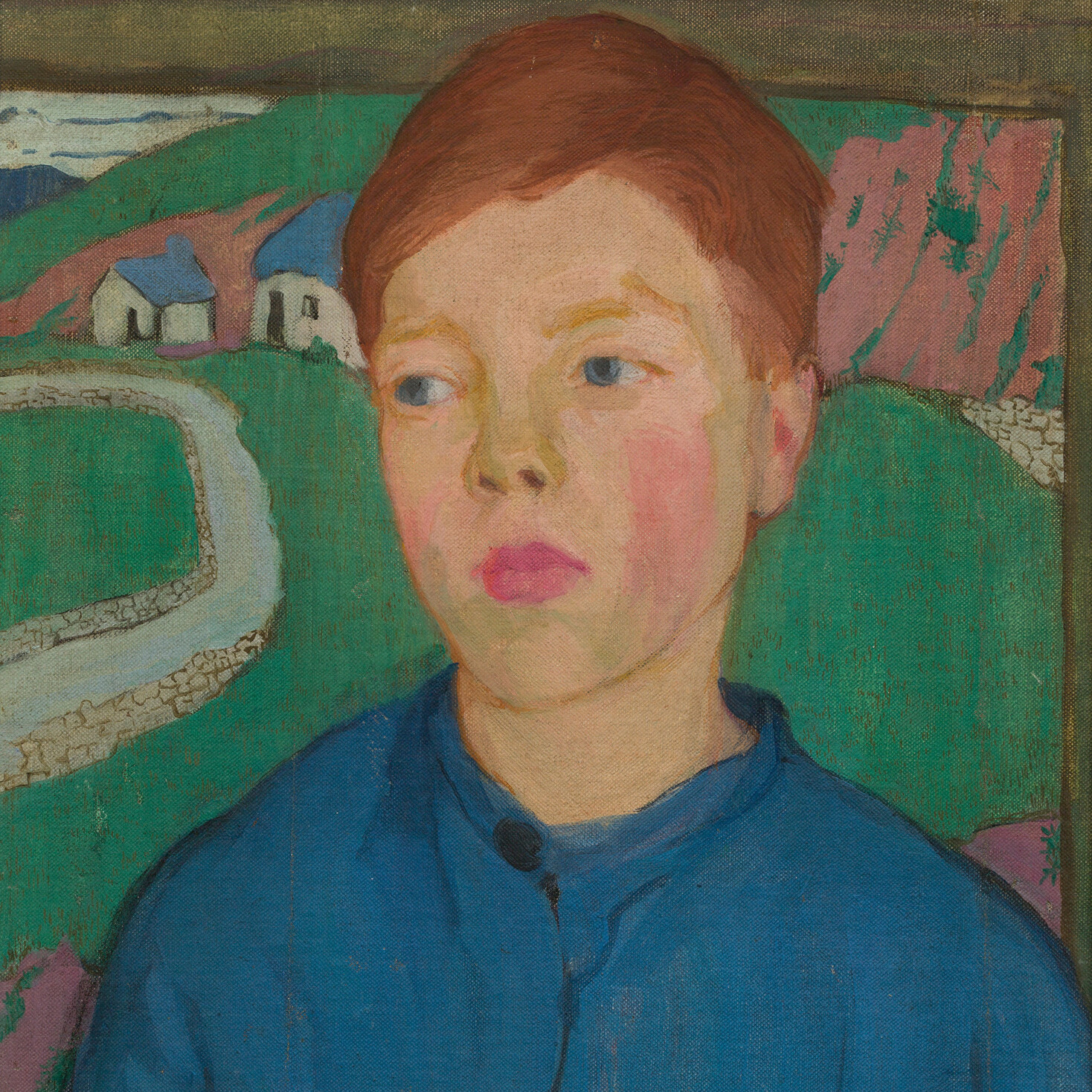
Father’s Tea entered the collection as an unexpected and welcome gift in 2020, together with a small portrait sketch and a larger interior scene by the same artist, both signed ‘EC’. Given by the granddaughter of artist Elizabeth Graham Chalmers (1870–1951), the paintings were old and well-travelled, needing the kind of care that galleries can provide. Father’s Tea also presented an intriguing puzzle around authorship, which has only recently been firmly re-established. As our research continued into 2021, local conservator Olivia Pitts undertook cleaning and repairs in preparation for its inclusion in the 2021–22 exhibition Leaving for Work. This included the removal of old varnish, infilling, and repainting areas of loss, and saw its strength vibrantly reinstated. Completing the restoration was the expert repair and re-gilding of the original ‘Watts profile’ frame by framing conservator Anne-Sophie Ninino.

Collection
Birds

Nicola Farquhar Birds

Nicola Farquhar’s paintings metabolise the world, processing everything around us into a vibrant composition. Her teeming, pulpy surfaces can look like animals, fruit, organs, plants and other planets. In Birds, a striped form pours downward and is reabsorbed into the background. There is a sense of reproductive possibility within the work, as each part seems to synthesise with another and feed back into the whole; wiggling lines and loose shapes suggest something cellular might be taking place. Farquhar’s interest in science fiction offers new ways of thinking about how we relate to each other and to different species – how can we think carefully and urgently about being on Earth?

(Jane Wallace, 2023)

Collection
The Lover of Shakespeare

Alfred Chalon The Lover of Shakespeare

This engraving of an illustration by A. E. Chalon appears as 'The Maiiden's Chamber' in 'The Belle of a Season', an extended poem by Marguerite Gardiner, Countess of Blessingham (1789 - 1849), published in 1840 by Longmans of London

It subsequently appeared as 'The Lover of Shakespeare' iin 'The People's Gallery of Engravings', second series, volume III, page 130, published by Peter Jackson, London.

The identity of the engraver is unknown.

Collection
Ceremonial

Baye Pewhairangi Riddell Ceremonial

Baye Riddell is a founding member of Ngā Kaihanga Uku – the Māori Clay Artists collective. He doesn’t use glazes in his ceramics, instead enhancing the clay with carved, painted or incised surfaces as a way of honouring the original material. The artist has whakapapa to Tokomaru Bay, where he also lives, and often uses clay collected from whānau land in Te Puia Springs. He says, “When I do that, I really feel connected to my tīpuna, because they’re providing me with a gift to work with.”

hui ~ gathering, meeting

whenua ~ land, earth

uku ~ clay

whakapapa ~ genealogy, lineage, ancestry

whānau ~ family, extended family, family group

tīpuna ~ ancestors

He Kapuka Oneone – A Handful of Soil (from August 2024)

Load more