Kā Kaupapa o te Wā
What’s On
Made in the Pacific: A Collection of Tāoga
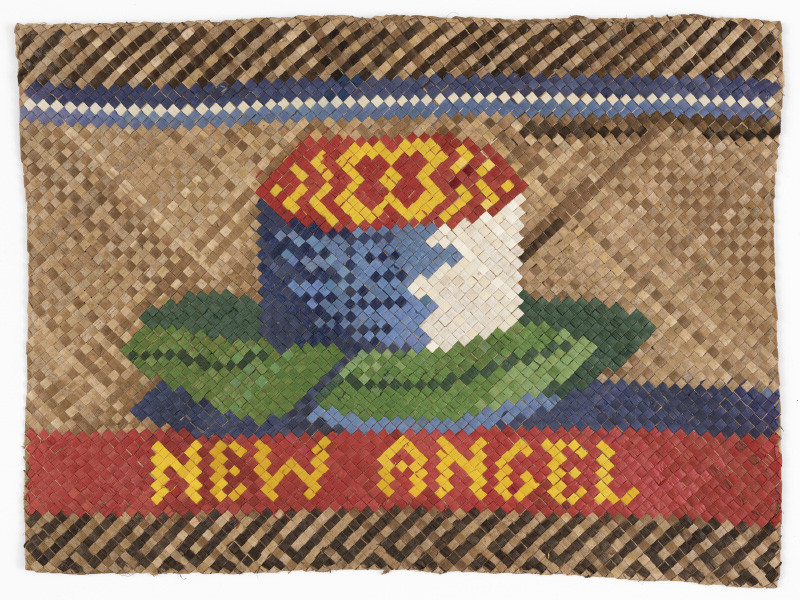
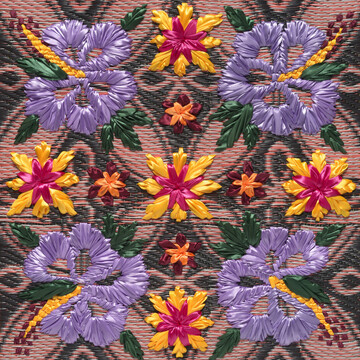
A selection of Pacific tāoga from the Canterbury Museum in conversation with contemporary artworks that highlight the continued strength in culture and traditional art forms.
Mark Adams: A Survey | He Kohinga Whakaahua
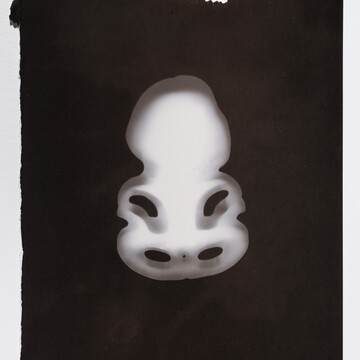
A comprehensive survey spanning the artist's career.
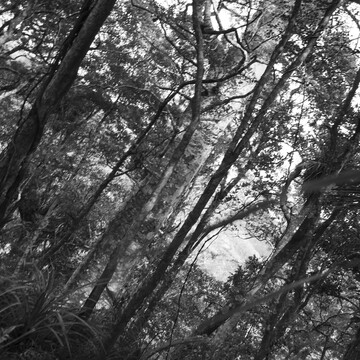
Ana Iti: Ngahere Behind a Pile of Metal
An immersive installation considering the legacies of deforestation and significance of kauri trees.
E tuwhera ana te wharetoi i kā rā e 7 o te wiki, 10am - 5pm
Ka tuwhera ki te 9pm i kā pō Wenerei
Open 7 days, 10am - 5pm
Late night Wednesday until 9pm
Uruka utukore, ahokore utukore
Free entry, free wifi
Collection
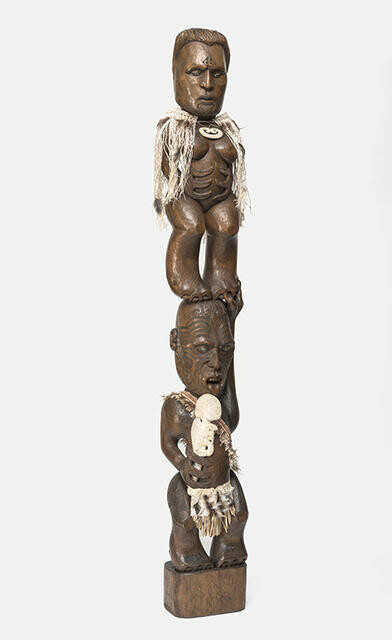
Riki Manuel Poumanawhenua
A pouwhenua is a carved wooden post that marks a boundary or a place of significance. It connects tākata with whenua, and acknowledges the relationships between mana whenua, tūpuna and te taiao.
The two figures in this pouwhenua carved by Riki Manuel represent the origins of Kāi Tahu and the iwi’s ancestral ties with Ngāti Porou from the East Cape in Te Ika-a-Māui North Island. Tahupōtiki, the tupuna of Kāi Tahu after whom the iwi is named, is shown here underneath Hamoterangi, his wife. Her carved pendant represents her first marriage to the brother of Tahupōtiki, Porourangi, the ancestor Ngāti Porou took its name from. Poumanawhenua highlights the connection between the two iwi.
Manuel is an Ōtautahi Christchurch-based carver and tohuka tā moko. He connects with Kāi Tahu through his Ngāti Porou whakapapa, and has carved several major public artworks at important sites throughout the city, including the six-metre high pouwhenua, commissioned by Kāi Tahu, located not far from here in Victoria Square.
tākata ~ people
whenua ~ land
mana whenua ~ Māori with authority over particular land or territory
tupuna / tūpuna ~ ancestor / ancestors
te taiao ~ the natural world
Kāi Tahu ~ tribal group of much of Te Waipounamu South Island
iwi ~ tribe
Ngāti Porou ~ tribal group of East Coast area north of Tairāwhiti Gisborne to Tihirau
tohuka tā moko ~ moko tattoo expert
whakapapa ~ genealogy, lineage, ancestry
Exhibition
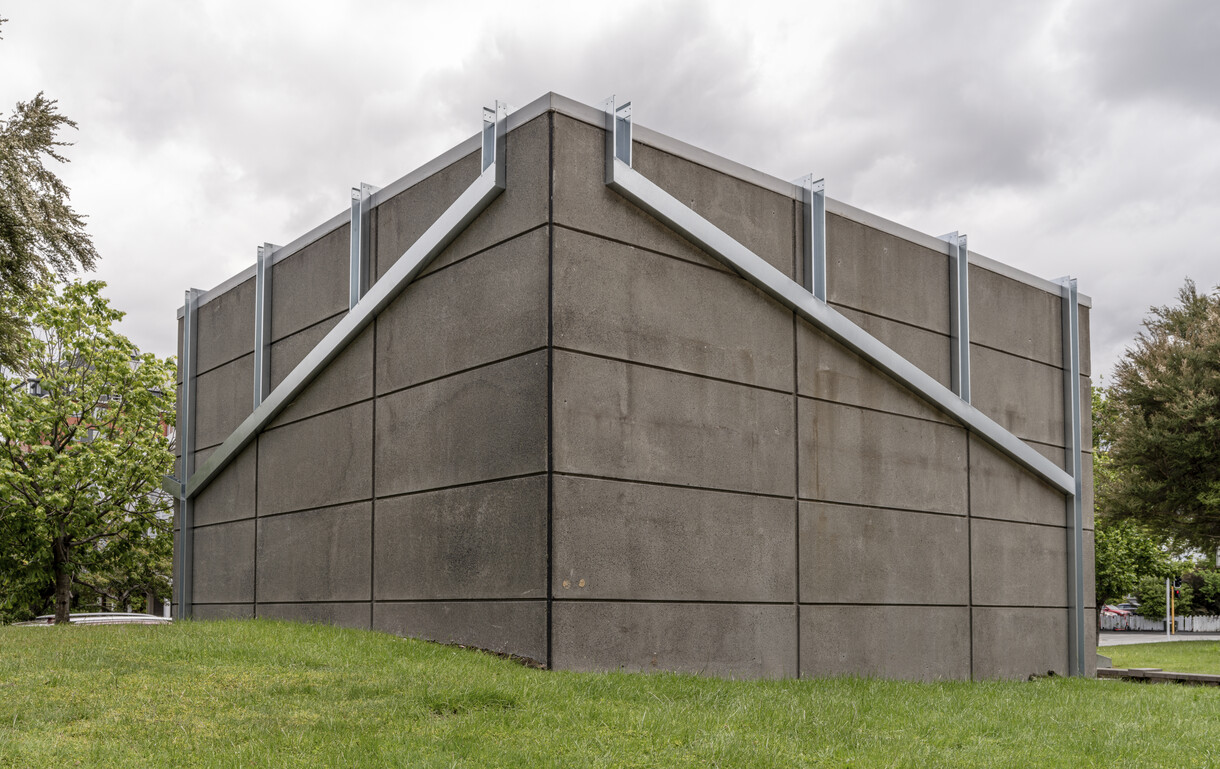
Wendelien Bakker: Catching a Grid of Rain
Wendelien Bakker has transformed the Gallery’s bunker into a sculptural surface that considers the practical and poetic aspects of catching rain, channelling the water through a grid of guttering and down into the earth.
Collection
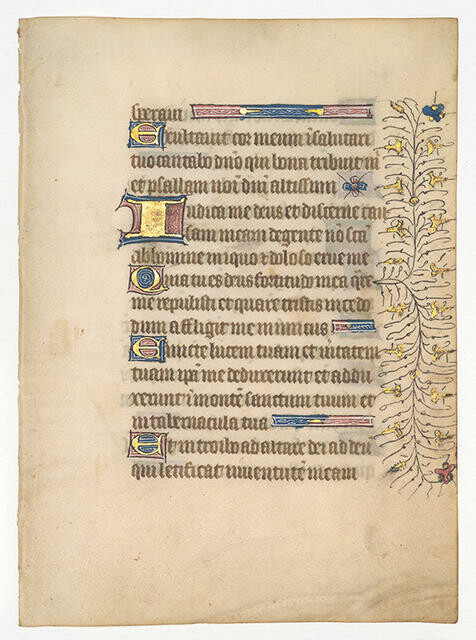
Artist Unknown Illuminated Leaf from a Book of Hours, (recto) Psalm 13:6, Psalm 43:1–4; (verso) Psalm 43:4–5, Psalm 129:1-6
This illuminated manuscript page from the early fifteenth century is likely from a Book of Hours, commonly used by Christians during the Middle Ages to establish regular patterns of prayer. The words here in Latin are from two Bible psalms that were to be recited or sung. Inscribed in ink on animal skin parchment, they are embellished with precious gold leaf and watercolour.