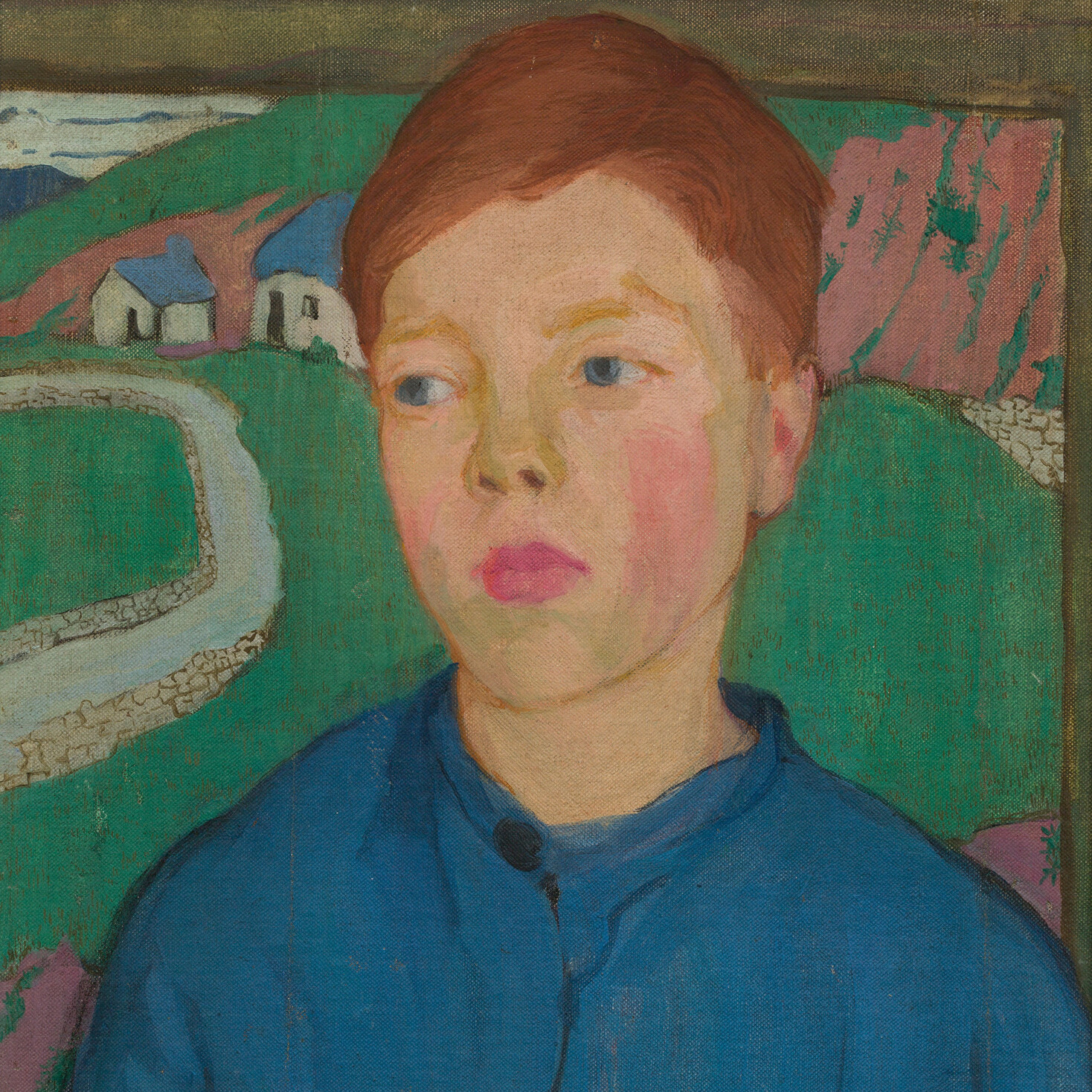
Kā Kaupapa o te Wā
What’s On
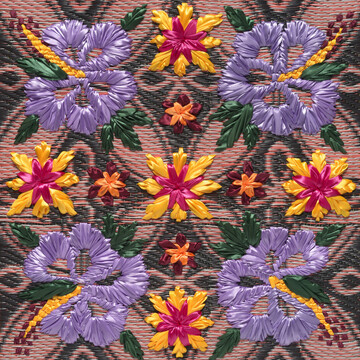
Made in the Pacific: A Collection of Tāoga
A selection of Pacific tāoga from the Canterbury Museum in conversation with contemporary artworks that highlight the continued strength in culture and traditional art forms.
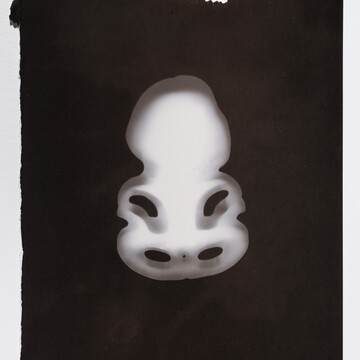
Mark Adams: A Survey | He Kohinga Whakaahua
A comprehensive survey spanning the artist's career.
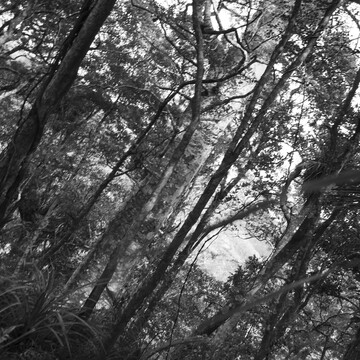
Ana Iti: Ngahere Behind a Pile of Metal
An immersive installation considering the legacies of deforestation and significance of kauri trees.
E tuwhera ana te wharetoi i kā rā e 7 o te wiki, 10am - 5pm
Ka tuwhera ki te 9pm i kā pō Wenerei
Open 7 days, 10am - 5pm
Late night Wednesday until 9pm
Uruka utukore, ahokore utukore
Free entry, free wifi
![Untitled [Anchor and Dinghy, Redcliffs]](/media/cache/50/b5/50b5be4c8475000f70ec5188b638a593.jpg)

Collection
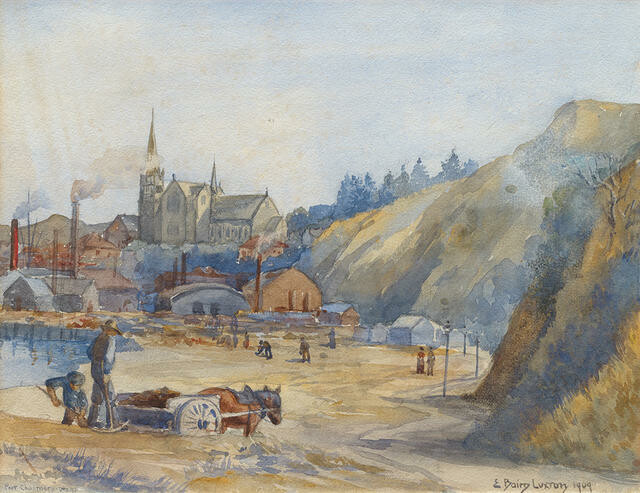
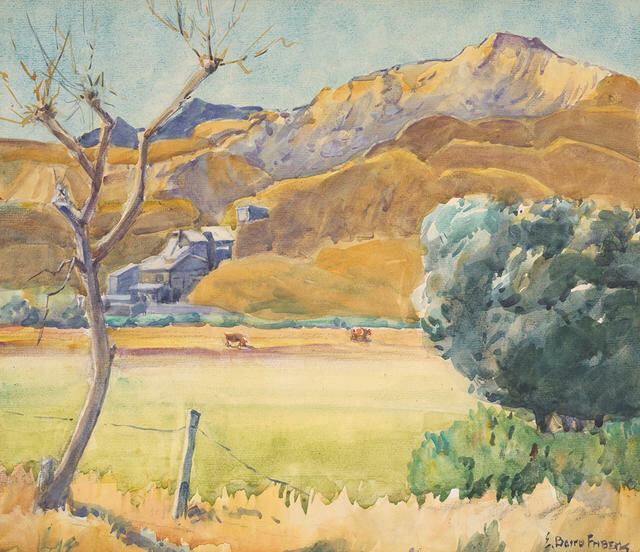
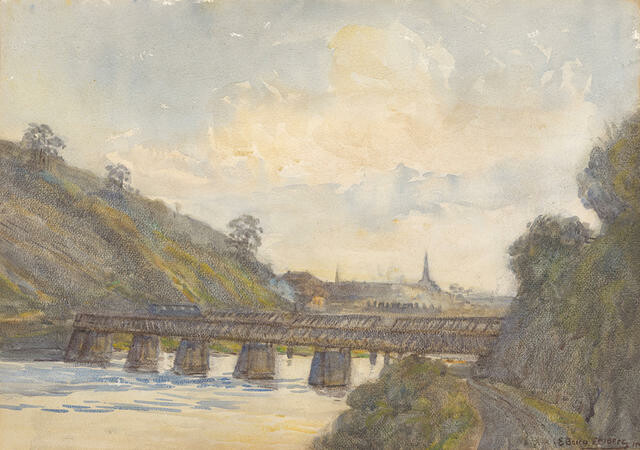
Elizabeth Baird Friberg Port Chalmers, Otago
Elizabeth Baird Friberg’s 1909 watercolour view of Kōpūtai Port Chalmers is the earliest work in this exhibition and a rarity from this period for its focus on industrial subject matter. Behind the workers loading a horse-drawn dray in the foreground, factories and warehouses provide gritty company for the Iona Presbyterian Church, which towers above on the steep hillside. Friberg was an active, visible presence in early twentieth-century art circles, including as a teacher in Ōtautahi Christchurch, but has been missing from later histories. This attentive industrial scene, a recent gift, offers a glimpse into her practice.
(From Here on the Ground, 18 May – 17 November 2024)
Director's Foreword
Director's Foreword
It feels a bit strange to be writing the foreword for the autumn edition of Bulletin on one of Ōtautahi Christchurch’s hottest days. However, here I am, welcoming in a new year and enjoying an amazing summer, while signalling a change in seasons and a range of new exhibitions and programmes here at Christchurch Art Gallery Te Puna o Waiwhetū. It has been a fantastic, bustling summer for the Gallery so far, and we have welcomed over 60,000 visitors between 1 December 2023 and 31 January 2024.
My Favourite
![Toss Woollaston: Untitled [Quentin (Kin) Woollaston Shearing]](/media/cache/89/81/89813389f1be4baa3817a7260a3b0cc7.jpg)
Toss Woollaston: Untitled [Quentin (Kin) Woollaston Shearing]
“Teddy you fucking mongrel! Stay in your place, so help me you fuzzy prick!” my four-year-old self shouted at my hapless toy bear during Christmas lunch in 1981.
Commentary
Channelling
In this issue of Bulletin we invited writer and curator Simon Gennard to respond to the exhibition Spring Time is Heart-break. Simon delves into works by artists Wendelien Bakker, Madison Kelly (Kāi Tahu, Kāti Māmoe, Pākehā) and Lucy Meyle, which each examine complex entanglements across species and human/non-human relationships. Looking to the dynamic thinking of writer Ursula Le Guin, Simon offers another way of looking at these artistic practices, as a process of making kin within our contemporary world.