Coming Soon
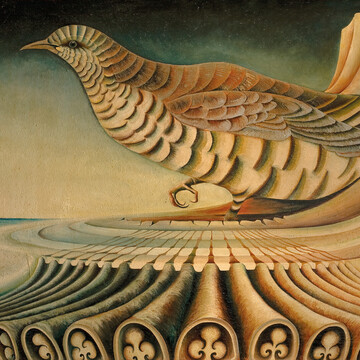
From taoka tuku iho to contemporary moving image, Aotearoa’s birds take centre stage in Bird Land: Te Kāhui Manu
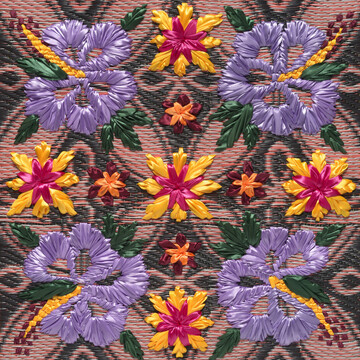
Made in the Pacific: A Collection of Tāoga
A selection of Pacific tāoga from the Canterbury Museum in conversation with contemporary artworks that highlight the continued strength in culture and traditional art forms.
He Kapuka Oneone – A Handful of Soil
Exploring the relationship between tākata and whenua – people and land – through Aotearoa New Zealand’s art history.
E tuwhera ana te wharetoi i kā rā e 7 o te wiki, 10am - 5pm
Ka tuwhera ki te 9pm i kā pō Wenerei
Open 7 days, 10am - 5pm
Late night Wednesday until 9pm
Uruka utukore, ahokore utukore
Free entry, free wifi
Notes
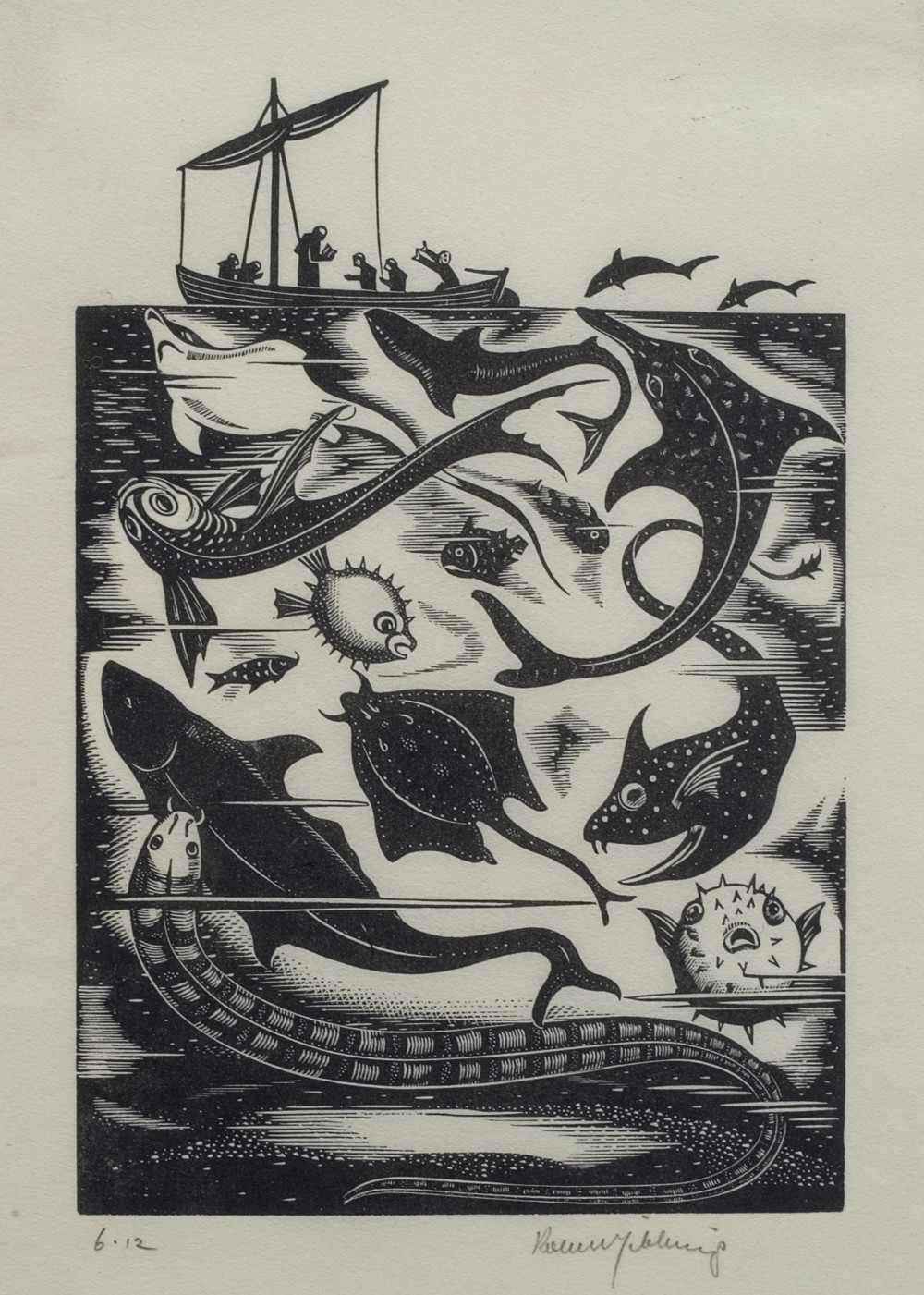
St Brendan and the Sea Monsters by Robert Gibbings
This article first appeared in The Press on 14 December 2005
At just 14 cm tall, the exquisite St Brendan and the Sea Monsters by Irish-born Robert Gibbings (1889-1958) is one of the smallest works in Christchurch Art Gallery's collection, but carries with it some of the largest tales. A rhythmic composition of swirling sea serpents, stingrays and sharks, this finely-crafted woodcut print tells the story of 6th century Irish explorer-monk St. Brendan, or Brendan the Navigator, whose recorded travels were an important part of medieval European folklore, and which continue to fascinate.
Notes

Large Kitchen Composition by Michael Smither
This article first appeared in The Press on 8 June 2005
In 1965, when Large Kitchen Composition was painted, Michael Smither was a young, emerging artist on the verge of broader success. Since completing studies at Elam Art School in 1960, he had held a number of solo shows in Auckland, New Plymouth and Wellington, returning to his hometown of New Plymouth in 1962, and marrying in 1963 (the future writer) Elizabeth. He was also a new father.
Notes
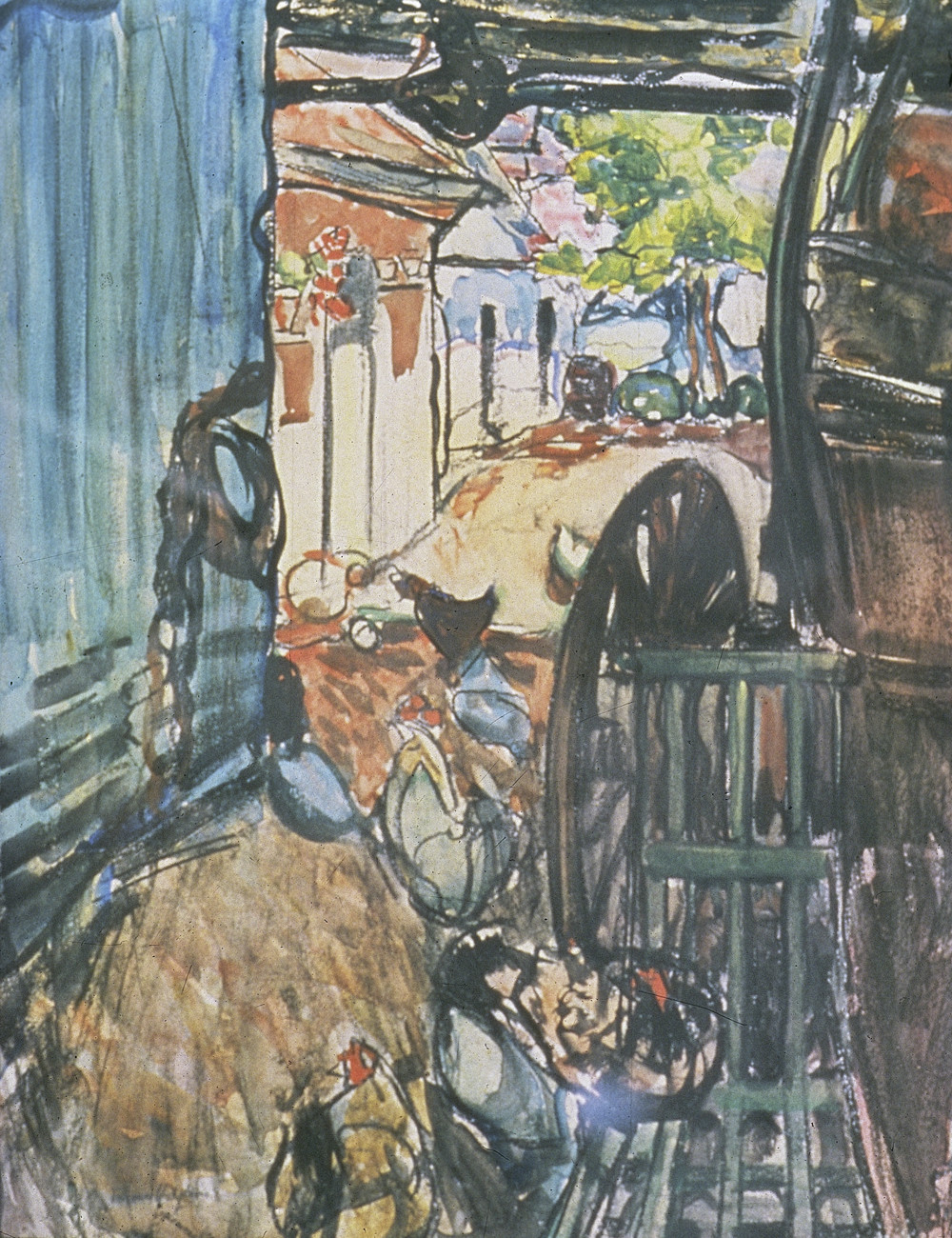
A Barn in Picardy by Frances Hodgkins
This article first appeared in The Press on 30 March 2005
In the spring of 1914, Frances Hodgkins looked out from the cool interior of a barn in Picardy, northern France, and shaped vigorous black lines into wandering hens, the corner of a farm wagon, rustic beams, the outline of a wall. Transparent watercolour wash covered the light-filled centre, while splashes of colour defined potted geraniums, fresh green leaves and pink blossom. Hodgkins had arrived in May at the tiny cliff-top village of Equihen, Boulogne-sur-Mer, to paint and teach from an artists' studio cottage perched high above the roar of the English Channel. While the setting of her studio - on the edge of the village by rolling farmland - delighted her, she had reached here with little will to paint, and very much in a state of shock.
Notes
Factory at Widnes by L.S. Lowry
This article first appeared in The Press on 13 October 2004
Laurence Stephen Lowry painted Factory at Widnes in 1956, at which time he was Britain's most famous living painter. Lowry's fame increased in that year as he became the subject of a BBC television documentary, though his work had already been popular in British homes and schools as reproductions since the end of the war. If appreciation for his individualistic painting style was widespread, there was also fascination with L.S. Lowry the artist, who had projected in the press the image of a lonely recluse.