Exhibition

Yona Lee: Fountain in Transit

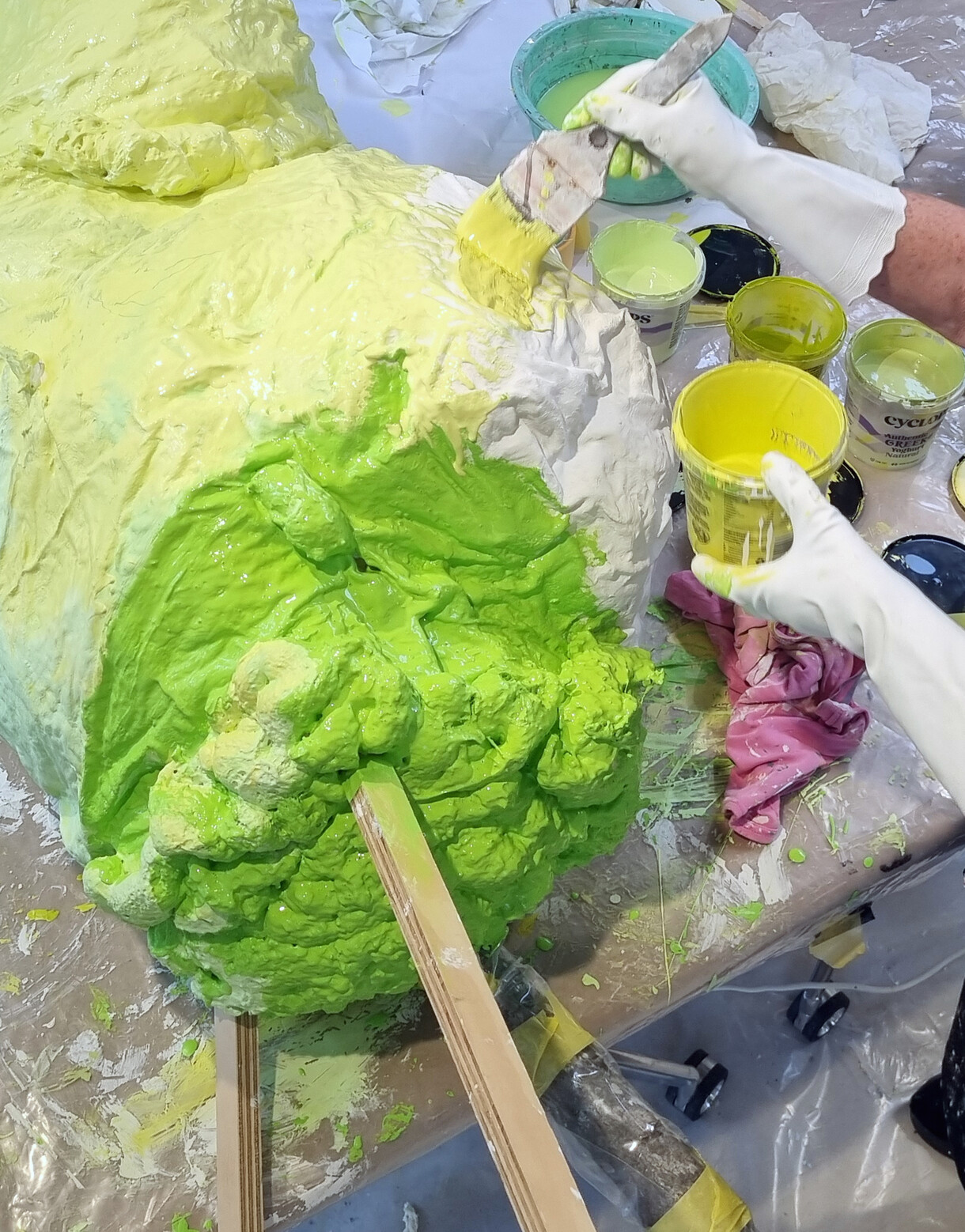
A lively, restorative under-stairs sculpture for Te Puna o Waiwhetū.

Collection
Tatau Pounamu

Areta Wilkinson Tatau Pounamu

Tatau Pounamu, literally meaning greenstone door, is a metaphor for lasting peace. It is accompanied by a recording of Kāi Tahu kaumātua Riki Te Mairaki Pitama (1950–2018) talking about Waikākahi pā near the settlements of Wairewa and Taumutu on the shores of Te Waihora Lake Ellesmere, and an inter-tribal feud that embroiled Kāi Tahu from Kaikōura in the north to Murihiku Southland. Reflecting on the violent history of loss and dislocation for Māori from Horomaka Banks Peninsula, and on contemporary inter-whānau quarrels, Areta Wilkinson’s response was this object of peace. Her works therefore become taoka tuku iho – touchstones for memory – activated with the kōrero of her tūpuna.

Kāi Tahu ~ tribal group of much of Te Waipounamu South Island

kaumātua ~ elder, person of status

pā ~ fortified village

whānau ~ family, extended family, family group

kōrero ~ narrative, discourse, stories

tūpuna ~ ancestors

He Kapuka Oneone – A Handful of Soil (from August 2024)

Collection
Akaroa Purchase 1856

Areta Wilkinson Akaroa Purchase 1856

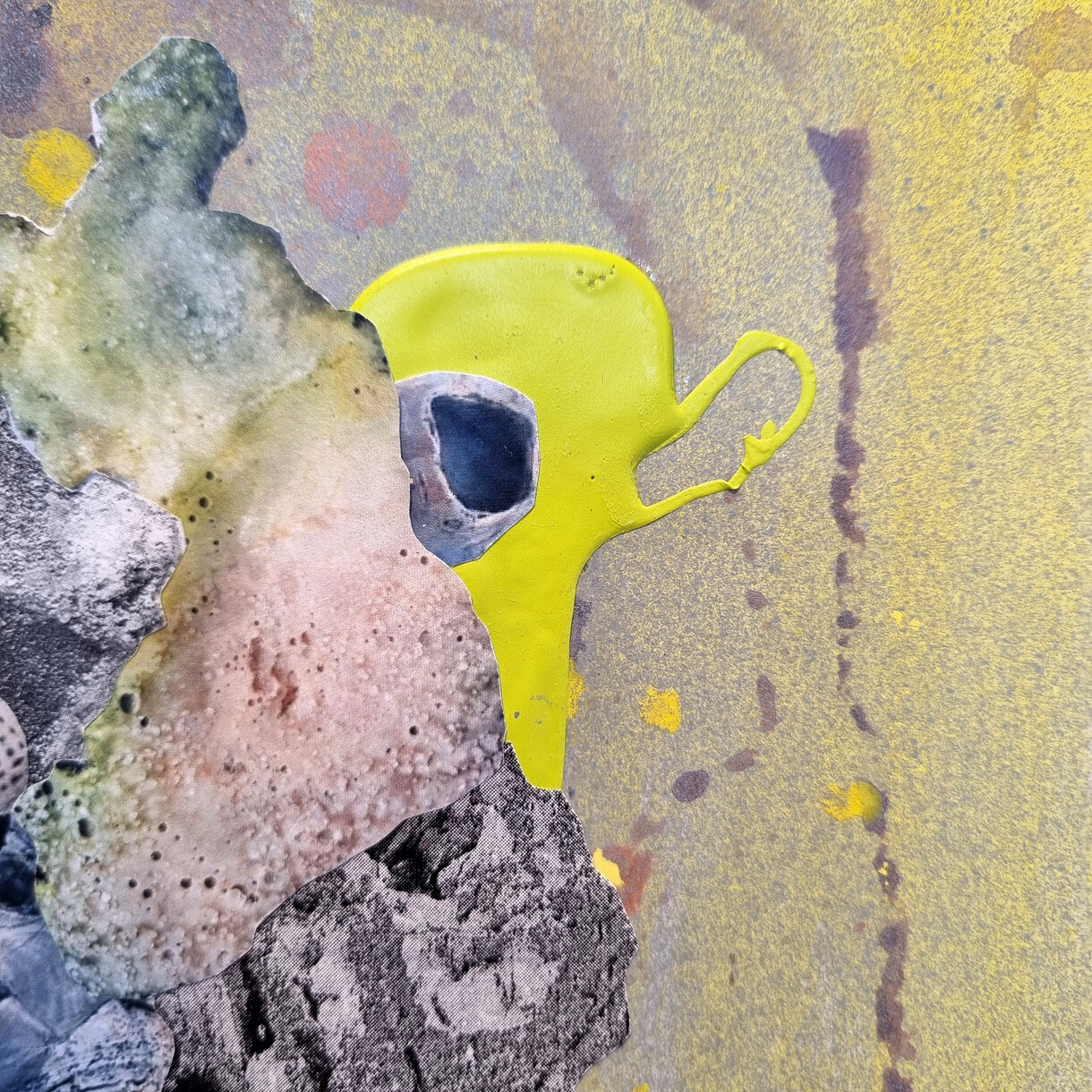
The delicate beauty of these works by Kāi Tahu artist Areta Wilkinson reveals a complex and difficult history of deceit and loss. This pendant is a map of part of Horomaka Banks Peninsula. Between 1844 and 1864, the government bought 34.5 million acres of land in Te Waipounamu South Island in ten separate purchases, three of which were from Horomaka: Whakaraupō Port Cooper (1849), Koukourarata Port Levy (1849) and Akaroa (1856). In order to convince Kāi Tahu to part with their land, the government’s representatives made threats and bribes promising infrastructure. They also agreed to set aside ten percent of all the land purchased for Kāi Tahu to use and live on. None of these promises were upheld, in breach of Te Tiriti o Waitangi. The small reserves of land that were put aside are marked by Wilkinson in gold. One of these, Ōpukutahi (Native Māori Reserve 885), is described in the accompanying audio recording of Kāi Tahu kaumātua George Waitai Tikao (1922–2019).

Kāi Tahu ~ tribal group of much of Te Waipounamu South Island

Te Tiriti o Waitangi ~ the Treaty of Waitangi

kaumātua ~ elder, person of status

He Kapuka Oneone – A Handful of Soil (from August 2024)

Collection
Arthur's Pass Ski Hut

Juliet Peter Arthur's Pass Ski Hut

This cosy, jam-packed view of a high country ski hut vividly captures a sense of alpine activity – from wooden skis and spiked leather boots to socks drying between tea towels and a trusty Thermos, ready on the table. Juliet Peter remembered Shurrock fondly, describing him as a “marvellous man” and her “best ever teacher”. She was studying painting rather than sculpture, but recalled spending a lot of her time in the modelling room where “instead of attempting to teach sculpture, [Shurrock] provided for his students by talking to them and broadening their minds – blowing their minds, that was the term”.

(Dear Shurrie: Francis Shurrock and his contemporaries, 8 March – 13 July 2025)

Load more