Kā Kaupapa o te Wā
What’s On
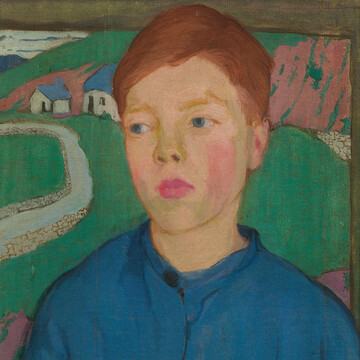
Edith Collier: Early New Zealand Modernist
A rare opportunity to view the work of one of Aotearoa New Zealand’s most adventurous and experimental modernist artists.
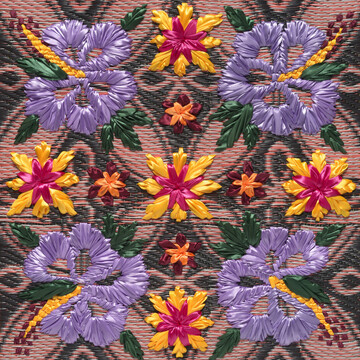
Made in the Pacific: A Collection of Tāoga
A selection of Pacific tāoga from the Canterbury Museum in conversation with contemporary artworks that highlight the continued strength in culture and traditional art forms.
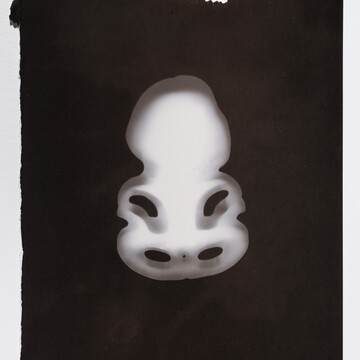
Mark Adams: A Survey | He Kohinga Whakaahua
A comprehensive survey spanning the artist's career.
E tuwhera ana te wharetoi i kā rā e 7 o te wiki, 10am - 5pm
Ka tuwhera ki te 9pm i kā pō Wenerei
Open 7 days, 10am - 5pm
Late night Wednesday until 9pm
Uruka utukore, ahokore utukore
Free entry, free wifi
Commentary
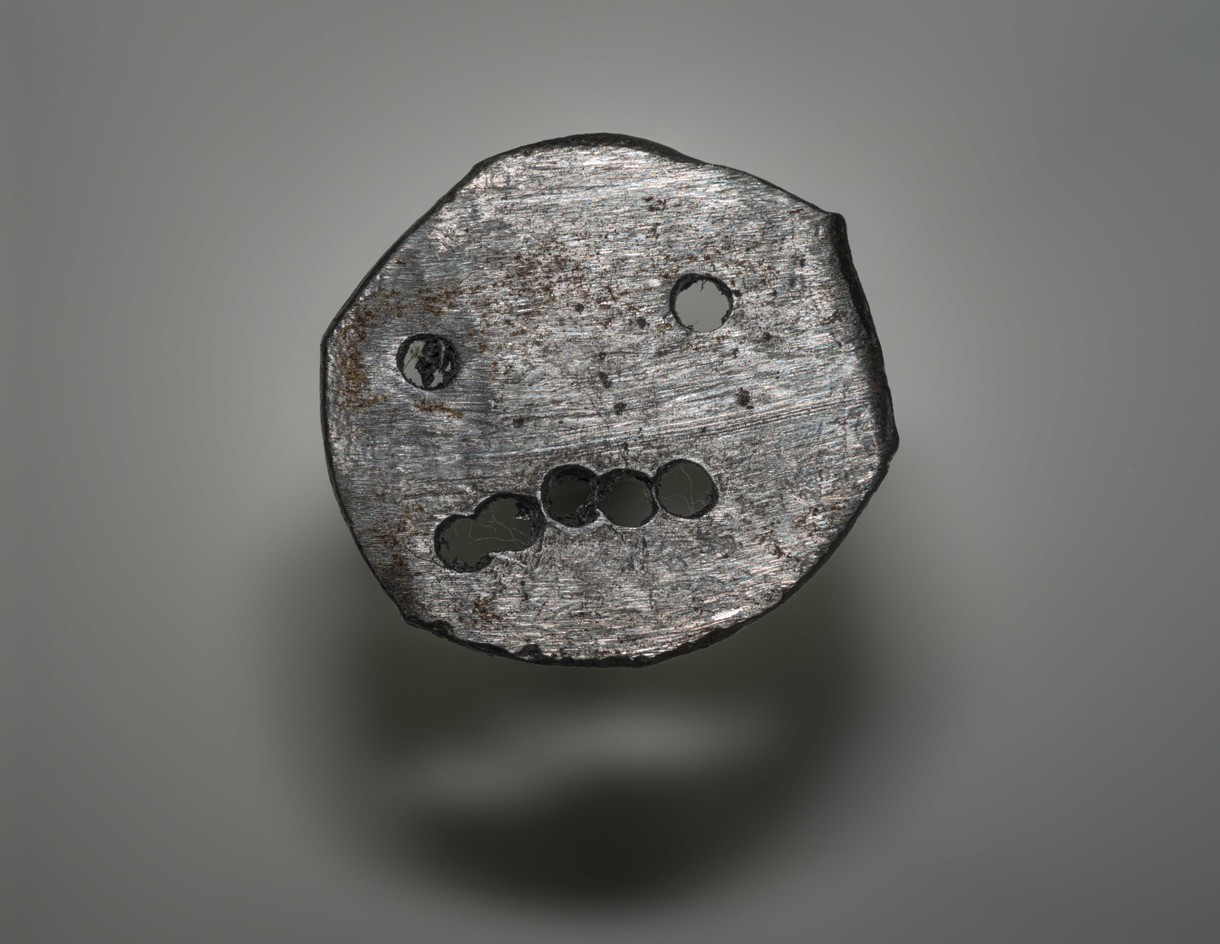
RE: UNCOMFORTABLE SILENCE
In a recent essay Zadie Smith wrote of language as a “verbal container” – like all containers it allows the emergence of some ideas while limiting the possibility of others. The words and terms we choose, or those which are offered to us, “behave as containers for our ideas, necessarily shaping and determining the form of what it is we think, or think we think.” She is discussing writing fiction, defending the right to, and value of, drifting into other imagined bodies and taking a good look around, regardless of their likeness to our own biographical specifics. It is an uncomfortable position to hold in a cultural climate where, Smith argues, “the old – and never especially helpful – adage write what you know has morphed into something more like a threat: Stay in your lane.”
Commentary
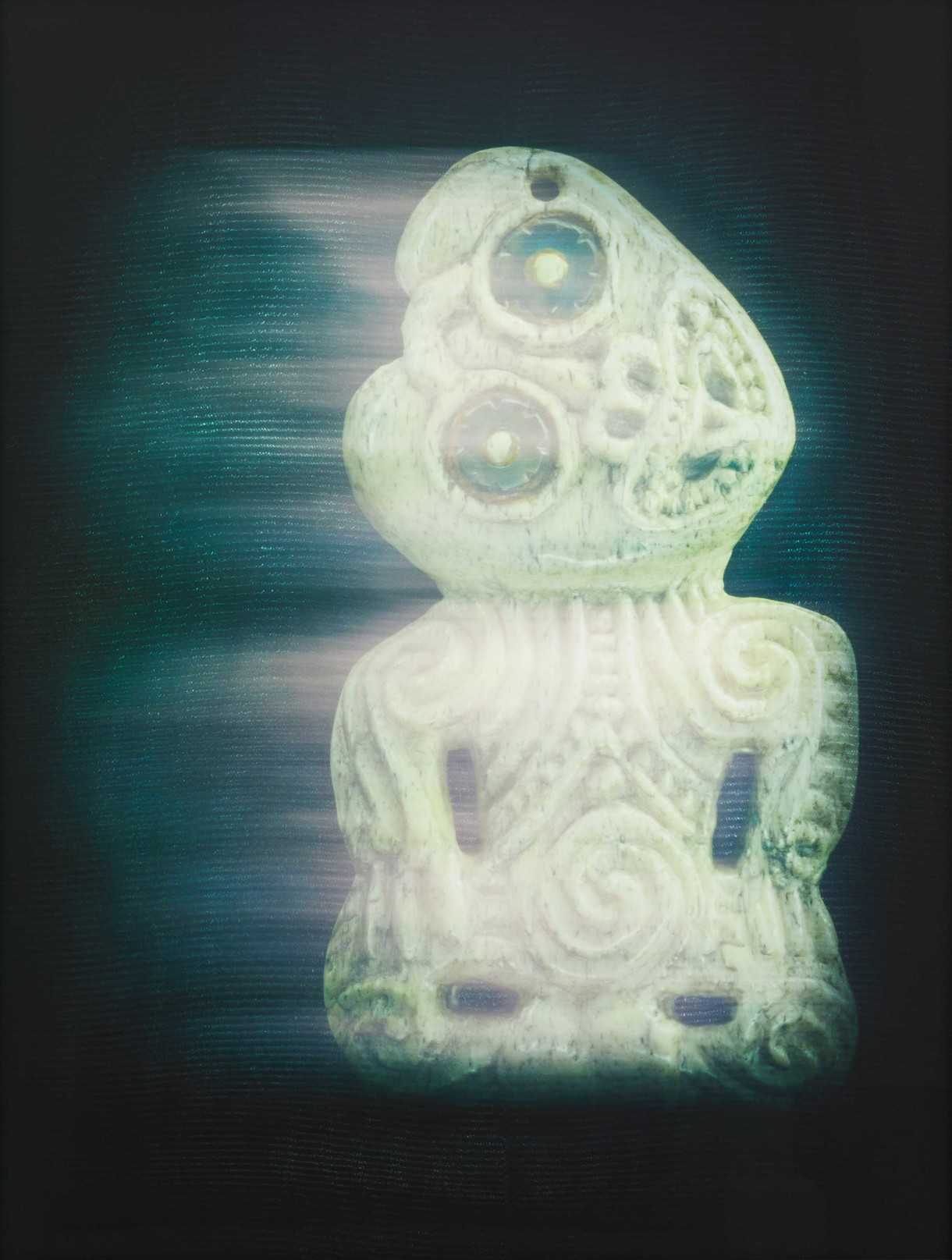
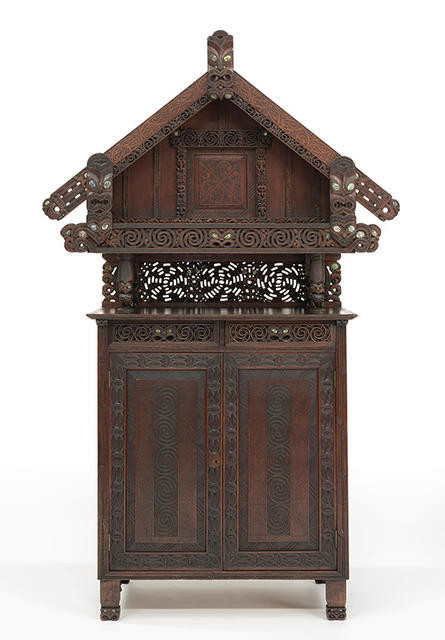
Wellcome to Māoriland
London’s Wellcome Collection was founded by Sir Henry Solomon Wellcome (1853–1936) in the year he died. An incredibly successful US-born, British pharmaceutical entrepreneur, Wellcome had a penchant for collecting medical and health-related artefacts, which formed the basis of the Collection. He didn’t restrict himself to the more obvious examples of early medical technology, however, but also collected in the area of folk remedies and indigenous cultural objects, which were largely acquired through London auction houses. Browsing the Wellcome Collection’s online catalogue, Aotearoa New Zealand photographer Fiona Pardington (Kāi Tahu, Kāti Mamoe, Ngāti Kahungunu, Clan Cameron) encountered what at first glance looked to be a number of heitiki; however, on closer inspection they did not seem quite right.
Artist Profile
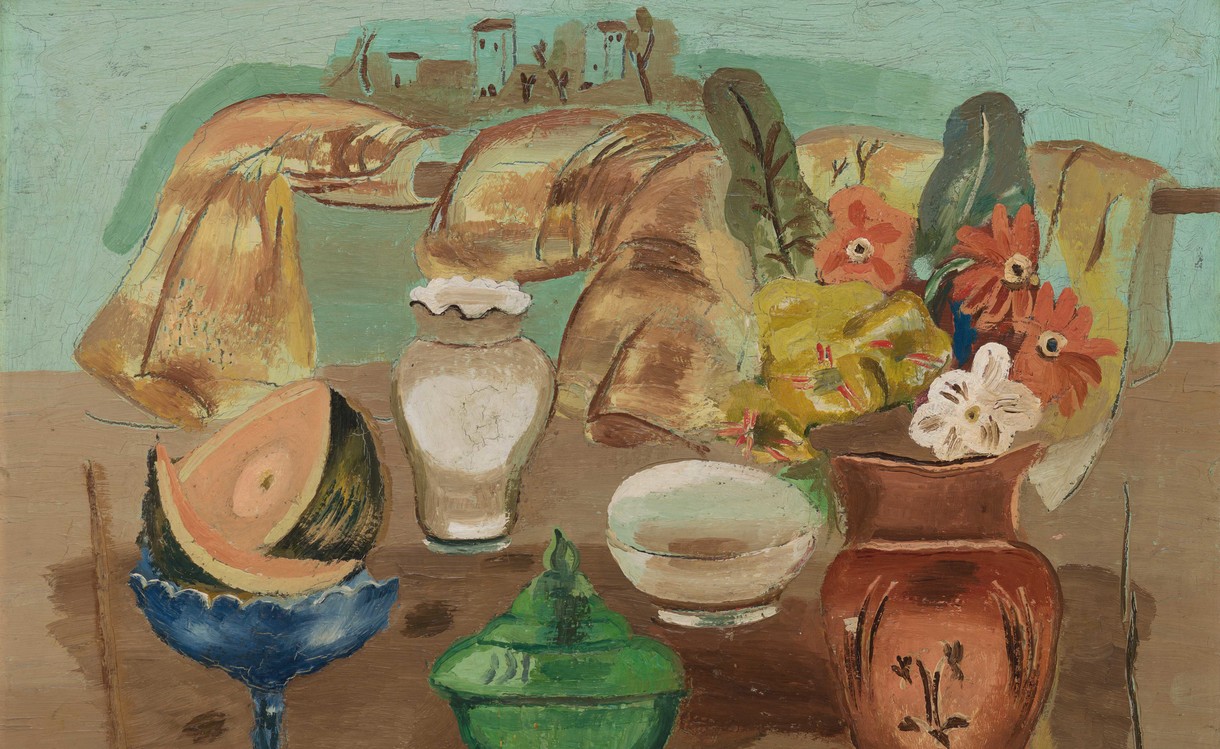
A Lifelong Affair
It may have been Rachel Hodgkins’ assertion during her daughters’ childhood in Dunedin that Isabel would be the painter in the family that drew out the stubborn streak in her younger daughter Frances. And indeed, as the fates were to prove, Isabel, once married, had to put aside her brushes for the most part to care for her family, while Frances, rather than making her way as a piano teacher as her mother had intended, chose a different course. Spurred on by her Italian tutor Girolamo Nerli’s descriptions of the bohemian life in Europe and the artistic revolution taking place in certain quarters, she set out for Europe, determined to prove her family’s assumptions wrong.
My Favourite
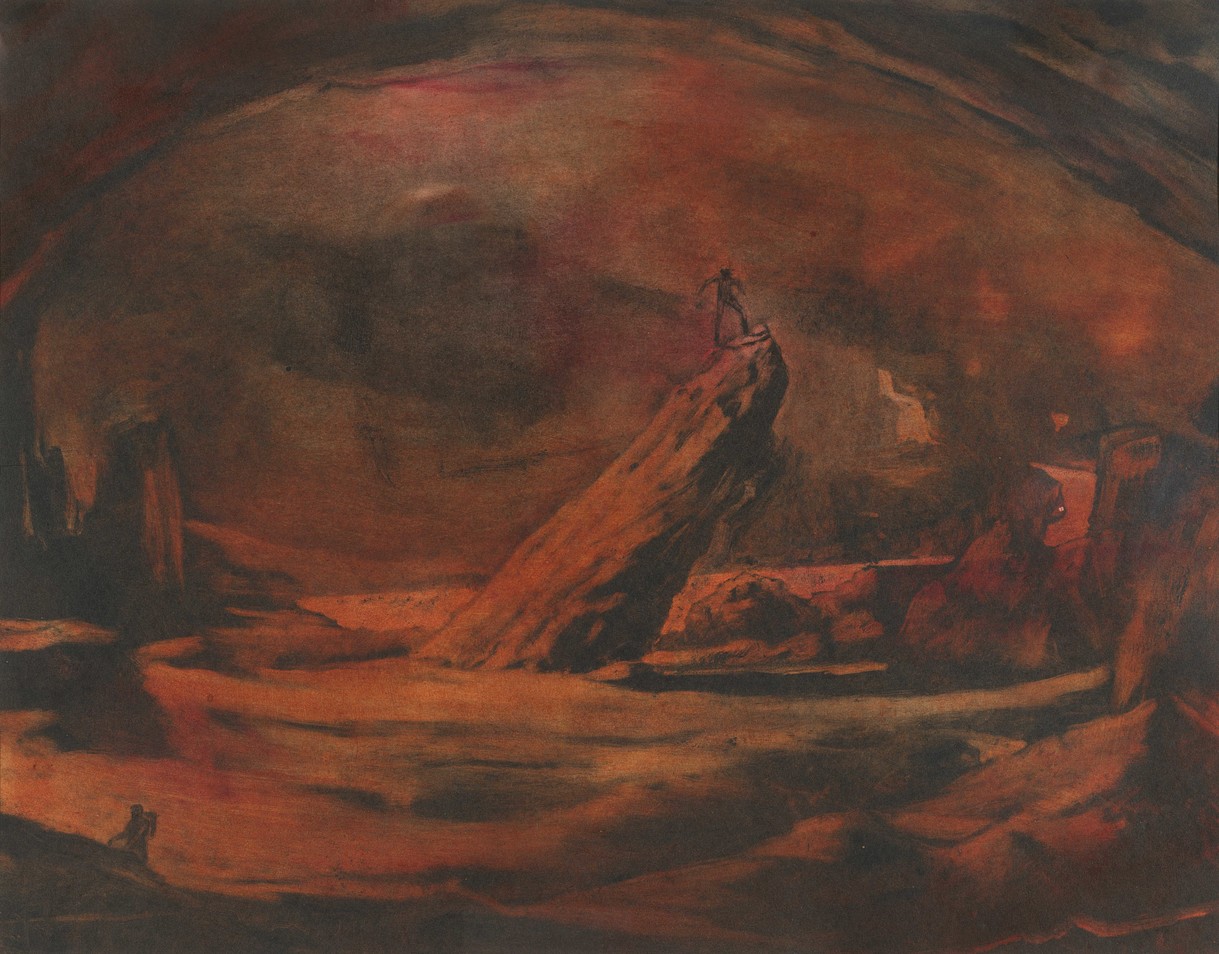
Jason Greig's Vulcan Paradise
I’ve had a quiet fascination with Jason Greig’s work ever since I was a Year 13 student hanging about Burnside High’s art block (which, granted, wasn’t that long ago). My then printmaking teacher, Nichola Shanley, is a good friend of Jason’s and managed to get him along to one of our classes.
Postcard From...
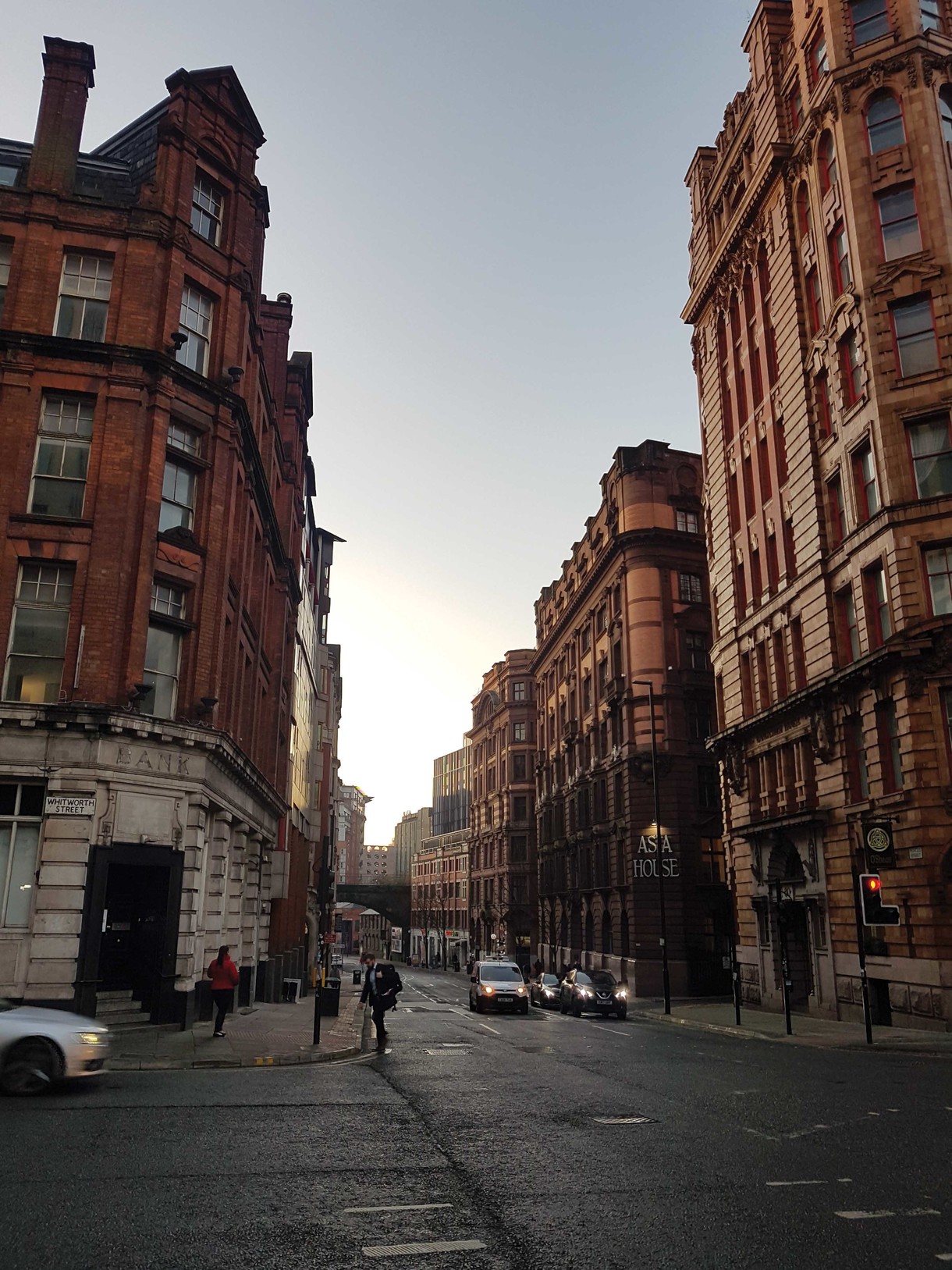
Postcard From...
We experience cities in a complex and multifaceted way. This layered experience of urban space was described succinctly by French theorist Michel de Certeau, who explained that when an individual takes a walk through a city the route taken is shaped not only by the layout and design of the city, and collective and hegemonic conceptions of how that space can or should be used, but also by personal memories, stories and dreams. He described cities as deeply personal spaces, experienced in myriad different ways, with each individual having a unique relationship with the same urban space.