Kā Kaupapa o te Wā
What’s On
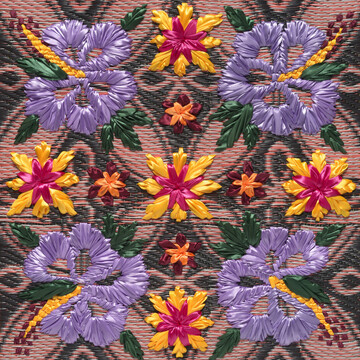
Made in the Pacific: A Collection of Tāoga
A selection of Pacific tāoga from the Canterbury Museum in conversation with contemporary artworks that highlight the continued strength in culture and traditional art forms.
Mark Adams: A Survey | He Kohinga Whakaahua
A comprehensive survey spanning the artist's career.
Ana Iti: Ngahere Behind a Pile of Metal
An immersive installation considering the legacies of deforestation and significance of kauri trees.
E tuwhera ana te wharetoi i kā rā e 7 o te wiki, 10am - 5pm
Ka tuwhera ki te 9pm i kā pō Wenerei
Open 7 days, 10am - 5pm
Late night Wednesday until 9pm
Uruka utukore, ahokore utukore
Free entry, free wifi
Collection
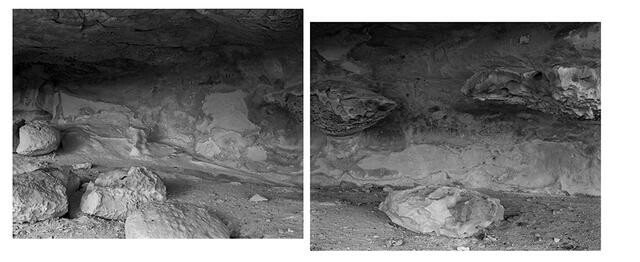
Nathan Pōhio, Mark Adams Maerewhenua Site. Waitaki River Valley, North Otago. Pora. ab. Diptych. 2016
There are 761 recorded Māori rock art sites in Te Waipounamu. In making these works, Ōtautahi Christchurch photographer Mark Adams visited the Maerewhenua and Takiroa sites in North Otago, with the support of his friend, artist Nathan Pōhio, who has whakapapa (ancestral connections) to this area. Within these deep limestone rock shelters are numerous drawings made from ngārehu (charcoal) and kōkōwai (red ochre), that are understood to predate European contact. At Maerewhenua, as seen in this diptych, one drawing shows the tall masts of European-style ships, a powerful marker of an early overlapping between two very different cultures. Maerewhenua and Takiroa come under the kaitiakitanga (guardianship/protection) of Te Rūnanga o Moeraki. Both sites are publicly accessible and follow the ara tawhito (traditional travel routes) Māori used for mahika kai (gathering of food and resources) in this area, including access to Te Tai o Poutini the West Coast.
(Perilous: Unheard Stories from the Collection, 6 August 2022- 21 July 2024)
Collection
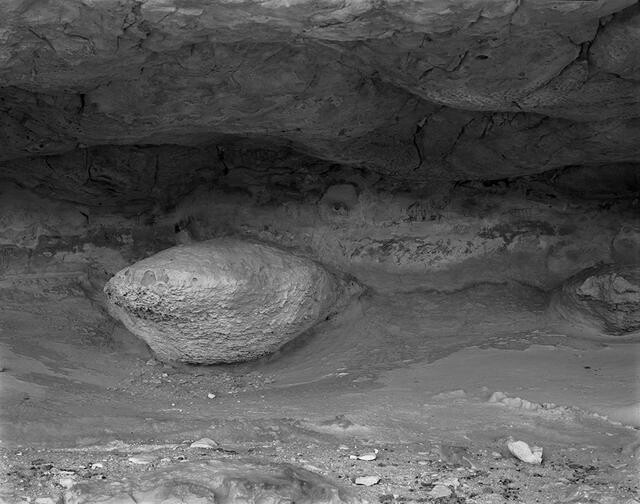
Mark Adams, Nathan Pōhio Maerewhenua Site. Waitaki River Valley, North Otago. Pora. 2016
There are 761 recorded Māori rock art sites in Te Waipounamu. In making these works, Ōtautahi Christchurch photographer Mark Adams visited the Maerewhenua and Takiroa sites in North Otago, with the support of his friend, artist Nathan Pōhio, who has whakapapa (ancestral connections) to this area. Within these deep limestone rock shelters are numerous drawings made from ngārehu (charcoal) and kōkōwai (red ochre), that are understood to predate European contact. At Maerewhenua, as seen in this diptych, one drawing shows the tall masts of European-style ships, a powerful marker of an early overlapping between two very different cultures. Maerewhenua and Takiroa come under the kaitiakitanga (guardianship/protection) of Te Rūnanga o Moeraki. Both sites are publicly accessible and follow the ara tawhito (traditional travel routes) Māori used for mahika kai (gathering of food and resources) in this area, including access to Te Tai o Poutini the West Coast.
(Perilous: Unheard Stories from the Collection, 6 August 2022- )
Notes
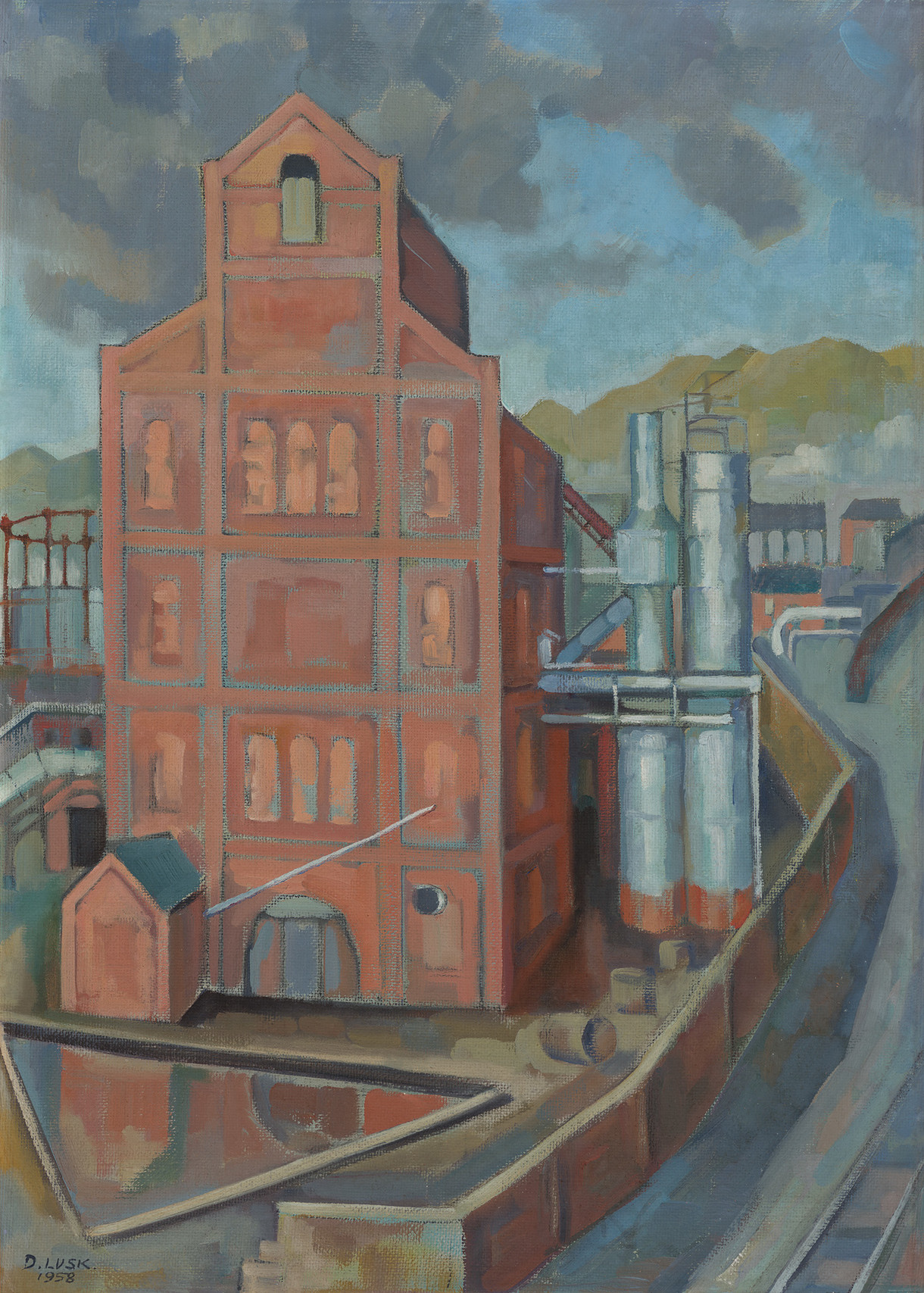
City Gasworks, Christchurch by Doris Lusk
If you grew up in Christchurch before the city’s gasworks was decommissioned in 1982, you'll almost certainly remember the grimy industrial building that dominated the scene next to the Waltham Street overbridge. It was maybe the most industrialised site in the city, where dirty columns of smoke bellowed out from chimney stacks signalling coal being fired to create gas for residents and businesses. It was a subject that captivated painter Doris Lusk. She had previously painted the Dunedin Gasworks in around 1935, and also turned her hand to painting many other industrialised sites – hydroelectric stations, Christchurch’s Pumphouse, sluice mines at St Bathans, the wharf at Onekaka, and numerous roads and railways slicing their way through the green countryside.
Notes
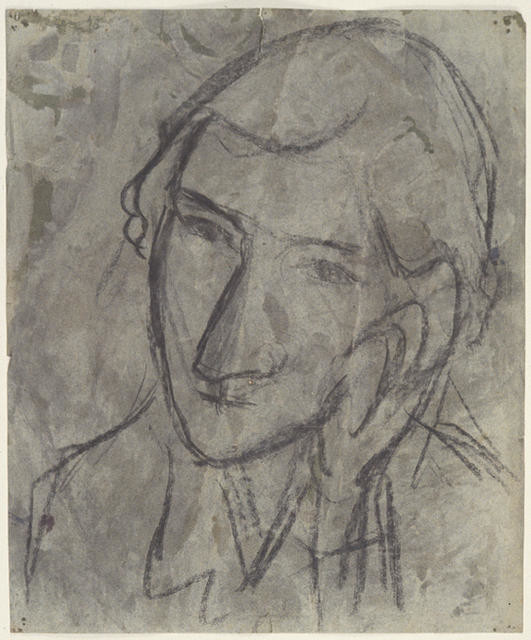
Prepare by Ursula Bethell
Lead curator Felicity Milburn reads the poem Prepare by Ursula Bethell
Notes
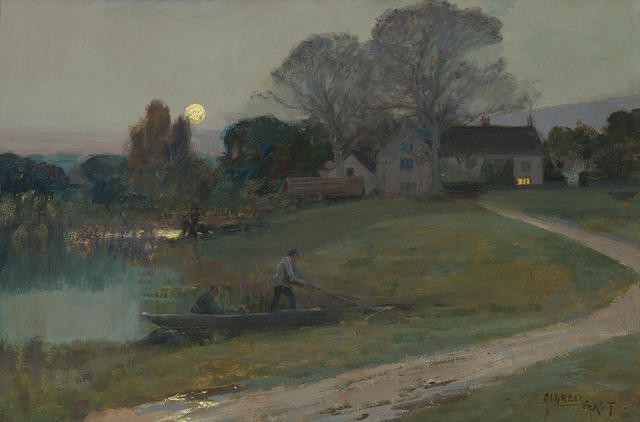
The Moon by Robert Louis Stevenson
Visitor Host Deborah Hyde reads The Moon by Robert Louis Stevenson. The painting by Sir Alfred East was, Deborah reports, the first painting she saw when she began working at the Gallery back in 2003. Stevenson is of course not a New Zealand poet but he did come here briefly in 1890. The exertions of a morning's shopping in Auckland apparently rendered him prostrate for the rest of his stay here.
We heard yesterday that isolation requirements will be very slightly eased next week. But for now and, in the future, scrupulous hand-washing remains important. Think of the moon while washing yours.
Notes
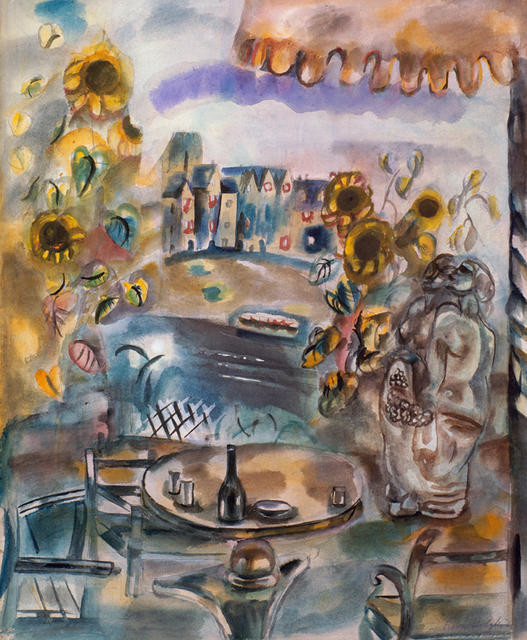
A Phoenix in the Fowl Run by A R D Fairburn
While our Frances Hodgkins exhibition remains closed, let's hear Mary Kisler, its curator, reading a poem about one of the works that is in it.
First published as an occasional piece in Parson's Packet, the magazine published by Wellington bookseller Roy Parsons, it passes a savage commentary on the rejection of Pleasure Garden. It appeared in Fairburn's Collected Poems with this dry observation:
The Art Gallery Committee of the Christchurch City Council rejected 'The Pleasure Garden', by Frances Hodgkins, on the advice of three experts. (It was later bought by public subscription and now hangs, without much civic honour, in the McDougall Gallery.)
Well it now hangs in our gallery with considerable honour but with the lights off and no visitors to see it. We long for this to change and continued hand-washing will hasten that happening.