Kā Kaupapa o te Wā
What’s On
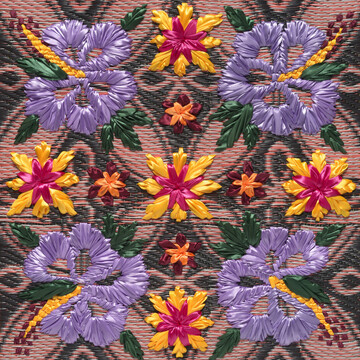
Made in the Pacific: A Collection of Tāoga
A selection of Pacific tāoga from the Canterbury Museum in conversation with contemporary artworks that highlight the continued strength in culture and traditional art forms.
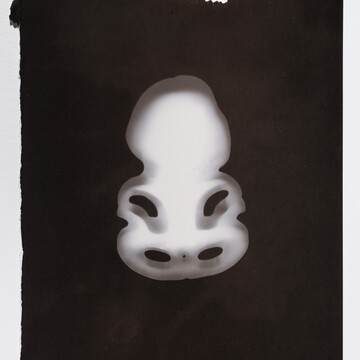
Mark Adams: A Survey | He Kohinga Whakaahua
A comprehensive survey spanning the artist's career.
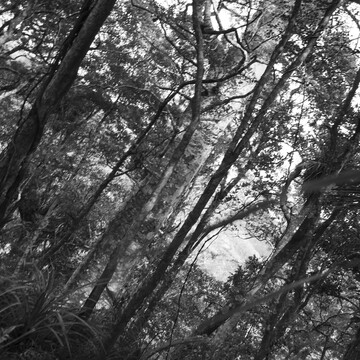
Ana Iti: Ngahere Behind a Pile of Metal
An immersive installation considering the legacies of deforestation and significance of kauri trees.
E tuwhera ana te wharetoi i kā rā e 7 o te wiki, 10am - 5pm
Ka tuwhera ki te 9pm i kā pō Wenerei
Open 7 days, 10am - 5pm
Late night Wednesday until 9pm
Uruka utukore, ahokore utukore
Free entry, free wifi
Collection
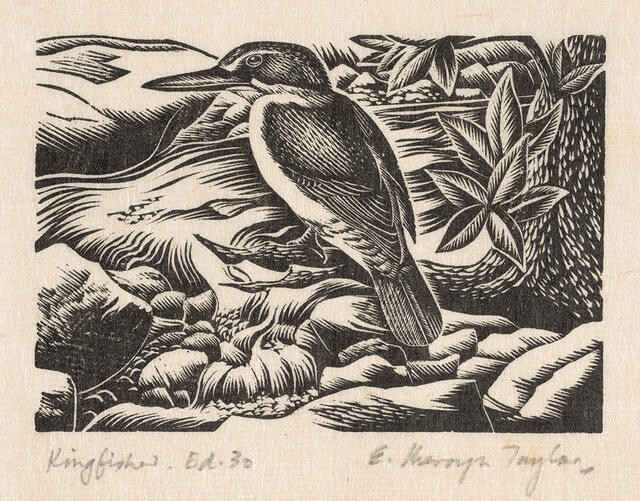
E. Mervyn Taylor Kingfisher
Aotearoa’s best-known and respected printmaker working during the twentieth century, Mervyn Taylor produced at least 239 wood-engravings over the course of his career, and many more linocuts as well. He initially worked as a jeweller, for which his training included engraving. Unlike his contemporaries who trained at art schools throughout the country and abroad, Mervyn was self-taught. His prints focused on subjects that were unique to Aotearoa at a time when a national identity was at the forefront of Pākehā art, including elements from Māori culture as well as landscapes and native flora and fauna. His wood-engravings remain popular and are highly sought after.
Ink on Paper: Aotearoa New Zealand Printmakers of the Modern Era, 11 February – 28 May 2023
Collection
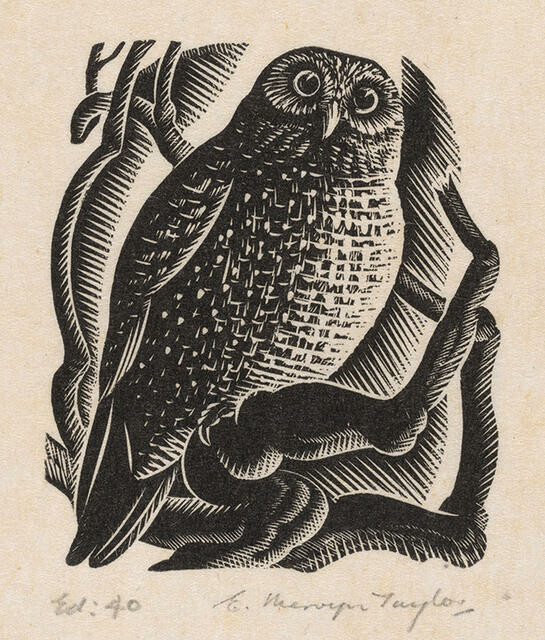
E. Mervyn Taylor Ruru (Morepork)
At dusk, and throughout the night, the quiet of the kahere is often pierced by the melancholic two-note call of the ruru. Also known as the morepork, this small, speckled owl can be found in forests throughout the mainland and offshore islands of Aotearoa New Zealand. With bright yellow eyes blazing from a dark mask, it is known in te ao Māori as a watchful guardian. In this exquisitely detailed woodcut by Mervyn Taylor, one of Aotearoa’s most highly regarded twentieth-century printmakers, the ruru meets our gaze from a high perch amongst tangled branches, the moonlight glinting across each feather of its speckled chest.
kahere ~ forest
te ao Māori ~ the Māori world
(He Kapuka Oneone – A Handful of Soil, 2025)
Collection
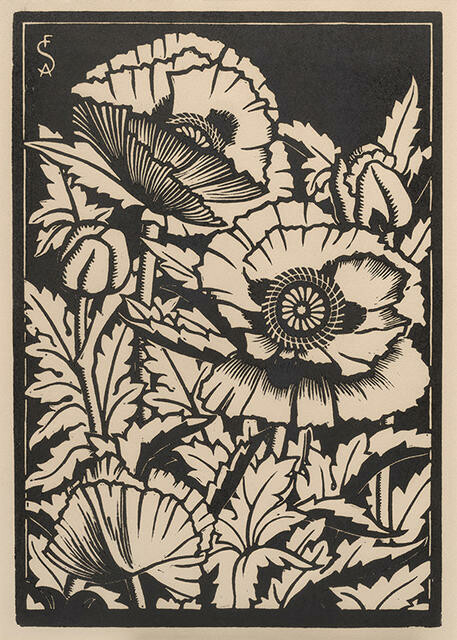
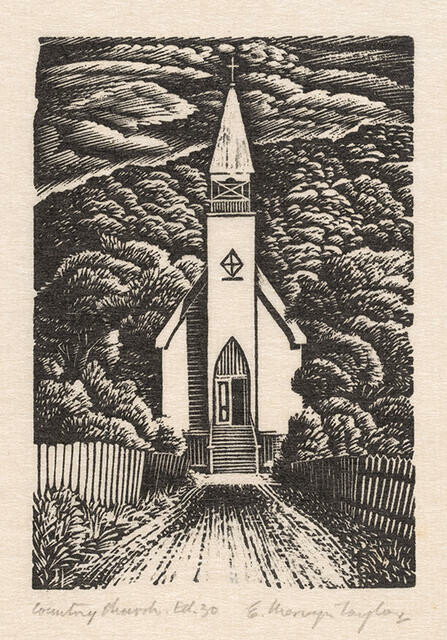
Francis A. Shurrock Poppies
Poppies, a symbol of sacrifice on the battlefield, is a poignant image that reflects Francis Shurrock’s own experiences serving on the Western Front during World War I, as well as those of his comrades and adversaries. Bringing his skills as a sculptor to carving the lino block was a natural fit for Francis, as the strong design of this print clearly shows.
Ink on Paper, 11 February – 28 May 2023
Collection
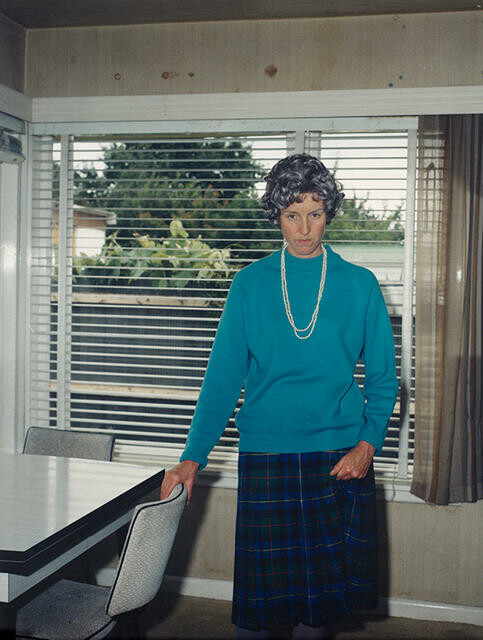
Margaret Dawson Interior with Venetians
Masquerading as women from 1980s Ōtautahi Christchurch, Margaret Dawson underlined the persistence of socially scripted roles – and their impact on the real women trying to exist within them. Interior with Venetians crackles with tension and constraint. In tightly curled wig and pearls, Dawson grips the back of a chair, eyes downcast, mouth pursed in a tight grimace. The world outside is strangely distant, sectioned off by the sharp lines of the blinds behind her.
(Dummies & Doppelgängers, 2 November 2024 – 23 March 2025)
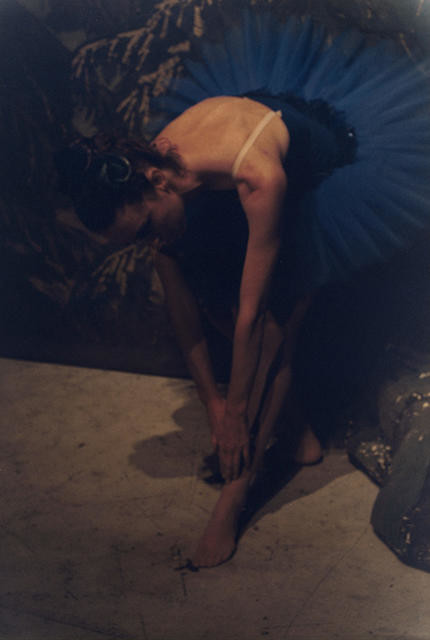
Collection
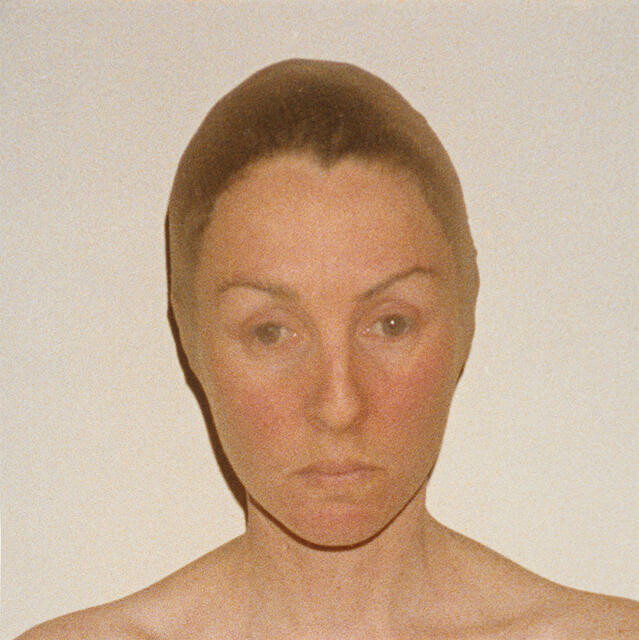
Margaret Dawson Nameless
Margaret Dawson has lived and worked in Christchurch since the late-1970s. Her work uses photography as a means to explore identity and gender roles through carefully constructed images of herself and others. Marching Girl and Interior with Venetians were both from the Dreams and Illusions series, in which the artist used her own body as a way to show the mutability of the self and representation. One moment, a woman in marching costume strides out of the photograph, and the next, she is an anxious figure shown in her domestic setting. Taking on these two personas implies that images we see of others are similarly fleeting and unreliable; that we can all be seen in many different lights and perspectives. Sword Lily (Gladiolus) further exposes the construction of the photograph, with the backdrop hung from the washing line in the backyard, as the figure performs a sword swallowing trick.
(Perilous: Unheard Stories from the Collection, 6 August 2022- )
Collection
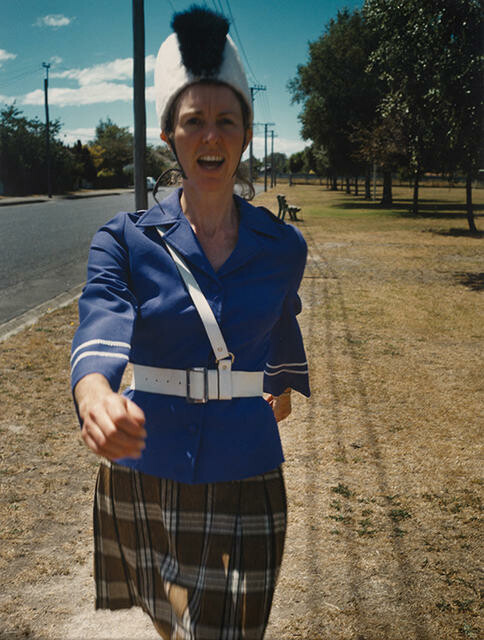
Margaret Dawson Marching Girl
Margaret Dawson has lived and worked in Christchurch since the late-1970s. Her work uses photography as a means to explore identity and gender roles through carefully constructed images of herself and others. Marching Girl and Interior with Venetians were both from the Dreams and Illusions series, in which the artist used her own body as a way to show the mutability of the self and representation. One moment, a woman in marching costume strides out of the photograph, and the next, she is an anxious figure shown in her domestic setting. Taking on these two personas implies that images we see of others are similarly fleeting and unreliable; that we can all be seen in many different lights and perspectives. Sword Lily (Gladiolus) further exposes the construction of the photograph, with the backdrop hung from the washing line in the backyard, as the figure performs a sword swallowing trick.
(Perilous: Unheard Stories from the Collection, 6 August 2022- )
Collection
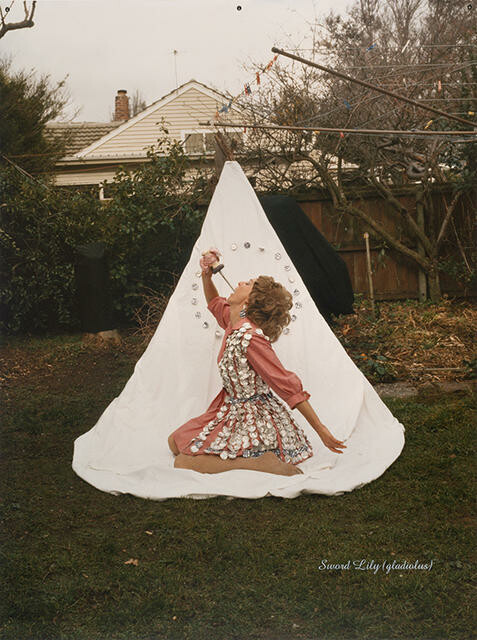
Margaret Dawson Sword Lily (Gladiolus)
Margaret Dawson has lived and worked in Christchurch since the late-1970s. Her work uses photography as a means to explore identity and gender roles through carefully constructed images of herself and others. Marching Girl and Interior with Venetians were both from the Dreams and Illusions series, in which the artist used her own body as a way to show the mutability of the self and representation. One moment, a woman in marching costume strides out of the photograph, and the next, she is an anxious figure shown in her domestic setting. Taking on these two personas implies that images we see of others are similarly fleeting and unreliable; that we can all be seen in many different lights and perspectives. Sword Lily (Gladiolus) further exposes the construction of the photograph, with the backdrop hung from the washing line in the backyard, as the figure performs a sword swallowing trick.
(Perilous: Unheard Stories from the Collection, 6 August 2022- )