Kā Kaupapa o te Wā
What’s On
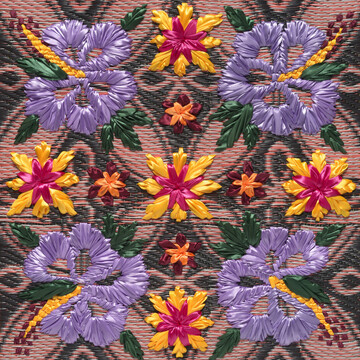
Made in the Pacific: A Collection of Tāoga
A selection of Pacific tāoga from the Canterbury Museum in conversation with contemporary artworks that highlight the continued strength in culture and traditional art forms.
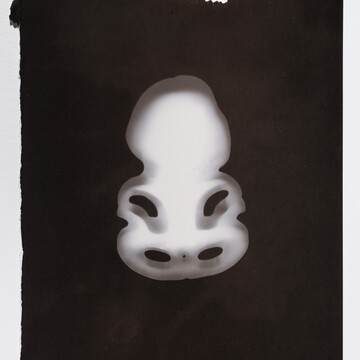
Mark Adams: A Survey | He Kohinga Whakaahua
A comprehensive survey spanning the artist's career.
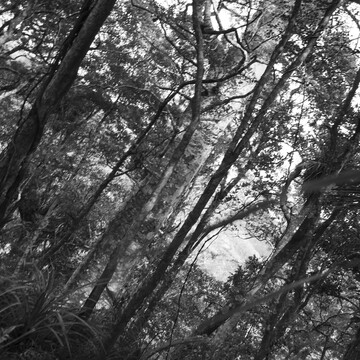
Ana Iti: Ngahere Behind a Pile of Metal
An immersive installation considering the legacies of deforestation and significance of kauri trees.
E tuwhera ana te wharetoi i kā rā e 7 o te wiki, 10am - 5pm
Ka tuwhera ki te 9pm i kā pō Wenerei
Open 7 days, 10am - 5pm
Late night Wednesday until 9pm
Uruka utukore, ahokore utukore
Free entry, free wifi
Collection
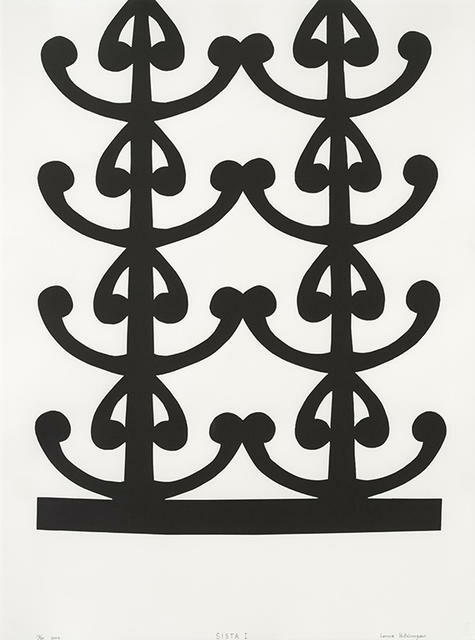
Lonnie Hutchinson Sista 1
The volcanic coastal landscape of Whakaraupō Lyttelton Harbour resonated with Lonnie Hutchinson when she was living and working in Ōhinehou Lyttelton during 2002 and 2003. Her studio at the time looked down the harbour to the peaks known as the Seven Sisters, rising majestically above Ōhinetahi Governors Bay and Allandale in the distance. It was a view that inspired her. “I feel passionately fortunate that I make art in such an environment. For me this is a spiritual journey of returning to the landscape of my tīpuna.” Hutchinson made a large seven-piece work ‘Sista7’ in response to her relationship with this landscape, following it up with a series of woodcuts including this one, Sista 1. Two koru forms, strikingly rendered in black on white, are bonded together, reaching up. They represent one of the peaks that rise up above Whakaraupō.
(He Kapuka Oneone – A Handful of Soil, 2025)

Collection
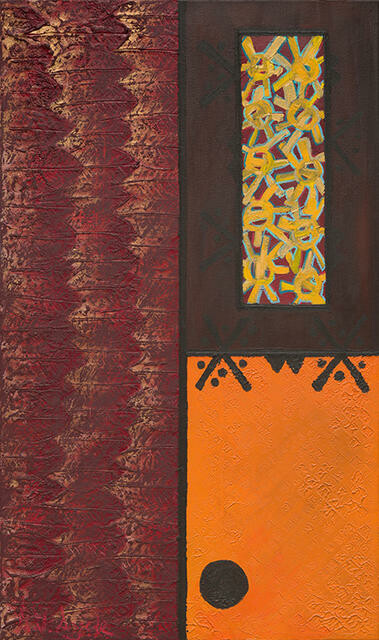
Jean Clarkson, Leanne Clayton Fan
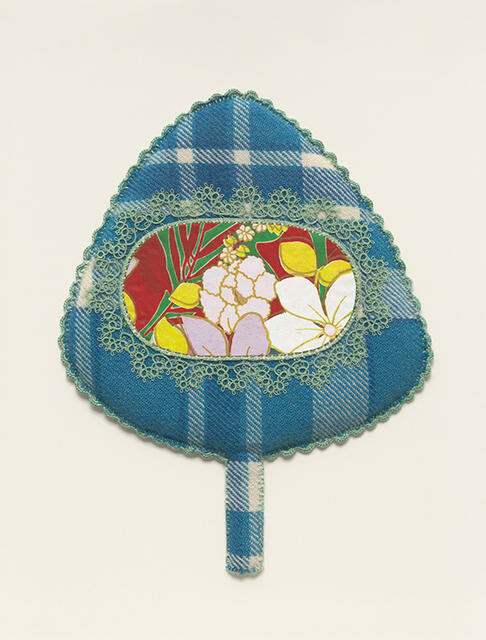
Combining references to the artist's Sāmoan and European heritage, the work takes the form of an ili, a Sāmoan hand fan traditionally woven from coconut or pandanus leaves. Here the tartan pattern of an Aotearoa New Zealand-made Onehunga blanket echoes the open fretwork of a woven fan. Ili are practical tools for cooling the face and body, and also have an important place in Sāmoan culture as a decorative item that is often a gift. Leanne Clayton has described this work as being about watching her father deal with police officers who were enforcing dawn raids on her relatives. The Dawn Raids were discriminatory immigration raids in Tāmaki Makarau Auckland during the 1970s, when New Zealand police were instructed by the government to enter homes and stop people on the street to ask for permits, visas and passports to prove their legal right to be in the country. They targeted Pacific Peoples while largely ignoring those of European descent. In 2021, a formal and unreserved apology was given by the New Zealand government to Pacific communities, expressing sorrow, regret, and remorse for the trauma, fear and hurt caused by the raids.