Kā Kaupapa o te Wā
What’s On
Made in the Pacific: A Collection of Tāoga
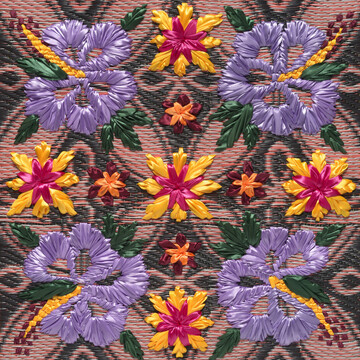
A selection of Pacific tāoga from the Canterbury Museum in conversation with contemporary artworks that highlight the continued strength in culture and traditional art forms.
Mark Adams: A Survey | He Kohinga Whakaahua
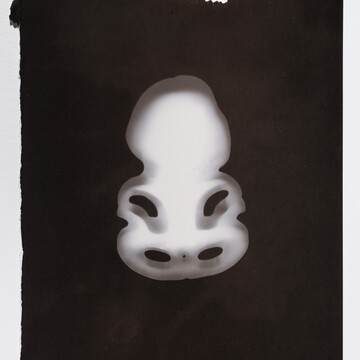
A comprehensive survey spanning the artist's career.
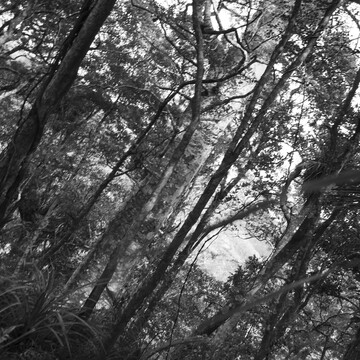
Ana Iti: Ngahere Behind a Pile of Metal
An immersive installation considering the legacies of deforestation and significance of kauri trees.
E tuwhera ana te wharetoi i kā rā e 7 o te wiki, 10am - 5pm
Ka tuwhera ki te 9pm i kā pō Wenerei
Open 7 days, 10am - 5pm
Late night Wednesday until 9pm
Uruka utukore, ahokore utukore
Free entry, free wifi
Collection
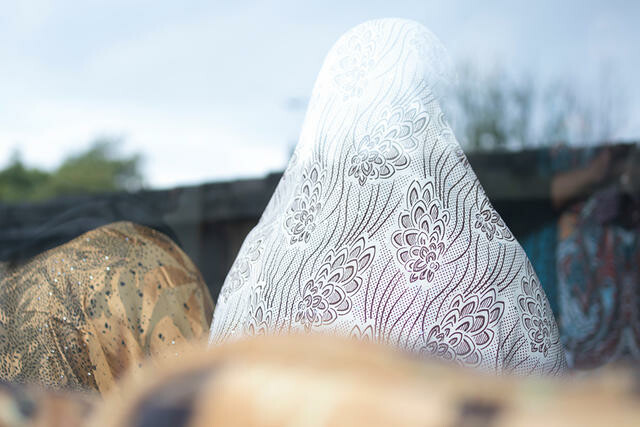
Janneth Gil Respect
On 15 March 2019, a gunman attacked the Al Noor Mosque (Masjid An-Nur) and Linwood Islamic Centre, killing fifty-one people and injuring forty. This was described as one of Aotearoa New Zealand’s darkest days. Since this time, Colombian-born artist Janneth Gil has been working with members of Ōtautahi Christchurch’s Muslim communities, who come from many different cultures and parts of the world, to develop projects that promote dialogue, respect and empathy.
These photographs are from the series Darkness into Light. They share intimate moments with some of the women whose lives were changed forever through this tragedy. We must recall the incident in viewing these works, but are also reminded of the solidarity and support shown locally and globally in response. With these works Janneth contributes to the groundswell of protest against racism in Aotearoa. In sharing their grief, we are encouraged to take action and address systemic problems as we strive for a more inclusive society.
These photographs were taken thanks to the help of many people and organisations: the team from the Widows of Shuhada documentary project, members from the Linwood Islamic Centre, Al Noor Mosque (Masjid An-Nur), Tim J. Veling and the affected families of the Shuhada (Martys), Ambreen Naeem, Angela Armstrong, Farah Talal, Dr Hamimah Tuyan, Muhubo Ali Jama, Sanjida Jaman Neha and Shafia Begum.
Collection
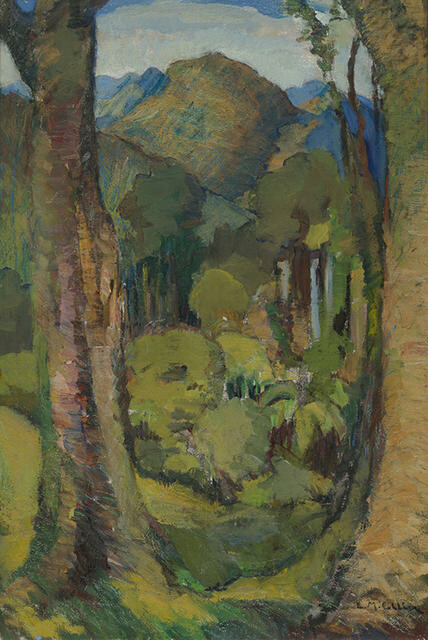
Edith Collier View Through Giant Trunks, Waitotara
One of Aotearoa New Zealand's earliest modernist painters, Edith Collier travelled to England in 1913, immersing herself in London’s progressive arts scene. Keen to stay, she reluctantly returned to Whanganui to take up domestic duties on the family farm. She continued to paint, though her family and the public regarded her works with suspicion and hostility. Collier exhibited with the Christchurch Group in the late 1920s and early 1930s, alongside artists such as Evelyn Polson (later Page), Dorothy Richmond and Viola MacMillan Brown. This immersive painting presents a view between the wide trunks of ancient trees, out across a dense tree-fern forest and up to the hills and sky beyond. Walking a skilful line between representation and abstraction, it reveals Collier’s astute understanding of colour and form.
(He Kapuka Oneone – A Handful of Soil, 2025)
Collection
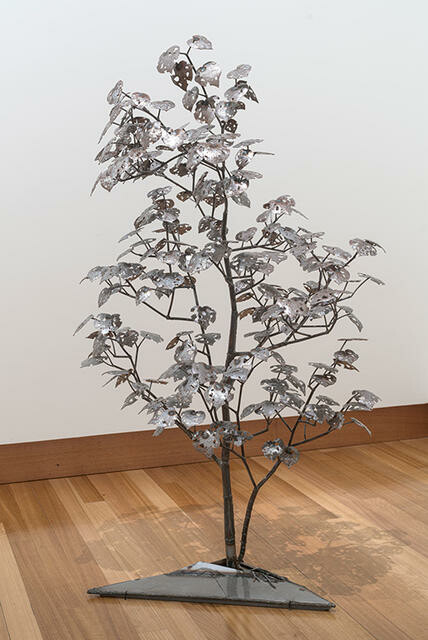
Shona Rapira-Davies Kawakawa Job 12: 7-8
This work by Shona Rapira Davies is a companion piece to her major installation Ko Te Kihikihi Taku Ingoa. It is a memorial to the children and people of Parihaka – a pacifist settlement that was invaded by colonial forces in 1881 in the wake of the Taranaki wars and confiscations of Māori land by the government. Here, Davies uses the kawakawa plant as a symbol for healing and remembrance. Kawakawa, with its distinctive heart-shaped, caterpillar-bitten leaves, has long been valued by Māori for its use in removing tapu, as a symbol of death and as rokoā. The title of the work references a verse in the Bible that encourages humans to learn from the whenua and the animals:
But ask the animals, and they will teach you,
or the birds in the sky, and they will tell you;
or speak to the earth, and it will teach you,
or let the fish in the sea inform you.
tapu ~ sacredness, or something that is prohibited, restricted
rokoā ~ remedy, medicine, medicinal plant
whenua ~ land
He Kapuka Oneone – A Handful of Soil (from August 2024)