Kā Kaupapa o te Wā
What’s On
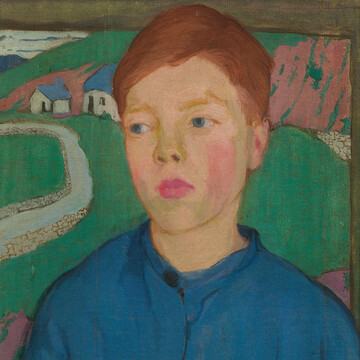
Edith Collier: Early New Zealand Modernist
A rare opportunity to view the work of one of Aotearoa New Zealand’s most adventurous and experimental modernist artists.
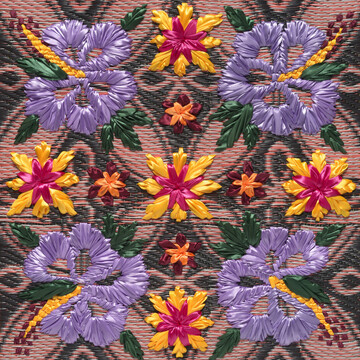
Made in the Pacific: A Collection of Tāoga
A selection of Pacific tāoga from the Canterbury Museum in conversation with contemporary artworks that highlight the continued strength in culture and traditional art forms.
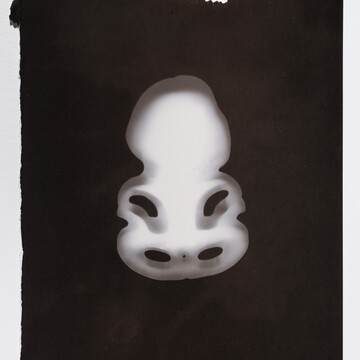
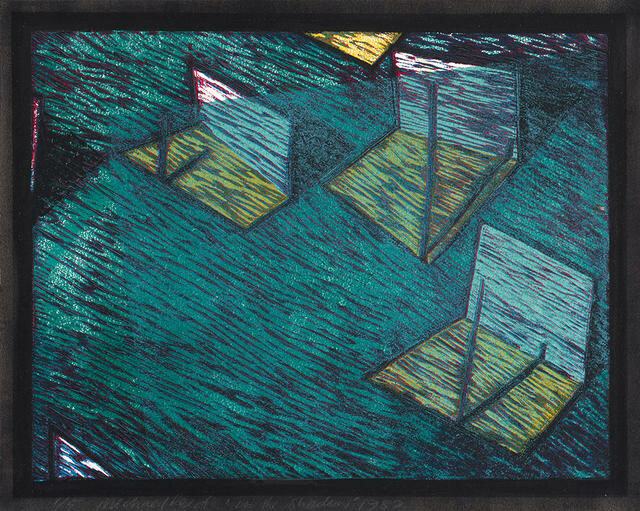
Mark Adams: A Survey | He Kohinga Whakaahua
A comprehensive survey spanning the artist's career.
E tuwhera ana te wharetoi i kā rā e 7 o te wiki, 10am - 5pm
Ka tuwhera ki te 9pm i kā pō Wenerei
Open 7 days, 10am - 5pm
Late night Wednesday until 9pm
Uruka utukore, ahokore utukore
Free entry, free wifi
Collection
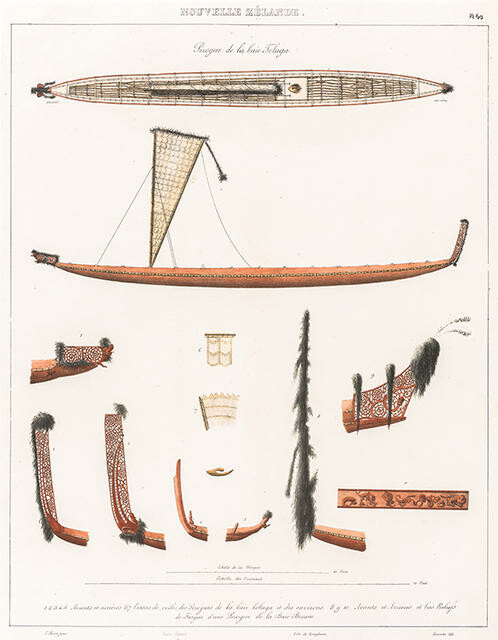
Pierre Langlumé, François-Edmond Pâris, Jean-Antoine Laurent Nouvelle Zélande. Pirogue de la baie Tolaga. Pl. 60
François-Edmond Pâris was a twenty-year-old naval ensign when he joined Dumont d’Urville’s Pacific survey of 1826–29. He became involved in a comprehensive study of the ships and boats of the peoples they encountered. “We are in the most complete ignorance of the watercraft of peoples and times whose clothing, weapons and the most common objects we know in detail”, he later commented, and with his project “sought to correct this oversight”.
Two prints relating to Pâris’s New Zealand observations appeared in d’Urville’s 1833 published account, presenting a range of impressive waka seen at Tasman Bay, Tolaga Bay and Bream Bay, the largest nearly seventeen metres long. He also documented a rich variety of tau ihu (canoe prows) with their ornately carved forms.
Pâris retired from the French navy as a vice-admiral in 1871, after which time he was put in charge of the Musée national de la Marine in Paris. (Kā Honoka, 18 December 2015 – 28 August 2016)
Collection
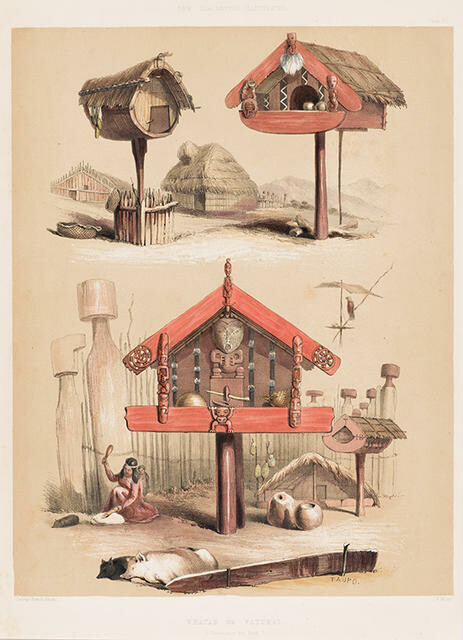
George French Angas Whatas or Patukas (Storehouses for Food)
George French Angas was an English traveller, artist, natural historian and ethnographer. In 1844, he spent four months exploring Te Ika-a-Māui (the North Island of Aotearoa New Zealand), also visiting Tōtara-nui (Queen Charlotte Sound) at the top of Te Waipounamu (the South Island). Although Angus represented Māori in a sentimental light, he believed in British superiority over indigenous cultures, which places his work within the canon of colonial representation of New Zealand. Pātaka (storehouses) and whata (elevated platforms) were predominantly used for storing food, seeds, tools and other valuables.
I [top left] This smaller pātaka is for housing seeds; a potato store sits behind. The location is a kāika (village) led by rangatira (chief) Te Pahe, in the Ahu Ahu area near New Plymouth. II [top right] The adornment of a structure within Māori custom reflects the status of the individual it was made for. This pātaka painted with red ochre and adorned with carving and feathers belonged to a rangatira from Te Rapa kāika on the shores of Lake Taupō. The mana of this rangatira was such that his food was tapu and needed to be stored separately. III [bottom, centre] The main pātaka in the composition belonged to Hepi Te Heuheu, the seventh paramount rangatira of Ngāti Tūwharetoa. IV [bottom, right] A pātaka of Te Rangihaeata, a rangatira of Ngāti Toa and nephew of Te Rauparaha. V [bottom, left] A woman beats flax with a stone pestle, an early part of the process of preparing flax for weaving. Note the palisade behind her. VI [centre, right] Kākā were popular domestic pets. They could be trained to talk (although not as well as the tūī) and were also used to attract other birds for easy hunting.
(Our Collection: 19th and 20th Century New Zealand Art, 2018)
Collection
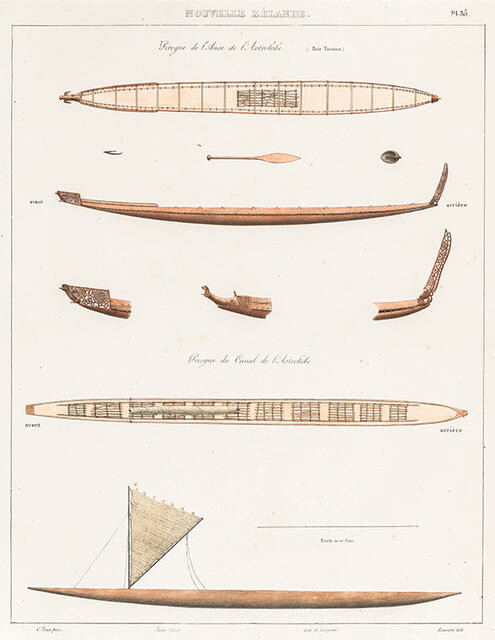
François-Edmond Pâris, Pierre Langlumé, Jean-Antoine Laurent, Joseph Tastu Nouvelle Zélande. Pirogue de L'Anse de l'Astrolabe. (Baie Tasman.), Pirogue du Canal de l'Astrolabe. Pl. 35
Aged just twenty when he joined Dumont d’Urville’s 1826–29 Pacific survey, François-Edmond Pâris created a comprehensive visual record of ships and boats encountered. In 1827 he recorded vessels he saw at Ūawa Tolaga Bay and Paepae-o-Tū Bream Bay, and Te Tai-o-Aorere Tasman Bay and Tāmaki Strait, Auckland.
(Out of Time, 23 September 2023 – 28 April 2024)
Collection
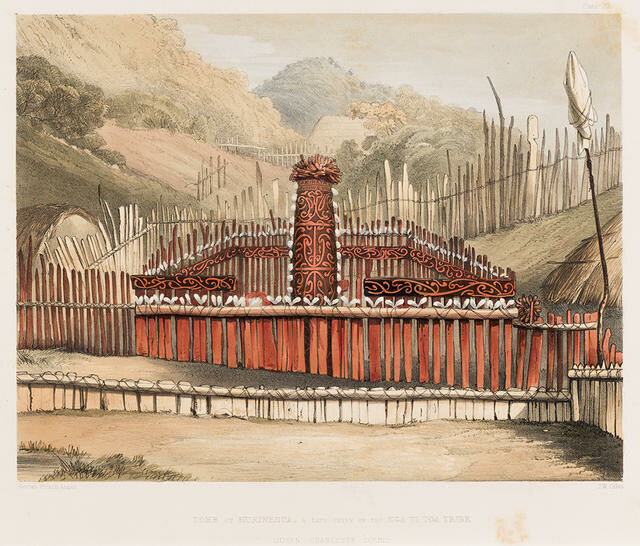
George French Angas Tomb of Huriwenua, a Late Chief of the Nga Ti Toa Tribe, Queen Charlotte Sound
“My visit to this spot, for the purpose of making the drawing of the tomb … was made from the water by stealth, and was attended with some difficulty and danger,” George French Angas later recalled about sketching here in 1844. Huriwhenua was a rangatira (chief) of Ngāti Rāhiri, Te Atiawa (allied to Ngāti Toa) and had been a signatory of the Treaty of Waitangi in this location four years earlier.
(Out of Time, 23 September 2023 – 28 April 2024)
Collection
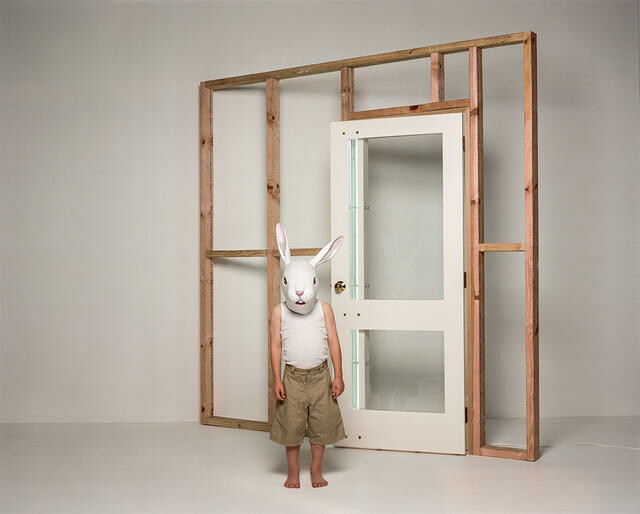
Paul Johns A Perfect Childhood
The past is the subject of this photograph by Paul Johns – as it is the subject of all photographs. A photograph exists in the present, but what is photographed is immediately and always the past. Rather than reconstruct a specific memory, Johns’s photograph alludes to the construction of memory itself – partial, hallucinatory, inconclusive and often pieced together afterwards from photographs. The rabbit’s head somehow suggests the fevered vision of a dream, or perhaps the White Rabbit from Lewis Carroll’s Alice’s Adventures in Wonderland – always late and anxiously running to catch up.
(Now, Then, Next: Time and the Contemporary, 15 June 2019 – 8 March 2020)
Collection
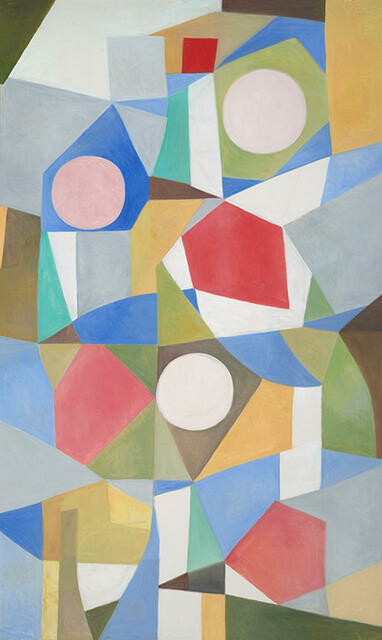
Louise Henderson November
Paris-born Louise Henderson moved to Aotearoa New Zealand in 1925 and was in her mid-eighties when she took up one of the boldest painting projects of her long career: a series of twelve large cubist-inspired canvases tracking the months of the year. In employing the soft colours of late spring, November conveys a certain sense of lightness and serenity. Painted at a scale that feels architectural and with a vigorous structural arrangement, it can be seen as an expression of the artist’s pleasure in the visual language of modernism.
(Perilous: Unheard Stories from the Collection, 6 August 2022- )
Collection
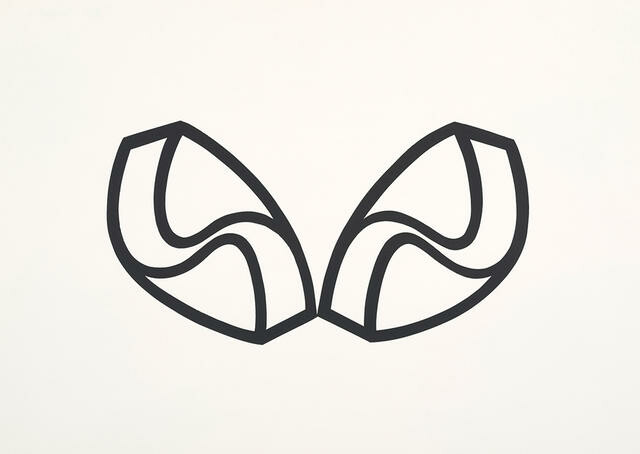
Ross Ritchie Bud
Created for the series of 20/20 Vision exhibitions, organized by John Coley and Tom Taylor, held in Christchurch between 1964 and 1968.