Kā Kaupapa o te Wā
What’s On
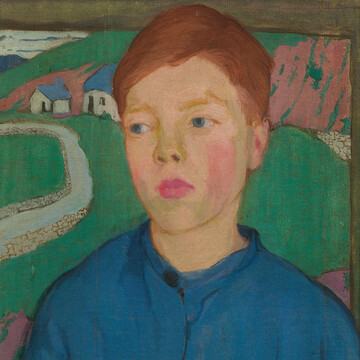
Edith Collier: Early New Zealand Modernist
A rare opportunity to view the work of one of Aotearoa New Zealand’s most adventurous and experimental modernist artists.
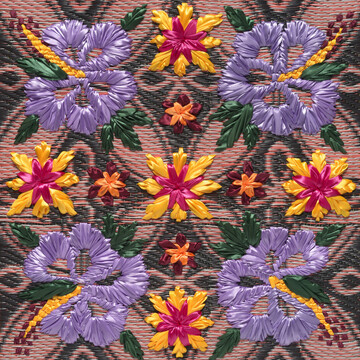
Made in the Pacific: A Collection of Tāoga
A selection of Pacific tāoga from the Canterbury Museum in conversation with contemporary artworks that highlight the continued strength in culture and traditional art forms.
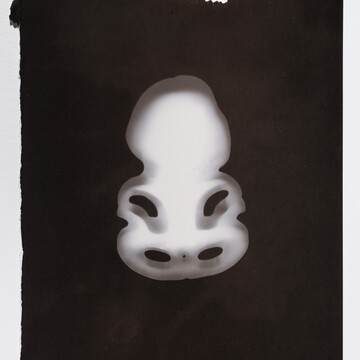
Mark Adams: A Survey | He Kohinga Whakaahua
A comprehensive survey spanning the artist's career.
E tuwhera ana te wharetoi i kā rā e 7 o te wiki, 10am - 5pm
Ka tuwhera ki te 9pm i kā pō Wenerei
Open 7 days, 10am - 5pm
Late night Wednesday until 9pm
Uruka utukore, ahokore utukore
Free entry, free wifi

Collection
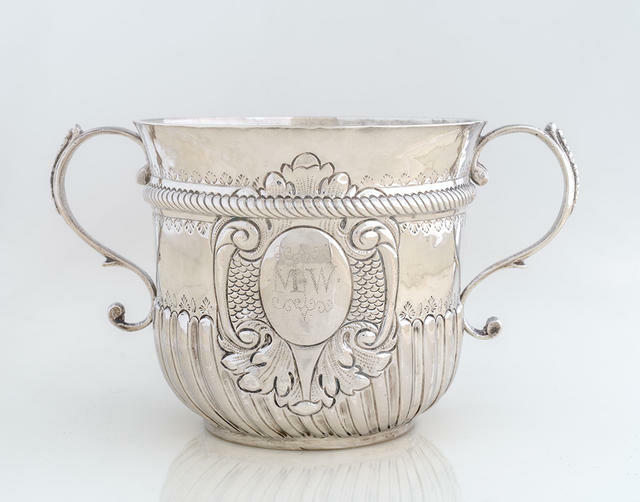
Nathaniel Locke Porringer
Nathaniel Locke was a renowned English silversmith, active in London in the late 1600s and early 1700s. Bearing his LO signature and the Britannia symbol, this vessel is marked as highest quality silver, and was probably a child’s christening gift. A porringer was a bowl commonly used for serving soup, stews or porridge.
(Out of Time, 23 September 2023 – 28 April 2024)
Collection
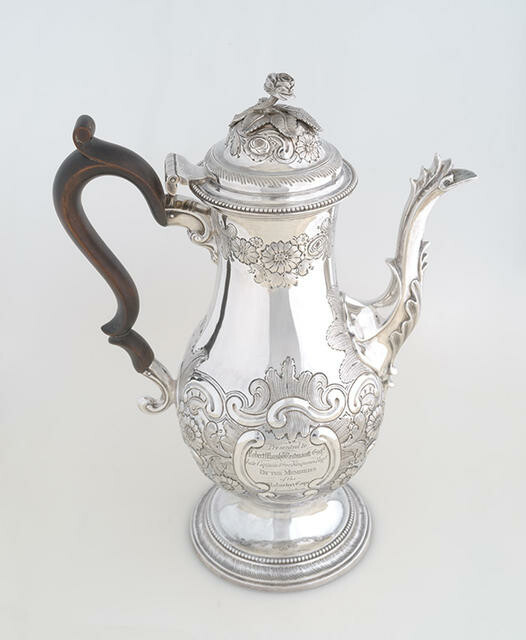
Hester Bateman Coffee Pot
Born into a poor family in London and without a formal education, Hester Bateman (née Needham) became one of England’s most successful silversmiths in the late eighteenth century. Hester married silversmith John Bateman in about 1730 and inherited his workshop after his death in 1760, thereafter running her own family business for three decades.
(Out of Time, 23 September 2023 – 28 April 2024)
Collection
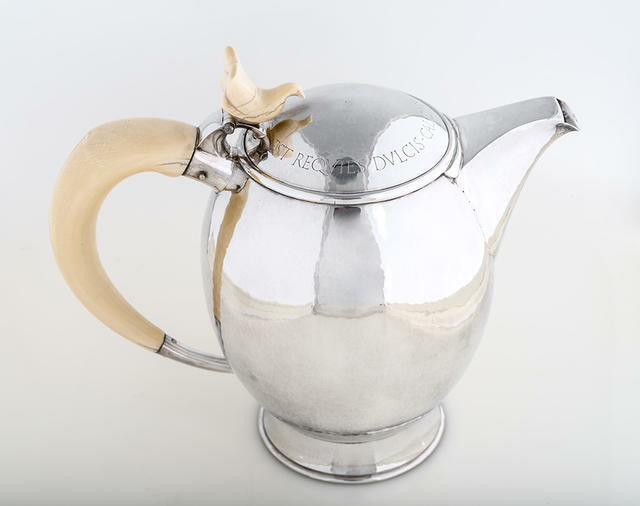
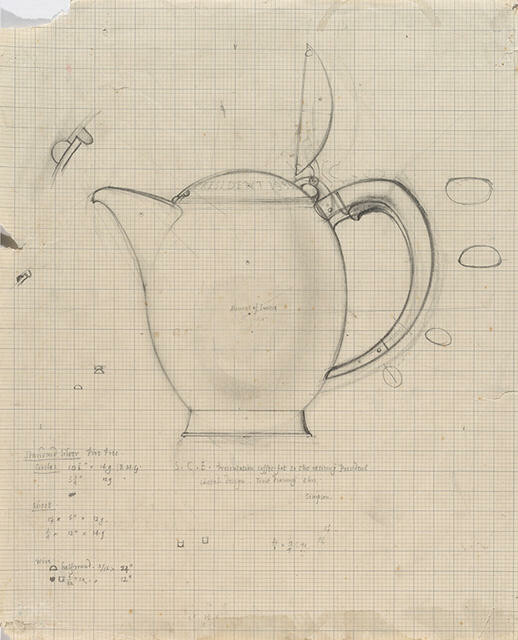
John Simpson Coffee Pot
John Simpson was already a leading young British silversmith and industrial designer when he was invited in 1950 to make a teapot for the Festival of Britain, to be held in London the following year. Knowing “it was going to be seen by literally hundreds of thousands of visitors,” he later explained, “I engraved my name on top of the teapot. Free advertising!” His equally superb coffee pot, which bears a Latin inscription that translates roughly as ‘After a day’s exertion, it’s sweet to sit in front of the hearth, enjoying the warmth of the fire’, was made in 1951 – the year he completed his Art Teachers’ Diploma. It later went on temporary display at London’s Victoria and Albert Museum.
Both pots were regularly used and enjoyed in the Simpson family’s homes in England and New Zealand, for some sixty-six years. John Simpson was senior lecturer in design at the University of Canterbury from 1958 to 1961, and head of school and foundation professor fine arts from 1961 to 1990. He was made an ONZM in 2021.
(The Moon and the Manor House, 12 November 2021 – 1 May 2022)
Collection
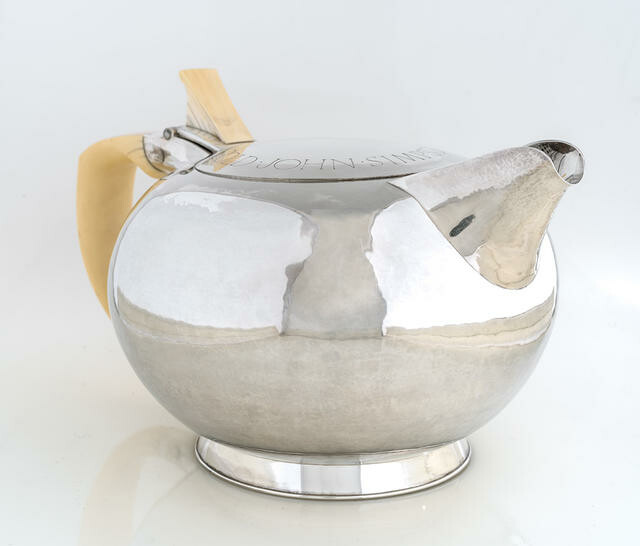
John Simpson Teapot
John Simpson was already a leading young British silversmith and industrial designer when he was invited in 1950 to make a teapot for the Festival of Britain, to be held in London the following year. Knowing “it was going to be seen by literally hundreds of thousands of visitors,” he later explained, “I engraved my name on top of the teapot. Free advertising!” His equally superb coffee pot, which bears a Latin inscription that translates roughly as ‘After a day’s exertion, it’s sweet to sit in front of the hearth, enjoying the warmth of the fire’, was made in 1951 – the year he completed his Art Teachers’ Diploma. It later went on temporary display at London’s Victoria and Albert Museum.
Both pots were regularly used and enjoyed in the Simpson family’s homes in England and New Zealand, for some sixty-six years. John Simpson was senior lecturer in design at the University of Canterbury from 1958 to 1961, and head of school and foundation professor fine arts from 1961 to 1990. He was made an ONZM in 2021.
(The Moon and the Manor House, 12 November 2021 – 1 May 2022)
Collection
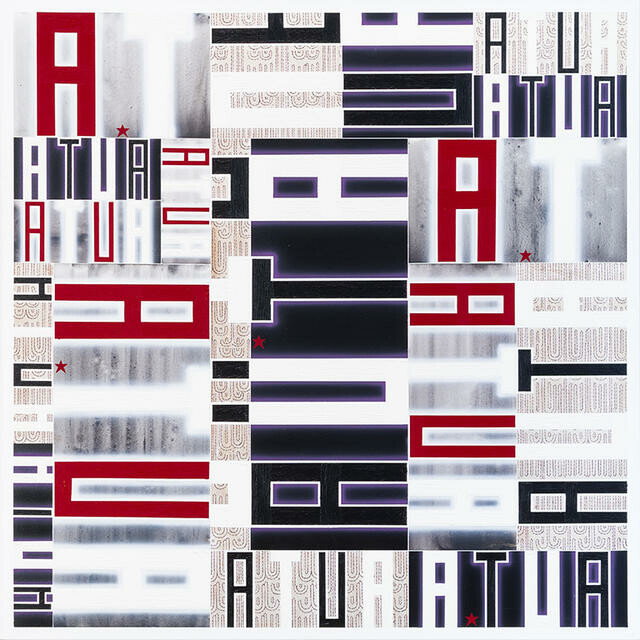
Darryn George Atua (Psalm 130)
Darryn George is part of the generation of young urban Māori artists that came to prominence during the 1990s and sought to bring a Māori world view into their art by way of making themselves available to wānanga (meet to consider and discuss) and hui (gatherings). It was during an intimate conversation with kaumātua (elder) Hone Te Mau at Whāngārā Marae that George was introduced to the ways he might engage with the art he saw within the wharenui (meeting house) as a Christian artist. “It gave me the freedom to go back into that meeting house and start to see things that I could pull into my own work as a gift from the ancestors ”Te reo Māori is a highly complex language and words can have many different meanings depending on context. Atua is a noun meaning God, and also ancestor with continuing influence. This painting, Atua (Psalm 130), expands upon George’s experience at Whāngārā Marae; George uses hard-edged forms, colours and text to explore cultural and spiritual values that are Māori and deeply personal.
(Te Wheke: Pathways Across Oceania, 2021)