Kā Kaupapa o te Wā
What’s On
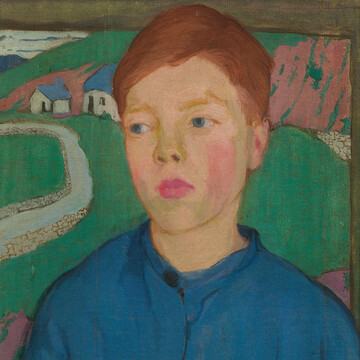
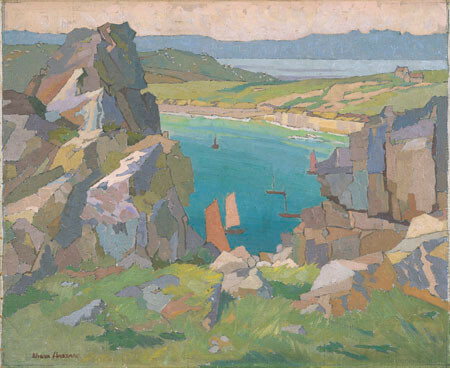
Edith Collier: Early New Zealand Modernist
A rare opportunity to view the work of one of Aotearoa New Zealand’s most adventurous and experimental modernist artists.
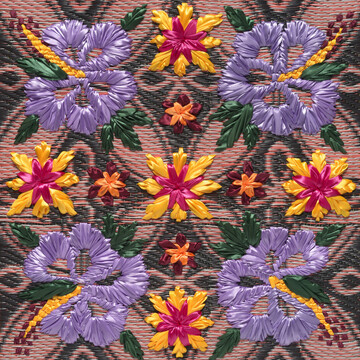
Made in the Pacific: A Collection of Tāoga
A selection of Pacific tāoga from the Canterbury Museum in conversation with contemporary artworks that highlight the continued strength in culture and traditional art forms.
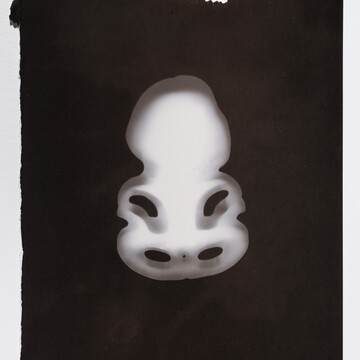
Mark Adams: A Survey | He Kohinga Whakaahua
A comprehensive survey spanning the artist's career.
E tuwhera ana te wharetoi i kā rā e 7 o te wiki, 10am - 5pm
Ka tuwhera ki te 9pm i kā pō Wenerei
Open 7 days, 10am - 5pm
Late night Wednesday until 9pm
Uruka utukore, ahokore utukore
Free entry, free wifi
Exhibition
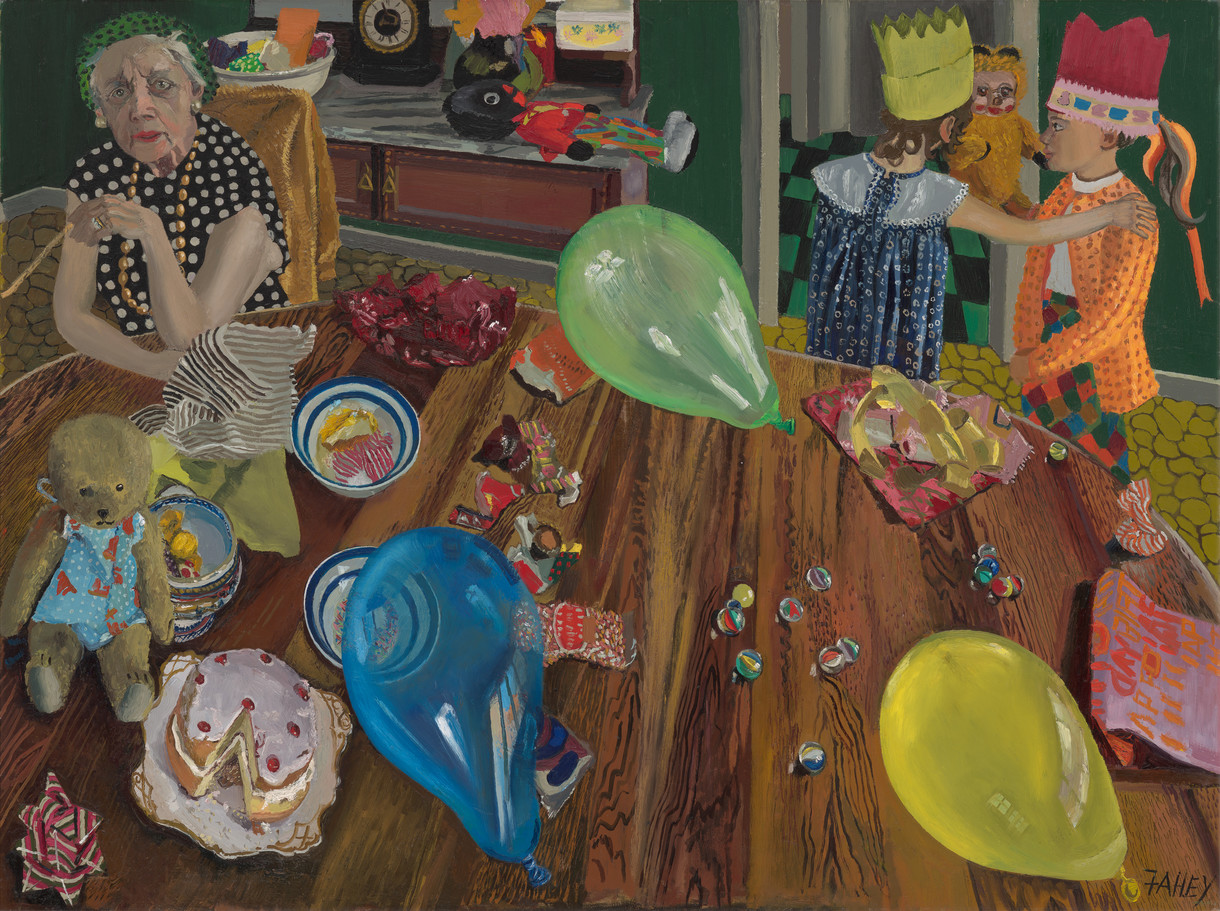
Jacqueline Fahey: Say Something!
Overflowing with love, conflict and quiet despair, Fahey’s paintings from the 1970s bristle with the intensity of domestic life.
Exhibition
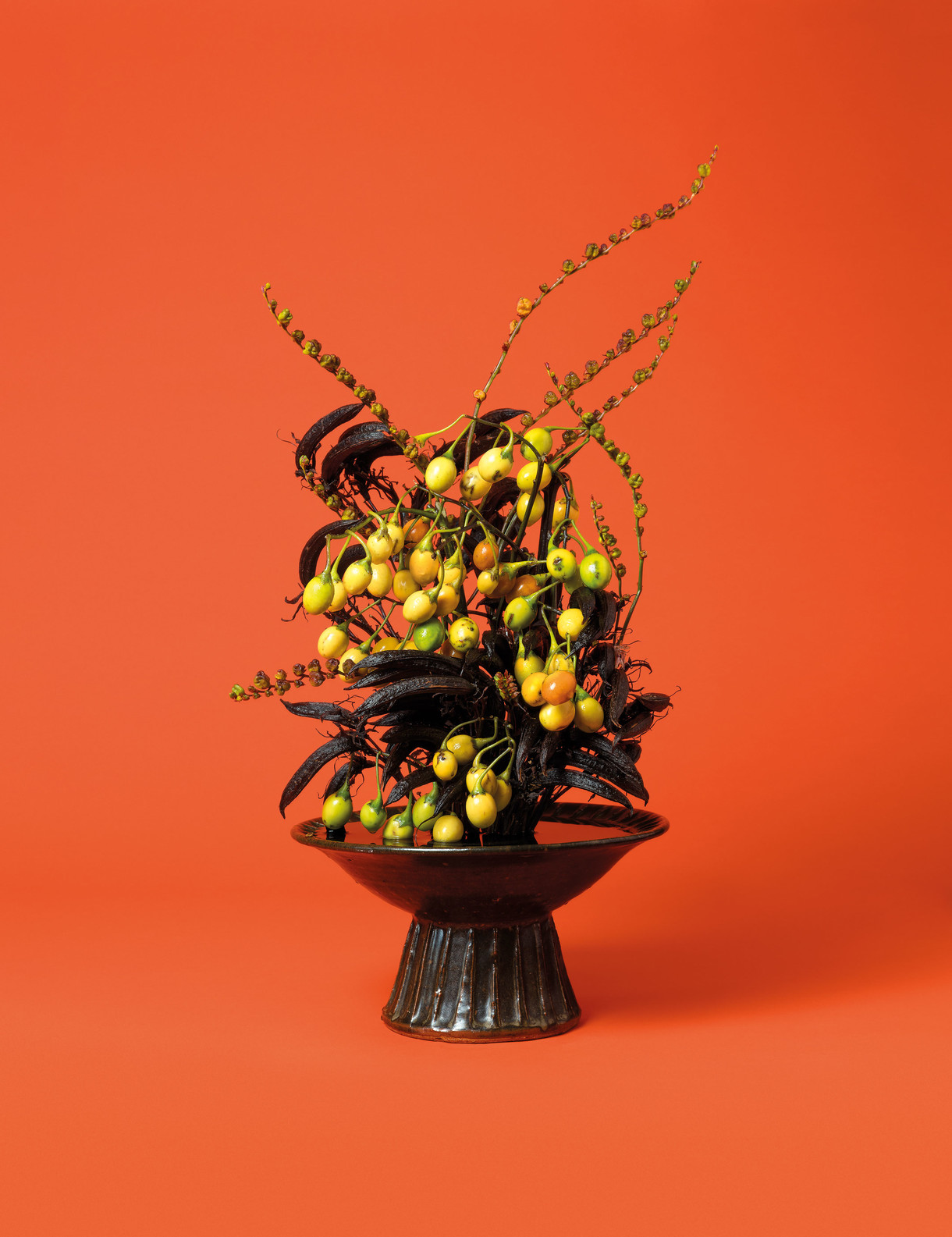
Ann Shelton: Dark Matter
An expansive view of Ann Shelton’s tightly conceived, large scale and hyperreal photography
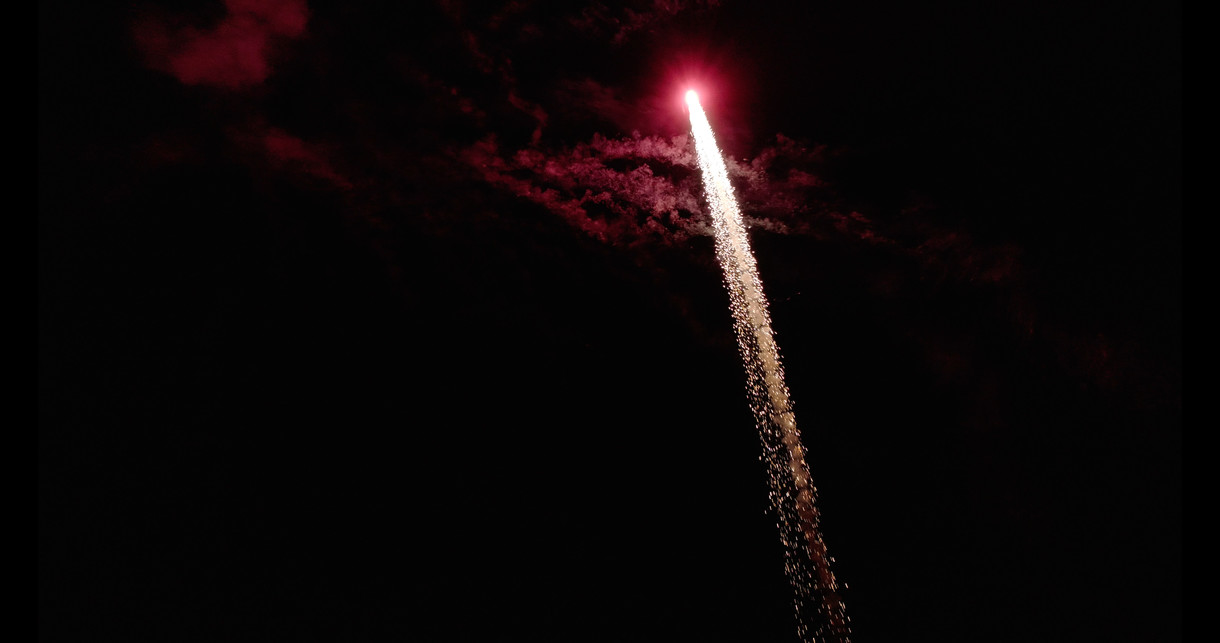
Exhibition
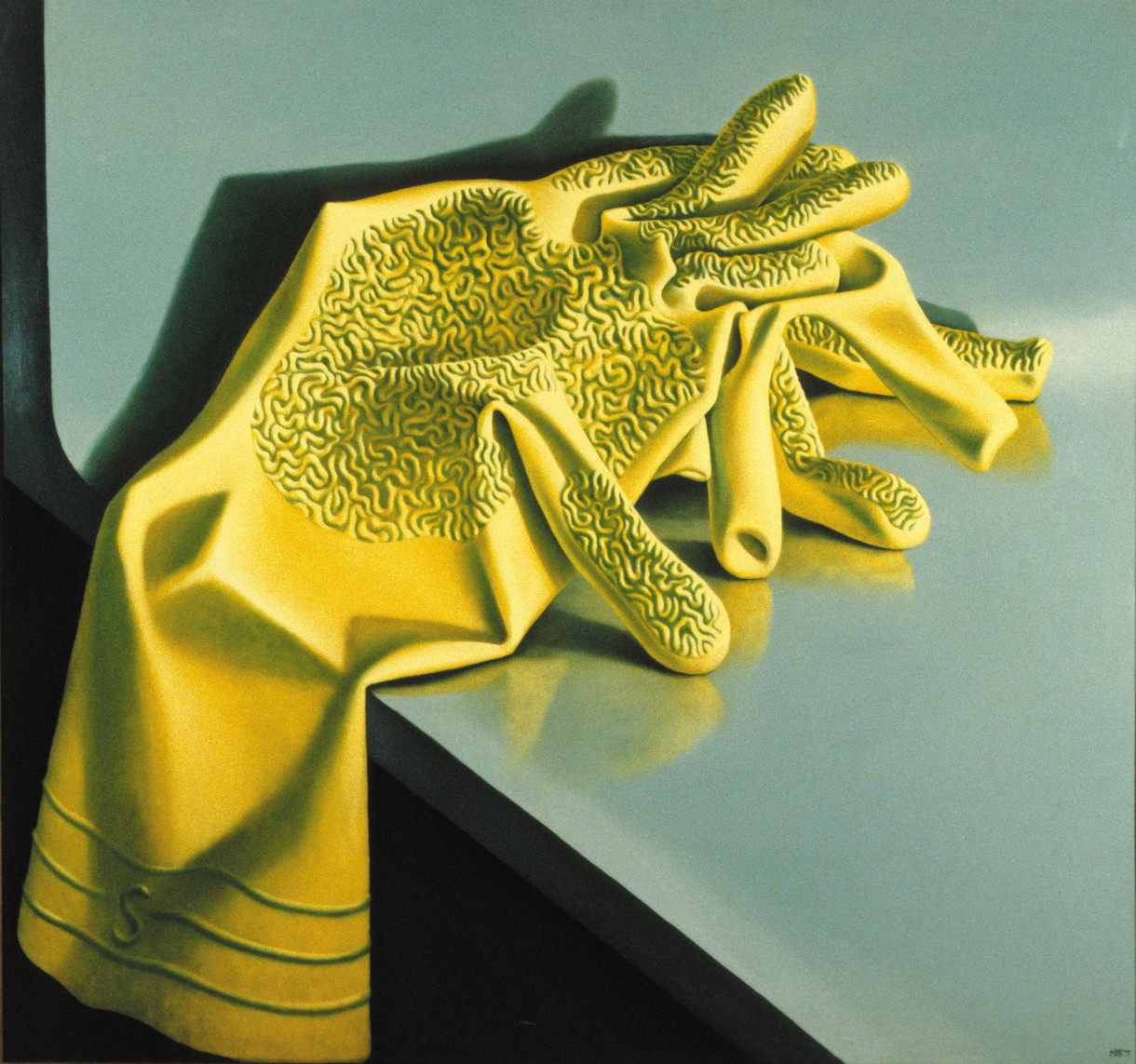
Yellow Moon: He Marama Kōwhai
Yellow is a colour with impact – it’s time to encounter its brilliance.
Exhibition
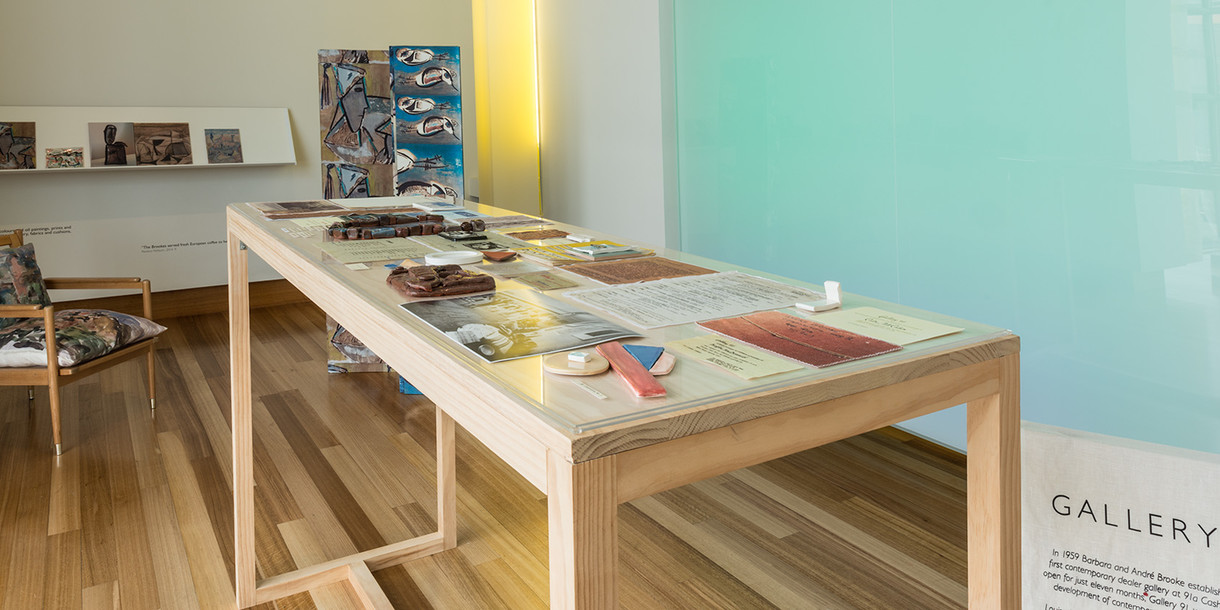
Gallery 91
As part of SCAPE's 2017 season Julia Holderness and Petrena Fishburn present a personal response to Gallery 91.
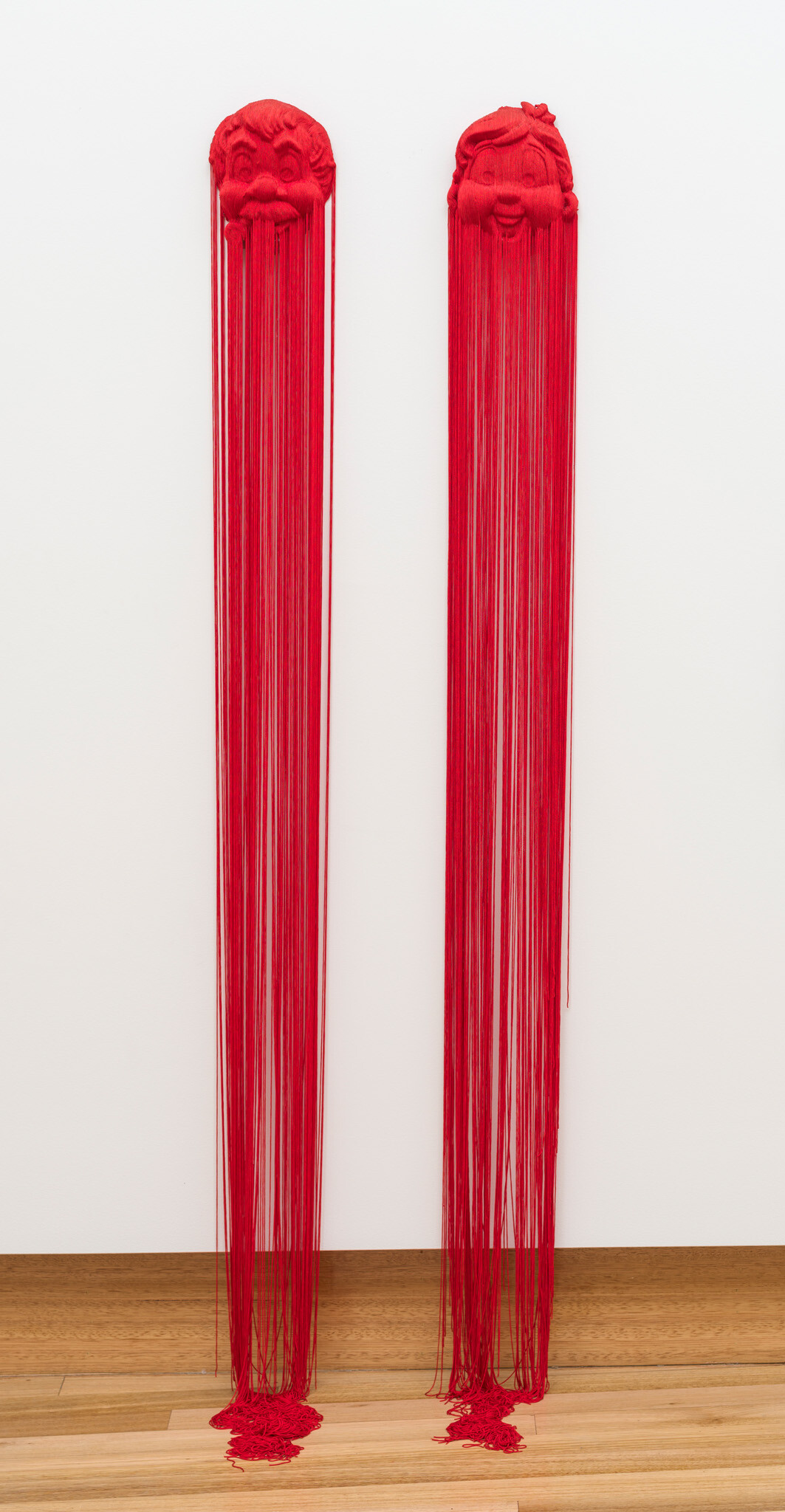
Collection
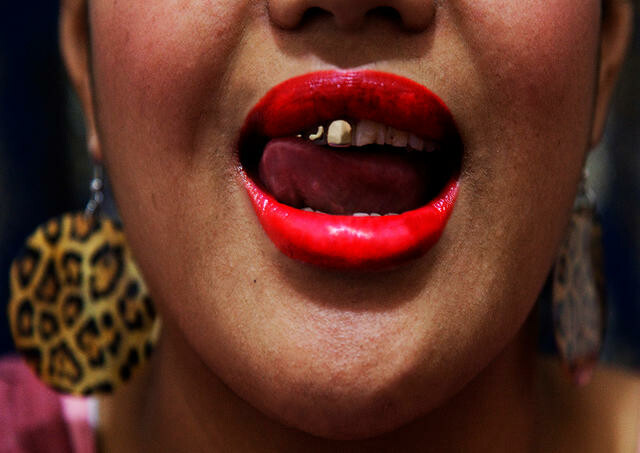
Ane Tonga Seta
In Seta, Ane Tonga depicts the nifo koula, or gold tooth, of a family member in Aotearoa. For Tongan communities living outside Tonga, nifo koula is a way of remaining connected in memory to the islands; many receive their nifo koula in Tonga as a way of commemorating a trip. There is a gendered aspect to the role of nifo koula, as adornment worn by women. The gold used for the dental procedure is often sourced from old family jewellery, lending further layers of ancestral connection for the wearer.
While it has become a contemporary Tongan ‘tradition’, nifo koula also relates to transnational visual culture through its relationship to the metal grills, or tooth jewellery, of US hip-hop culture. Combined with the bold red lipstick and leopard print earrings, this image of nifo koula gives voice to an aspect of contemporary Tongan culture.
(Perilous: Unheard Stories from the Collection, 6 August 2022- )
Notes
![Untitled [Quentin (Kin) Woollaston Shearing] by Sir Toss Woollaston](/media/cache/c5/b9/c5b98379889ec5ed68c2135227190b5f.jpg)
Untitled [Quentin (Kin) Woollaston Shearing] by Sir Toss Woollaston
This article first appeared as 'The fine juggling act to create his artwork' in The Press on 8 June 2017.