Collection
Coffee Pot

John Simpson Coffee Pot

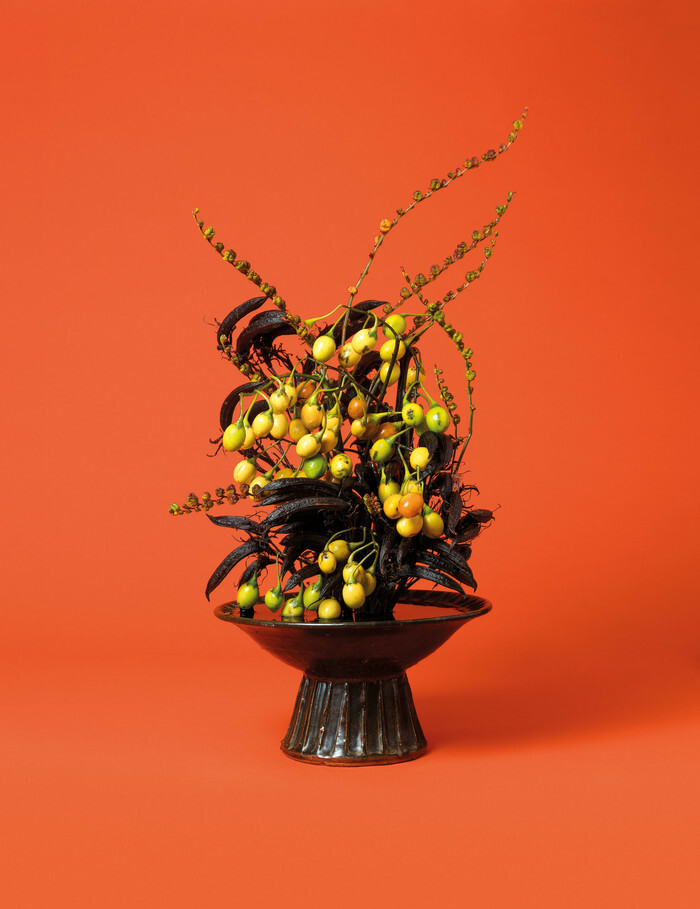
John Simpson was already a leading young British silversmith and industrial designer when he was invited in 1950 to make a teapot for the Festival of Britain, to be held in London the following year. Knowing “it was going to be seen by literally hundreds of thousands of visitors,” he later explained, “I engraved my name on top of the teapot. Free advertising!” His equally superb coffee pot, which bears a Latin inscription that translates roughly as ‘After a day’s exertion, it’s sweet to sit in front of the hearth, enjoying the warmth of the fire’, was made in 1951 – the year he completed his Art Teachers’ Diploma. It later went on temporary display at London’s Victoria and Albert Museum.

Both pots were regularly used and enjoyed in the Simpson family’s homes in England and New Zealand, for some sixty-six years. John Simpson was senior lecturer in design at the University of Canterbury from 1958 to 1961, and head of school and foundation professor fine arts from 1961 to 1990. He was made an ONZM in 2021.

(The Moon and the Manor House, 12 November 2021 – 1 May 2022)

Collection
Teapot

John Simpson Teapot

John Simpson was already a leading young British silversmith and industrial designer when he was invited in 1950 to make a teapot for the Festival of Britain, to be held in London the following year. Knowing “it was going to be seen by literally hundreds of thousands of visitors,” he later explained, “I engraved my name on top of the teapot. Free advertising!” His equally superb coffee pot, which bears a Latin inscription that translates roughly as ‘After a day’s exertion, it’s sweet to sit in front of the hearth, enjoying the warmth of the fire’, was made in 1951 – the year he completed his Art Teachers’ Diploma. It later went on temporary display at London’s Victoria and Albert Museum.

Both pots were regularly used and enjoyed in the Simpson family’s homes in England and New Zealand, for some sixty-six years. John Simpson was senior lecturer in design at the University of Canterbury from 1958 to 1961, and head of school and foundation professor fine arts from 1961 to 1990. He was made an ONZM in 2021.

(The Moon and the Manor House, 12 November 2021 – 1 May 2022)

Collection
Atua (Psalm 130)

Darryn George Atua (Psalm 130)

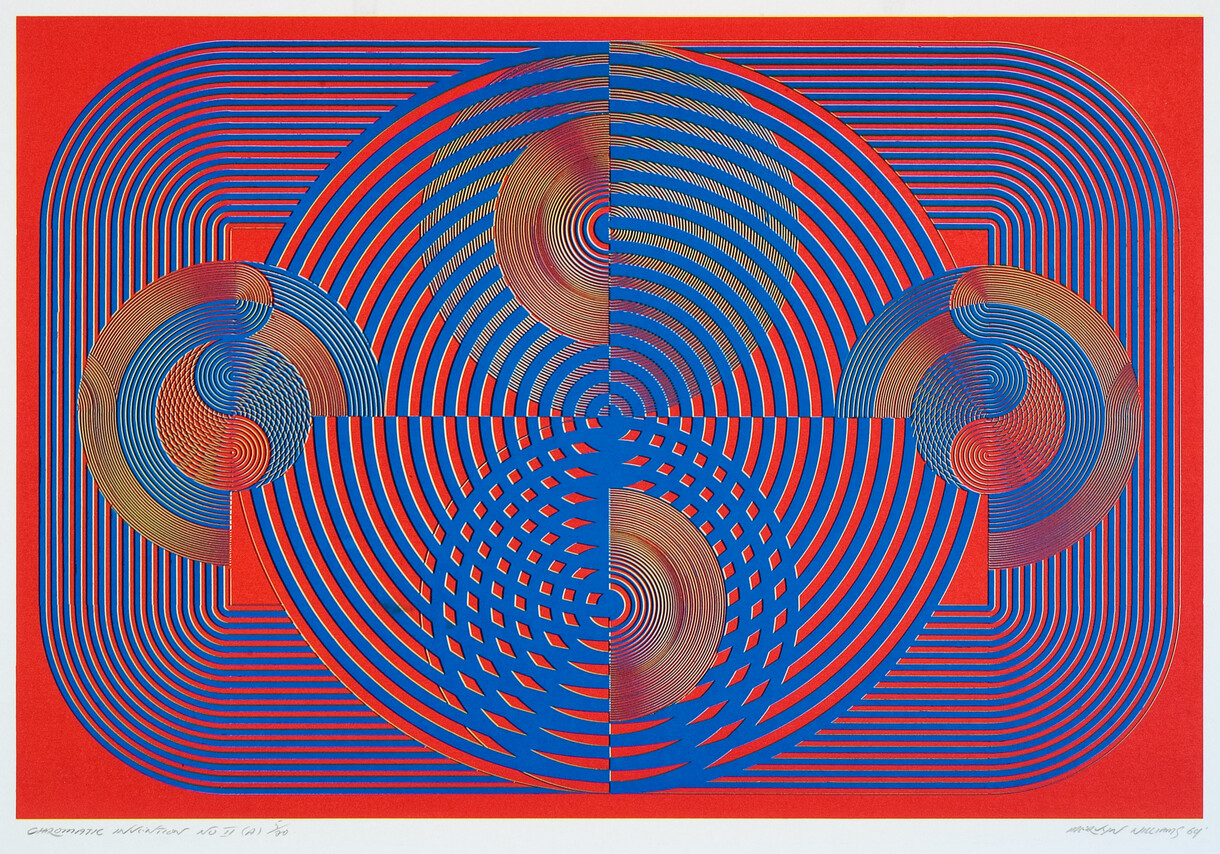
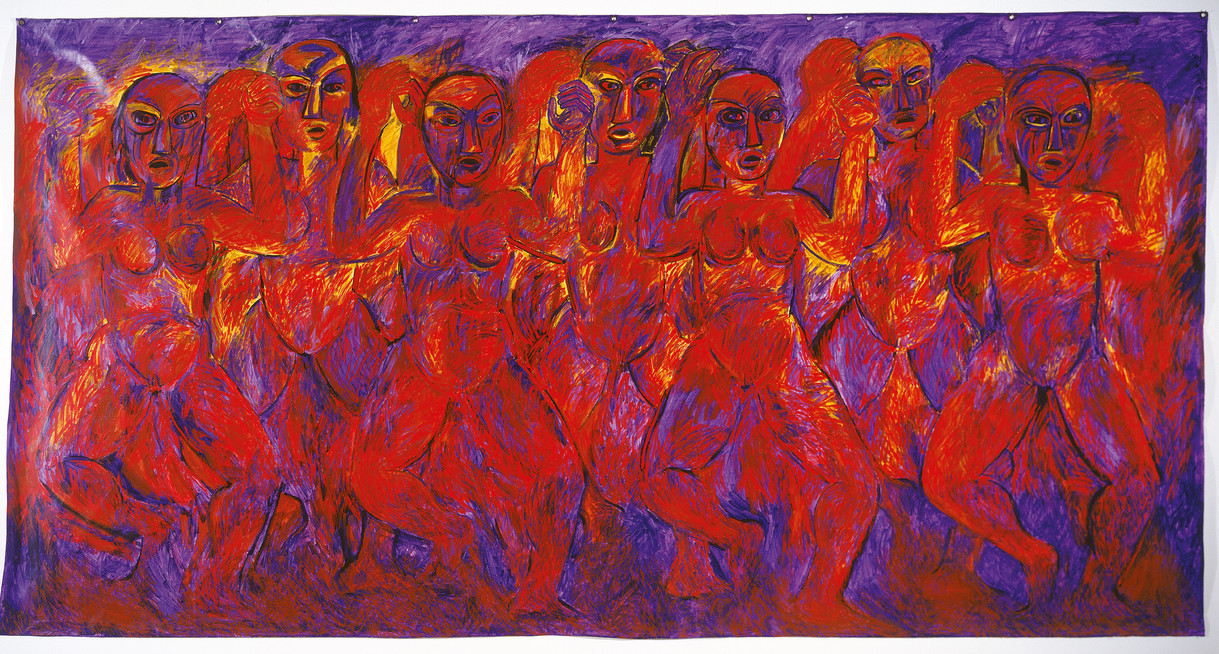
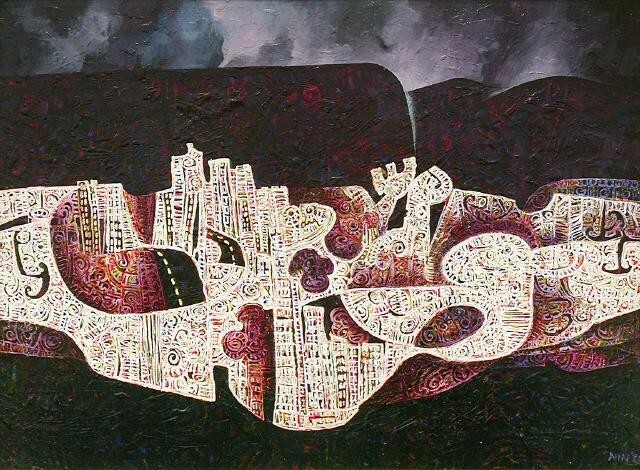
Darryn George is part of the generation of young urban Māori artists that came to prominence during the 1990s and sought to bring a Māori world view into their art by way of making themselves available to wānanga (meet to consider and discuss) and hui (gatherings). It was during an intimate conversation with kaumātua (elder) Hone Te Mau at Whāngārā Marae that George was introduced to the ways he might engage with the art he saw within the wharenui (meeting house) as a Christian artist. “It gave me the freedom to go back into that meeting house and start to see things that I could pull into my own work as a gift from the ancestors ”Te reo Māori is a highly complex language and words can have many different meanings depending on context. Atua is a noun meaning God, and also ancestor with continuing influence. This painting, Atua (Psalm 130), expands upon George’s experience at Whāngārā Marae; George uses hard-edged forms, colours and text to explore cultural and spiritual values that are Māori and deeply personal.

(Te Wheke: Pathways Across Oceania, 2021)

Collection

Minerva Betts Untitled

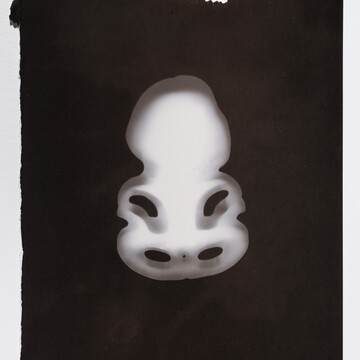
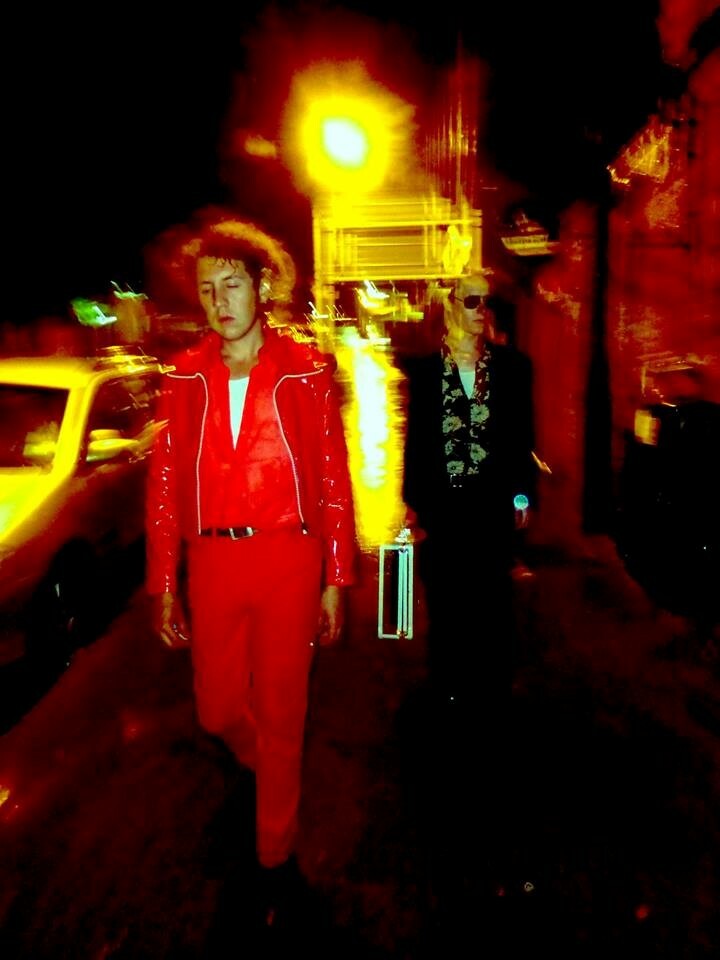
Minerva Betts is part of the artistic collective et al. and known mainly for making photographs. In Untitled, the artist has made a self-portrait that disrupts or refutes a single moment, using movement to blur reality and question the truth of the image.

(Perilous: Unheard Stories from the Collection, 6 August 2022- )

Load more