Kā Kaupapa o te Wā
What’s On

Celebrate Matariki at the Gallery
Tatai Whetū Tatai Tangata.
Made in the Pacific: A Collection of Tāoga
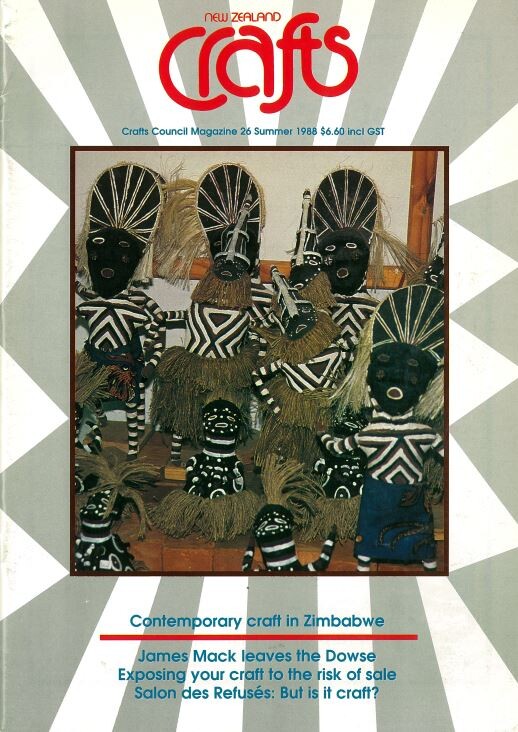
A selection of Pacific tāoga from the Canterbury Museum in conversation with contemporary artworks that highlight the continued strength in culture and traditional art forms.
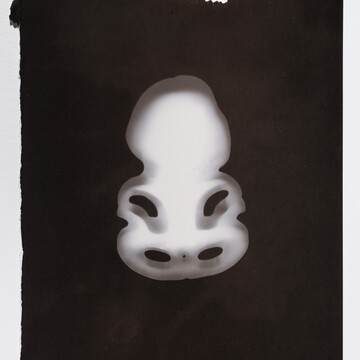
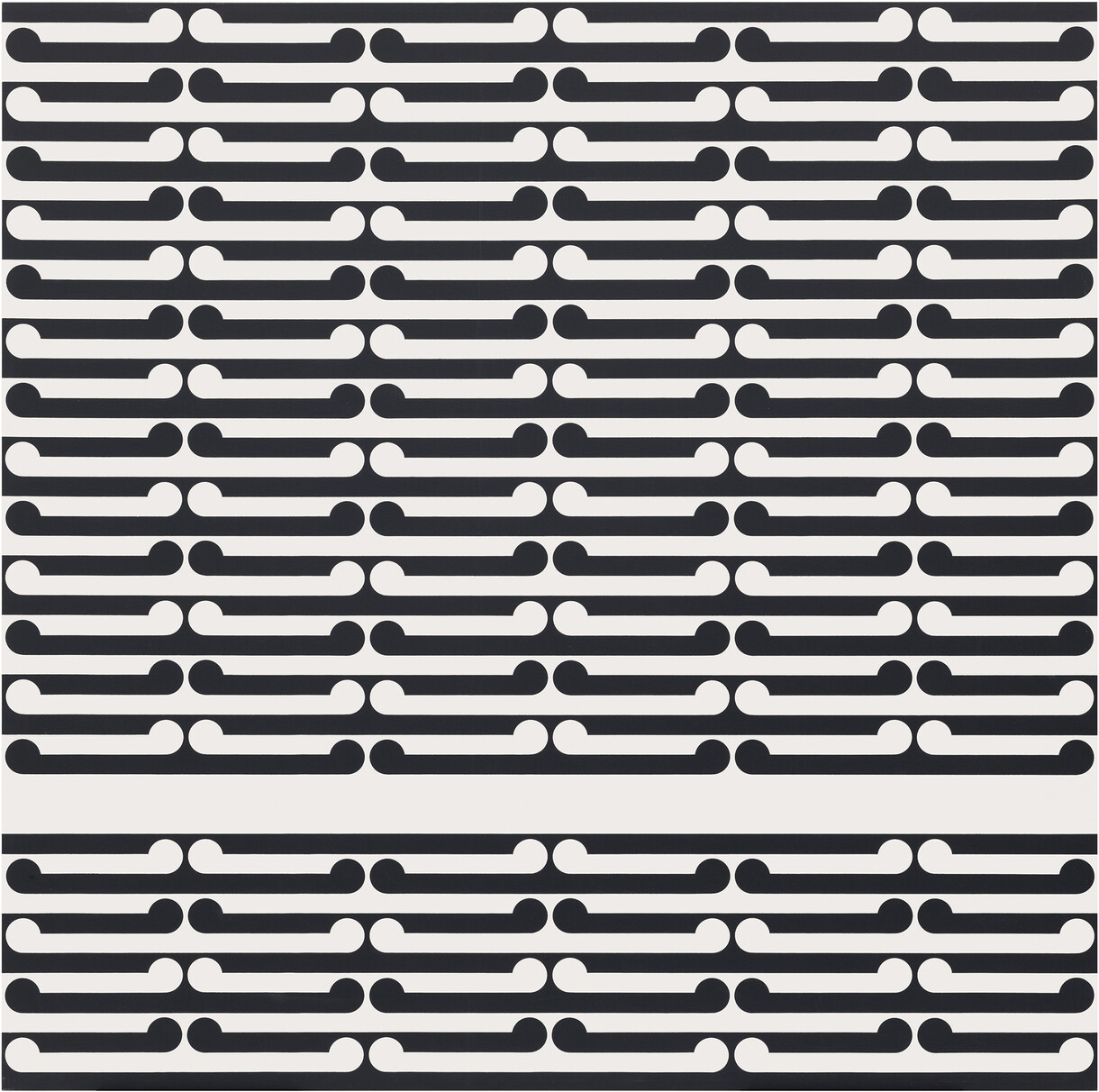
Mark Adams: A Survey | He Kohinga Whakaahua
A comprehensive survey spanning the artist's career.
E tuwhera ana te wharetoi i kā rā e 7 o te wiki, 10am - 5pm
Ka tuwhera ki te 9pm i kā pō Wenerei
Open 7 days, 10am - 5pm
Late night Wednesday until 9pm
Uruka utukore, ahokore utukore
Free entry, free wifi
Collection
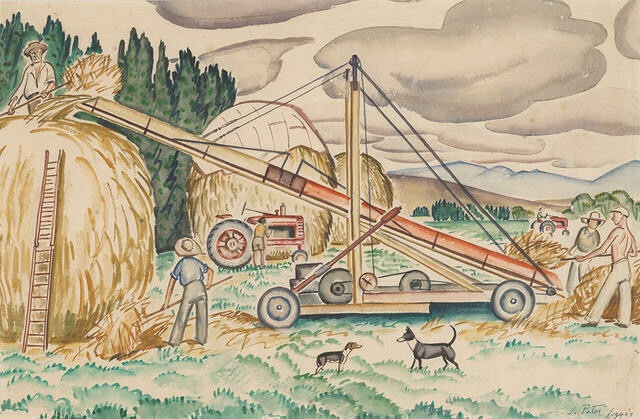
Juliet Peter Harvesting, Rydal Downs
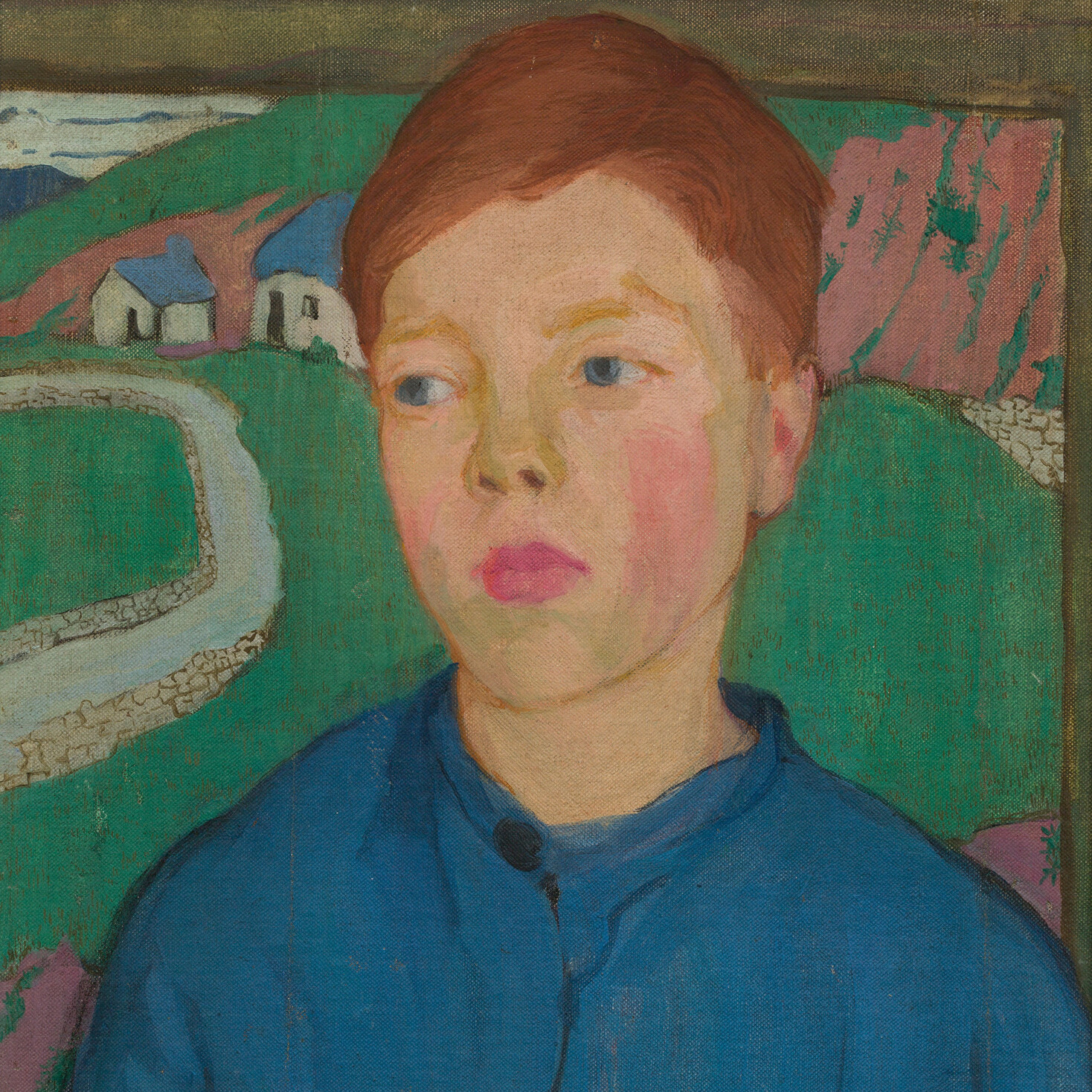
Juliet Peter was born into a farming family in Waitaha Canterbury and spent her childhood at Anama station near Te Kiekie Mount Somers. Preparing to sit her final exams at the Canterbury College School of Art, Peter’s artistic aspirations were temporarily sidelined by the outbreak of World War II. New Zealand’s support of the war effort was all-encompassing, and in 1942 she began work as a ‘land girl’, replacing male farmworkers serving overseas. While employed at Rydal Downs in Ōkūkū, she and her co-workers took up tractor driving, ploughing, harvesting, mustering, shearing and wool sorting. It was hard, physical work with long hours, six days a week throughout the year. Her years on the farm returned her to early and happy memories of rural life, and she documented her time at Rydal Downs through a series of paintings and sketches.
(He Kapuka Oneone – A Handful of Soil, 2025)
Collection
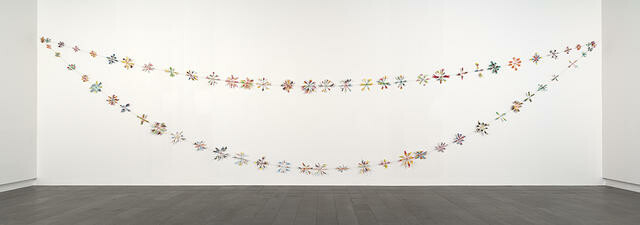
Ani O'Neill 'etu iti
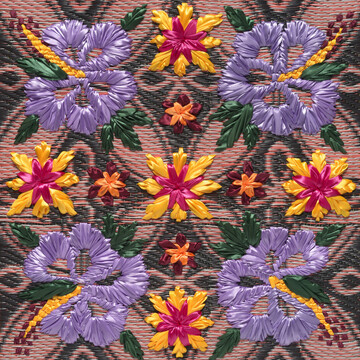
“Though people may not see my work as political – it is. I want to re-ignite something inside the viewer that they may have forgotten existed; the ‘Pacific Island way’ of creating the world.” —Ani O’Neill In Cook Islands Māori, 'etu iti means ‘little stars’. This work was inspired by sacred objects from Oceania that are usually never seen or touched: bundles of fine sticks bound with feathers collected from Hawai'i long ago and now held in the Museum of Archaeology and Anthropology in Cambridge, England. It was created for an exhibition in which artists responded to the museum’s collections. Interested in “passing on the flame to light new paths”, Ani O’Neill worked with the help of local school children. She often works collaboratively, empowering people through art making. Through this process she upholds Polynesian values, using her work to foster a sense of community rather than elitism. She also chooses everyday materials, and by elevating their status she challenges the western hierarchy of materials and art forms.
(Te Wheke, 2020)