
Kā Kaupapa o te Wā
What’s On
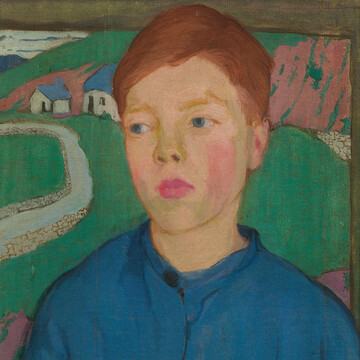
Edith Collier: Early New Zealand Modernist
A rare opportunity to view the work of one of Aotearoa New Zealand’s most adventurous and experimental modernist artists.
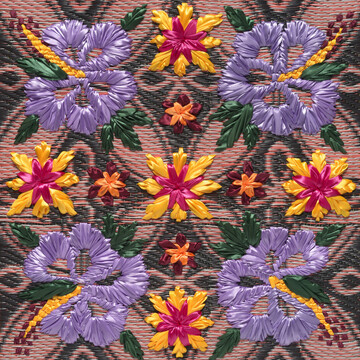
Made in the Pacific: A Collection of Tāoga
A selection of Pacific tāoga from the Canterbury Museum in conversation with contemporary artworks that highlight the continued strength in culture and traditional art forms.
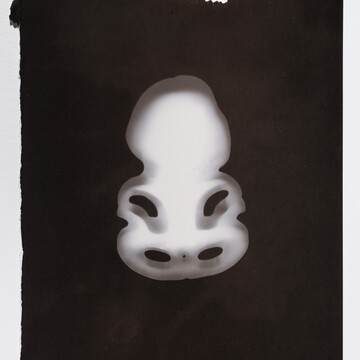
Mark Adams: A Survey | He Kohinga Whakaahua
A comprehensive survey spanning the artist's career.
E tuwhera ana te wharetoi i kā rā e 7 o te wiki, 10am - 5pm
Ka tuwhera ki te 9pm i kā pō Wenerei
Open 7 days, 10am - 5pm
Late night Wednesday until 9pm
Uruka utukore, ahokore utukore
Free entry, free wifi
Notes
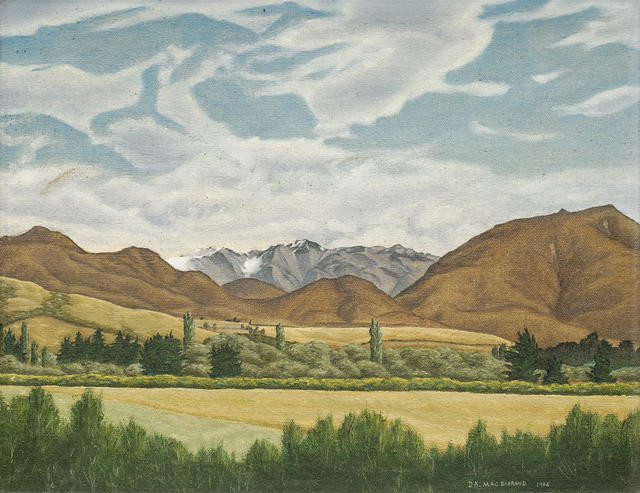
Keep on washing
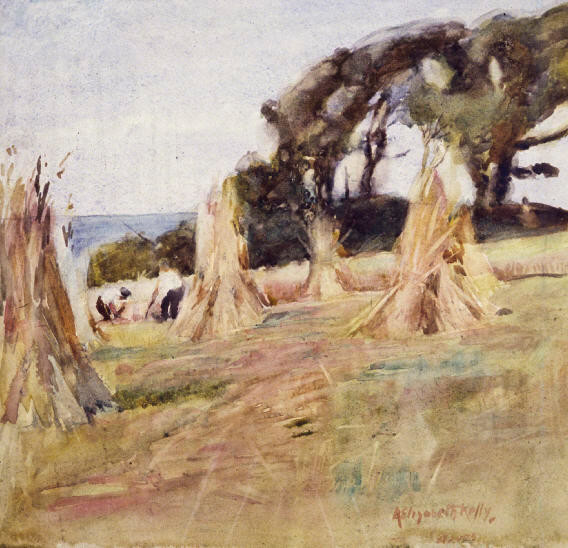
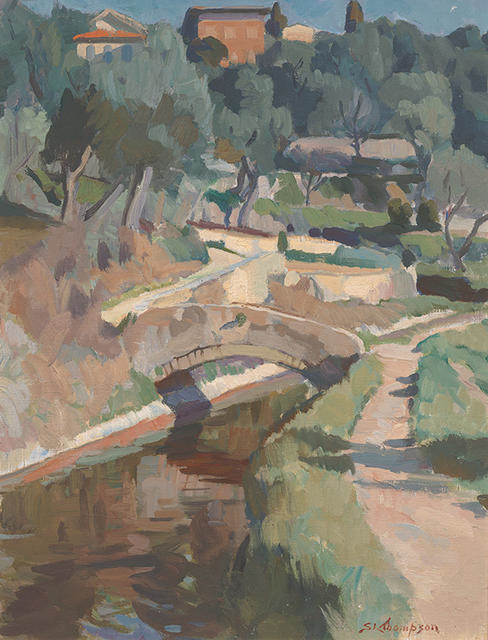
Hand-washing remains the best thing we can do. Here's another poem against which to time your ablutions. Douglas MacDiarmid reads his own poem 'Daylight'. He wrote the poem and created the painting, Hills from Annat, in 1946.
Notes
Hand-washing
As we all know, one of the best ways to prevent the spread of Covid-19 is washing our hands. For the last week or so, our wonderful librarian Tim Jones supplied all the bathrooms at Christchurch Art Gallery Te Puna o Waiwhetū with poems by New Zealand poets to make the recommended 2-minute handwashing sessions pass a little more bearably.
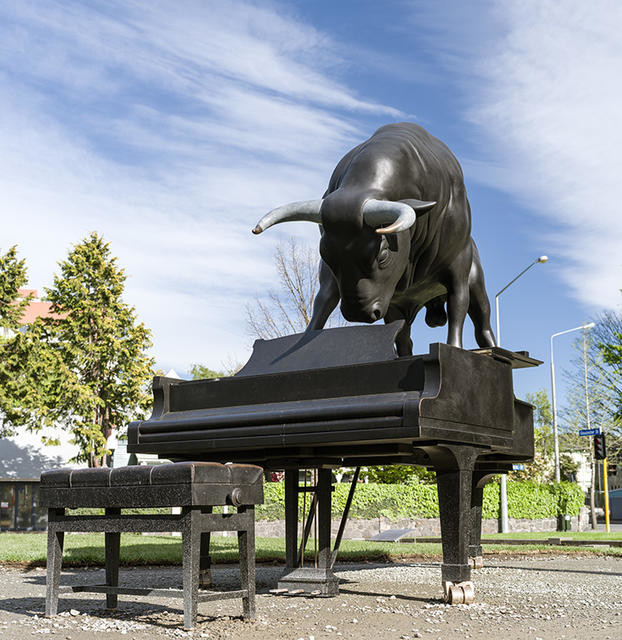
Now we are all working from home, we'll try to keep this going, starting with a reading of On First Looking into Chapman's Homer by John Keats, the poem behind Michael Parekowhai's sculpture. Tim himself is the reader.
Press play and start washing.
Notes
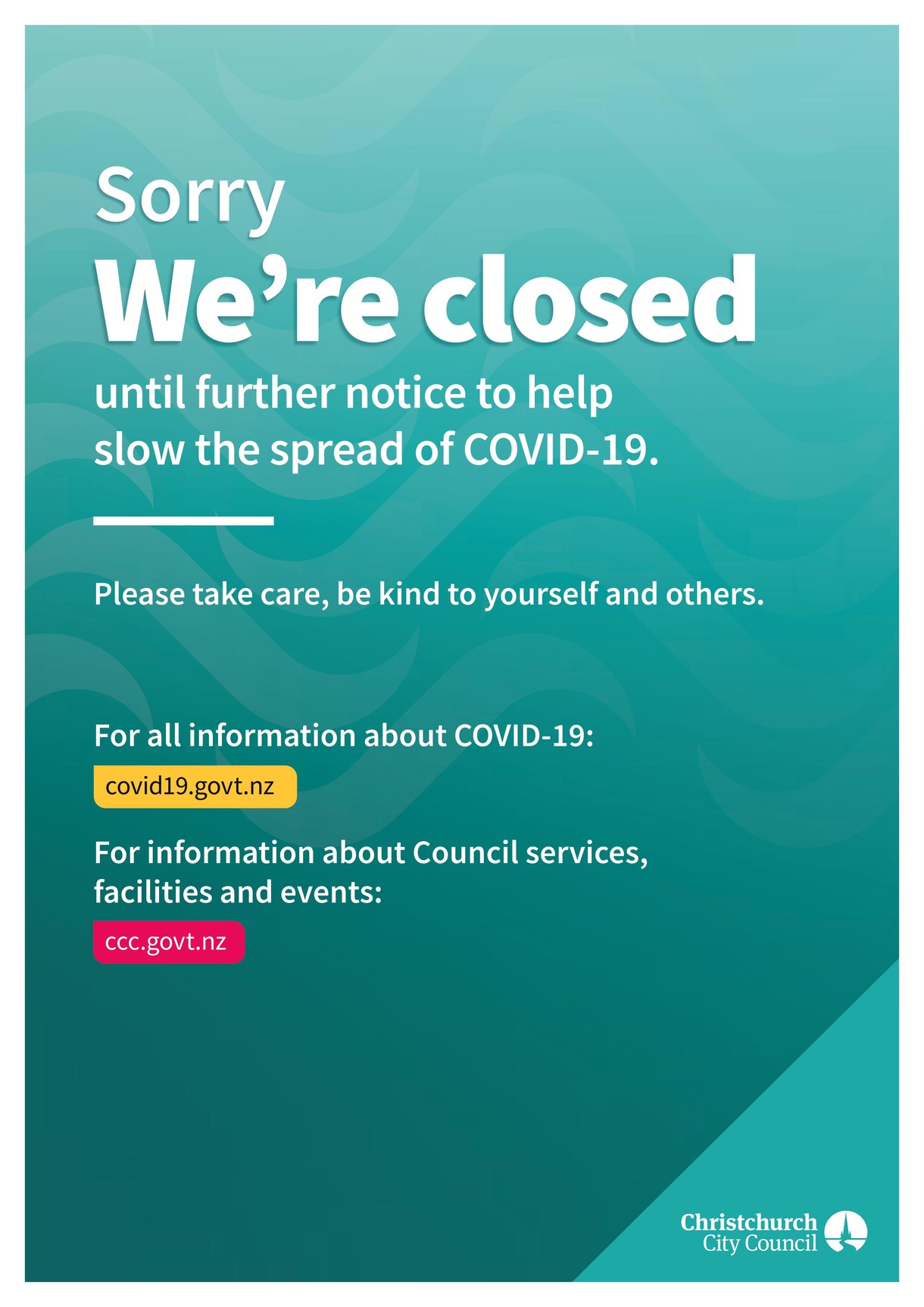
Sorry, we are closed.
Christchurch Art Gallery Te Puna o Waiwhetū will be closed until further notice to help slow the spread of COVID-19.

Exhibition
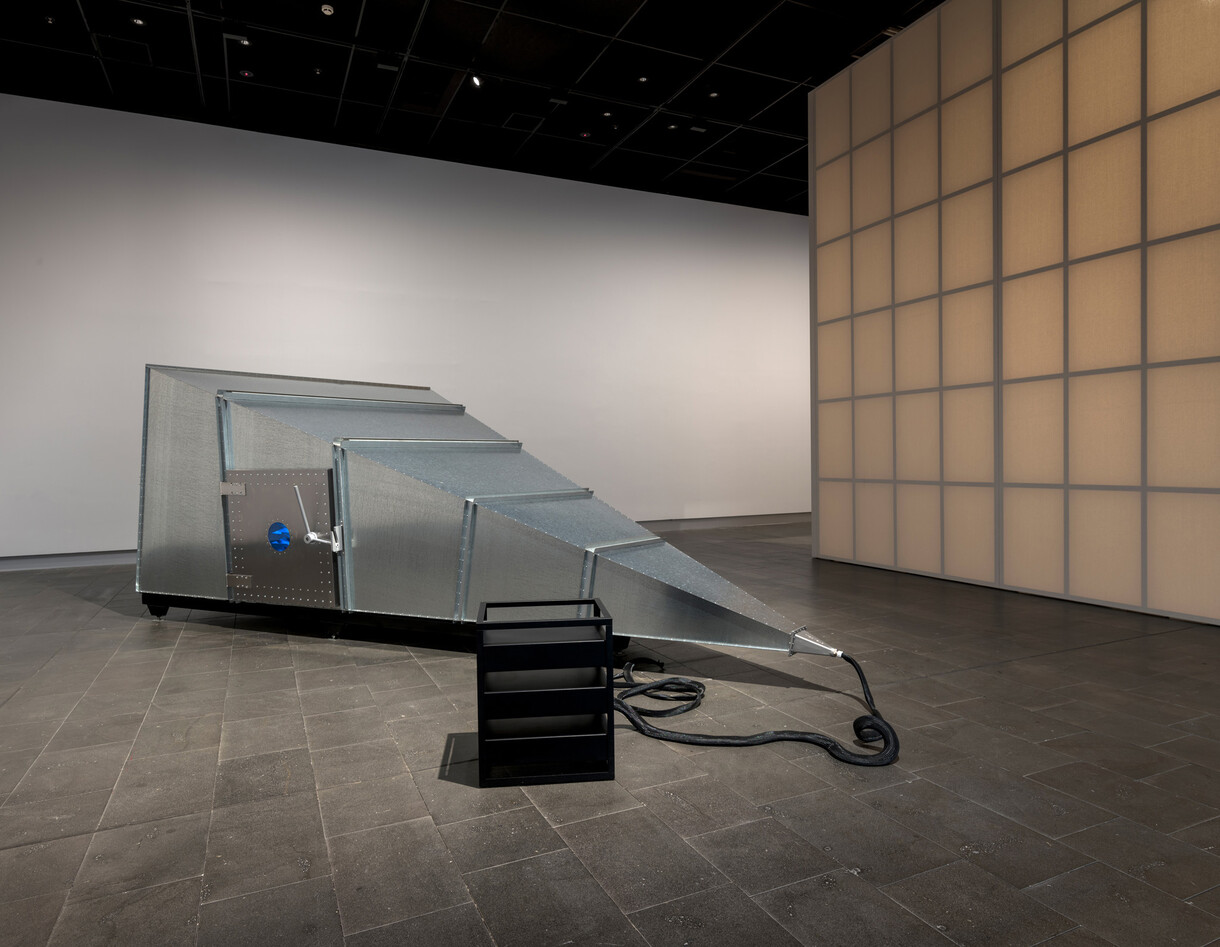
Dane Mitchell: Post Hoc
Dane Mitchell’s Post hoc conjures the ghosts of our past, calling up millions of lost, extinct and obsolete things.
Director's Foreword
Director’s Foreword
Welcome to the autumn issue of Bulletin. Here at the Gallery, we’re about to move into a major changeover as we rehang our upstairs collection galleries. When they reopen again on 10 April, the whole space will have been given over to a major new exhibition.